
2012 Commercial Trucks For Sale in New York
Browse 2012 trucks for sale in New York, including day cabs, vocational units, and work trucks with specs that matter to commercial buyers.
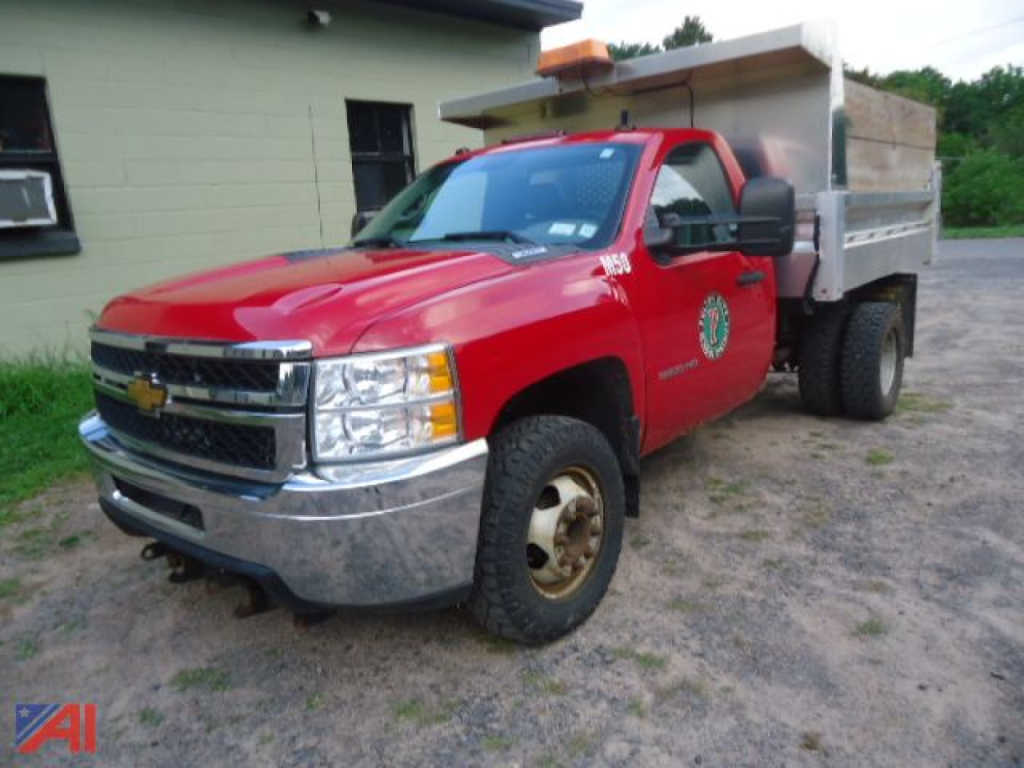
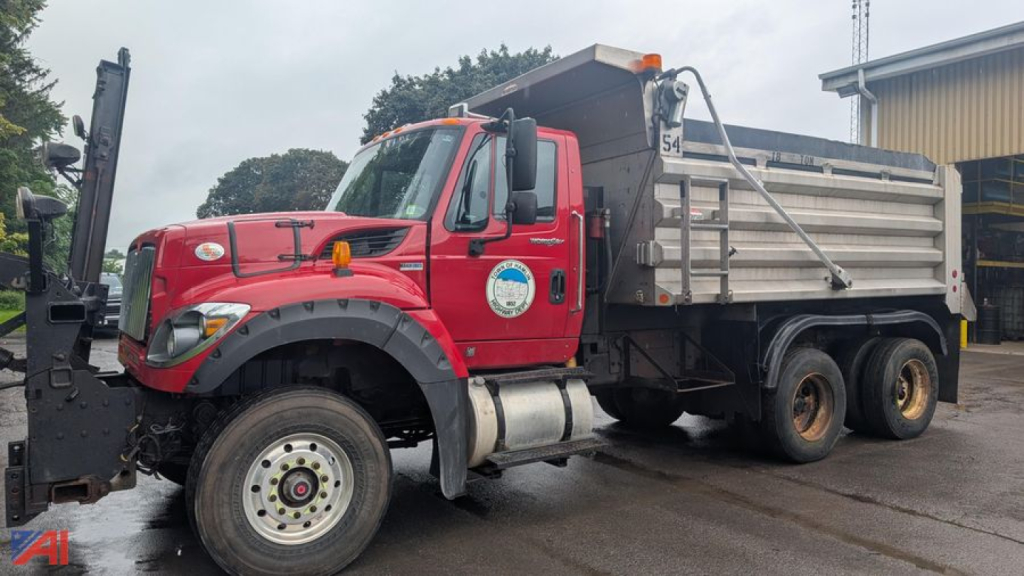
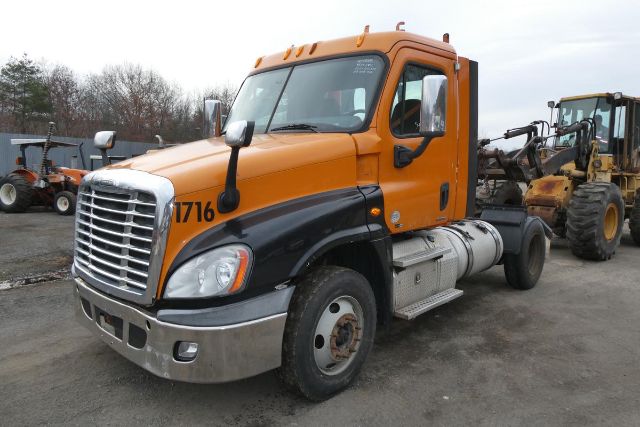
2012 International PROSTAR
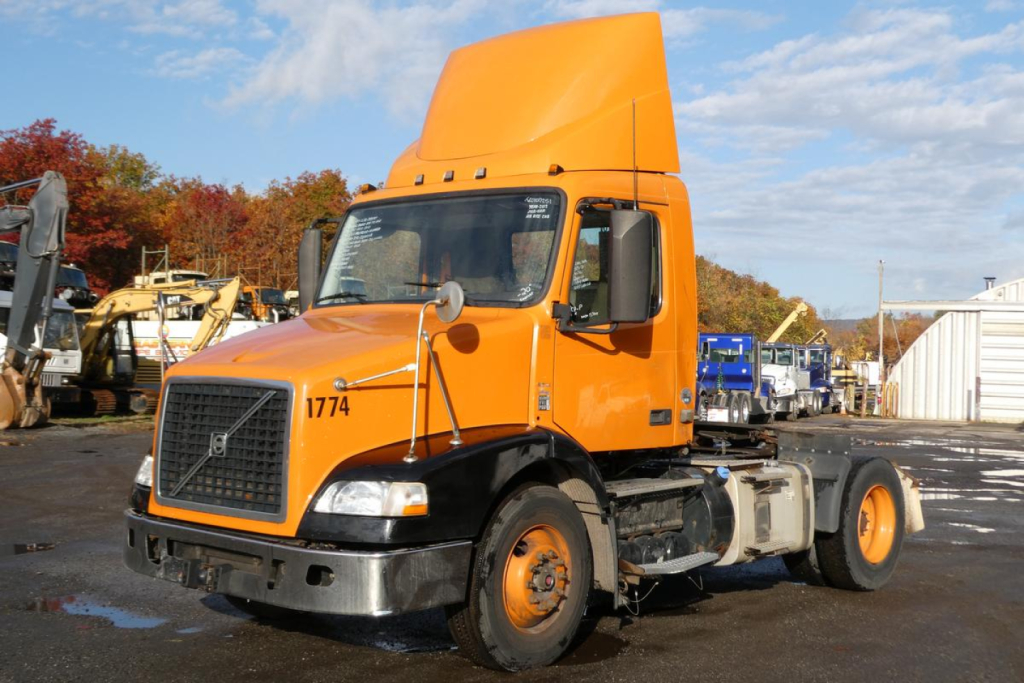
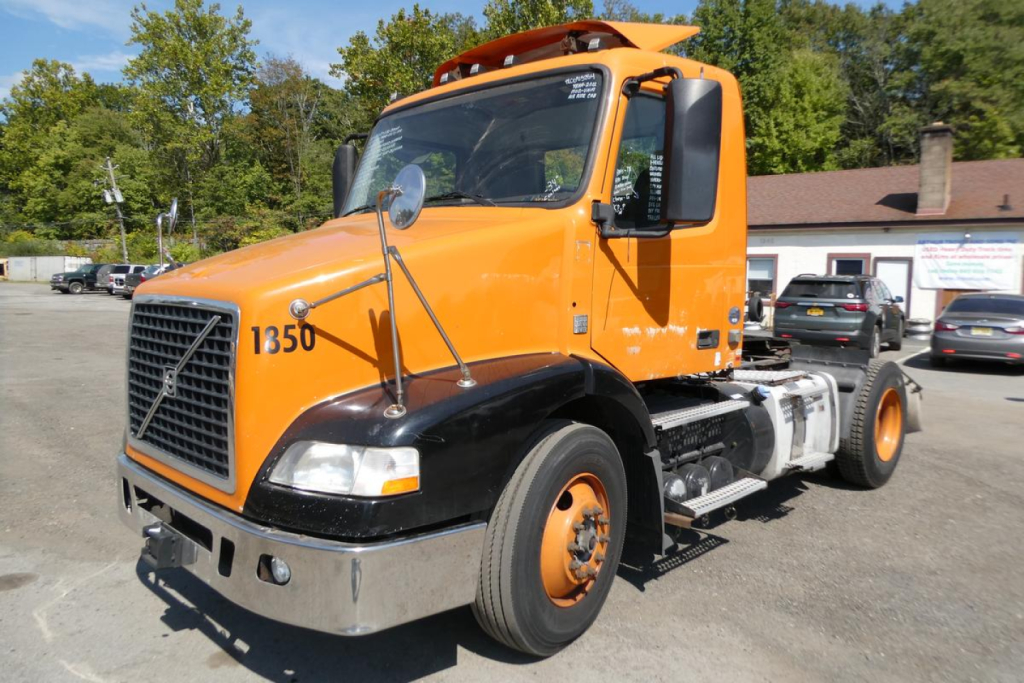
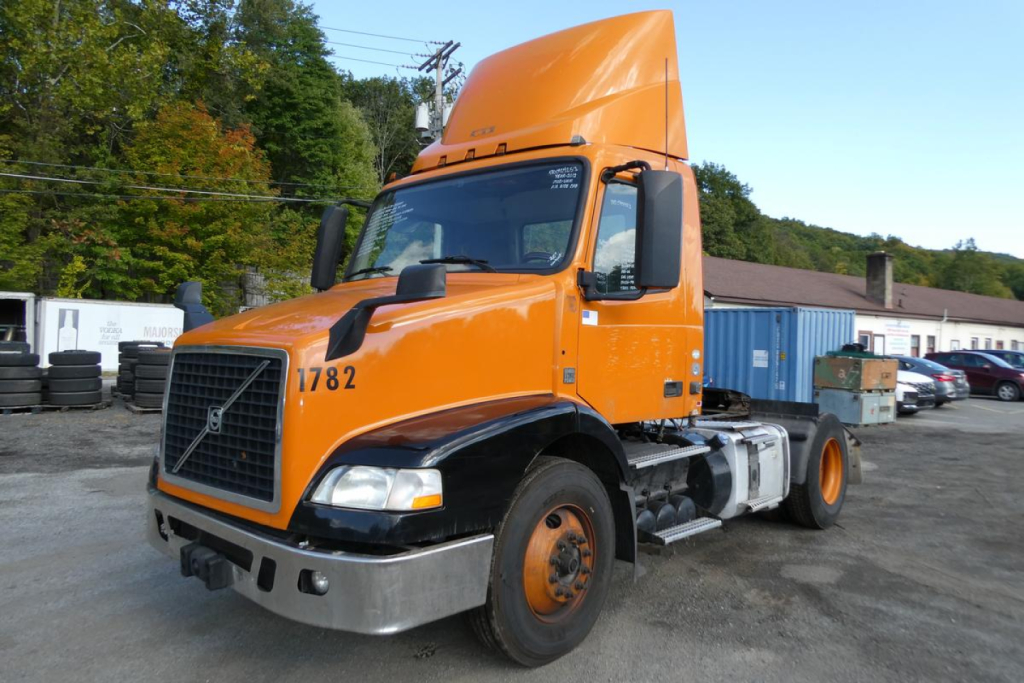
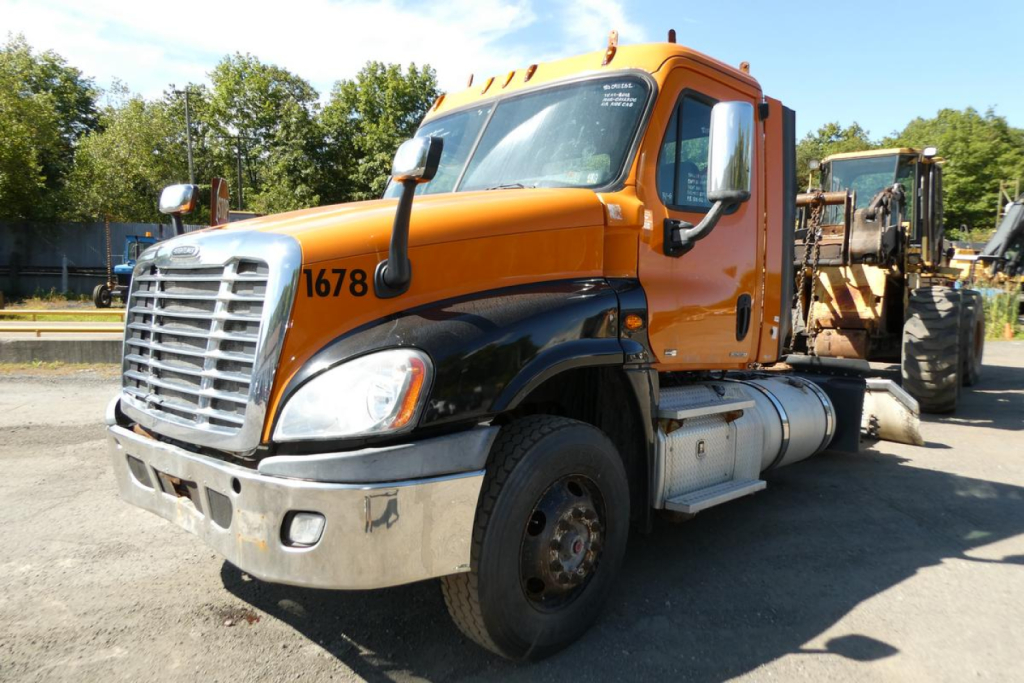
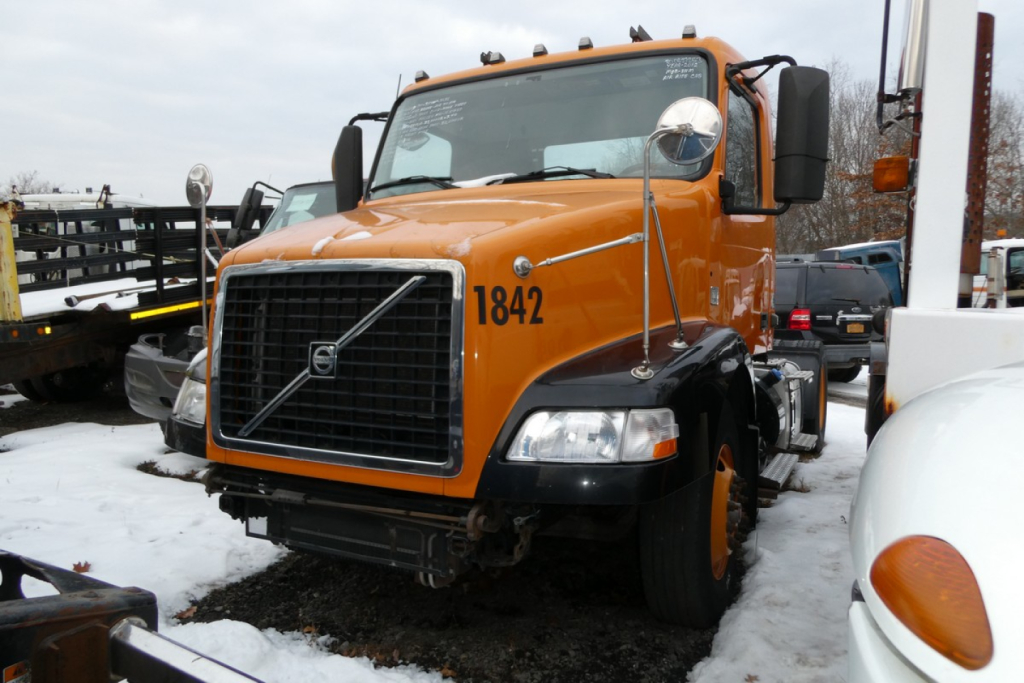
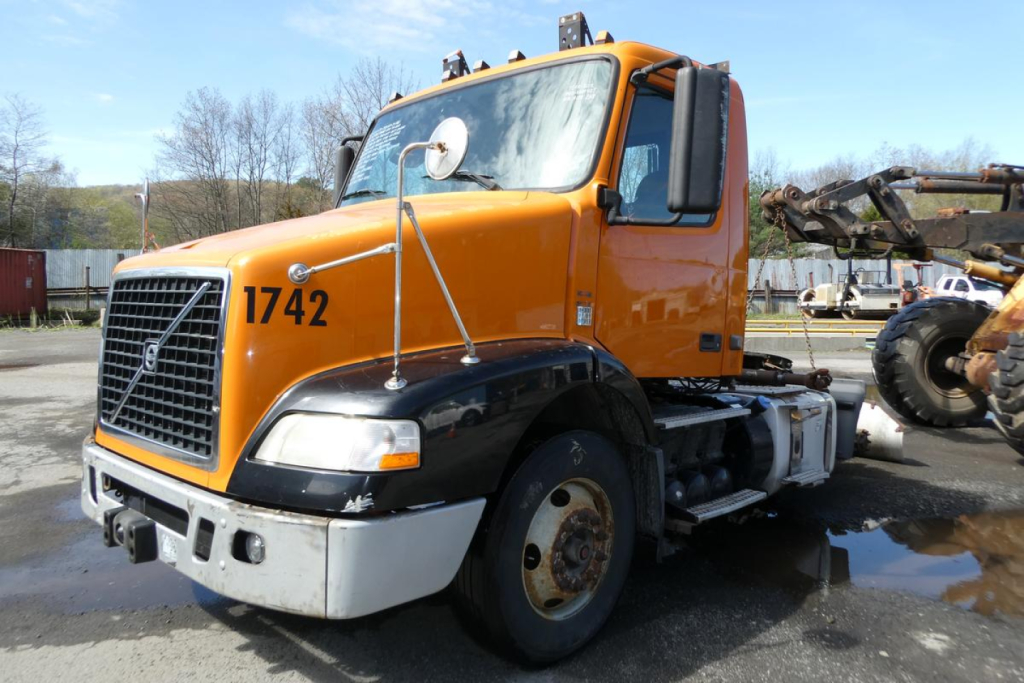
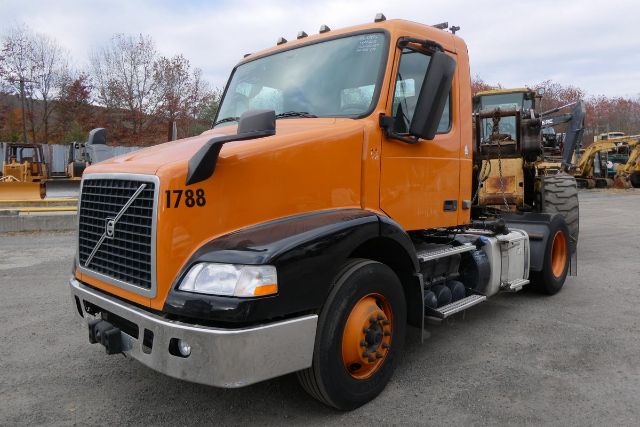
2012 Volvo VNM42T
396,413 mi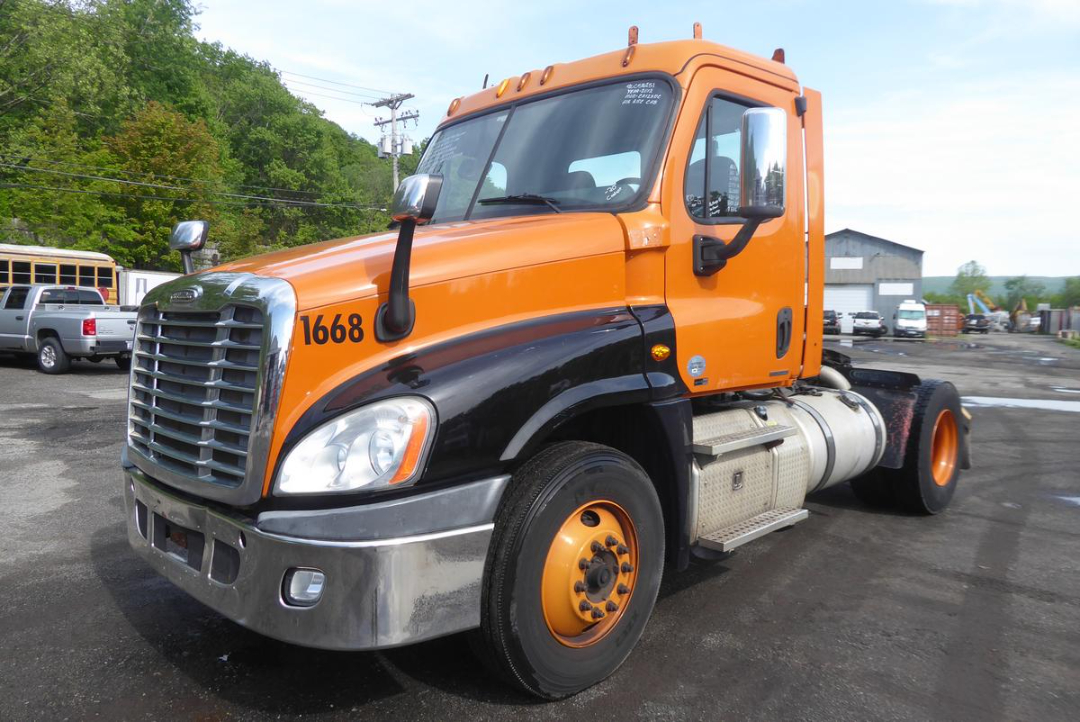
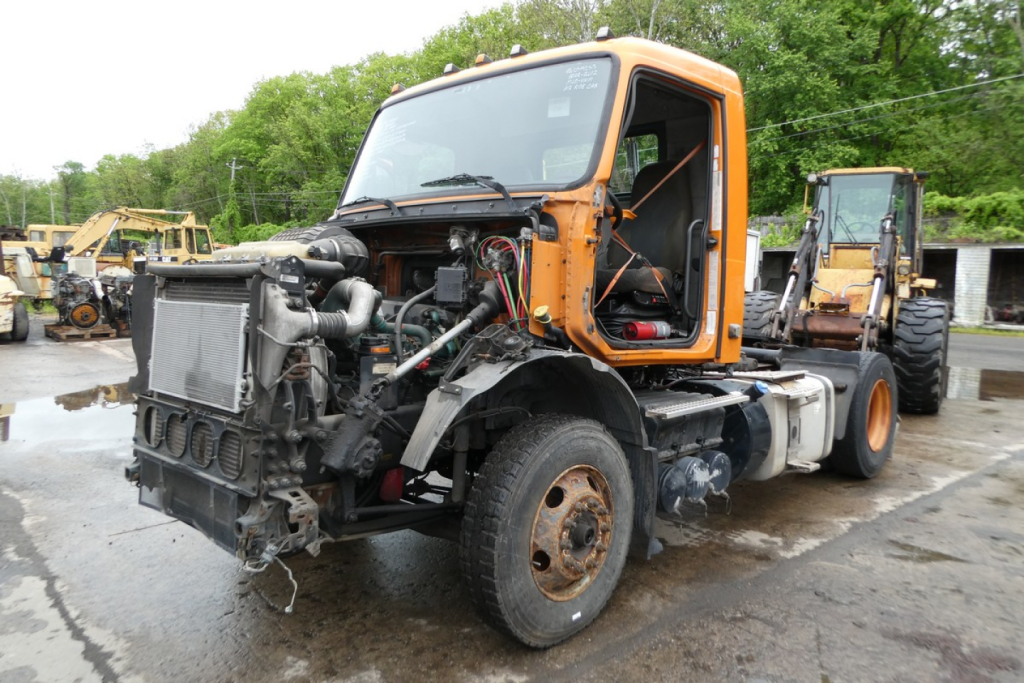
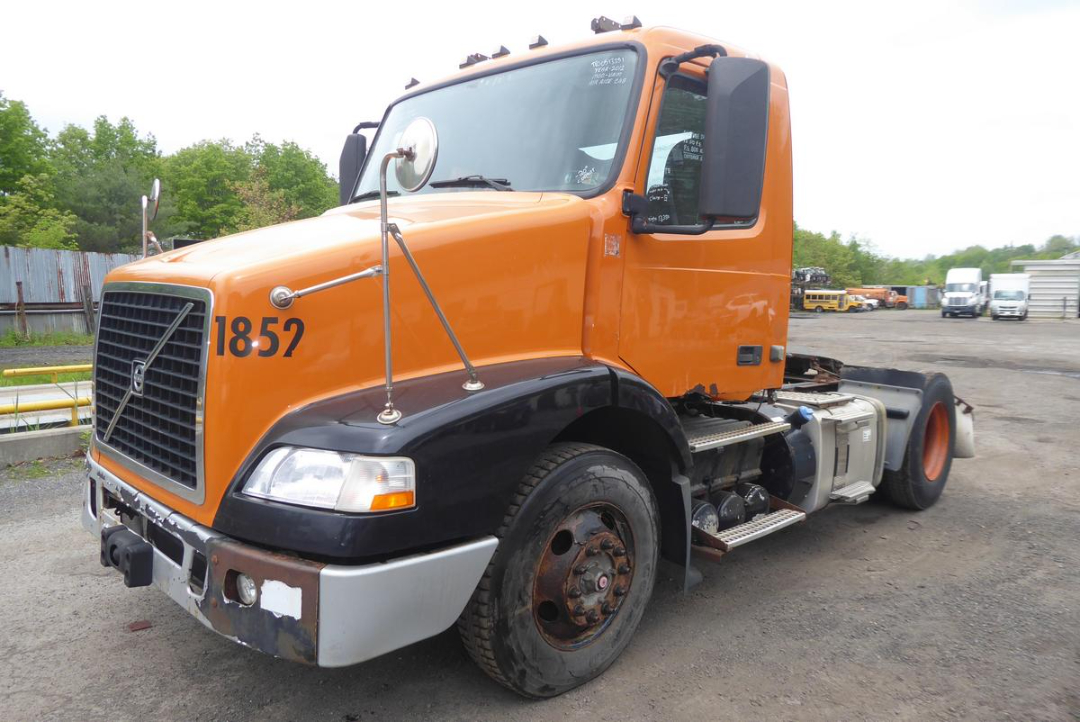
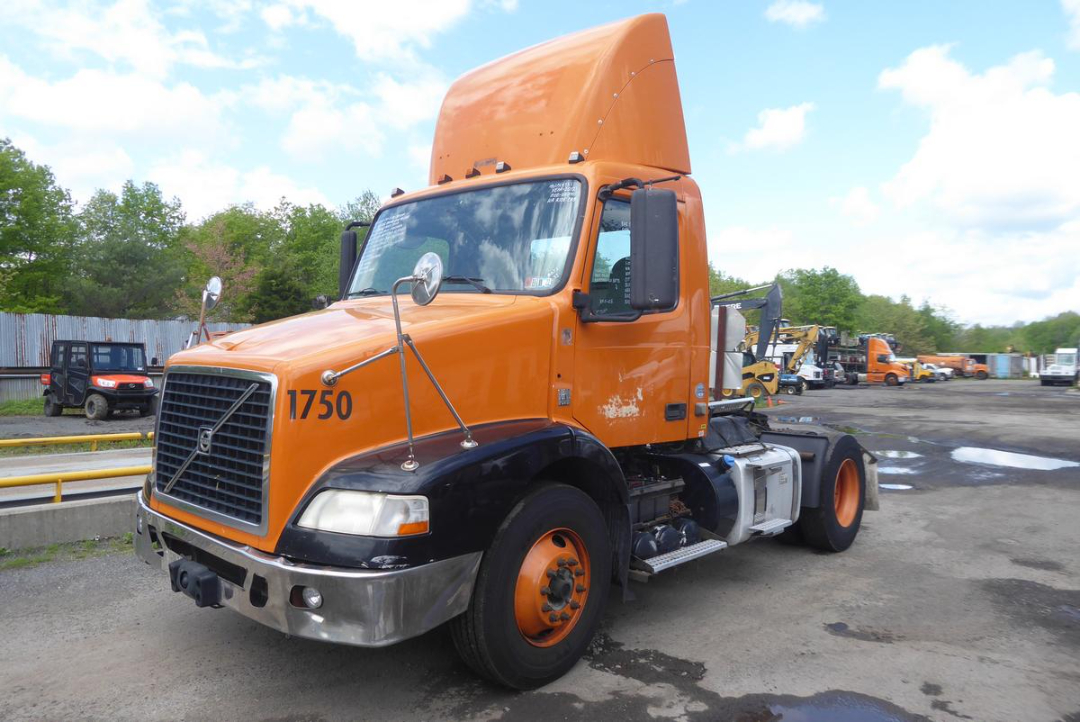
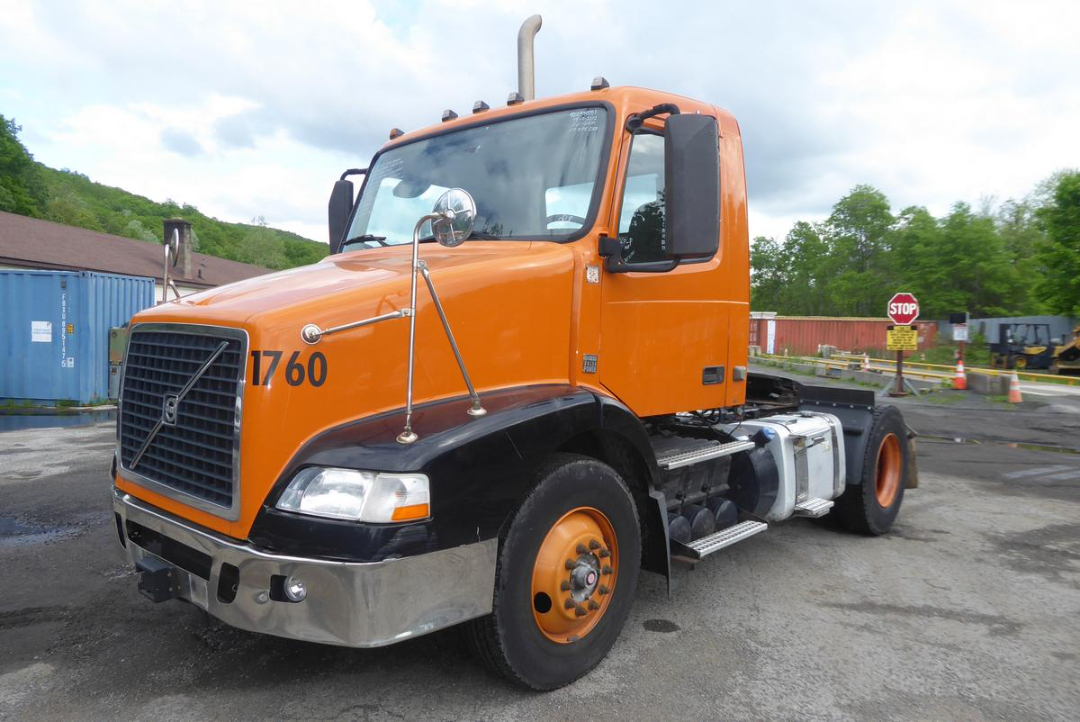
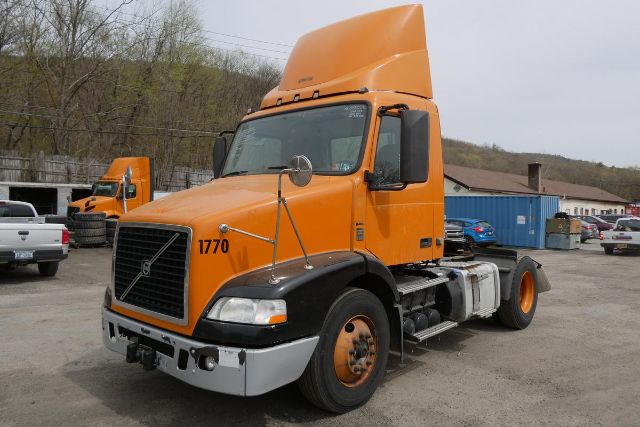
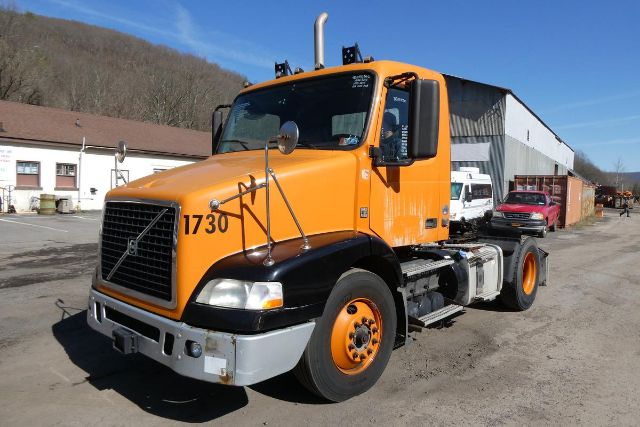
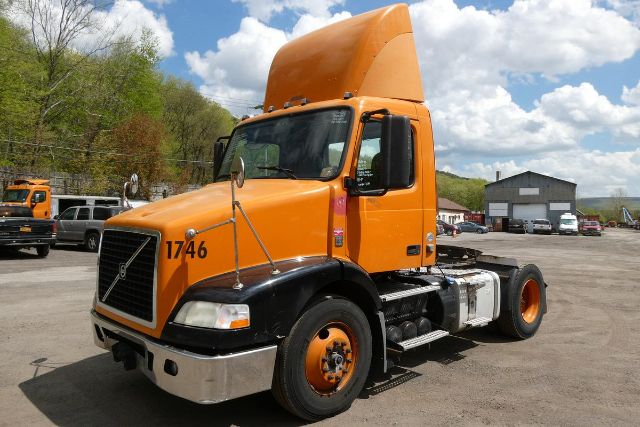
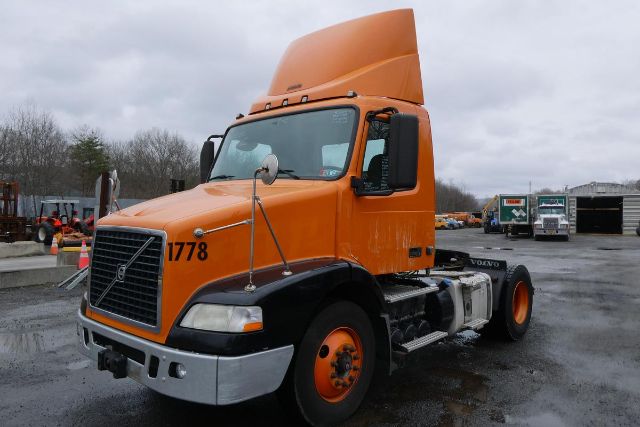
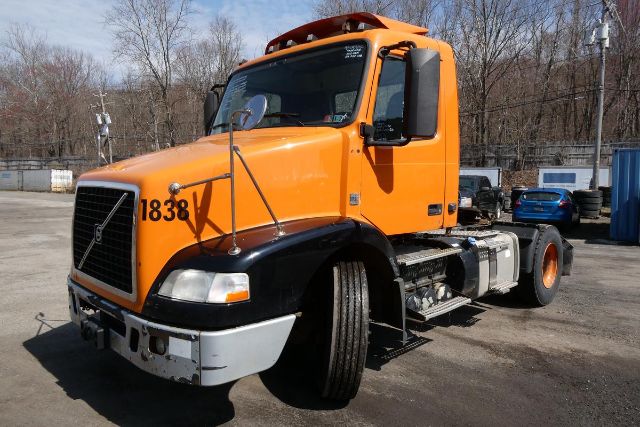
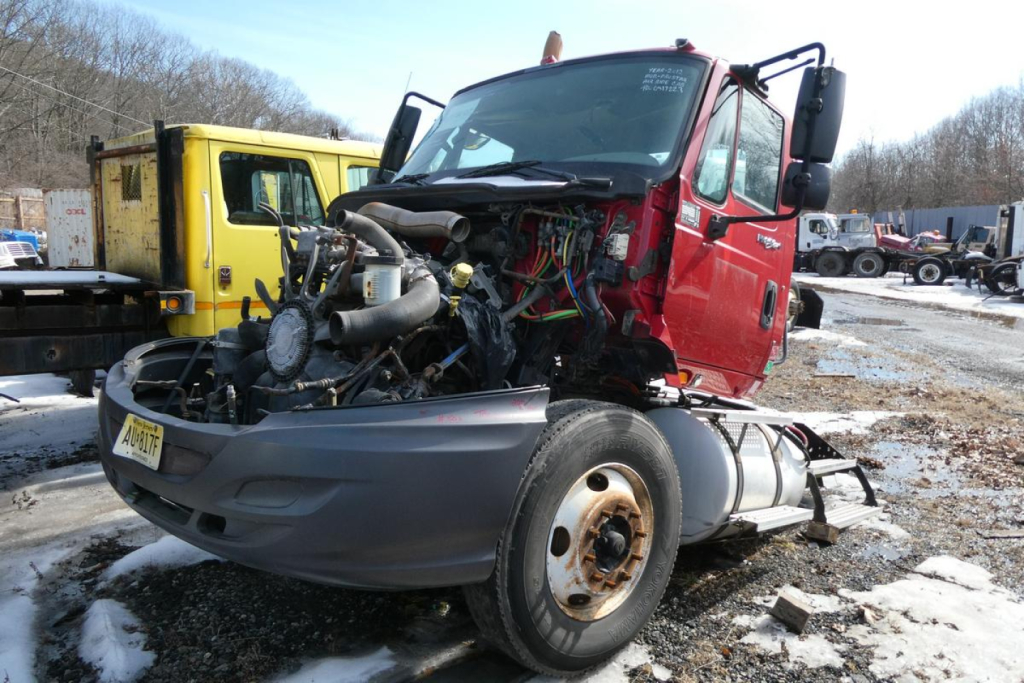
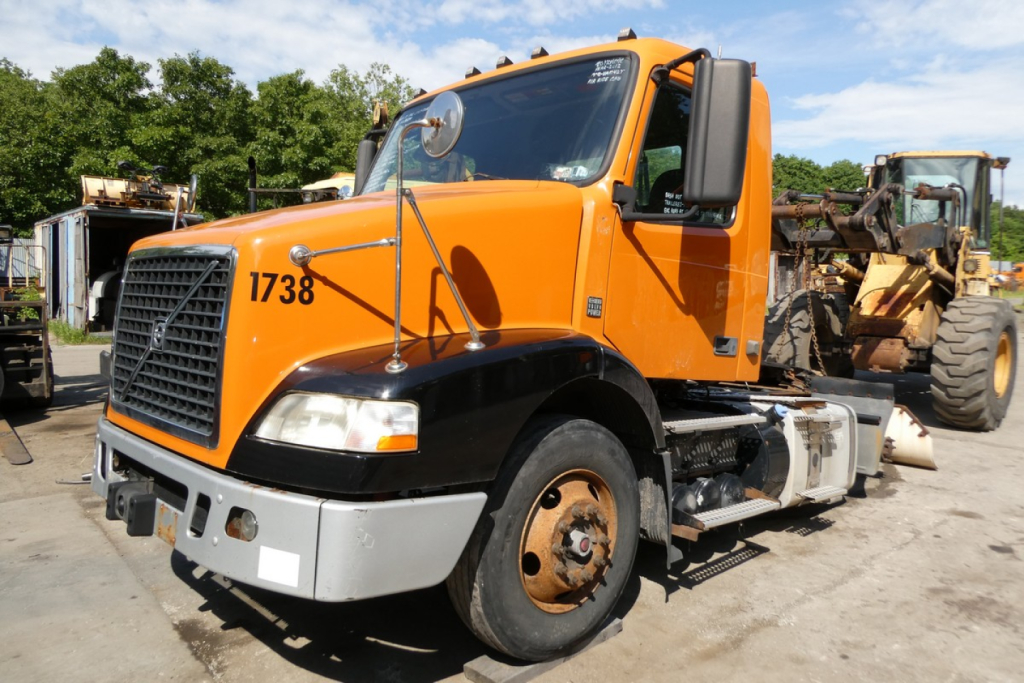
2012 Volvo VNM42T
21,114 mi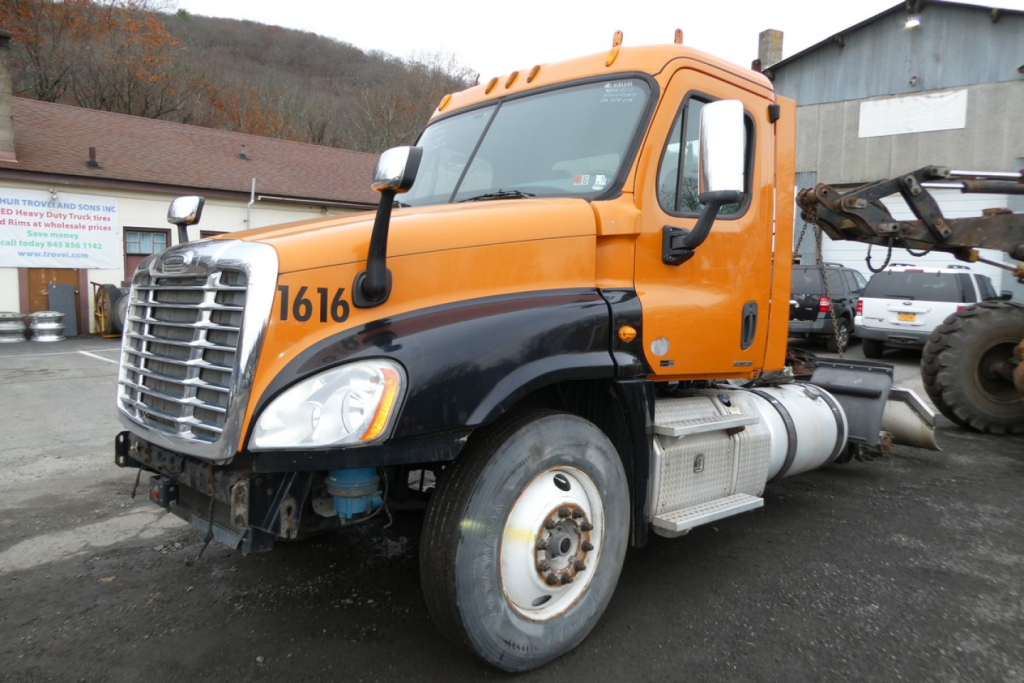
Showing 1 to 24 of 43 results
Have 2012 commercial truck to sell? List it here to reach thousands of buyers.
2012 Commercial Trucks in New York
On 2012 highway and regional tractors, common configurations include 4x2 and 6x4 setups, 10-speed manuals, early automated manuals, and diesel engines such as the Detroit DD13, Volvo D11, and Volvo D13. GVWR and axle ratings vary widely, but many day cabs from this year fall into 35,000-pound class specs with 12,000-pound front axles and 23,000-pound rears on single-axle units, while tandem-axle road tractors move into much heavier ratings. Ratios around 3.42 are common on regional day cabs because they balance startability with road speed. Buyers comparing listings should look closely at wheelbase, cab-to-axle, and fifth wheel type because those details affect trailer swing clearance, bridge law flexibility, and how well the truck fits local or port work.
Emissions equipment is a major checkpoint on 2012 trucks. This was firmly in the DEF era, so a buyer should confirm the condition of the SCR system, DPF service history, doser performance, sensors, and any fault-code activity. Engine hours matter just as much as odometer mileage, especially on trucks that spent years in PTO, idle, municipal, or yard service. A lower-mile truck can still have significant wear if the hour meter is high. Service records, ECM readings, brake life, tire age, suspension condition, and signs of oil or coolant leaks will tell more than the model year alone.
If the truck is vocational, the upfit deserves as much scrutiny as the chassis. Bucket trucks, yard spotters, utility bodies, and other work trucks from 2012 may still offer strong value, but hydraulic systems, PTO operation, boom controls, body corrosion, and rear frame integrity need a careful inspection. In New York, buyers often prioritize all-steel wheels, accessible parts support, simple driveline specs, and drivetrains that local shops already know how to work on. A well-matched 2012 truck can still be a dependable revenue unit if the spec, maintenance history, and application line up.
Frequently Asked Questions about 2012 Commercial Trucks in New York
What should I check first on a 2012 used truck?
Start with the truck’s application history, engine hours, mileage, and maintenance records. On a 2012 model, the condition of the emissions system is especially important, including DEF components, DPF service history, active fault codes, and evidence of prior deletions or improper repairs. After that, inspect the frame, suspension, brakes, tires, steering components, cab structure, and any signs of corrosion or fluid leaks. For New York trucks, rust on frame rails, crossmembers, and body mounts deserves close attention.
Are 2012 trucks pre-DEF or DEF-equipped?
Most 2012 diesel trucks are DEF-equipped and use SCR emissions systems. That means the buyer should expect DEF tanks, dosing equipment, sensors, and aftertreatment components to be part of normal inspection and maintenance. A clean-running 2012 truck can still be a solid purchase, but emissions health needs to be verified with diagnostic scans, service paperwork, and a road test whenever possible.
Is a 2012 day cab still a good choice for local or regional work?
Yes, a 2012 day cab can still make sense for local haul, regional freight, port work, dump service, and dedicated trailer operations if the truck is correctly spec'd and maintained. Many trucks from this year were built with dependable manual transmissions, common axle ratings, and serviceable wheelbase options that still fit today’s work. The key is to confirm that horsepower, rear ratio, axle configuration, and fifth wheel setup match the loads and routes the truck will actually run.
Why do engine hours matter on a 2012 truck?
Engine hours help explain wear that mileage alone can hide. A truck used in yard service, PTO work, utility service, or heavy idling can show moderate miles but still have substantial engine and aftertreatment wear. Comparing odometer, ECM mileage, and engine hours gives a better picture of real use. High hours are not automatically a deal breaker, but they should push the buyer to look harder at idle-related wear, emissions condition, and maintenance quality.
What is the biggest difference between a 2012 highway truck and a 2012 vocational truck?
The chassis spec and the upfit determine most of the difference. A highway truck is usually built around road speed, fuel economy, axle ratio balance, and trailer compatibility. A vocational truck is often geared for PTO use, jobsite durability, hydraulic operation, heavier suspension, or specialized body equipment such as a bucket, utility body, or yard spotter setup. On a vocational 2012 truck, the body, hydraulics, and auxiliary systems can be just as important as the engine and transmission.