
2012 Ford Trucks For Sale in New York
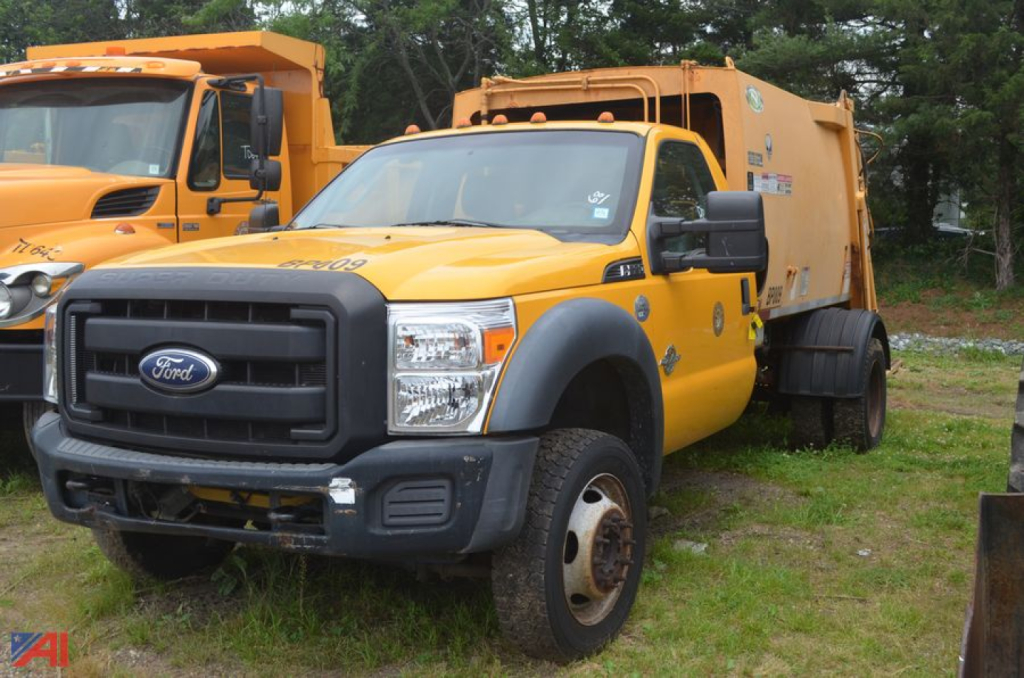
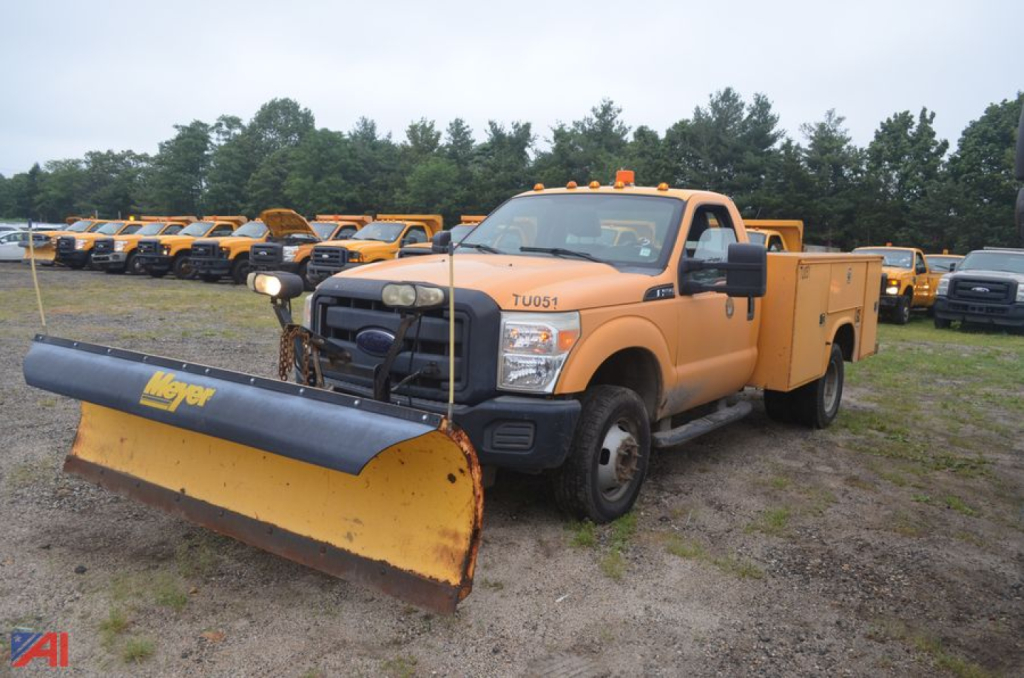
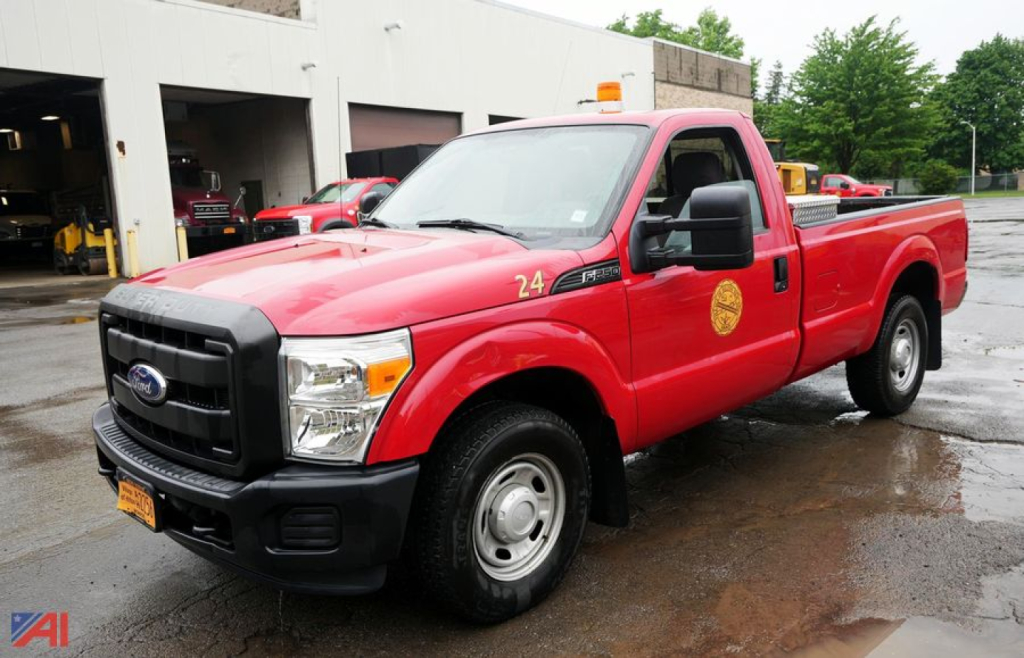
Shop 2012 Ford trucks in New York. Compare Super Duty, medium-duty, and vocational Ford models by GVWR, cab style, engine, and upfit.
Learn more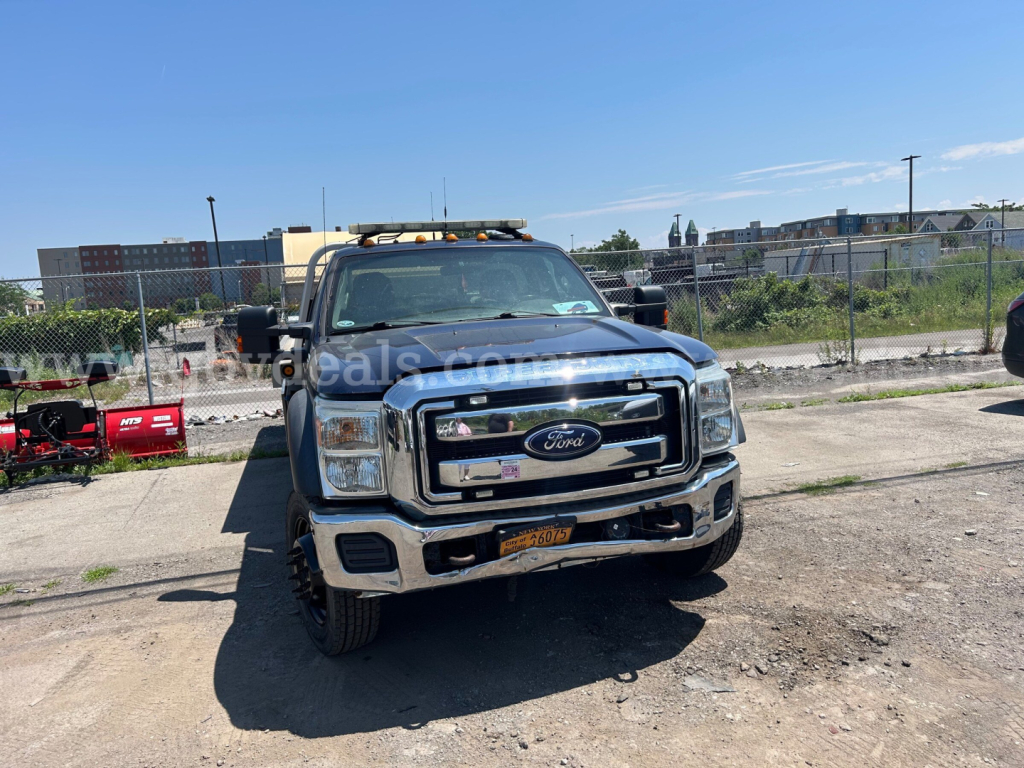
Have 2012 ford truck to sell? List it here to reach thousands of buyers.
About 2012 Ford Trucks in New York
Powertrain matters on any used 2012 Ford truck because operating cost and service history can vary significantly by engine. In this model year, many commercial buyers look closely at the 6.2L gas V8 and the 6.7L Power Stroke diesel in Super Duty applications. The gas engine is often preferred for lighter annual mileage, easier cold-weather operation, and lower repair exposure. The diesel is better suited to towing, heavier payloads, and sustained highway use, but condition of the emissions system, turbo, fuel system, and idle history deserves extra scrutiny. Transmission performance under load, PTO compatibility on chassis cab models, and evidence of proper maintenance are more important than odometer reading alone on vocational trucks.
Body and upfit condition usually determine real value. A 2012 Ford dump truck should be checked for hoist operation, floor and sidewall corrosion, spreader or plow wiring, and front axle wear if it spent winters on snow duty. Service and utility bodies should be inspected for compartment rust, crane or compressor integration, PTO operation, and signs of frame modification. Flatbeds, landscape bodies, and contractor setups need careful review of deck condition, rub rails, hitch equipment, and rear suspension capacity. In New York, road salt exposure makes cab corners, rockers, brake lines, spring hangers, bed mounts, and underbody corrosion especially important on any 2012 unit.
A strong 2012 Ford truck is usually defined by configuration fit, not just age. Regular cab trucks remain common in municipal and contractor fleets, while SuperCab and Crew Cab versions are easier to use for multi-person crews. Four-wheel drive can be a major advantage for construction access, snow work, and rural routes, but it adds cost and front-end wear points. Buyers should confirm axle ratio, towing equipment, brake controller setup, tire size, and whether the truck’s current body matches the original application. On used vocational Ford trucks, the best purchase is typically the one with the right wheelbase, clean frame, documented service, and a body that still fits the job without immediate rework.
Frequently Asked Questions
What are the most important things to check on a used 2012 Ford truck?
Start with the truck’s actual configuration and service history. Confirm GVWR, wheelbase, cab-to-axle, axle ratings, and whether it is a pickup or chassis cab. Then inspect frame condition, rust, brake and fuel lines, spring hangers, steering components, and body mounts. On diesel trucks, pay close attention to the emissions system, turbo response, fuel system health, and excessive idle hours. On gas trucks, check for transmission shift quality, cooling system condition, and signs of hard vocational use. A commercial truck with the right spec and a clean maintenance record is usually a better buy than one with lower miles but poor setup or corrosion.
Is the 6.2L gas or 6.7L diesel better in a 2012 Ford commercial truck?
The better engine depends on the work cycle. The 6.2L gas V8 is often a practical choice for local routes, lighter payloads, municipal work, and buyers who want simpler maintenance and lower repair risk. The 6.7L Power Stroke diesel is generally the stronger option for heavier towing, higher annual mileage, and sustained loaded operation. Diesel trucks can deliver better pulling performance, but buyers should budget for closer inspection of emissions components and fuel system condition. The right answer is based on duty cycle, not just fuel type.
Which 2012 Ford truck models are most common in commercial use?
The most common commercial Ford trucks from 2012 are the F-250, F-350, F-450, and F-550 Super Duty models, especially in chassis cab form. These trucks were widely used for dump bodies, utility bodies, flatbeds, mechanics trucks, landscape bodies, and snowplow setups. F-350 and F-450 units often appear in towing and contractor applications, while F-550 trucks are common where buyers need higher GVWR and a more serious upfit platform. The exact model matters less than how the truck was ordered and equipped for its intended work.
Why is New York rust such a big issue on 2012 Ford trucks?
New York road salt can shorten the life of any truck’s underbody and working components, especially on older vocational units. Corrosion often shows up on cab corners, rocker panels, frame surfaces, brake lines, fuel lines, bed crossmembers, plow mounts, suspension hangers, and electrical connections. Surface rust is common, but scaling, perforation, and rust around structural attachment points can turn a usable truck into a costly project. A careful underbody inspection is one of the most important steps when evaluating a 2012 Ford truck from a Northeast fleet or municipality.
What specs matter most when buying a 2012 Ford chassis cab or work truck?
The key specs are GVWR, wheelbase, cab-to-axle, rear axle rating, suspension type, axle ratio, and drivetrain. Those measurements determine what bodies the truck can carry and how well it will handle payload, trailer weight, and PTO-driven equipment. Buyers should also verify cab style, two-wheel drive versus four-wheel drive, tire and wheel rating, hitch setup, and any existing body or hydraulic equipment. On a work truck, correct spec is what determines usability and resale value.