
2011 Trucks For Sale in New York
Browse 2011 trucks for sale in New York, including day cabs, vocational trucks, dump trucks, and medium-duty to heavy-duty work trucks.
Learn more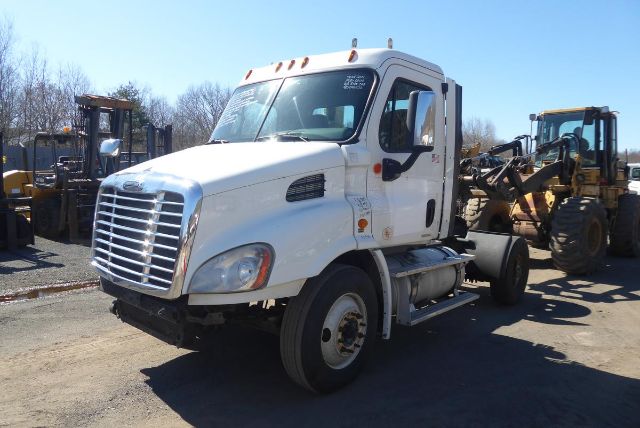
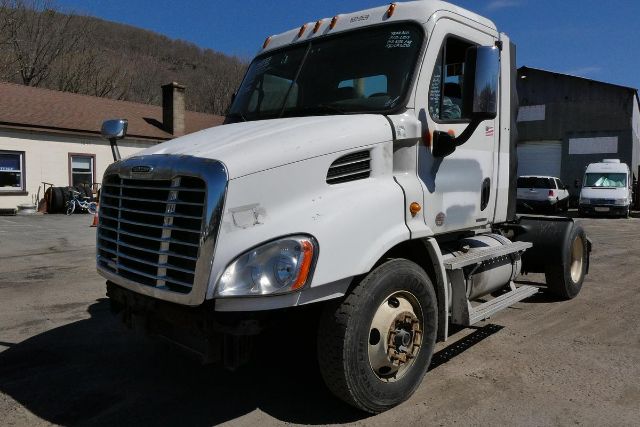
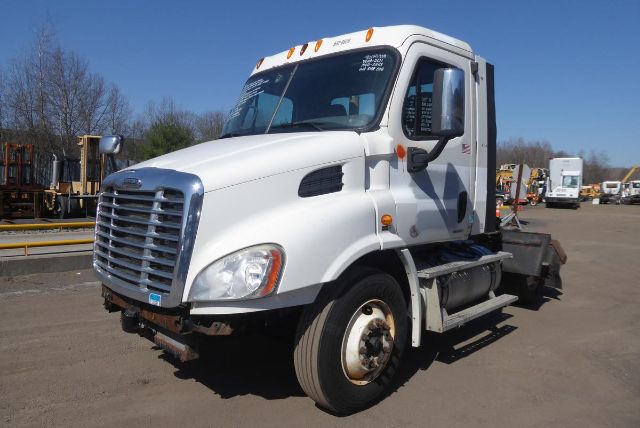
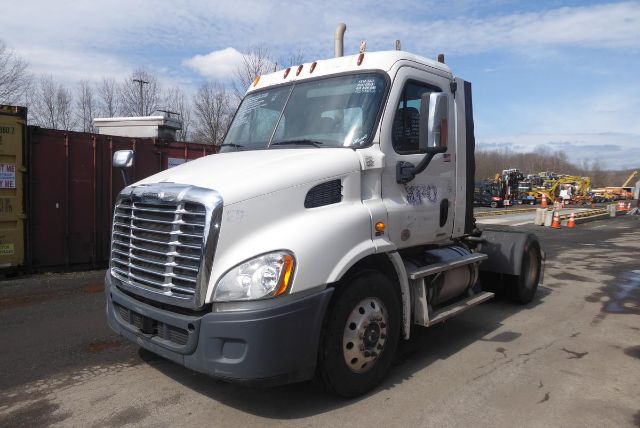
Showing 13 to 18 of 18 results
Have 2011 truck to sell? List it here to reach thousands of buyers.
About 2011 Trucks in New York
For highway and regional use, 2011 trucks commonly show up with 4x2 and 6x4 drivetrains, wheelbases suited to either tight urban delivery or heavier tandem-axle work, and engines in the mid-range to 450-plus horsepower class. Buyers comparing conventional day cabs should look closely at engine family, transmission type, rear axle ratio, and suspension spec. A 10-speed manual, automated manual, or automatic each changes driver acceptance, service cost, and route efficiency. Front axle ratings around 12,000 pounds and rear ratings from 20,000 to 40,000 pounds are common depending on class and vocation. On trucks that will spend time in city traffic or on short hauls, turning radius, cab-to-axle measurement, and fifth wheel setup can matter as much as horsepower.
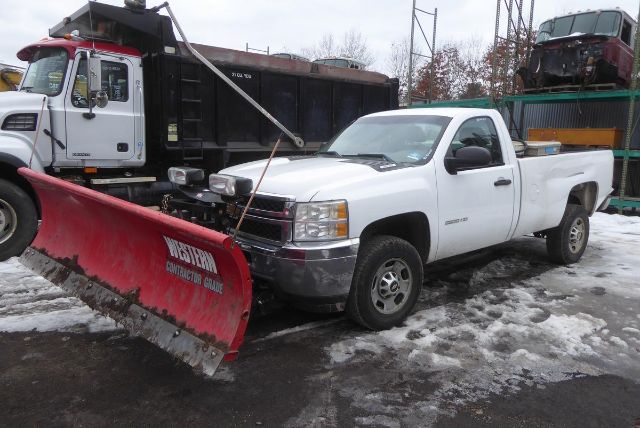
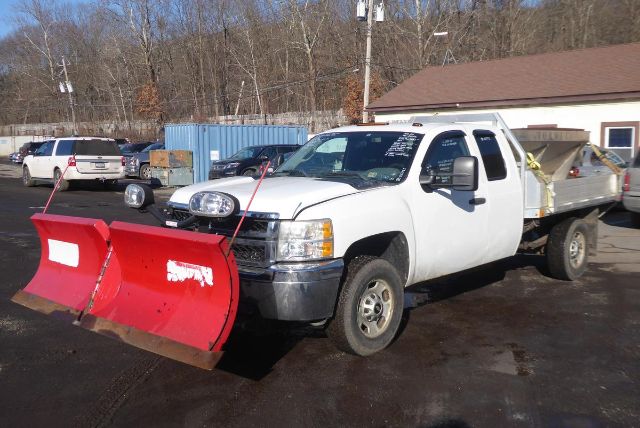
For vocational and municipal work, a 2011 truck can be a strong fit if the chassis matches the body and seasonal duty cycle. Dump trucks, plow trucks, and utility units need more scrutiny on frame condition, hydraulic operation, PTO setup, rust, and front-end wear, especially in New York where road salt can shorten the life of electrical connections, cab corners, crossmembers, brake components, and spreader or plow mounting points. Buyers should inspect spring hangers, steering linkage, hoist mounts, body floor condition, and any signs of corrosion around wiring, air tanks, and fuel systems. On medium-duty trucks, GVWR, brake type, and body integration are often more important than brand preference alone.
The biggest buying question on a 2011 truck is usually emissions system history. Many trucks from this year use diesel particulate filter systems, and some may also include DEF depending on engine make and configuration. Service records for DPF cleaning, injector work, EGR components, turbochargers, aftertreatment repairs, and clutch or automated transmission service can tell you more than cosmetics. Buyers should compare engine hours against odometer readings, verify ECM data when available, and confirm that the truck's axle ratio, tire size, and transmission match its intended speed and payload. A well-spec'd 2011 truck can still be a productive regional, vocational, or municipal asset if the maintenance history supports the chassis.
Frequently Asked Questions
What should I look for first when buying a 2011 used truck in New York?
Start with the truck's intended job, then verify that the axle configuration, GVWR, wheelbase, and powertrain fit that application. After that, inspect for rust and corrosion, especially on frames, crossmembers, cab mounts, brake lines, electrical connectors, and body mounting areas. In New York, salt exposure can be a bigger long-term cost factor than miles alone, so underbody condition and service history deserve close attention.
Are 2011 trucks affected by emissions system concerns?
Yes. Many 2011 trucks operate with DPF-based emissions systems, and some also use DEF depending on engine family and spec. Buyers should ask for records covering DPF cleaning, EGR work, sensors, dosers, turbocharger service, and any derate or regen-related repairs. A truck with documented aftertreatment maintenance is usually a safer buy than one with an unclear emissions history.
Is a 2011 truck too old for regional hauling or local fleet use?
Not necessarily. A 2011 truck can still be a sound regional or local unit if the chassis has been maintained and the spec matches the route. Day cabs, dump trucks, and municipal trucks from this year are still useful in operations where absolute newest-model fuel economy is less important than upfront value, simpler financing targets, and manageable annual miles. Condition, maintenance records, and component life matter more than model year by itself.
What specs matter most on a 2011 day cab or highway truck?
Focus on engine make and horsepower, transmission type, axle ratio, suspension, brake spec, and wheelbase. A 4x2 day cab with a lighter tare weight may work well for regional lanes and urban shuttle work, while a 6x4 tandem axle setup is more appropriate for heavier loads and tougher traction conditions. Cab-to-axle length, fifth wheel position, and rear suspension rating also affect trailer compatibility and handling.
What is the difference between buying a 2011 vocational truck and a 2011 highway truck?
A vocational truck should be evaluated as a chassis-and-body package, not just as a powertrain. On dump trucks, plow trucks, and similar units, buyers need to inspect PTO operation, hydraulics, hoists, body condition, plow frames, front axle wear, and evidence of hard seasonal service. A highway truck is judged more by drivetrain efficiency, mileage, cab condition, and fifth wheel setup. The right inspection points depend heavily on the job the truck was built to do.