
2007 Commercial Trucks For Sale in Nebraska
Browse 2007 trucks for sale in Nebraska. Compare specs, emissions, GVWR, axle setups, and applications for regional, vocational, and farm use.

Selling a 2007 commercial truck? List your 2007 commercial truck for sale and reach thousands of commercial buyers.
2007 Commercial Trucks in Nebraska
One of the biggest buying decisions on a 2007 truck is emissions equipment. Many 2007 heavy-duty trucks fall into the first generation of diesel particulate filter, or DPF, emissions systems, while some early-build units may differ depending on engine family and build date. That matters for maintenance planning, downtime risk, and where the truck will run. Buyers should verify the engine serial number, emissions label, aftertreatment configuration, and service history rather than relying only on the model year. It also pays to look closely at horsepower and torque ratings, rear axle ratio, wheelbase, suspension type, and brake setup. In Nebraska, where loads and routes can shift between interstate miles, county roads, and seasonal field access, the right ratio and suspension spec can matter as much as engine brand.
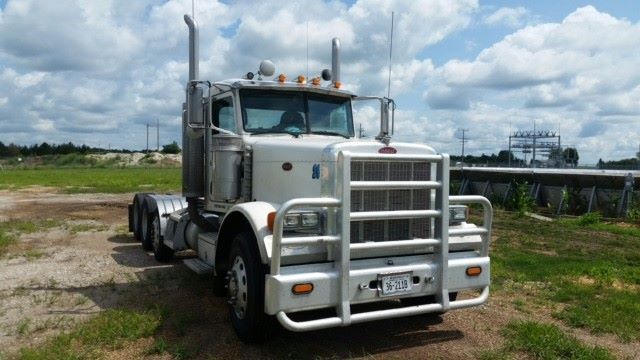
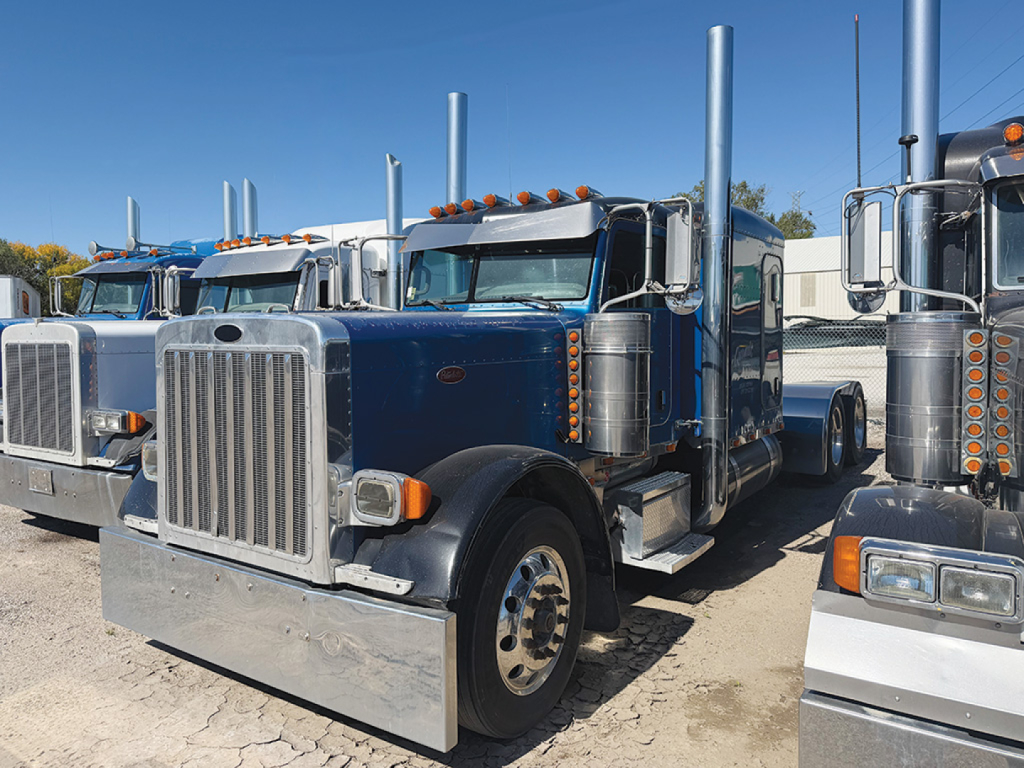
Application should drive the spec. A 2007 conventional day cab is commonly used for local and regional freight, hopper, tanker, dump, feed, and ag-related work. Sleeper models are more common in longer regional and over-the-road service, with wheelbases, fuel capacity, and cab fairings that support linehaul use. Medium-duty 2007 trucks often show up as box trucks, flatbeds, service trucks, and utility bodies where GVWR, PTO capability, and body compatibility are more important than sleeper space or fuel range. Buyers should also check front axle ratings, rear axle capacity, frame condition, fifth wheel or body mounting area, tire size, and signs of prior vocational stress like cracked hangers, hard-used suspensions, or corrosion around crossmembers and electrical connections.
Condition matters more than age in this category. A well-maintained 2007 truck with documented engine work, transmission service, brake records, and consistent grease intervals can be a better value than a newer truck with poor maintenance history. Pay attention to blow-by, coolant condition, fault codes, suspension wear, kingpins, driveline vibration, clutch life on manual units, and any evidence of injector, turbo, EGR, or DPF issues. Nebraska buyers should also look for cold-weather starting performance, cab heater function, and rust or contamination from fertilizer, road treatment, and farm use. The best 2007 truck is the one whose axle layout, emissions system, and maintenance record fit the job it will actually do.
Frequently Asked Questions about 2007 Commercial Trucks in Nebraska
Are 2007 trucks a good choice for commercial use in Nebraska?
A 2007 truck can be a strong value for commercial use if the truck was spec'd correctly and maintained well. This model year is attractive to many buyers because it may offer a simpler cab and chassis than newer trucks while still providing modern diesel power, air ride options, and vocational flexibility. In Nebraska, that can make sense for agriculture, construction, regional freight, and municipal or service work. The key is to evaluate maintenance records, frame and suspension condition, axle ratings, and the emissions system before purchase.
Do 2007 trucks have emissions equipment that requires special attention?
Yes. Many 2007 heavy-duty trucks are tied to early diesel emissions systems, especially diesel particulate filter setups introduced around that period. Early DPF trucks can be dependable, but buyers should confirm the exact engine family, aftertreatment components, and service history. A truck with repeated regeneration issues, sensor faults, or poor maintenance can become expensive quickly. Engine serial number verification and a proper diagnostic scan are more useful than assuming all 2007 trucks are equipped the same way.
What specs matter most when comparing 2007 trucks for sale?
The most important specs depend on the work, but buyers usually start with GVWR, axle configuration, engine rating, transmission type, rear axle ratio, wheelbase, and suspension. A day cab used for local grain or construction work may need a different ratio and wheelbase than a sleeper set up for regional hauling. Medium-duty trucks should be checked for body compatibility, PTO provisions, and front axle capacity. Tire size, brake type, and fifth wheel or frame layout also affect how easily the truck fits a specific application.
What should I inspect first on a used 2007 truck?
Start with the engine, aftertreatment system if equipped, transmission operation, and the structural condition of the chassis. Check for blow-by, fluid contamination, active fault codes, hard starting, uneven idle, and signs of cooling system neglect. Then inspect the frame rails, suspension bushings, spring hangers, kingpins, steer axle wear, driveline components, and brake condition. If the truck was used in farm or vocational service, pay extra attention to wiring repairs, PTO operation, and corrosion around body mounts, crossmembers, and air system components.
Is a 2007 day cab or sleeper the better buy?
Neither is automatically better. A 2007 day cab is usually the better fit for local hauling, short regional lanes, farm support, and vocational work where lighter tare weight and a shorter wheelbase are advantages. A 2007 sleeper is better suited to longer regional or over-the-road use where fuel capacity, driver comfort, and bunk space matter. The right choice depends on route length, payload goals, trailer type, and how much maneuverability the job requires.