
1996 Commercial Trucks For Sale
Browse 1996 trucks for sale featuring pre-emissions engines, proven 10-18 speed drivetrains, and key tips on specs, compliance, and maintenance.
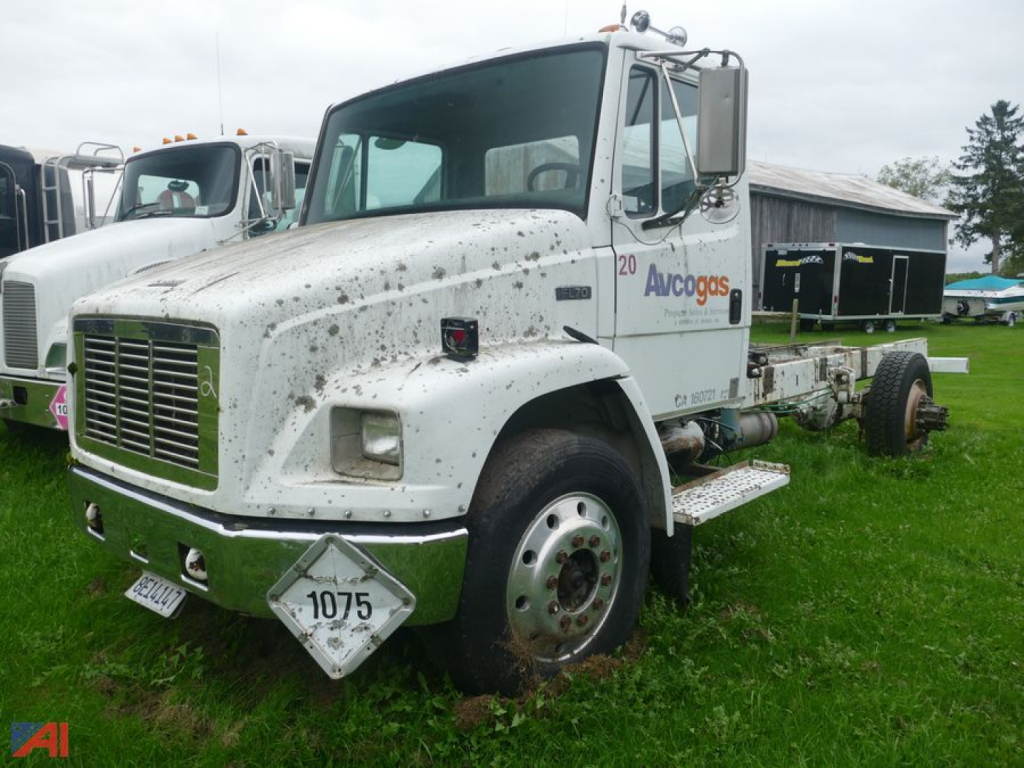
Selling a 1996 commercial truck? List your 1996 commercial truck for sale and reach thousands of commercial buyers.
1996 Commercial Trucks
A buyer will see both classic long-hood conventionals like Peterbilt 379 and Kenworth W900 and early aero tractors such as Freightliner FLD120 with aero packages and the first-generation Volvo VN. Day cabs and 36 to 72 inch sleepers are typical. These 1996 semi trucks and vocational trucks also known as dump trucks, box trucks, and service trucks can still fit modern work. A properly geared tractor can pull 53 ft van, reefer, or flatbed trailers. Be mindful of regional rules. California’s Truck and Bus Regulation and certain port drayage rules restrict older diesel engines on public roads. Pre-2000 engine-year trucks may qualify for the federal ELD exemption, which some buyers consider a strategic advantage.
Age and care matter more than brand. Look for documentation of in-frame overhauls, head work, turbo replacements, clutch and rear-end service, and suspension bushing updates. Verify odometer against ECM miles and hours where available; many 1996 ECMs communicate via J1708 and J1587, so plan diagnostics accordingly. Inspect frames for scaling or cracks around crossmembers and suspension hangers. Cooling systems, charge air coolers, and radiators deserve close attention, as do air system dryers and ABS components. Most units use S-cam drum brakes; early ABS may be 2S/1M or 4S/4M. Electrical harness aging, gauge issues, and HVAC performance are common items to check. By 1996, R-134a A/C was standard on most models, which simplifies service.
The appeal of a 1996 truck is mechanical simplicity, solid fuel economy for the era, and lower acquisition cost. Parts support for Series 60, N14, and 3406E remains strong, and common wear items are widely available. Match wheelbase, suspension type, and tire size 22.5 or 24.5 to the job. For vocational work, walking beam or heavy-duty air ride with double frame sections can pay off off-road. For linehaul, an aero tractor with 3.42 to 3.55 rears and a 13 speed offers a good blend of pull and cruise rpm. The right 1996 commercial truck is the one with verifiable maintenance, clean oil samples, tight steering and suspension, sound wiring, and gearing that suits your routes.
Frequently Asked Questions about 1996 Commercial Trucks
What are the main pros and cons of buying a 1996 semi truck?
Pros include pre-emissions simplicity, strong parts availability for popular engines, and lower purchase price. Many drivers like the drivability of mechanical or early electronic engines without EGR, DPF, or SCR. Cons include age-related wear, fewer safety features, possible wiring deterioration, and regulatory limits in certain states and port zones. Budget for baseline refresh items like tires, brakes, cooling system components, suspension bushings, and possibly a clutch or in-frame if not recently done.
Which engines are common on 1996 heavy duty trucks and can I still get parts?
You will frequently see the Detroit Series 60 12.7L, Cummins N14, and Cat 3406E in the 370 to 500+ hp range. Parts support for these engines remains strong through OEM and aftermarket channels, including injectors, turbos, electronics, and in-frame kits. Medium duty models often use the International DT466E, Cummins C8.3, and Cat 3116/3126, which also have solid parts availability. Focus on service history and verify ECM data where applicable.
Can I run a 1996 truck in California and is it ELD exempt?
Many jurisdictions allow 1996 trucks on the road, but California’s Truck and Bus Regulation significantly restricts older diesel engines on public highways, and some port drayage zones also limit entry. Always confirm current state and local rules. Federally, trucks with an engine model year prior to 2000 may qualify for the ELD mandate exemption. Verify the engine year on the dataplate, especially if the engine has been swapped.
What should I inspect before buying a 1996 commercial truck?
Confirm maintenance records, look for evidence of recent in-frame or top-end work, and request oil analysis and any dyno sheets. Inspect frame rails, crossmembers, and suspension hangers for cracks or rust. Check for blow-by, coolant contamination, and charge air cooler leaks. Evaluate brakes and ABS function, steering play, and tire wear patterns. Test all electricals and HVAC. For tractors, inspect the fifth wheel, airlines, and electrical pigtail. Scan the ECM on J1708/J1587 where available to compare miles and hours with the odometer.
Will a 1996 tractor handle modern 53 ft trailers and highway speeds?
Yes, with the right gearing and power it will. A common highway setup is a 12.7L Series 60 or N14 with 3.42 to 3.55 rears and a 13 speed, which cruises comfortably at legal highway speeds with a 53 ft van or reefer. Verify wheelbase and bridge compliance for your routes, and match tire size and axle ratios to your terrain and target cruise rpm.