
1991 Commercial Trucks For Sale
Shop 1991 trucks for sale. Pre-emissions power, proven drivetrains, and vocational builds. Compare specs, compliance, and maintenance trade-offs.
Selling a 1991 commercial truck? List your 1991 commercial truck for sale and reach thousands of commercial buyers.
1991 Commercial Trucks
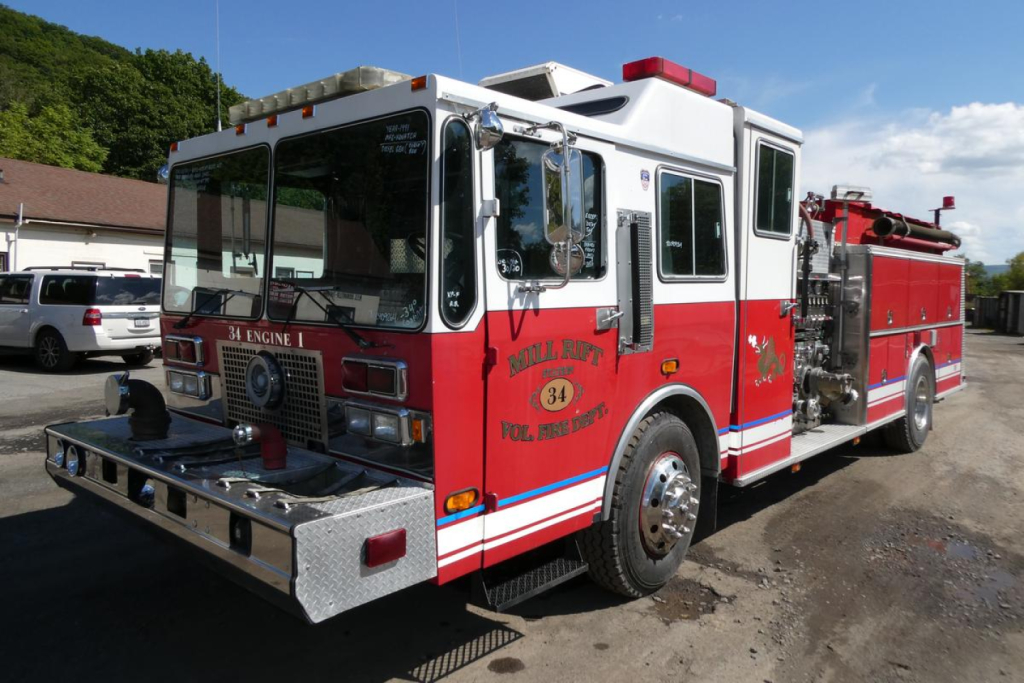
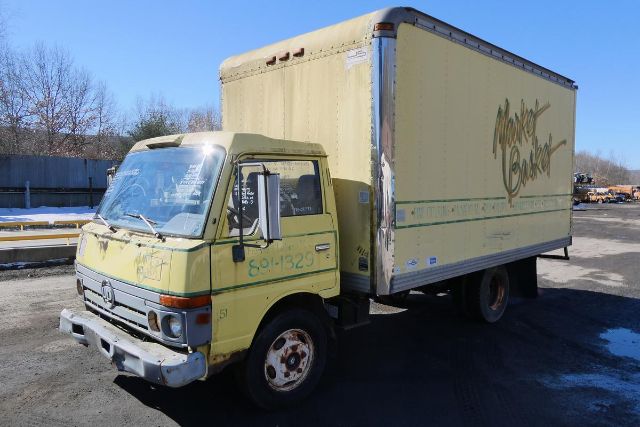
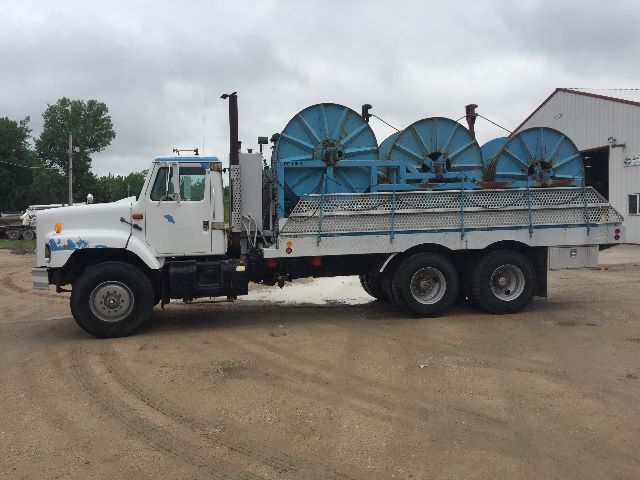
This model year spans highway tractors and hard-use vocational trucks. You’ll see spring or air-ride suspensions, tandem rears usually rated 34k-46k, and gear ratios in the 3.55-4.33 range depending on terrain and duty cycle. Many units still run stud-piloted wheels or spoke/Dayton hubs on vocational frames; hub-piloted conversions are possible but add cost. Brakes are S-cam drums almost universally, often without ABS. Straight trucks from 1991 commonly include dry vans, reefers, dumps, mixers, bucket and service bodies, with PTO or wet-kits more common on vocational builds. Longer-nose conventionals like the Peterbilt 379 and Kenworth W900 favor service access and resale among enthusiasts, while FLD and International 9400/9200 offer practical simplicity.
Compliance and regional use matter. California’s Truck and Bus regulation effectively sidelines pre-2010 diesel engines from most on-road use, so 1991 diesel engines generally are not eligible for routine operation in that state or port drayage programs with age limits. Conversely, the federal ELD rule exempts trucks with pre-2000 model-year engines, which many 1991 units have, but hours-of-service rules still apply. Many 1991 systems originally used R12 refrigerant; a documented retrofit to R134a simplifies maintenance. For export buyers or farm, off-highway, and private property fleets, the simpler electronics and robust frames remain attractive.
Inspection should focus on evidence of engine in-frame or out-of-frame rebuilds with paperwork, clean oil samples, stable blow-by, and consistent cold starts. Verify transmission shifts under load, clutch life, driveline U-joints, and rear-end lash. Check frame rails and crossmembers for rust jacking and prior drill-outs, cab mounts and suspension bushings for play, and wiring harnesses for chafe and corroded grounds. Inspect wheel-end seals, brake linings, and drums, and evaluate tires for mixed casings or unusual wear. Inside the cab, test HVAC performance, gauge accuracy, and sleeper components. On tractors, assess fifth wheel condition and slider integrity; on vocational units, inspect PTOs, hydraulics, and body subframes. Older trucks can be excellent values, but the best examples pair clean frames and cabs with verifiable drivetrain history and sensible gearing for your route profile.
Frequently Asked Questions about 1991 Commercial Trucks
Are 1991 semi trucks ELD-exempt?
They can be. The exemption depends on engine model year, not the VIN year. If the engine is model year 1999 or older, the truck is exempt from using an ELD, though hours-of-service limits still apply. Verify the engine’s data plate or ECM tag to confirm model year, especially if the engine has been swapped.
Can a 1991 diesel truck operate in California?
Generally no for routine on-road use. California’s Truck and Bus regulation requires 2010-or-newer diesel engines for most operations. Pre-2010 engines, including 1991 models, are largely excluded from on-road commerce, with only limited specialty or low-use exemptions. Always confirm current CARB requirements for your application.
What engines and transmissions are common on 1991 trucks, and are parts still available?
Common engines include Detroit Series 60 (early DDEC), Caterpillar 3406B/3406C, and Cummins Big Cam IV or early N14, typically matched to Eaton Fuller 9-, 10-, 13-, or 18-speed manual gearboxes. Parts support remains strong through OEM, reman, and aftermarket channels for these mainstream platforms, including injectors, turbos, cylinder kits, and transmission components.
What should I look for when evaluating a 1991 truck?
Seek documented engine and transmission work, check for excessive blow-by, oil dilution, and coolant contamination, and road test for smooth shifting and stable temps. Inspect frame rails, crossmembers, suspension bushings, and cab mounts for corrosion or fatigue. Review brakes and wheel-ends, confirm electrical grounds and harness condition, and test HVAC. For vocational units, operate the PTO or hydraulics under load and inspect body mounts and subframes.
How do axle ratios and transmissions affect performance on a 1991 truck?
Shorter ratios like 4.10-4.33 improve startability and gradeability for heavy or off-road work but raise cruise RPM and fuel burn. Ratios around 3.55-3.73 suit highway service when paired with direct or overdrive top gears. Multi-speed manuals (13/18) broaden the usable power band for hills and variable terrain, while 9/10-speeds keep things simple for regional or lighter loads.