
1990 Commercial Trucks For Sale in New York
Shop 1990 trucks for sale in New York, including dump, box, day cab, and yard truck options with specs for municipal, regional, and local work.
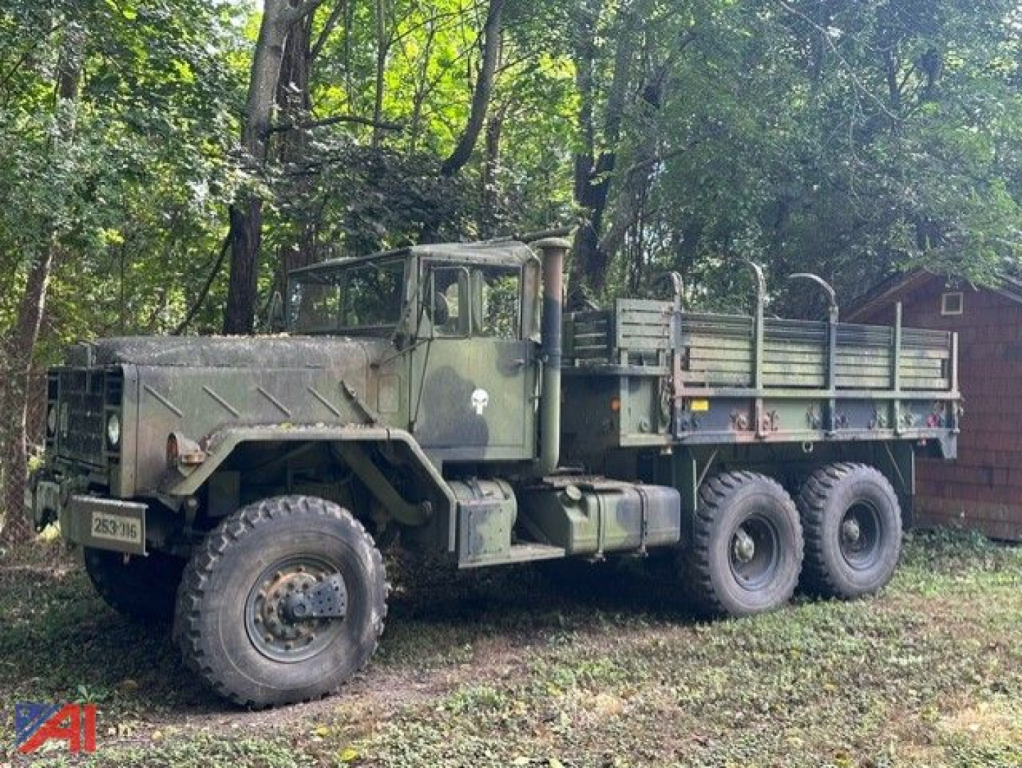
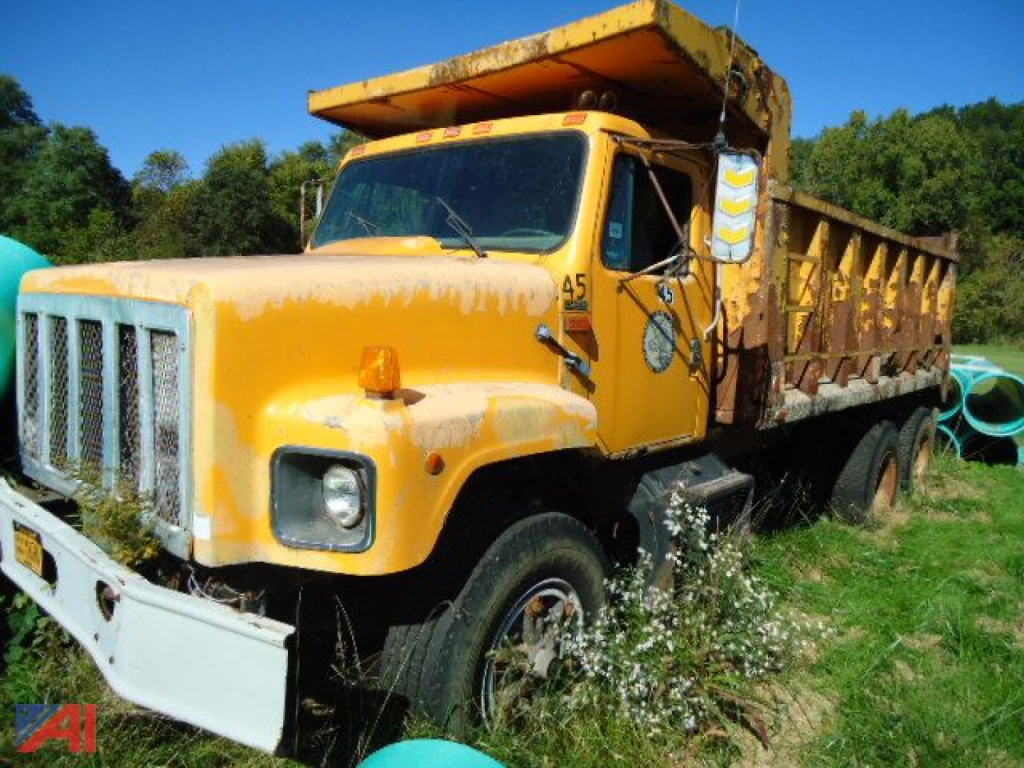
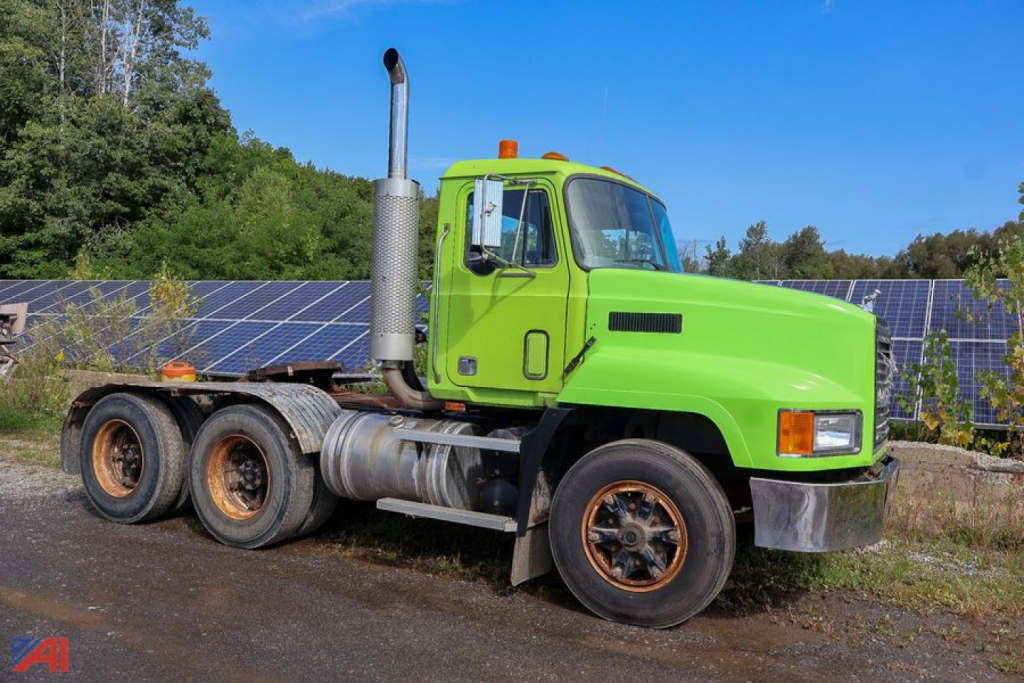
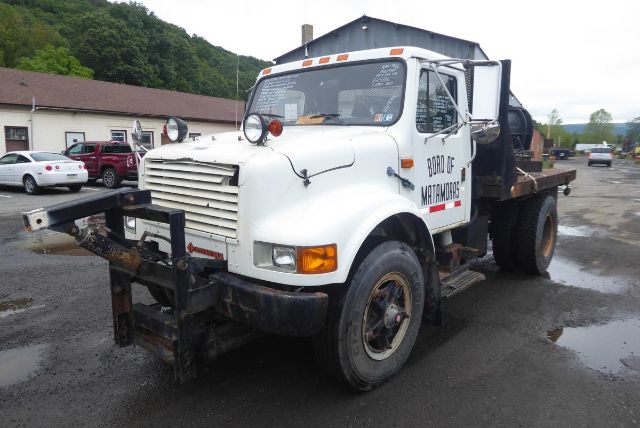
Have 1990 commercial truck to sell? List it here to reach thousands of buyers.
1990 Commercial Trucks in New York
In New York, corrosion is often the deciding factor on any 1990 model truck. Road salt can affect cab mounts, spring hangers, crossmembers, brake lines, dump hoists, box floors, and electrical connections. A solid older truck with cosmetic wear is usually a better buy than a cleaner-looking unit with structural rust or patched frame issues. Common specs in this age range include mechanical or early electronic diesel engines, manual transmissions, spring or basic air ride suspensions, and straightforward hydraulic or PTO-driven vocational equipment. Many buyers also look for pre-emissions simplicity, but that advantage only matters if the truck still has dependable compression, clean cooling performance, and serviceable fuel and air systems.
The right setup depends on the job. A 1990 dump truck is often used for snow work, mulch, stone, and town or contractor duty, where hoist condition, body integrity, axle ratings, and PTO operation are critical. A box truck from this era can still make sense for storage, local delivery, or seasonal routes if the body is dry, the roll-up door seals correctly, and the floor has not separated or rotted. Day cab and yard truck buyers should pay close attention to wheelbase, axle configuration, fifth wheel type, rear ratio, and maneuverability. On any older truck, brake type, tire size, hub style, and parts availability should be verified early because those details affect both operating cost and downtime.
A smart purchase in this category usually comes down to inspection discipline. Check for cold-start behavior, blow-by, clutch feel or automatic shift quality, steering play, suspension wear, driveline vibration, and evidence of active fluid leaks. Confirm that the VIN tag, title, GVWR, and body or hoist specs line up with the truck as equipped. If the truck will operate on public roads in New York, buyers should also account for current safety requirements, lighting, tires, and brake compliance before putting it to work. A good 1990 truck is not defined by age alone. It is defined by how well its mechanical condition, vocational setup, and repair history fit the job it needs to do.
Frequently Asked Questions about 1990 Commercial Trucks in New York
What should I inspect first on a 1990 truck in New York?
Start with rust and structural condition. On a 1990 truck in New York, frame rails, crossmembers, cab mounts, spring hangers, brake lines, fuel tanks, and electrical grounds deserve close inspection because corrosion can turn a low-cost truck into a major repair project. After that, check engine cold-start performance, transmission operation, steering play, brake response, and any PTO or hydraulic functions tied to the truck’s body or equipment.
Are 1990 trucks good for commercial use today?
They can be, but only in the right role. A 1990 truck is usually best suited for local work, farm service, property maintenance, municipal backup duty, yard use, or seasonal vocational work rather than high-mile over-the-road operation. The value is in simpler systems and lower acquisition cost, but buyers need to balance that against age-related wear, parts sourcing, and the need for immediate repairs or updates to meet current safety and operating requirements.
Is a 1990 dump truck or box truck still a practical buy?
Yes, if the truck’s core components are sound and the application is realistic. On a dump truck, hoist performance, PTO engagement, body floor condition, tailgate function, and axle ratings matter most. On a box truck, buyers should inspect the body structure, floor, roof, rear door opening, and water tightness. An older truck can still be practical when it is used for short-haul, lower-mile, or seasonal work where uptime expectations and operating range are manageable.
Do older 1990 trucks have an advantage because they are pre-emissions?
Many buyers prefer older trucks because they avoid later emissions systems such as DPF and DEF equipment, which can reduce diagnostic complexity and repair cost. That said, pre-emissions does not automatically mean trouble-free. A 1990 truck still needs good engine health, a clean fuel system, proper cooling, and a functioning air and brake system. Mechanical simplicity only helps if the truck has been maintained and the major components are still serviceable.
Which specs matter most when comparing 1990 trucks for sale?
The most important specs depend on the truck type, but buyers should consistently compare GVWR, axle configuration, wheelbase, engine type, transmission, rear axle ratio, suspension, brake setup, and body dimensions or fifth wheel arrangement. These details determine payload, maneuverability, road speed, application fit, and service cost. On older trucks, seemingly small details such as tire size, hub pattern, hydraulic components, and transmission model can also affect how easy the truck is to keep working.