
1990 Commercial Trucks For Sale
Shopping 1990 trucks for sale? Learn engines, transmissions, pros and cons, compliance, and inspection tips for 1990 semis, dumps, and box trucks.
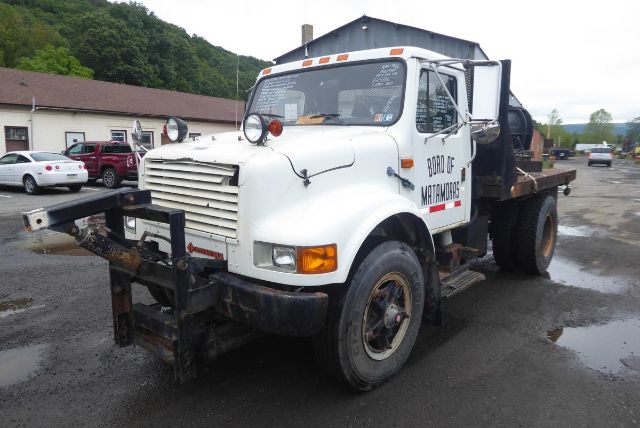
Selling a 1990 commercial truck? List your 1990 commercial truck for sale and reach thousands of commercial buyers.
1990 Commercial Trucks
Powertrain choices are the main value driver. Common engines include Caterpillar 3406B or 3406C, Cummins NTC 855 Big Cam and early N14, Detroit Series 60 11.1 or 12.7 with DDEC II, and Mack E7 in vocational chassis. Look for documentation on in-frame overhauls, head work, injector and fuel pump history, and dyno results. Transmissions are typically Eaton Fuller 9-, 10-, 13-, or 15-speed manuals; vocational units may carry Allison HT/MT automatics with PTO provisions. Rear axles are commonly 40k-lb tandems with 3.55 to 4.33 ratios and inter-axle lock; front axles often rate 12k to 14k. Air-ride improves highway comfort, while Hendrickson walking beam, Camelback, or Chalmers deliver durability for dumps and mixers. Verify tire types and wheel ends, as some units still run stud-pilot hubs. Many cabs were originally R12 air conditioning and may need or already have R134a conversions.
The trade-off for mechanical simplicity is performance and compliance. Braking distances are longer than modern standards and ABS may be absent. Aerodynamics lag, so fuel economy is typically 4.5 to 6.5 mpg on highway tractors depending on gearing, speed, and load. Noise levels, ride quality, and cab ergonomics are more old-school. Emissions rules vary by state: California’s Truck and Bus Regulation generally requires a 2010 or newer engine for most commercial operations, making many 1990 engines non-compliant there. Some metro areas have low-emission zones or opacity testing. These trucks can still be excellent on private property, agricultural routes where allowed, in compliant states, or for export. Confirm the engine year on the emissions label, as that determines ELD status and some regulatory thresholds.
A thorough inspection pays off. Check frame rails for rust scale, double-frame separation, and crossmember cracks near suspension hangers. Evaluate fifth wheel wear, slider locks, and kingpin fit. On vocational units, test wet kits, pump flow, hoist bleed-down, and body pin wear. Verify steering gear lash and front-axle kingpins. Inspect brake lining thickness and drum condition, and note whether slack adjusters are manual or automatic. Perform a blow-by test, check cold-start behavior, set overheads if due, and look for fuel leaks around injectors and pump housings. Review oil sampling history, coolant condition, and radiator core integrity. Electrical harnesses of this era can chafe; confirm clean grounds and fuse panels. For box trucks, assess floor integrity, scuff liners, roof bows, and liftgate operation. Documentation of overhauls, clutch replacement, differential work, and recent tires or brakes adds real value on a 1990 chassis.
Frequently Asked Questions about 1990 Commercial Trucks
Are 1990 trucks ELD-exempt?
Most 1990 trucks are ELD-exempt because the ELD rule applies to engines model year 2000 and newer. Always verify the engine year on the emissions label, as the truck’s chassis year can differ from the engine year. If the truck has a newer replacement engine, that engine year controls ELD applicability.
Can I legally operate a 1990 truck in California?
In most cases, no. California’s Truck and Bus Regulation generally requires 2010 or newer diesel engines for commercial on-road use of heavier vehicles. Some limited-use or specialty exemptions may exist, but many 1990 engines are not compliant. Check current CARB rules and consider out-of-state or export use if California operation is required.
What engines and transmissions are common on 1990 trucks, and are parts available?
You will often see Caterpillar 3406B/3406C, Cummins NTC 855 Big Cam and early N14, Detroit Series 60 11.1/12.7, and Mack E7. Transmissions are typically Eaton Fuller 9-, 10-, 13-, or 15-speed manuals, with Allison HT/MT automatics in some vocational units. Parts support remains strong through OEM and aftermarket channels, though certain legacy components may be reman or used-only.
What should I prioritize during a pre-purchase inspection of a 1990 truck?
Focus on frame integrity, suspension hangers, steering components, and brake system condition. Verify drivetrain health through blow-by checks, cold starts, oil and coolant analysis, and any overhaul paperwork. Inspect electrical harnesses, grounds, and charging systems. For tractors, assess fifth wheel wear and air system leaks; for dumps or mixers, test the PTO, pump, and hoist under load; for box trucks, check body structure, door tracks, and liftgate performance.
What fuel economy and gearing should I expect with a 1990 highway tractor?
Most highway tractors from 1990 return 4.5 to 6.5 mpg depending on engine, aerodynamics, weight, terrain, and driving speed. Common rear axle ratios range from 3.55 to 4.10 for mixed duty, with taller gears aiding fuel economy and shorter gears favoring startability and vocational work. Verify transmission top gear, tire size, and cruise rpm at 65 mph to match performance to your routes.