
1989 Commercial Trucks For Sale
1989 trucks for sale: pre-emissions, ELD-exempt rigs with CAT, Cummins or Detroit power and Eaton-Fuller manuals. Ideal for farm, regional and vocational work.
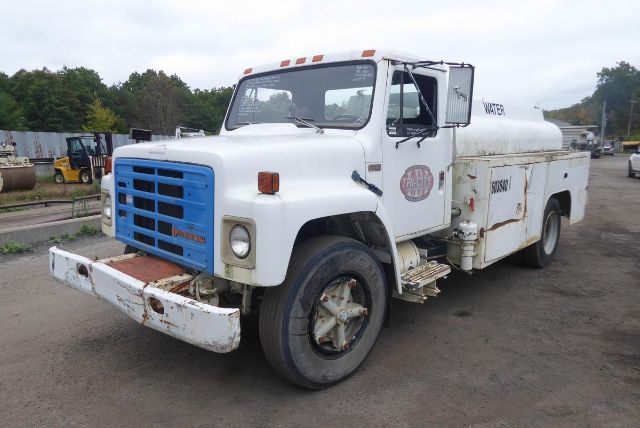

Selling a 1989 commercial truck? List your 1989 commercial truck for sale and reach thousands of commercial buyers.
1989 Commercial Trucks
Drivetrain choices commonly include CAT 3406B mechanical, Cummins NTC Big Cam and L10, and Detroit two-stroke 6V92 or 8V92, with early Detroit Series 60 also appearing in some highway tractors. Expect 300-475 hp and 1,100-1,450 lb-ft with mechanical injection that tunes easily and is field-serviceable. Transmissions are typically Eaton-Fuller 9, 10 or 13 speed manuals with direct or overdrive tops, matched to 3.55-4.11 rears depending on terrain and duty cycle. Conventional long-hood models like Peterbilt 379 and Kenworth W900 dominate the classic look, while aerodynamic tractors such as the Kenworth T600 and Freightliner FLD improve fuel burn noticeably.
Chassis and running gear reflect the era. Brakes are S-cam drums without ABS, often with manual slack adjusters unless updated. Suspension options range from air ride systems like Peterbilt AirTrac, Kenworth AG series and Freightliner AirLiner to heavy vocational setups such as Hendrickson walking beam or Mack Camelback at 40k-46k. Front axles are typically 12k-14k with 38k-44k tandems, 11R22.5 or 11R24.5 tires, and fifth wheel heights around 47-50 inches. Sleeper sizes run from compact 36 inch bunks to midroof 60 inch units; daycabs are common for dumps, mixers and local flatbed. Cabovers from Freightliner, International and Volvo White GMC still appear in this vintage for tight city work.
Ownership comes down to condition and parts support. Records of in-frame rebuilds, recent overhead sets and injector or pump work add value. Verify blow-by, run an oil analysis, check air system leak-down, dryer performance and governor cut-in, and inspect frame rails and crossmembers for corrosion and prior repairs. Expect R-12 air conditioning systems that may need R-134a conversion, aging wiring looms and dated lighting that many owners upgrade to higher-output alternators and LED lamps. Mainstream drivetrain parts remain widely available from OEM and aftermarket channels, though trim, dash and some two-stroke Detroit components can require more sourcing effort. Insurers and lenders may apply different terms to assets of this age, so plan acquisition accordingly.
Frequently Asked Questions about 1989 Commercial Trucks
Are 1989 trucks exempt from ELD requirements?
Yes, if the truck has a pre-2000 model-year engine it qualifies for the federal ELD exemption. The exemption is tied to engine model year, not vehicle model year on the title. Documentation of the engine’s model year and serial number is important if you plan to rely on the exemption during roadside inspections.
Where can a 1989 diesel operate given emissions rules?
Many states allow older engines for general interstate use, but several jurisdictions have restrictions. California’s Truck and Bus Regulation and most port drayage programs require 2010-or-newer diesel engines with DPF and SCR, which excludes 1989 engines unless a specific low-use, agricultural or specialty exemption applies. Always check current state and port rules before committing the truck to a route.
What engines and transmissions are typical in 1989 trucks, and what are the trade-offs?
Common engines include CAT 3406B mechanical, Cummins NTC Big Cam and L10, Detroit 6V92 or 8V92 two-strokes, and early Detroit Series 60. They are simple to diagnose and repair, with strong aftermarket parts support. Trade-offs are higher fuel consumption and more noise compared to later high-pressure electronic engines. Transmissions are usually Eaton-Fuller 9, 10 or 13 speed manuals that are durable and inexpensive to service, but they require driver skill to maximize performance and economy.
What should I inspect before buying a 1989 truck?
Prioritize mechanical health and structural integrity. Warm-start the engine to check for blow-by and cold-start behavior, review any in-frame or head work, and pull an oil sample. Inspect the air system for leaks, verify dryer operation and brake adjustment, and note that ABS is typically not present. Check frame rails, crossmembers and spring hangers for rust or previous repairs, examine fifth wheel wear, bushings and kingpins, and assess electrical harness condition. Confirm A/C status since many systems were R-12 originally and may require R-134a conversion.
Are parts and service still available for 1989 trucks?
Yes for mainstream components. Engine, clutch, transmission, axle and brake parts for CAT, Cummins, Detroit and Eaton-Meritor are widely supported by OEM dealers and the aftermarket. Body and interior trim for specific cabs can be harder to source, and some two-stroke Detroit items may be specialty order. Many fleets keep these trucks viable with updated starters, alternators, LED lighting, air ride seats and modern radios without changing the core drivetrain.