
1987 Commercial Trucks For Sale
Explore 1987 trucks with pre-emissions diesels, COE and conventional options. Compare specs, drivetrains, uses, maintenance and compliance tips.
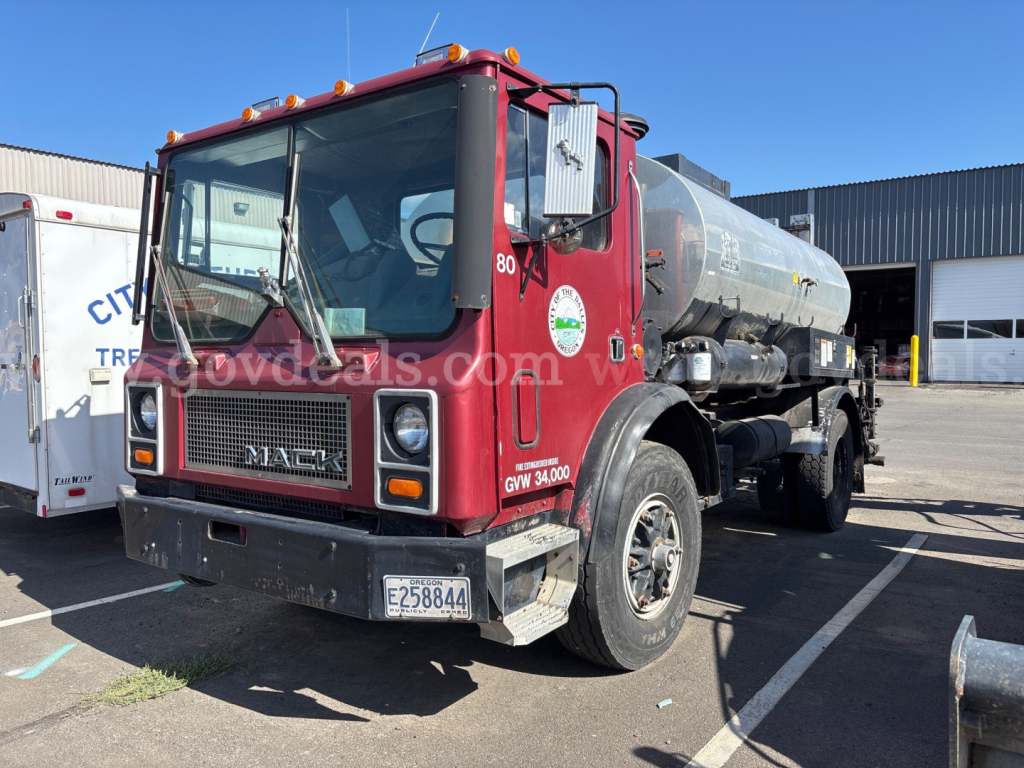
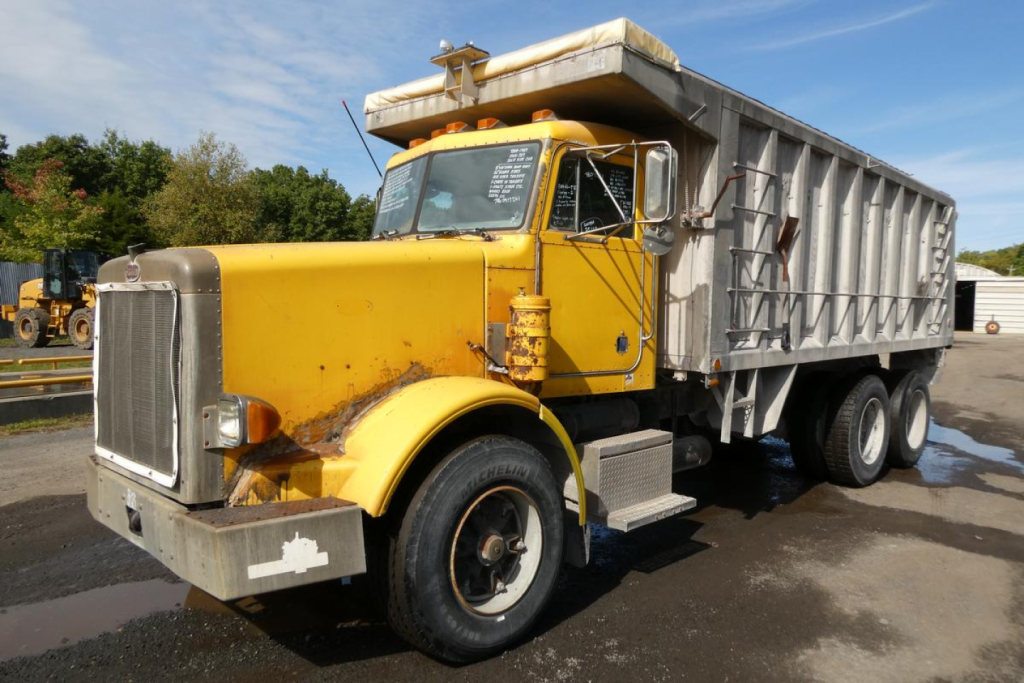
Selling a 1987 commercial truck? List your 1987 commercial truck for sale and reach thousands of commercial buyers.
1987 Commercial Trucks
Spec decisions in this vintage matter. Eaton Fuller Roadranger 9, 10, and 13 speed manuals dominate, with direct or overdrive tops and rear axle ratios commonly between 3.55 and 4.33 for highway, and deeper gearing for vocational use. Popular suspensions include Hendrickson RT walking beam for dumps and logging, Mack Camelback on Mack chassis, and air rides like Peterbilt Air Leaf, Kenworth Airglide, and Freightliner AirLiner for better ride and tire life. Look for double-frame rails on heavy spec units, full locking differentials, and factory PTO or wet kits if you plan on end dumps or lowboy work. Aluminum cabs on Peterbilt and Kenworth resist rust, while steel cabs on some brands warrant closer corrosion checks at cab corners, floors, and mounts.
The trade-offs are real. Fuel economy often runs 5 to 6 mpg in highway trim and can be lower with two-stroke Detroits or deep gears. Ride, noise levels, and braking distances trail modern equipment, and safety tech is minimal. Condition is everything on a 1987 truck, so inspect frame flanges and crossmembers for rust or cracking, spring hangers and torque rods for play, air system for leaks, and cooling system for contamination. On engines, check hot oil pressure, blowby, turbo endplay, injector or pump leakage, and service records. Verify ratio tags and transmission model numbers match your route profile, and confirm wet kit specs like pump type and pressure if you need hydraulic power.
Regulatory fit varies by state and application. Pre-2010 diesel restrictions apply in California and some regions, with limited exemptions, so confirm compliance before committing. Many 1987 engines qualify for ELD exemption based on engine model year, but verify engine dating and any swaps. Insurers may offer antique or limited-use policies, yet commercial use can change requirements. Parts remain widely available for the Big Cam and 3406B families, and two-stroke Detroit support still exists through specialty suppliers. A well-kept 1987 truck can be a cost-effective regional or vocational asset, an export candidate, or a solid base for restoration, provided the spec aligns with the work and the chassis checks out.
Frequently Asked Questions about 1987 Commercial Trucks
Which engines are common in 1987 semi trucks and how do they compare?
The most common choices are Cummins NTC 855 Big Cam IV, Caterpillar 3406B, and Detroit Diesel 8V92TA. Big Cam and 3406B are mechanical, known for strong torque and broad parts support. The 8V92 two-stroke offers lively performance and classic sound but typically uses more fuel and may require shops familiar with Detroits. Power is usually 300 to 425 hp with 1,150 to 1,450 lb-ft, adequate for regional freight and many vocational tasks.
What transmissions should I look for in a 1987 truck for my application?
Eaton Fuller Roadranger manuals dominate this era. A 9 or 10 speed suits lighter regional work and flat terrain, while a 13 speed with overdrive gives better control on grades and flexibility for mixed weights. Match the gearbox to rear axle ratios. Highway use often pairs an overdrive transmission with 3.55 to 3.90 rears, while vocational or off-road applications benefit from deeper ratios for startability.
Are 1987 trucks legal to operate in my state or in California?
Rules vary by state. California and some regions restrict commercial operation of older diesel engines, often requiring 2010 or newer engines for most business use. Some exemptions exist for limited use, show, or agricultural operations. Separately, ELD rules generally exempt engines with model years prior to 2000, which can apply to a 1987 engine, but verify the engine year and any swaps. Always check current local regulations before purchase.
What should I inspect on a 1987 dump truck or vocational chassis?
Focus on frame integrity, especially rail flanges, crossmembers, and any double-frame sections. Check suspension bushings, torque rods, kingpins, and steering gear for play. Inspect the PTO, wet kit hoses and pump type, hydraulic tank cleanliness, and body hoist pins for wear. Confirm axle ratios and lockers match your jobsite needs. On the engine, assess blowby, hot oil pressure, fuel and coolant leaks, and turbo health, and review maintenance history and any in-chassis overhauls.
Are parts and service still available for 1987 drivetrains?
Yes. Support remains strong for Cummins NTC Big Cam and Caterpillar 3406B, with new and reman components widely available. Detroit 8V92 parts can still be sourced through specialty channels. Eaton Fuller Roadranger parts are common, as are brake and air system components. The key is finding a shop familiar with older mechanical systems and budgeting for age-related refresh items like hoses, wiring, bushings, and cooling system components.