
1978 Commercial Trucks For Sale
Shop 1978 trucks for sale: classic semis and medium duty. Learn engines, gearing, wheel ends, compliance, and key inspection points before you buy.
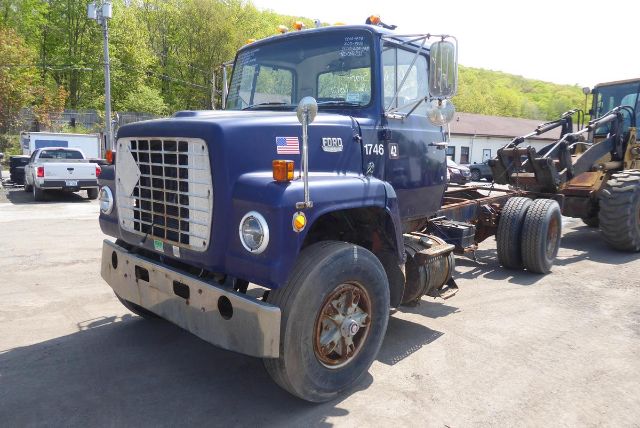

Selling a 1978 commercial truck? List your 1978 commercial truck for sale and reach thousands of commercial buyers.
1978 Commercial Trucks
Wheel and tire hardware matters on these classics. You will see Dayton spoke, stud-piloted Budd, and fewer hub-piloted systems, with 22.5 or 24.5 rubber, tube-type or tubeless. Braking is S-cam drum without ABS, so component condition and air system integrity are key. Suspensions include Hendrickson walking beam, Mack Camelback, Reyco, Neway, and early air ride, each with different ride and articulation characteristics. Look for options that add versatility, such as a sliding fifth wheel, double frame, wet kit, engine brake, or PTO, and match sleeper size, wheelbase, and fuel capacity to your intended lanes. Medium duty 1978 trucks may have hydraulic or air-over-hydraulic brakes and can be diesel or gasoline powered, sometimes with two-speed rears, which changes maintenance routines and parts sourcing.
Inspection should focus on structural integrity and service history. Examine frame rails for rust scale, double-frame delamination, and crossmember cracks, check cab mounts and cowl for corrosion, and look for galvanic corrosion on aluminum cabs and hoods. Verify engine health with cold start behavior, blow-by level, oil pressure, and any in-frame documentation, then sample the oil and coolant. Road test for gear whine, vibration, or clutch chatter, and inspect u-joints, hanger bearings, and kingpins. Review air tanks, valves, and lines for leaks, check brake lining thickness and drum condition, and evaluate the wiring harness and fuse blocks for brittleness or splices. Common upgrades include hub-piloted wheel conversions, LED lighting, air-ride seats, modern fifth wheels, rebuilt heaters and A/C, and refreshed gauges, all of which improve daily usability without losing period-correct character.
Regulatory fit is a deciding factor. Most 1978 semi trucks are ELD-exempt because the engine model year is pre-2000, but a repower with a newer engine can change that. Emissions rules vary by state, and California’s Truck and Bus regulation restricts commercial operation of pre-2010 diesel engines, with limited low-use, agricultural, or historic exemptions, so verify eligibility before committing to interstate work. Antique or collector plates may limit commercial use, insurance requirements depend on GVWR and operation, and a CDL, air brake endorsement, and annual DOT inspection still apply where required. For many buyers these classics excel as farm trucks, local vocational units, specialty haulers, or restorations and showpieces, provided gearing, cooling, and braking capacity match the workload.
Frequently Asked Questions about 1978 Commercial Trucks
Are 1978 semi trucks ELD-exempt?
In most cases yes, because the ELD rule keys off the engine model year and pre-2000 engines are exempt. If the truck was repowered with a 2000 or newer engine, the exemption may not apply. You must still keep paper logs unless you qualify for a short-haul timecard exemption, and all other hours-of-service rules still apply.
Can I operate a 1978 diesel truck in California or other emissions-restricted states?
California’s Truck and Bus regulation prohibits most commercial operation of diesel engines built before 2010, with limited low-use, agricultural, emergency, or historic vehicle provisions. Some metro areas in other states have local restrictions. Retrofitting a DPF on this vintage is complex and often impractical. Confirm current state and local rules for your route and use case before purchase.
What should I inspect on a 1978 truck before buying?
Prioritize frame condition, crossmembers, and cab mounts, then verify engine health with cold starts, blow-by, oil pressure, and recent in-frame or dyno documentation. Check transmission and rear ends for noise and leaks, confirm axle ratios match your target cruise speed, and inspect air system components, brake linings and drums, and suspension bushings. Review wheels and tires for type and compatibility, and evaluate wiring, gauges, heater and A/C, and lighting for age-related failures.
Are parts still available for 1978 trucks?
Yes, core components are well supported. Cummins, Detroit, Cat, Mack, Fuller, Meritor, Bendix, and Holset parts are widely available new or reman, and many body, trim, glass, and interior items can be sourced through aftermarket specialists, salvage, or reproduction vendors. Availability varies by make and model, so verify support for cab panels, hood components, and suspension parts on your specific unit.
What should I know about wheels and tires on older trucks?
You may encounter Dayton spoke or stud-piloted Budd wheels, along with 22.5 or 24.5 tires that may be tube-type or tubeless. Modern fleets favor hub-piloted wheels for easier service and torque consistency. Converting to hub-piloted often requires hubs, drums, and wheel changes, so budget accordingly. Tire size and wheel style also affect effective gearing and ground clearance, which matter on hills and vocational sites.