
1973 Commercial Trucks For Sale
1973 trucks for sale: classic pre-emissions semi tractors and vocational rigs. Compare engines, gearboxes, suspensions, rims, and compliance factors.
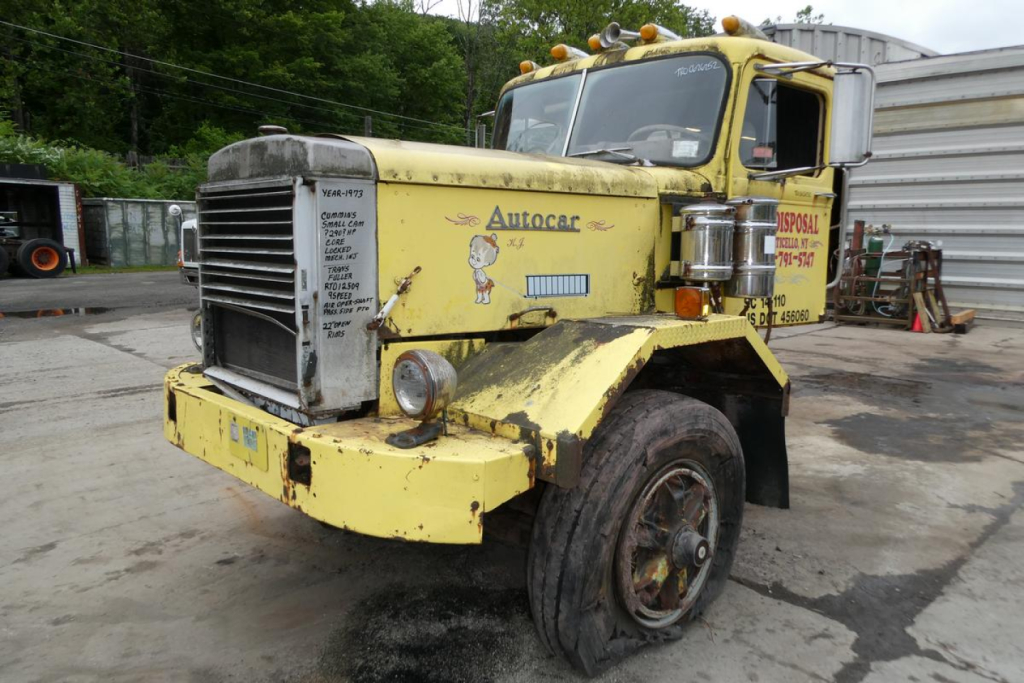
Selling a 1973 commercial truck? List your 1973 commercial truck for sale and reach thousands of commercial buyers.
1973 Commercial Trucks
Typical powerplants include Cummins NTC small-cam engines, Detroit Diesel 6-71 and 8V71 two-strokes, Caterpillar 1693, and Mack Maxidyne series, usually paired with Fuller Roadranger 9, 10, or 13 speeds, or period twin-stick main-and-aux setups. Tandem rears are commonly 34k on Rockwell or Eaton housings with spring or walking beam suspensions like Hendrickson or Mack Camelback. Air-ride was less common but is a desirable retrofit. Braking is S-cam drum without ABS. Many 1973s were built with spoke Daytons or stud-piloted Budds, and some still carry tube-type or multi-piece rims. Conversions to 22.5 or 24.5 tubeless radials with hub-piloted wheels reduce maintenance and improve safety.
The trade-offs are clear. These trucks are durable and straightforward to service, with mechanical injectors that can be tuned and parts availability that remains decent for major engines and driveline components. Comfort, noise control, and braking performance lag modern standards. Gearing is often deep, which helps on grades but holds highway speed to modest levels without a re-ratio. Evaluate documentation carefully, including in-frame rebuild receipts, dyno sheets, rack settings on Detroits, and oil analysis. Inspect frame flanges for rust jacking, cab mounts and spring hangers for cracking, air systems for leaks, wiring harnesses for brittleness, and driveline lash. Verify fifth wheel condition, kingpin setting, and slider operation on tractors, and PTO compatibility and hydraulic performance on dumps and mixers.
Regional rules matter with older iron. Some states, especially California, restrict commercial operation of pre-2010 diesel trucks, while historic or farm registrations can be possible with mileage and usage limits. CDL thresholds and DOT safety requirements still apply. Upgrades like power steering, engine brakes, air-ride suspensions, higher-output alternators, modern lighting, and A/C can make a 1973 much more usable. Purists often prize originality, while working buyers favor tubeless wheels, refreshed brakes, and updated gearing. Choose based on intended use, parts support in your area, and the balance you want between collector value and everyday drivability.
Frequently Asked Questions about 1973 Commercial Trucks
What engines were common in 1973 heavy-duty trucks?
You will often see Cummins NTC small-cam variants, Detroit Diesel 6-71 and 8V71 two-strokes, Caterpillar 1693, and Mack Maxidyne engines. Output typically ranged from the mid-200s to the mid-300s horsepower with torque curves focused on low to mid RPM. These are fully mechanical powerplants that respond to proper tuning and routine valve and injector set procedures, and parts support remains solid through aftermarket and legacy dealer networks.
Are 1973 trucks legal for commercial use today?
Legality depends on where and how you run. Many states allow operation if the truck passes safety inspections, but emissions rules can limit commercial use. California and some regions require 2010-equivalent emissions for most diesel commercial operations, which a 1973 cannot meet. Historic or farm plates may be an option with usage limits. Regardless of registration type, CDL requirements, weight limits, and basic DOT safety standards still apply.
What should I inspect before buying a 1973 truck?
Focus on frame straightness and corrosion at flanges and crossmembers, cab structure and mounts, spring hangers, kingpins, and suspension bushings. Check air system condition, brake lining thickness and drum wear, steering play, and electrical integrity. Verify rim type and condition since some multi-piece designs are hazardous and best replaced with modern tubeless wheels. On the drivetrain, confirm cold starts, oil pressure, blow-by, and smooth shifts, and review any rebuild records or oil analysis.
Can I upgrade a 1973 truck for modern drivability?
Yes. Common upgrades include converting to 22.5 or 24.5 tubeless hub-piloted wheels, adding air-ride suspension, power steering, and engine brakes, refreshing the brake system, improving lighting with LED 7-way compliant wiring, installing an A/C kit, and re-gearing axles for highway speeds. These changes improve safety and comfort, though heavy modification can reduce collector originality. Choose upgrades that match your intended duty cycle and preserve high-value factory components where possible.
How do 1973 driving dynamics compare with modern trucks?
Expect non-synchronized transmissions that require double-clutching or floating with experience, heavier pedal effort, more cab noise and heat, and longer stopping distances due to older drum brake systems. Cabovers offer tight turning but a firmer ride. Conventionals ride better but need more space. Engine brakes, if fitted, help on descents, and correct tire selection and suspension condition make a noticeable difference in stability and comfort.