
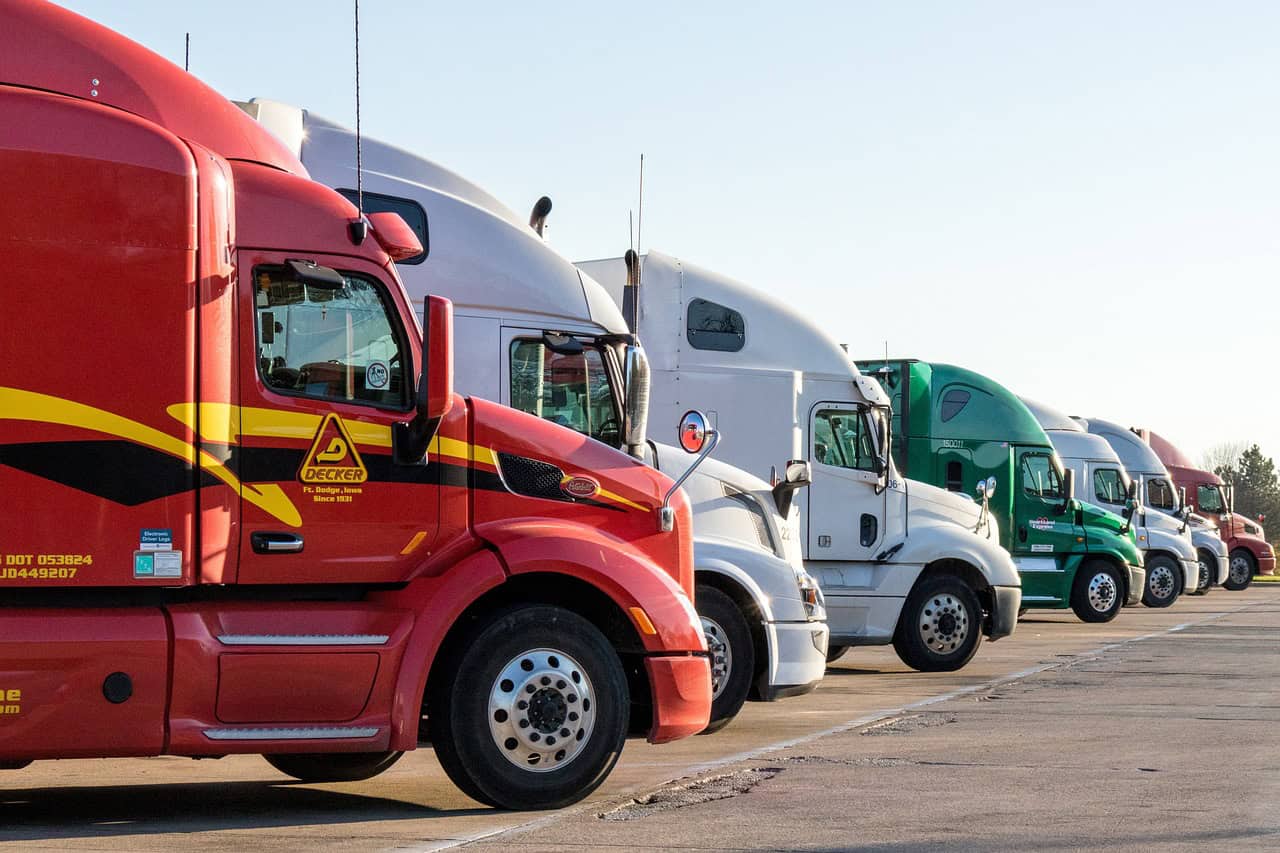
For a long time, the commercial sex trade was treated as just another fixture of the American truck stop. Two decades ago, the women and men working the back rows of a lot after dark were something most drivers stepped around, joked about over the CB, or filed away as one more reason the public looked down on the whole profession. The slang that got attached to them turned the whole thing into a punchline. Almost nobody stopped to ask who those people actually were.
They were worth asking about. Look past the transaction, and the back row was rarely what it got made into. It was a teenager who belonged in a classroom. A woman who went quiet and watchful whenever the man she was "with" got loud. Someone so far into addiction they'd trade anything for the next hit. People with no identification, no phone of their own, and no real way to leave even when they wanted to. Much of what an earlier generation of drivers shrugged off as prostitution was, in plain terms, exploitation, and a great deal of it was outright human trafficking. Under the law, when anyone under 18 is sold for sex it counts as trafficking automatically, with no force or coercion required. None of that was ever a candidate for a punchline.
The shift over the years since is the part actually worth telling.
The trucking world didn't just retire the old slang. It changed sides in the fight. Today, somewhere around 2.5 million transportation professionals have been trained to recognize and report the signs of trafficking through TAT, the nonprofit long known as Truckers Against Trafficking. A growing number of states now build that training directly into earning or renewing a commercial license. Major carriers renew their commitment to it every year. And it produces results: tips phoned in by ordinary drivers have helped law enforcement rescue survivors and dismantle trafficking operations running on the same highways and lots the industry lives on.
The reason it works is structural. Truckers are everywhere, pulling into the places most of the country never sees, at the hours when nobody else is watching. Traffickers count on truck stops being remote, busy, and anonymous, and that same lot is full of drivers with sharp instincts and a way to call for help. The very conditions that once made the industry an easy place to hide this crime turned it into the best-positioned force in the country to push back. Drivers were never the demand behind it. By the millions, they became its early-warning system.
That reframes what the image of the American trucker should actually be. Beneath the old stereotypes is a workforce of hard-working, family-oriented men and women who, on top of hauling the freight that keeps the country running, have quietly built one of the largest civilian anti-trafficking networks anywhere.
There will probably always be people in crisis around the truck stops, and the trade that exploits them won't vanish on its own. But the names the back row used to get were always the wrong ones, and looking the other way was always the wrong response. Twenty years on, the right response is settled, and it's the same for a driver with decades behind the wheel as for one in their first week: know the signs, trust the gut, and make the call.
If something doesn't look right out there
No one watching needs to be certain, and no one should try to step in directly. The move is to report it and let the professionals take it from there.
- In an emergency, call 911.
- National Human Trafficking Hotline: 1-888-373-7888
- Text "HELP" or "INFO" to 233733 (BeFree), or chat online at humantraffickinghotline.org/chat
The hotline is free, confidential, available 24/7 in more than 200 languages, and is not law enforcement or immigration. When in doubt, calling beats doing nothing.
Drivers can get trained for free through TAT (Truckers Against Trafficking), and the certification is already built into the licensing process in a growing list of states. It takes about half an hour.
Looking for your next commercial truck or trailer?
Thousands of listings from sellers nationwide, no commissions.

Comments
Join the conversation
You need to login to your account to comment.
No comments yet
Be the first to share your take on this trucker tip.