
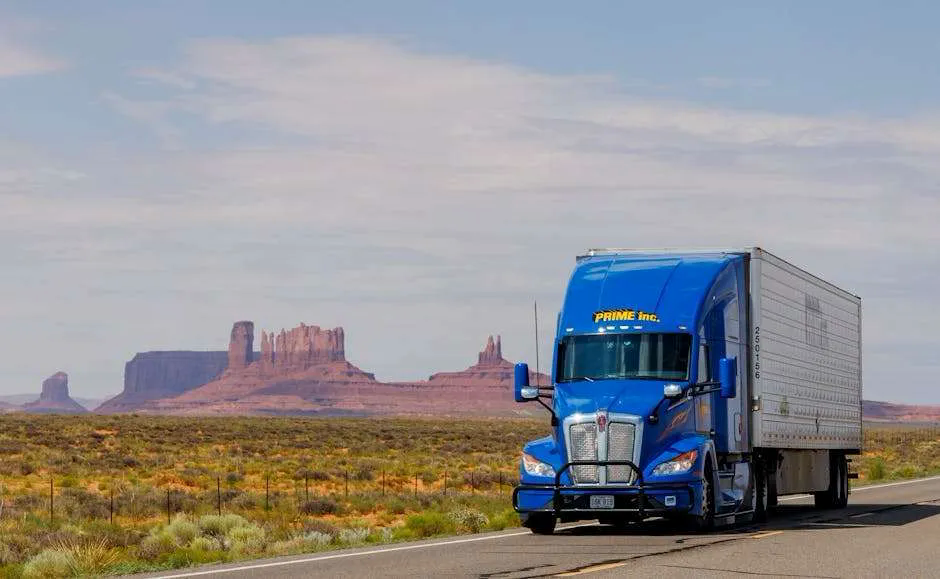

Selling a semi should be simple: you have a truck, somebody wants it, money changes hands. In practice, owner-operators and small fleets lose weeks to tire-kickers, lowball offers, and a surprising number of outright fraudsters who specifically target high-value equipment listings. The good news is that the same handful of habits that make your truck sell faster also make you a much harder target for scammers. Here is how to do both at once.
Price It to Sell, Not to Sit
The single biggest reason a truck sits unsold is sentimental pricing, which means setting your number based on what the truck is worth to you instead of what the market will actually pay today. Commercial buyers do not care about your memories on the road. They see your truck as a revenue-producing asset and are calculating how many miles of reliable service are left in its most expensive parts.
Before you pick a price, build a quick comparison sheet:
- Pull current retail listings for your exact year, make, model, and engine, not just the brand.
- Check recent auction results for the same configuration, since those reflect what buyers truly pay rather than what sellers hope for.
- Adjust for mileage, engine hours, transmission type (manual versus automated), and the condition of tires, brakes, and the aftertreatment system.
Remember that the heavy-truck market moves with freight rates and fuel prices. A number that was fair six months ago can be optimistic today, so price against this month's reality. If you need speed, a slightly aggressive price will sell faster than the going rate, and far faster than a hopeful one.
Get Your Truck Buyer-Ready in a Weekend
Buyers are looking for reasons to knock money off your price, and a dirty, neglected-looking truck hands those reasons to them for free. A weekend of cleanup can be worth thousands at the negotiating table.
- Deep-clean the cab and sleeper. Remove odors, stains, and clutter. The buyer is going to live in that space, so a fresh interior is a powerful psychological nudge.
- Wash and degrease the exterior and engine bay. A clean engine signals that the mechanical maintenance was taken seriously too.
- Knock out the cheap cosmetic fixes: cracked mirrors, broken light housings, torn seats, and burned-out bulbs. Each one is a small bill for you and a big mental discount for the buyer if left undone.
You are not trying to hide problems. You are making sure surface grime does not cost you real money on an otherwise solid truck.
Gather the Paperwork That Actually Closes Deals
In the heavy-truck world, documentation is money. A clean paper trail raises buyer confidence and shrinks the discount they will try to negotiate. Serious buyers, and the dealers who resell to them, expect to see proof, not promises.
- A clear title. Nothing slows a sale like a lien or a title problem. If you still owe money, know your exact payoff amount and how the lender handles releasing the title before you list.
- Maintenance and PM records. Oil changes, preventive maintenance logs, and major repair invoices show the truck was cared for and not run into the ground.
- Overhaul and in-frame documentation. If the engine has had an in-frame or major work done, receipts for it are among the most valuable pieces of paper you own.
- An ECM download. The engine control module is the truck's black box. A printout shows actual miles versus odometer, total engine hours, idle time, fault codes, and regen history. Offering it up front signals you have nothing to hide, and savvy buyers will ask for it anyway.
- A recent DOT inspection. A current Level 1 inspection tells a buyer the truck is ready to work today, not after a shop visit.
Put copies of all of this in one folder you can hand over or photograph instantly. Sellers who answer questions with paperwork close deals while everyone else is still texting back and forth.
Write a Listing That Filters Out Time-Wasters
A vague listing attracts vague buyers. A detailed, honest one pre-qualifies people before they ever call, which saves you from repeating yourself fifty times.
- Lead with the specs buyers actually filter on: year, make, model, engine and horsepower, transmission, rear ratio, wheelbase, mileage, and sleeper or day cab.
- Take a lot of clear, well-lit photos in daylight, including the tires, the interior, the engine, and any flaws. Hiding damage only wastes everyone's time when the buyer sees it in person.
- Be honest about condition and recent work. A truck with a story, such as a documented in-frame, fresh tires, or new batteries, earns more trust and more money than a mystery truck.
Listing on a dedicated truck marketplace puts you in front of buyers who are specifically shopping for commercial equipment, rather than the general-classifieds crowd that produces most of the junk inquiries.
Lowballers Versus Scammers: Know the Difference
Not every annoying buyer is a criminal, and it helps to separate the two. A lowballer is a real buyer making an unreasonable offer, hoping you are desperate. The fix is simple: know your market price cold, decide your true floor before anyone calls, and do not negotiate against yourself. A confident, comp-backed number ends most lowball games quickly. If someone opens far below market with no justification, counter once at your real price and move on. The right buyer is out there.
A scammer is something else entirely. They are not trying to buy your truck cheaply. They are trying to take your truck, your money, or both. That is where you need to pay close attention.
Scam Red Flags That Should End the Conversation
These patterns show up again and again in vehicle sales, and they are especially common on high-value listings like semis. Any single one of them is reason to slow down or walk away.
- The overpayment offer. A buyer sends a check or money order for more than your asking price, then asks you to wire back the difference or forward it to a third-party shipper. The check is counterfeit and bounces days later, leaving you out the cash you wired. No legitimate buyer ever overpays by accident.
- Pressure to ship sight-unseen. A buyer who never wants to see or inspect a high-value truck in person, insists the price looks great, and pushes a shipping arrangement is following a classic script. Real buyers inspect expensive equipment.
- An unfamiliar escrow service they insist on. Scammers set up fake escrow sites that look real. If a buyer demands a specific escrow service you have never heard of, treat it as a trap. You choose the payment method, not them.
- Requests for your bank login or account credentials. Anyone asking to log into your mobile banking app to deposit money, or wanting your online banking details for an ACH transfer, is trying to pull money out, not put it in.
- Fake cashier's checks and money orders. These can look perfect, and your bank may even hand you cash before the check truly clears. If you have already signed over the title, you are the one on the hook when it bounces.
- Promises of future payment. Payment plans, monthly installments, or 'I will pay the rest after my next load' are not sales. They are ways to drive off in your truck and stop answering the phone.
- Urgency and act-now pressure. Scammers want you moving fast so you skip your own safeguards. A real deal that is good today is still good after the funds clear.
Get Paid Safely, Every Time
Speed only counts if the money is real. These rules protect you without scaring off legitimate buyers, who will happily go along with all of them.
- Never release the truck or sign over the title until payment has fully cleared. Deposited is not the same as cleared, and a fraudulent cashier's check can take days or weeks to come back as bad.
- Independently verify the buyer. Confirm their name, address, and phone number through your own research, not from the contact details printed on a check.
- Never accept more than your sale price, and never wire money back to anyone. Both are hallmarks of the overpayment scam.
- For a check, call the issuing bank directly using a number you look up yourself to confirm the funds. Better yet, meet at the buyer's bank and have them produce a cashier's check made out to you while you watch, or use a verified bank wire and confirm receipt before handing over keys.
- For out-of-area buyers, use a reputable, well-established escrow service that you select and research, never one the buyer pressures you to use.
- Complete a bill of sale and a release of liability. The release protects you from tickets, tolls, and violations the new owner racks up after the sale.
- Black out personal information on any documents you share, and keep copies of everything.
The Fastest Safe Way to Sell
Selling fast and selling safely are not opposites. Priced right, cleaned up, documented, and listed where real buyers shop, a solid truck moves quickly, and the same discipline that attracts those buyers makes the scammers give up and look for an easier target.
If you want the shortest path, you generally have two options. Selling to a reputable dealer is the fastest route to guaranteed cash, though usually below full retail. Selling privately on a dedicated commercial-truck marketplace takes a little longer but puts more money in your pocket and connects you with buyers who already know what they are looking at.
Either way, the seller who shows up with a clean truck, a full folder of records, a fair price, and zero tolerance for payment games is the seller who closes, collects, and never becomes a cautionary tale.
Looking for your next commercial truck or trailer?
Thousands of listings from sellers nationwide, no commissions.


Comments
Join the conversation
You need to login to your account to comment.
No comments yet
Be the first to share your take on this trucker tip.