
2020 XL Specialized Trailers For Sale
Shop 2020 XL Specialized trailers for heavy haul, lowboy, and detachable applications with specs buyers compare most: capacity, deck height, axles, and neck style.
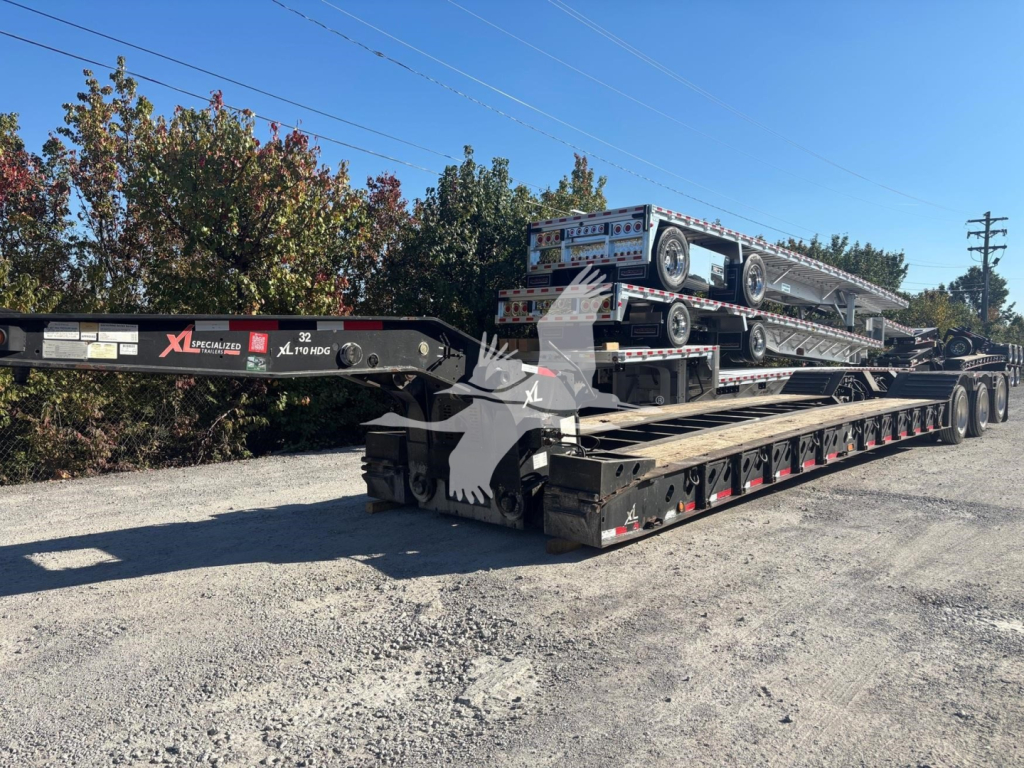
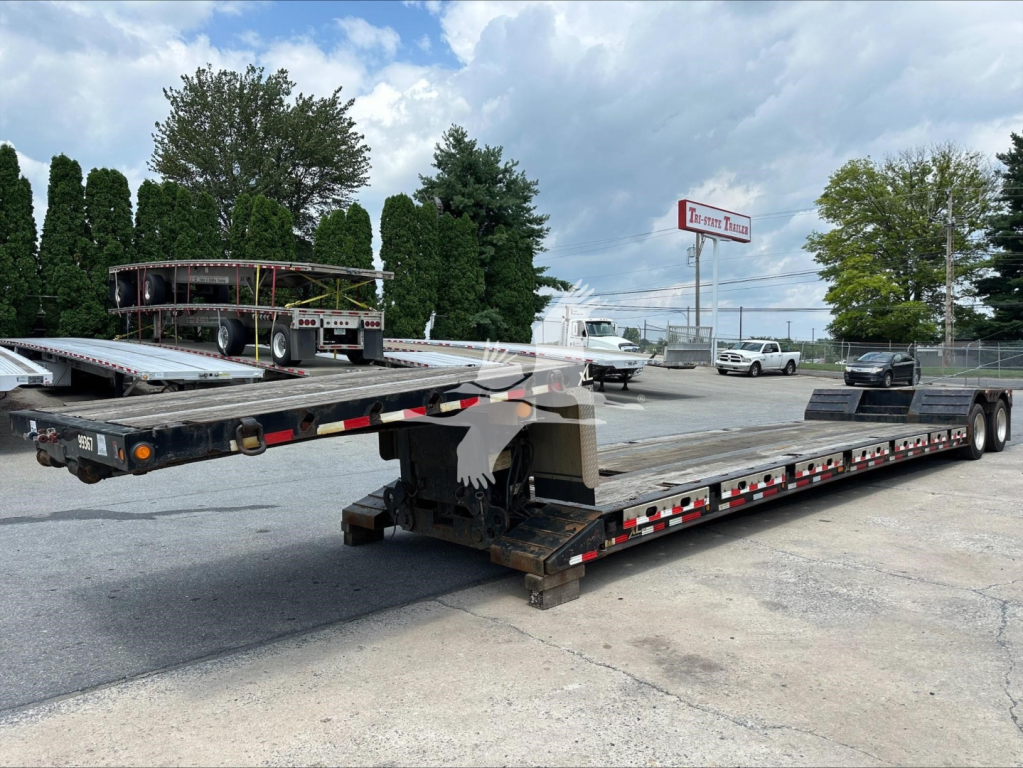
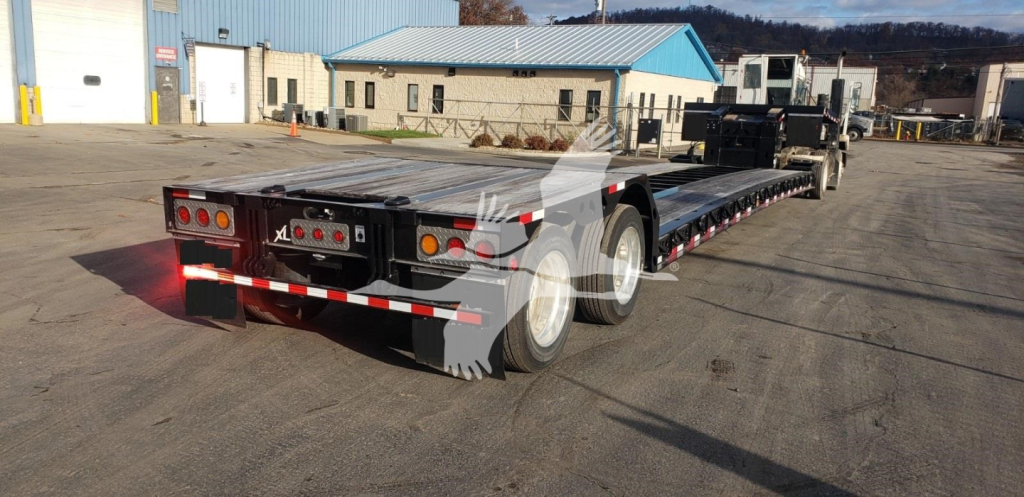
Selling a 2020 xl specialized trailer? List your 2020 xl specialized trailer for sale and reach thousands of commercial buyers.
2020 XL Specialized Trailers
For most buyers, the first decision is trailer style and capacity. Many 2020-era XL Specialized trailers fall into 40-ton, 50-ton, 55-ton, and heavier classes, with tandem or tri-axle layouts and flip axle provisions on some units. A hydraulic detachable gooseneck is common when fast loading and unloading matters, especially for dozers, excavators, pavers, and larger farm equipment. Main deck length, loaded deck height, rear bogie length, and kingpin setting all affect how the trailer handles both legal and permit loads. Buyers should also compare axle spacing, air ride suspension brand, lift axle setup, and whether the trailer has mechanical ride height control, manual dump, or raise-and-lower capability for easier deck approach and better loading control.
Construction details matter on an XL trailer because these units are often worked hard. Apitong flooring is common for durability and traction under steel tracks and rubber tires. Steel perimeter beams, crossmember spacing, chain drops, bent or pan-style D-rings, outriggers or swing-outs, and pull-out lights all affect day-to-day usability. If your freight includes machines with wide tracks or odd attachment points, look closely at outriggers, open boom troughs, bucket wells, front transition ramps, and rear support layout. Tire size, wheel material, brake condition, and suspension wear are especially important on a used 2020 trailer because heavy haul performance depends as much on maintenance history as on published capacity.
A buyer comparing 2020 XL Specialized trailers should think beyond rated tonnage and focus on how the trailer fits the freight lane. Deck height can be the difference between a legal move and a permit problem. Swing clearance matters if you run trucks with different fifth wheel positions. Hydraulic neck design, non-ground-bearing versus other neck styles, toolbox placement, pony motor condition, and lighting package all affect uptime in the field. For fleets and owner-operators hauling iron on a regular basis, XL Specialized remains a well-known choice because these trailers are designed around load securement, serviceability, and the real geometry of heavy equipment transport.
Frequently Asked Questions about 2020 XL Specialized Trailers
What types of trailers are common in the 2020 XL Specialized lineup?
The most common 2020 XL Specialized trailers on the resale market are lowboy and hydraulic detachable gooseneck models used in heavy haul service. Many are built for equipment transport and feature double-drop deck layouts, air ride suspension, Apitong flooring, and tandem or tri-axle configurations. Some units also include flip axle connections, outriggers, boom troughs, or bucket wells for specialized machinery.
What should I look at first when comparing a 2020 XL Specialized lowboy?
Start with capacity, loaded deck height, main deck length, and axle configuration. Those four points determine what equipment the trailer can realistically haul and how easily it can stay legal on height and bridge formula. After that, review swing clearance, kingpin setting, rear bogie length, tie-down layout, and whether the trailer has a hydraulic detachable neck, lift axle, or ride height controls that match your operation.
Is deck height really that important on a 2020 XL Specialized trailer?
Yes. Deck height is one of the most important heavy haul specs because it directly affects overall loaded height. A lower deck can make it easier to move taller machines without permits or with fewer route restrictions. On XL Specialized lowboys, buyers often compare loaded deck height, ground clearance, and deck design together because the lowest trailer is not always the best choice if ground clearance or transition angle becomes a problem on job sites or rough approaches.
Are 2020 XL Specialized trailers good for excavators and dozers?
They are commonly used for both. XL Specialized trailers are often set up with the low deck, securement points, and structural layout needed for excavators, dozers, loaders, and other concentrated equipment loads. Features such as chain drops on close centers, D-rings, outriggers, bucket wells, and heavy-duty outer beams help support machines with uneven weight distribution or attachments that require more deck flexibility.
What matters most on a used 2020 XL Specialized trailer inspection?
Pay close attention to frame condition, neck operation, suspension wear, axle alignment, brake life, tire condition, flooring integrity, and signs of concentrated overload stress around the deck and transition areas. On hydraulic detachable models, inspect the neck cylinder operation, pony motor or hydraulic system condition, electrical connections, and ride height controls. A 2020 heavy haul trailer can still be a strong value, but only if the structural condition and maintenance history support the trailer's intended capacity.