
Used Wabash Trailers For Sale in South Dakota
Used Wabash trailers for sale in South Dakota, including dry van models with common specs, trailer features, and buyer-focused inspection tips.
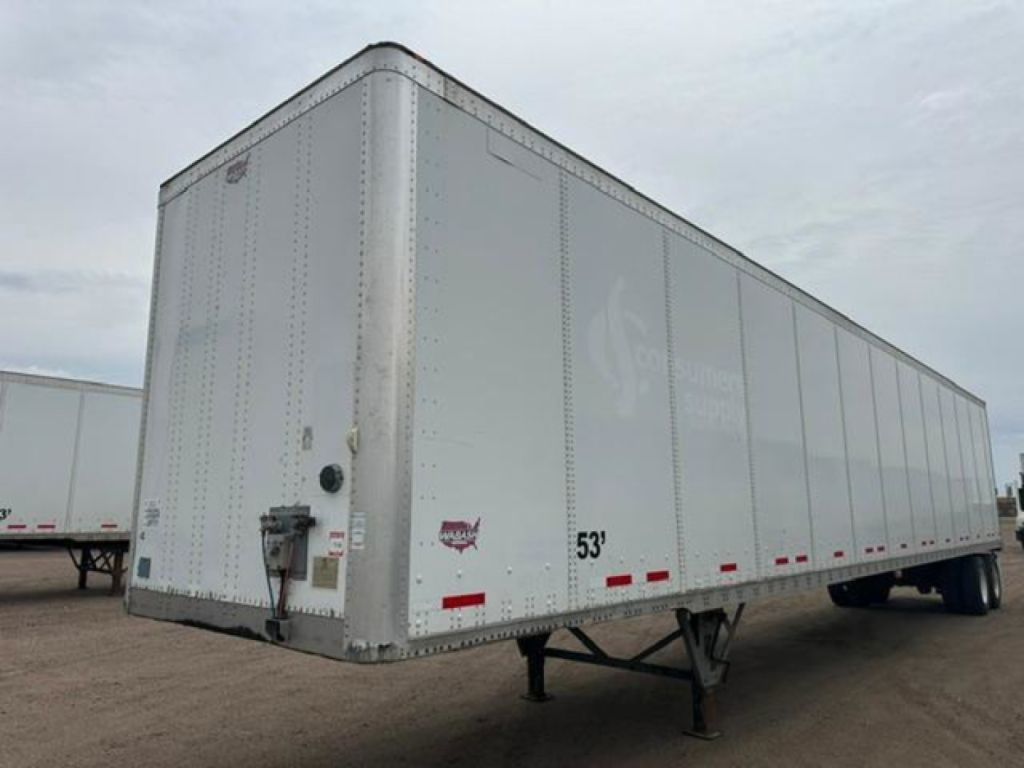
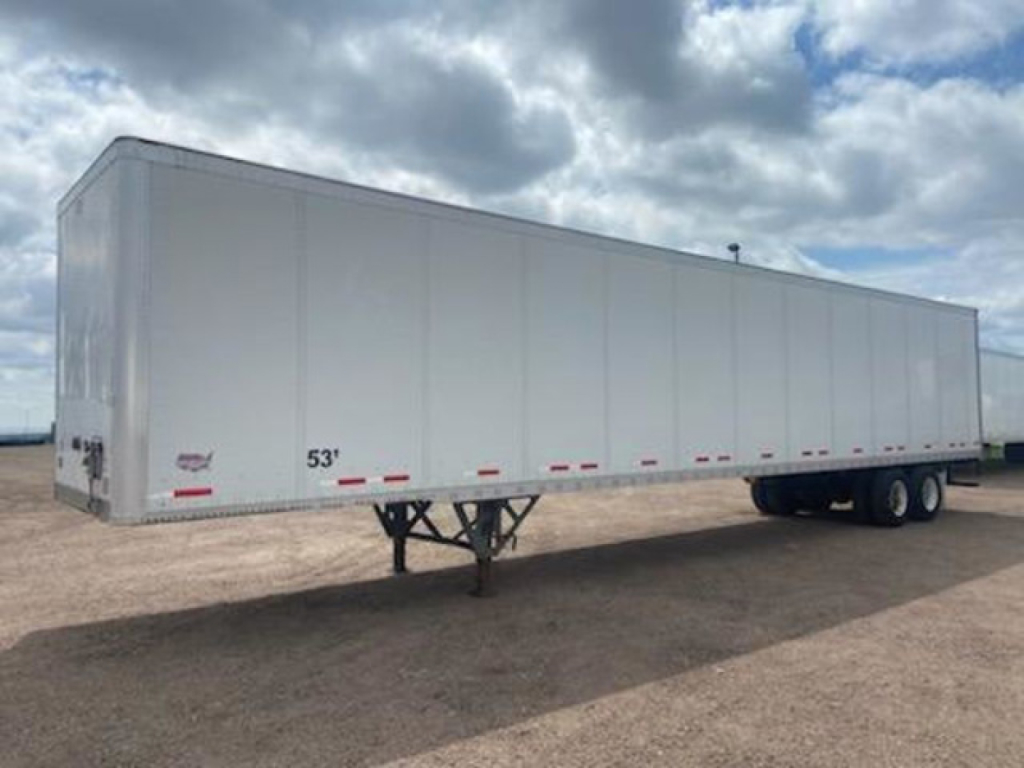
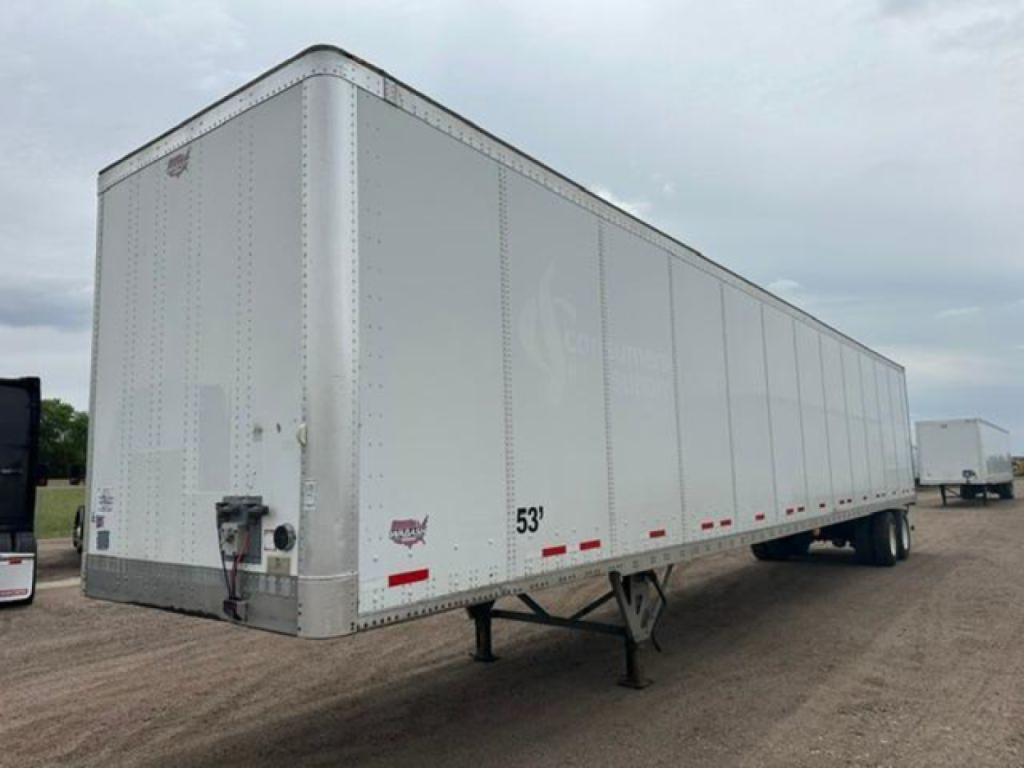
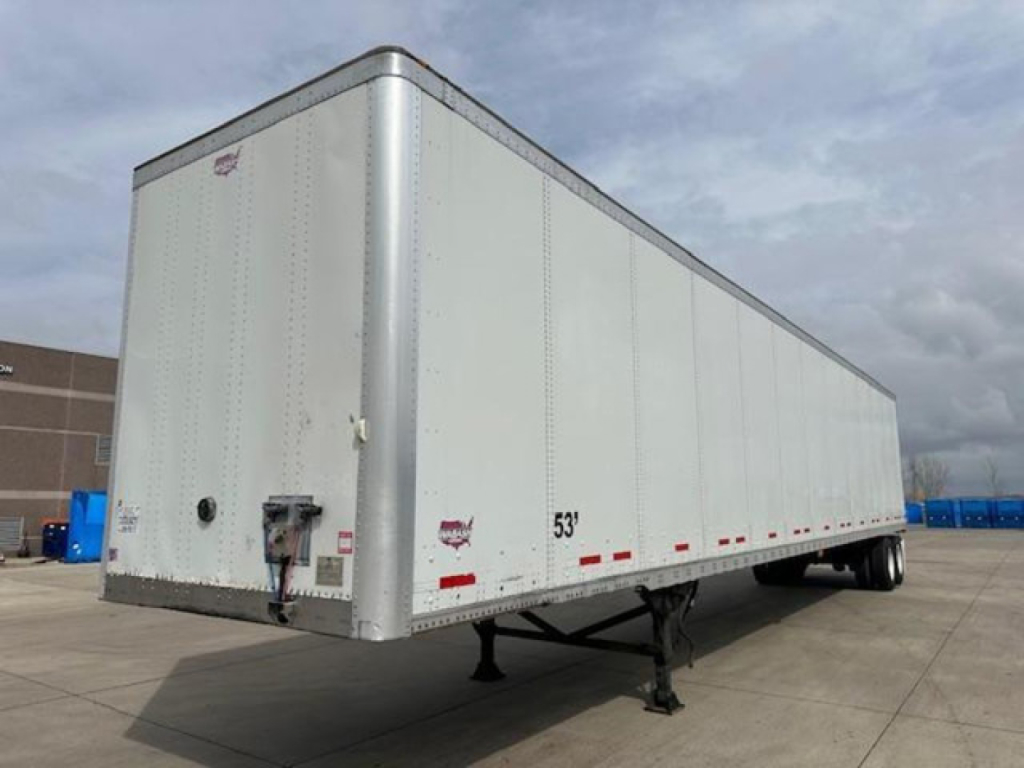
Selling a used wabash trailer? List your used wabash trailer for sale and reach thousands of commercial buyers.
Used Wabash Trailers in South Dakota
For many buyers, the most important spec decisions come down to suspension, rear door style, roof construction, and interior lining. Air ride suspension is common on used Wabash vans because it helps protect freight and is preferred in many contract freight applications. Roll-up doors are popular for frequent dock work and city deliveries, though they can slightly reduce rear opening height compared with swing doors. Translucent roofs are also common on fleet dry vans because they improve interior visibility during loading. Plastic scuff liners or interior lining can help protect sidewalls from pallet and forklift contact, which matters on trailers that have seen regular distribution work.
A used Wabash dry van should be evaluated closely for the condition items that drive operating cost after purchase. Floor wear is a big one, especially around the rear and forklift traffic zones. Tire tread depth, uneven wear, brake condition, wheel-end health, crossmember integrity, and roof or sidewall repairs all deserve a hard look. Buyers should also confirm the door frame condition, inspect the rear impact guard, and look for signs of chronic dock damage. On older fleet vans, a clean maintenance history and evidence of consistent PM work can matter more than a small model-year difference. If the trailer will run heavier cube freight or high-cycle loading, the floor rating and overall structural condition should carry more weight than cosmetic appearance.
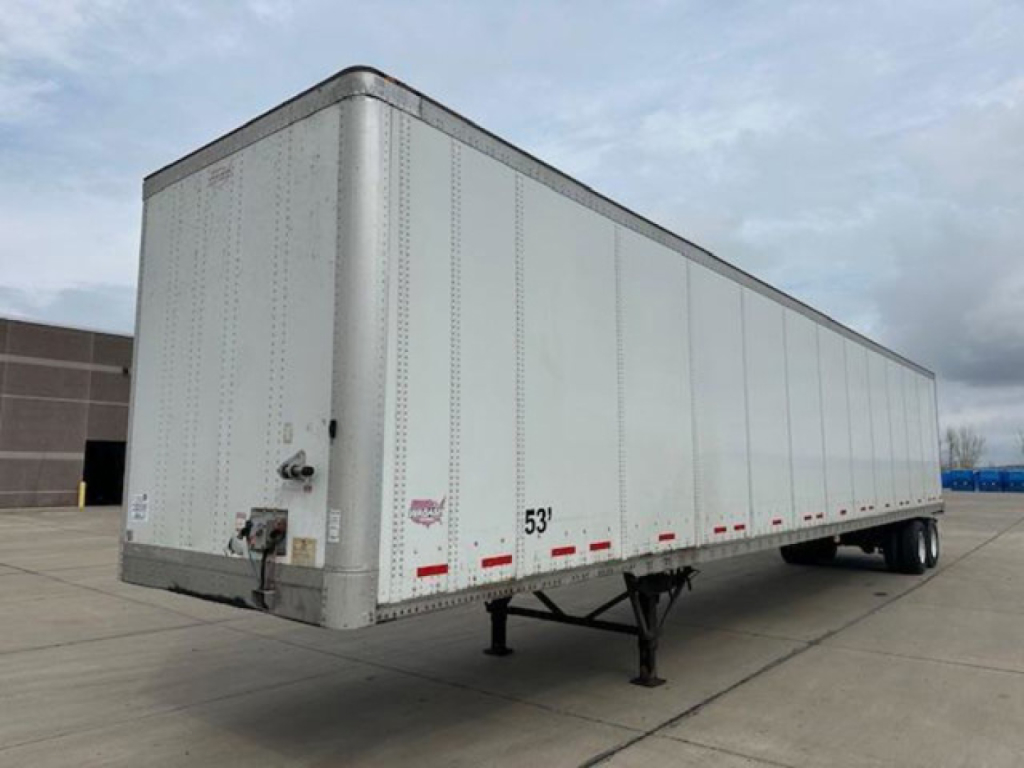
For South Dakota operations, weather exposure is part of the buying decision. Snow, freeze-thaw cycles, road chemicals, and wind can accelerate corrosion on undercarriage components, fasteners, and electrical connections. A used Wabash trailer that has solid wiring, a straight frame, sound landing gear, and a dry interior will usually be the better value than one with newer paint but hidden structural wear. Buyers moving general dry freight should focus on legal payload, dock compatibility, and how the trailer matches the lane. A 53-foot Wabash van with air ride, roll-up door, and a well-kept interior remains a practical setup for regional and long-haul service.
Frequently Asked Questions about Used Wabash Trailers in South Dakota
What are the most common specs on a used Wabash dry van trailer?
The most common setup is a 53-foot dry van with tandem axles, air ride suspension, a roll-up rear door, and a translucent roof. Many units also include plastic scuff liners to protect the interior walls from forklift and pallet damage. Exact specs vary by original fleet order, so buyers should verify suspension, floor type, door opening, tire condition, and any weight-saving or durability options on each trailer.
Is air ride suspension worth it on a used Wabash trailer?
Air ride is worth strong consideration if the trailer will haul freight that is damage-sensitive or if the lane requires smoother ride quality. It is common on dry vans used in retail, packaged goods, and dedicated contract freight. Buyers should still inspect the suspension carefully for air bag condition, valve performance, and signs of axle alignment issues, because ride quality only helps if the system is in good working order.
What should I inspect first on a used Wabash van trailer?
Start with the floor, roof, tires, brakes, and rear frame area. The floor tells you a lot about how hard the trailer has worked, especially near the rear where forklifts load and unload. Then inspect tire tread depth and wear pattern, look over the brake system, check for leaks or damage around the roof and upper rails, and examine the rear door frame and underride guard for dock or impact damage. Structural condition matters more than cosmetic appearance on a working van trailer.
Are roll-up doors better than swing doors on a dry van?
Roll-up doors are often preferred for frequent dock loading because they are quick to operate and less exposed to damage from wind or tight spaces behind the trailer. They are common on fleet dry vans, including many used Wabash trailers. The tradeoff is that a roll-up door can reduce full rear opening height and adds components that should be inspected for smooth operation, track wear, and seal condition.
What matters most when buying a used trailer in South Dakota?
In South Dakota, buyers should pay close attention to corrosion, wiring condition, and signs of weather-related wear. Snow, road treatment chemicals, and temperature swings can affect undercarriage components, electrical systems, and fasteners over time. A trailer with a straight frame, dry interior, healthy wheel ends, and clean electrical function is usually a better long-term purchase than one that looks clean outside but has hidden rust or structural issues underneath.