
Used 2016 Wabash Trailers For Sale in South Dakota
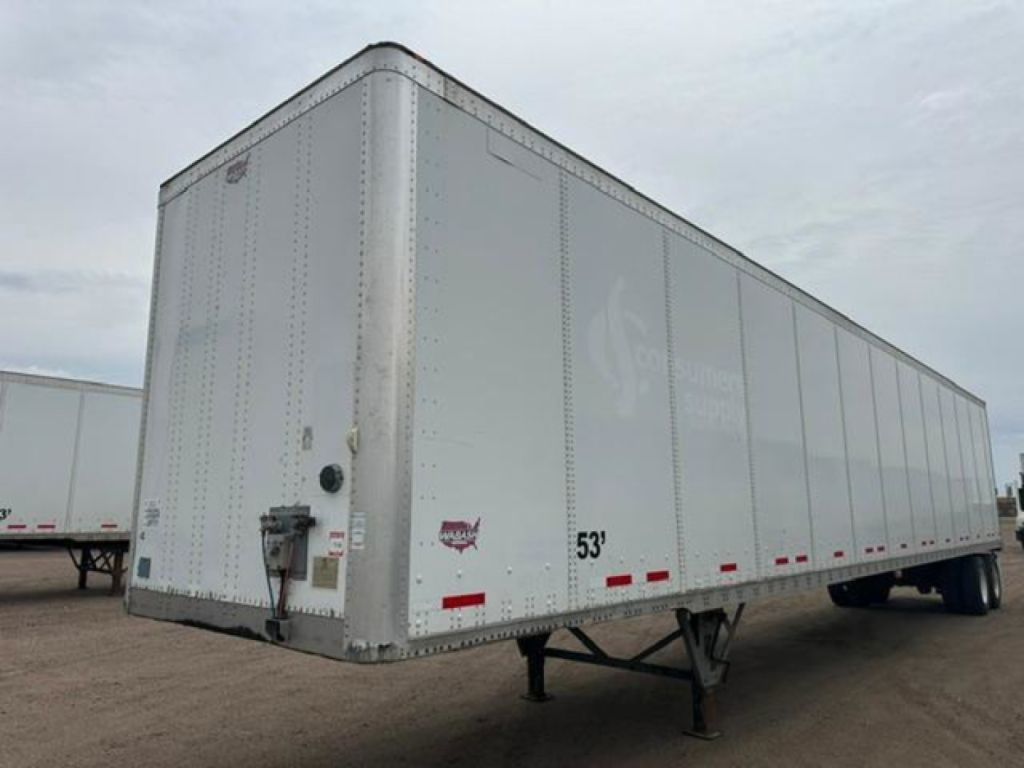
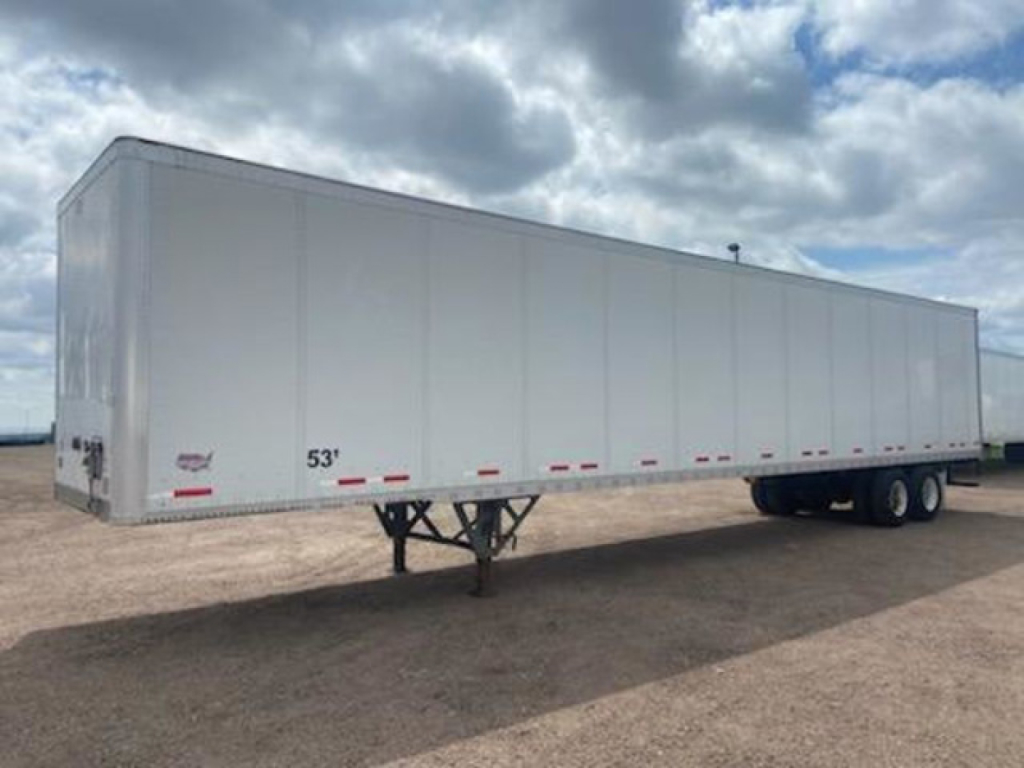
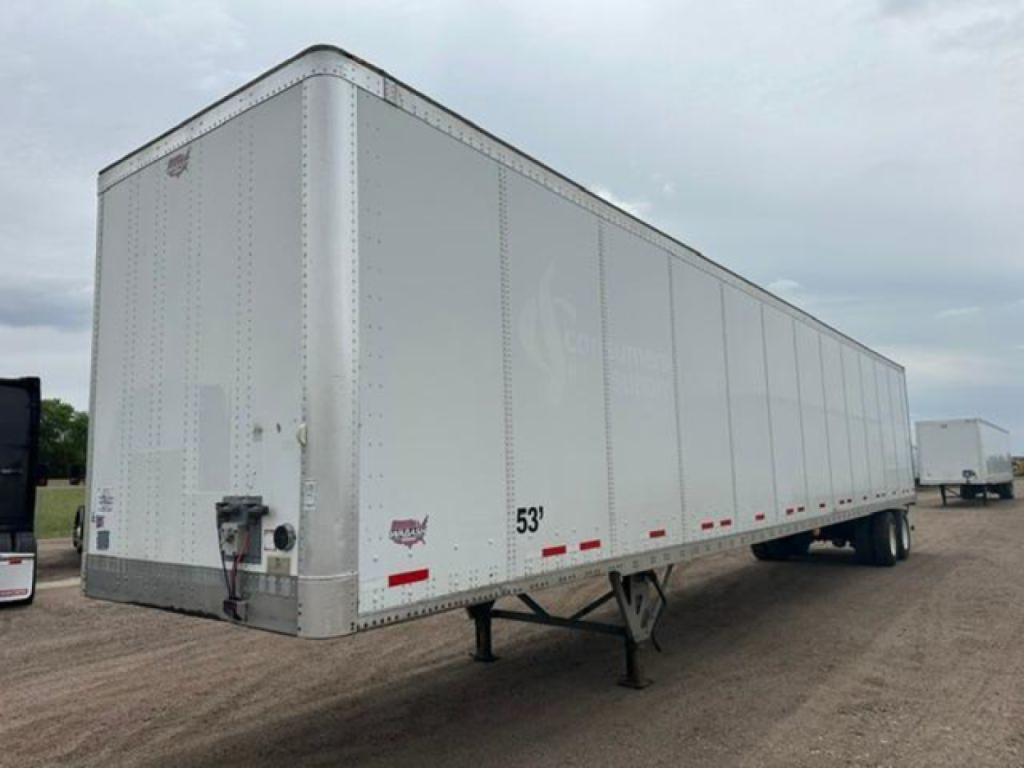
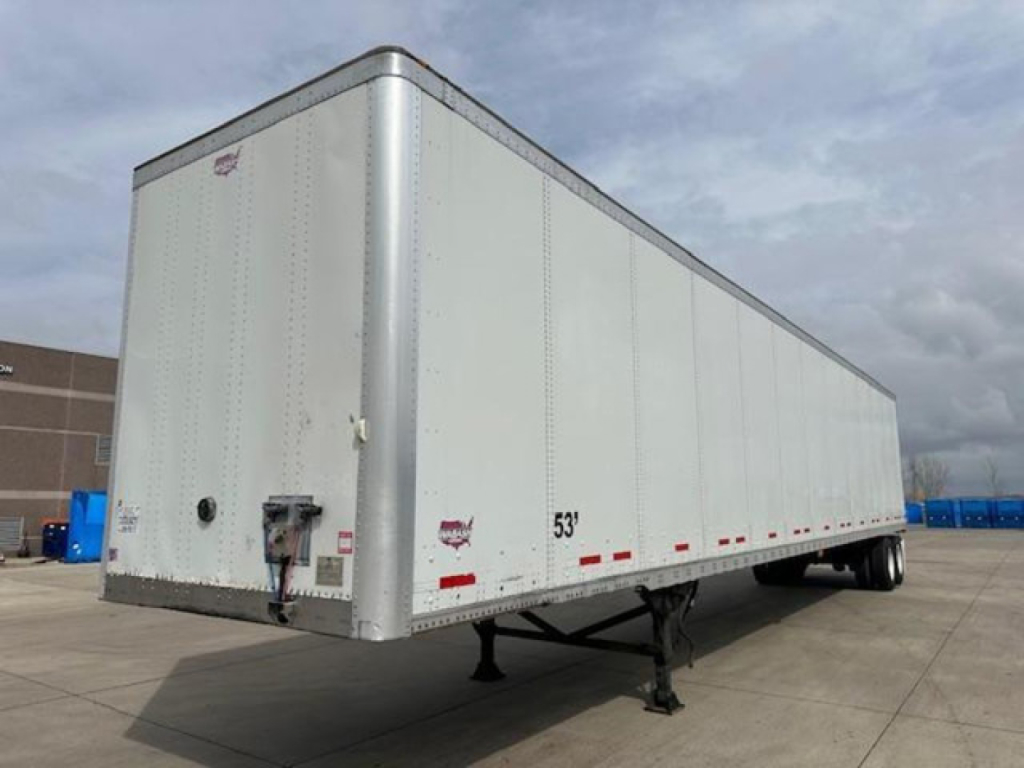
Browse used 2016 Wabash trailers for sale, including 53-foot dry van models with air ride, roll-up doors, and freight-ready specs.
Selling a used 2016 wabash trailer? List your used 2016 wabash trailer for sale and reach thousands of commercial buyers.
Used 2016 Wabash Trailers in South Dakota
A typical 2016 Wabash dry van in this class will be a tandem axle 53-foot trailer with air ride suspension, a logistic-post or sheet-and-post body design, and a translucent roof that improves daytime visibility inside the box. Roll-up doors are common on fleet vans used in multi-stop operations because they help at tight docks and reduce door-swing clearance issues. Plastic lining or scuff protection is another common feature because it helps protect the sidewalls from forklift and pallet contact. Buyers should also pay close attention to tire condition in 32nds, brake life, floor wear, rear frame condition, roof repairs, and signs of impact around the front corners and threshold.
For South Dakota operations, trailer condition matters as much as base spec. Freeze-thaw cycles, road chemicals, wind exposure, and long highway miles can show up in crossmember corrosion, wiring issues, door seal wear, and suspension bushing fatigue. A good used 2016 Wabash trailer should be checked for floor soft spots, ICC bumper damage, slider operation, ABS function, and rivet or seam integrity along the roof and side panels. Kingpin wear and upper coupler plate condition are also worth inspecting closely, especially on trailers that have spent years in regional fleet service with frequent hook-and-drop use.
From a resale and maintenance standpoint, Wabash remains one of the easier van trailer brands to support because shops are familiar with the platform and replacement parts are widely available. Buyers comparing multiple used 2016 Wabash trailers should look beyond price and compare door style, lining, suspension, tire match, brake spec, and overall structural condition. A clean 2016 Wabash van with straight rails, a solid floor, dry roof, and consistent tire wear can still be a productive freight trailer for general dry van service.
Frequently Asked Questions about Used 2016 Wabash Trailers in South Dakota
What are the most common specs on a used 2016 Wabash trailer?
The most common setup is a 53-foot dry van with tandem axles, air ride suspension, and either swing doors or a roll-up rear door. Many 2016 Wabash vans also have translucent roofs for better interior light and plastic scuff lining to protect the walls from freight damage. Exact specs still vary by original fleet order, so buyers should confirm suspension type, door configuration, interior dimensions, and floor condition on each trailer.
Is a 2016 Wabash dry van still a good trailer for general freight?
Yes, a well-maintained 2016 Wabash dry van can still be a very practical trailer for general freight, retail, and palletized loads. The key is condition, not just age. Buyers should inspect the floor, roof, rear frame, crossmembers, brakes, tires, and slider area to make sure the trailer is still structurally sound and ready for road use. A trailer with a solid maintenance history and straight body can continue to perform well in regional or over-the-road service.
What should I inspect first on a used Wabash van trailer?
Start with the structural and wear items that affect uptime and repair cost. Check the trailer floor for rot, delamination, or forklift damage, then inspect the roof for patches or leaks and the sidewalls for impact damage or buckling. After that, review tire tread depth, brake condition, suspension wear, ABS operation, kingpin wear, and rear door seal integrity. Uneven tire wear or hard slider movement can also point to alignment or suspension issues.
Are roll-up doors better than swing doors on a 2016 Wabash trailer?
Roll-up doors are often preferred for multi-stop delivery and tight dock environments because they do not require clearance behind the trailer to open. They can improve convenience and reduce the chance of door damage in crowded yards. Swing doors are usually simpler and lighter, and some operators prefer them for maximum rear opening access and easier maintenance. The better choice depends on freight type, dock conditions, and how often the trailer is loaded and unloaded.
Why do buyers look for air ride suspension on used dry vans?
Air ride suspension is popular because it generally provides better ride quality for freight and can reduce shock transfer compared with spring ride. That matters for palletized consumer goods, packaged freight, and other loads that benefit from smoother trailer movement. Air ride is also a common fleet spec on late-model dry vans, so it tends to match what many carriers want in a road trailer. Buyers should still inspect air bags, valves, shocks, and suspension components for wear before purchase.