
Used Wabash Van Trailers For Sale in South Dakota
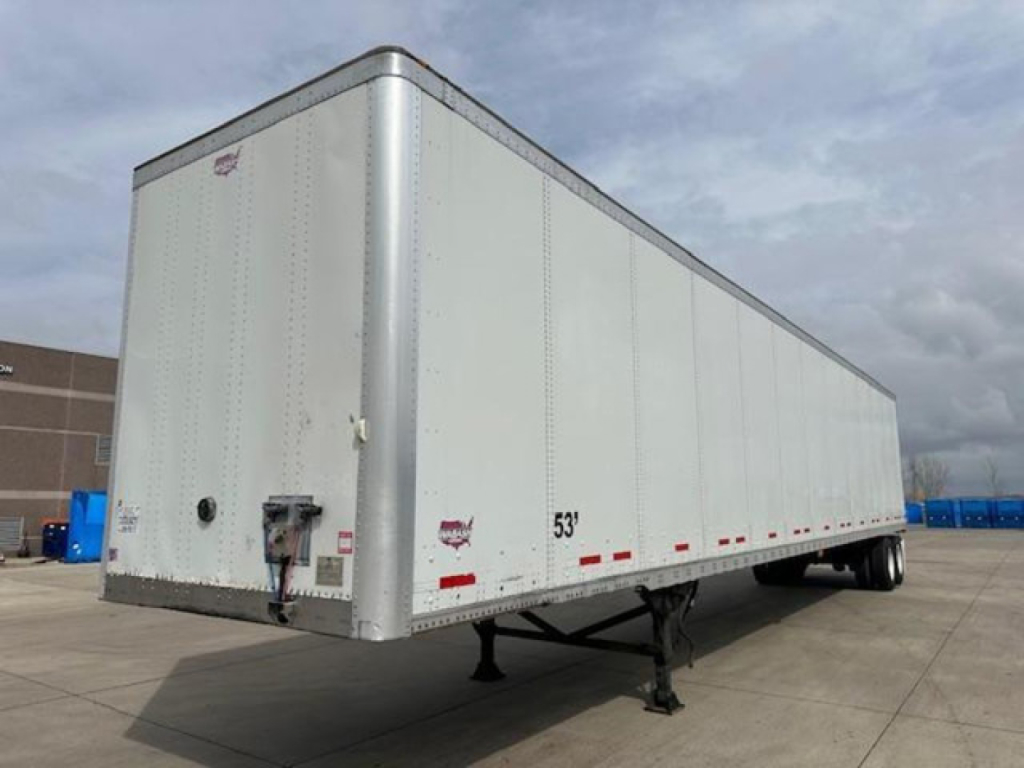
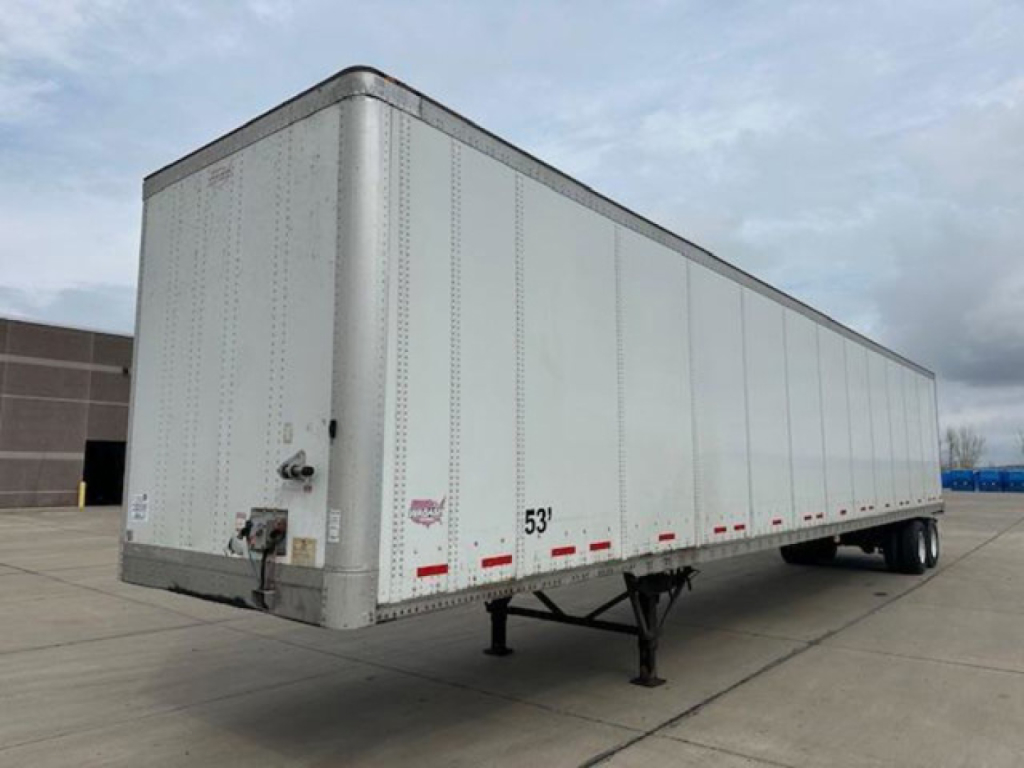
Used Wabash van trailers for sale in South Dakota. Compare 53-foot dry vans with air ride, roll-up doors, roof and lining specs.
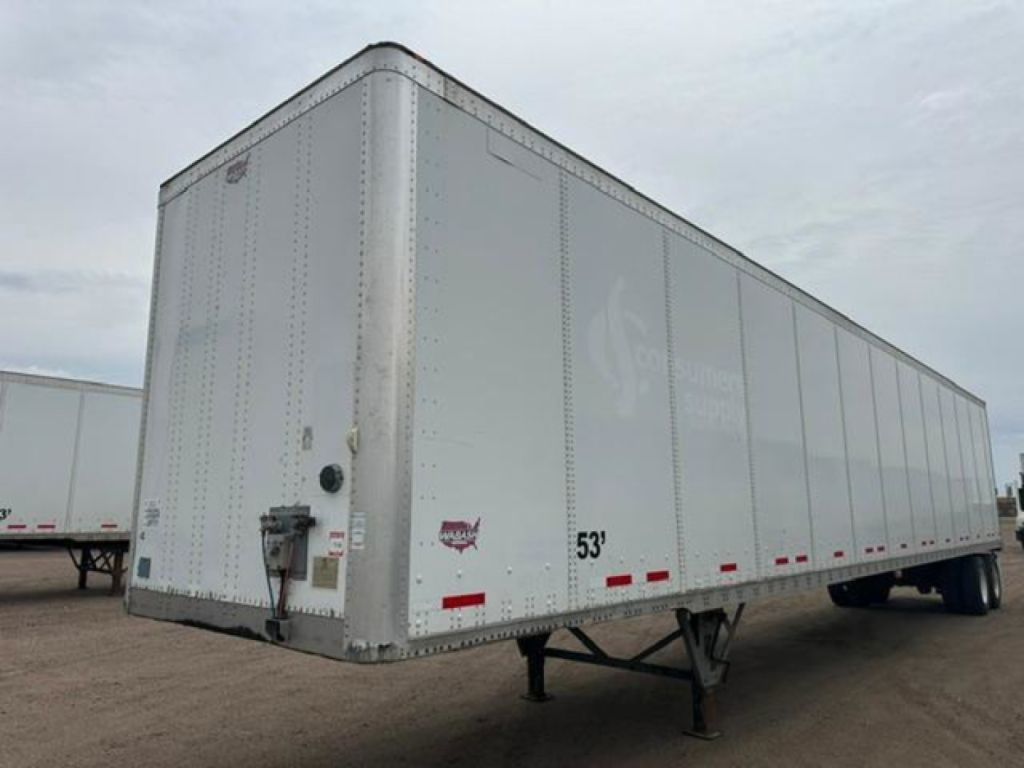
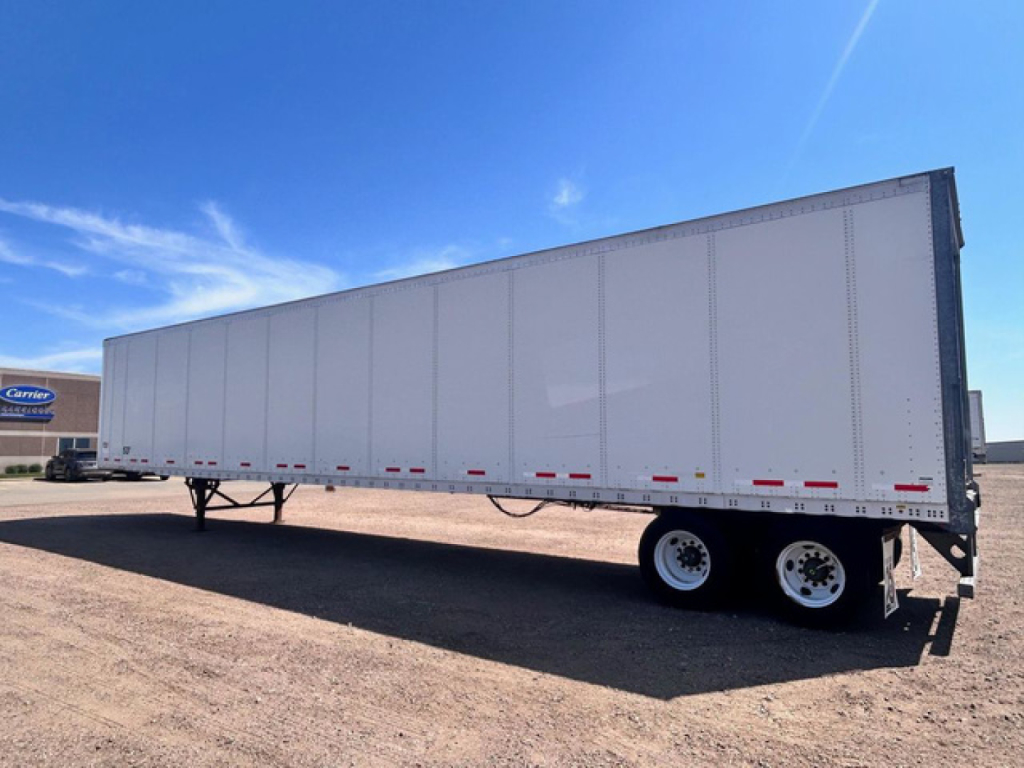
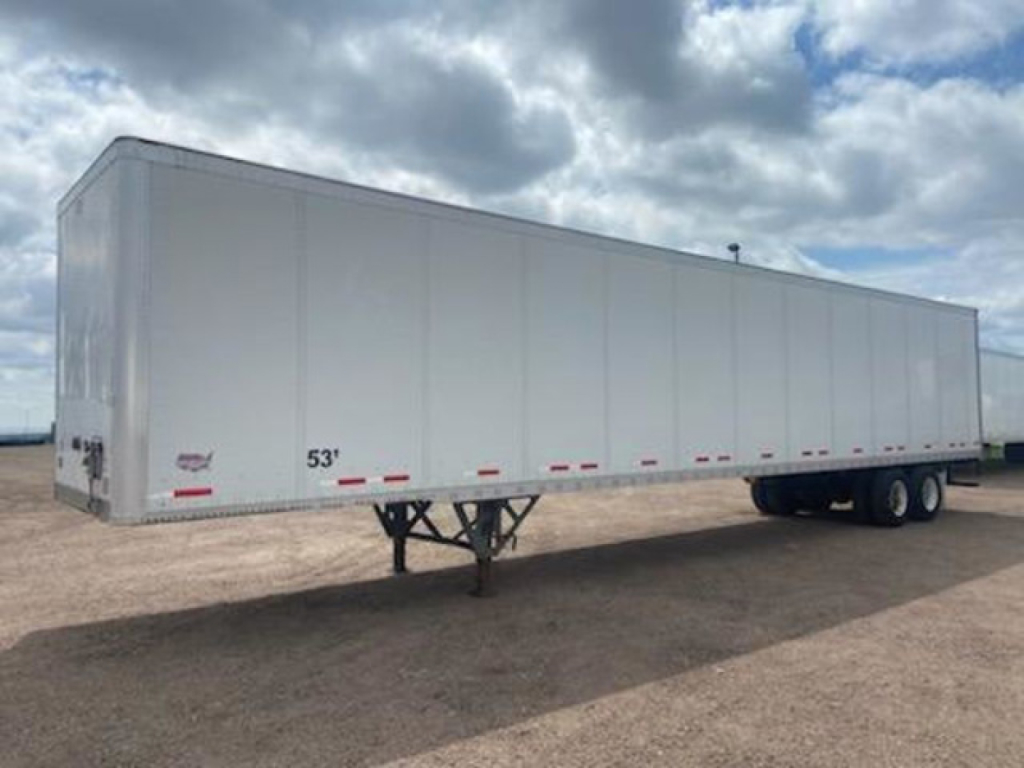
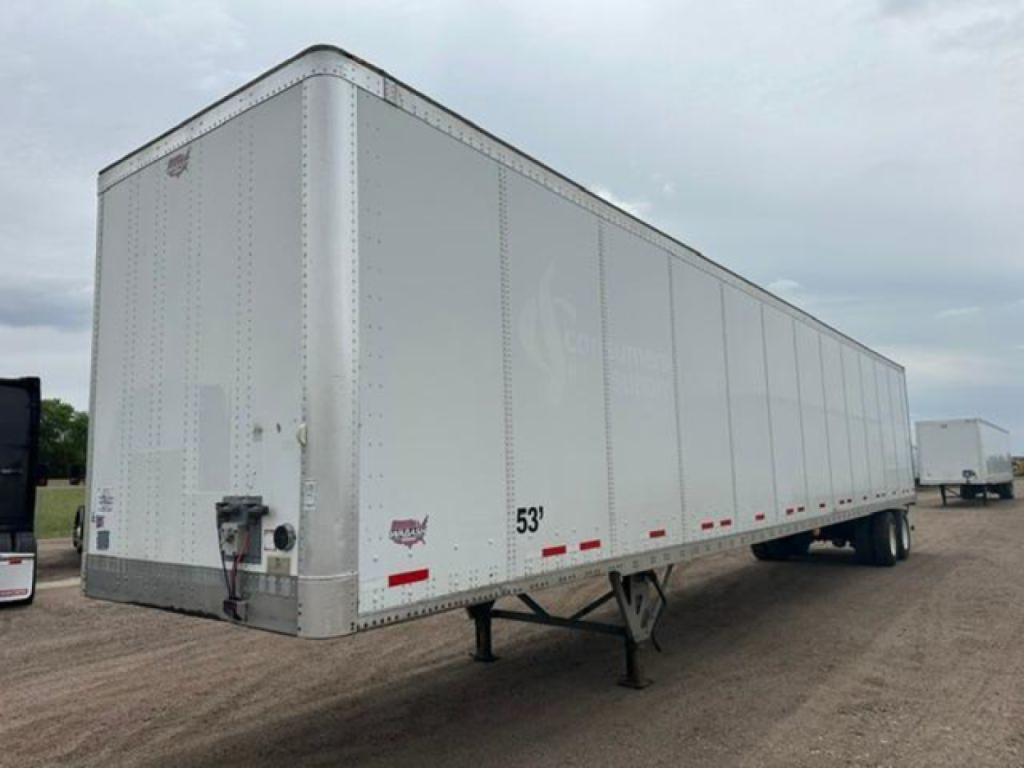
Have used wabash van trailer to sell? List it here to reach thousands of buyers.
Used Wabash Van Trailers in South Dakota
A typical Wabash van trailer in this class will be spec'd with air ride suspension, swing or roll-up rear doors, and a lined interior. Air ride matters for damage-sensitive freight and helps keep the trailer attractive to a wider range of customers. Roll-up doors are convenient in multi-stop and dock-heavy applications, but they can reduce rear opening height and add maintenance points compared with swing doors. Plastic scuff liners or full interior lining help protect sidewalls from forklift and pallet contact, which is important on used dry vans where wall condition can tell you a lot about prior use. A translucent roof is another common feature and can improve interior visibility during loading without relying entirely on dock lighting.
On a used Wabash van, condition checks should go beyond the basic year and mileage of the fleet it came from. Look closely at roof bows, front wall repairs, crossmember condition, floor wear from concentrated forklift traffic, and signs of sidewall patching or delamination. Tire tread depth, brake life, suspension bushings, and slider operation are all worth reviewing, especially on a 53-foot highway van expected to stay productive right away. Buyers running long interstate lanes across the Plains also tend to pay attention to trailer tracking, door seal condition, and any water intrusion history because wind, temperature swings, and year-round exposure can accelerate wear on older dry vans.
Wabash has long been a major name in dry van trailers, so parts access, service familiarity, and resale recognition are usually strong points in this category. That matters if you are standardizing a fleet or trying to keep maintenance simple across multiple locations. The best used Wabash van trailer for your operation depends on freight type and loading pattern more than brand alone. A lighter trailer may favor payload, while a heavily lined unit with air ride and a roll-up door may fit retail, distribution, or dedicated dock work better. For many buyers, the goal is a straight, dry, well-maintained van trailer with a solid floor, clean interior, and specs that match the freight mix.
Frequently Asked Questions about Used Wabash Van Trailers in South Dakota
What should I inspect first on a used Wabash van trailer?
Start with the floor, roof, sidewalls, rear frame, and suspension. On a dry van, floor rot, crossmember damage, roof leaks, wall repairs, and worn slider components can turn a low purchase price into a costly trailer. Also check tire tread, brake condition, door seals, and signs of water intrusion. A clean interior and straight exterior usually indicate the trailer has been handled better in service.
Are air ride Wabash van trailers better than spring ride for dry freight?
Air ride is preferred in many dry freight applications because it cushions cargo better and is more widely accepted by shippers handling packaged goods, consumer products, and damage-sensitive freight. It can also help trailer resale value because it appeals to a broader buyer base. Spring ride can still work in some operations, but air ride is generally the more versatile specification in a used 53-foot van trailer.
Is a roll-up door a good choice on a used dry van trailer?
A roll-up door is a practical choice for frequent dock work, city routes, and multi-stop operations because it opens quickly and stays clear of the dock area. The tradeoff is added weight, more moving parts, and sometimes less rear opening height than swing doors. On a used trailer, inspect the tracks, springs, panels, and seal condition carefully because door repairs can add up if the assembly has been hit repeatedly.
What freight is a Wabash van trailer typically used for?
A Wabash dry van trailer is commonly used for palletized general freight, retail merchandise, paper products, dry food loads, consumer goods, and packaged industrial materials. It is built to protect cargo from weather and road exposure, which makes it one of the most flexible trailer types in over-the-road service. The exact fit depends on the interior condition, door style, floor rating, and whether the trailer has the lining and suspension needed for your freight.
Why does roof and lining condition matter on a used van trailer?
Roof and lining condition affect both cargo protection and resale value. A translucent roof can improve loading visibility, but any cracks, failed sealant, or prior repairs need close inspection to prevent leaks. Interior lining and scuff protection help shield the walls from forklift impact and shifting pallets. If the lining is heavily damaged, missing, or patched poorly, it can signal harder use and possible hidden wall issues behind it.