
Used Wabash Trailers For Sale in Ohio
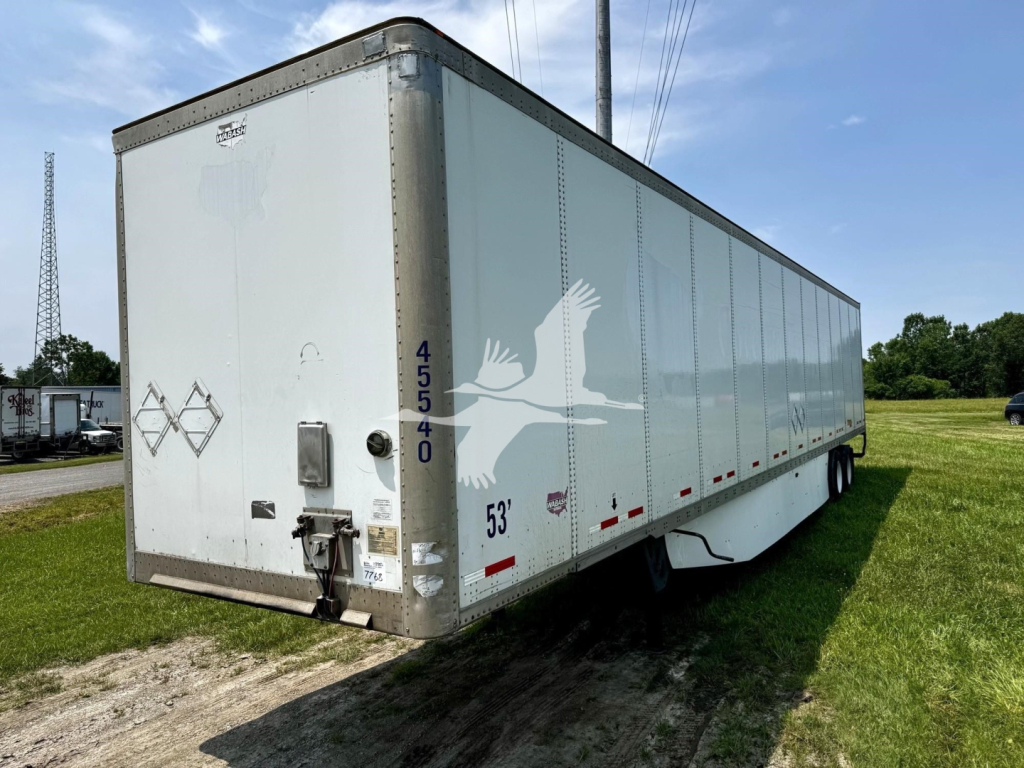
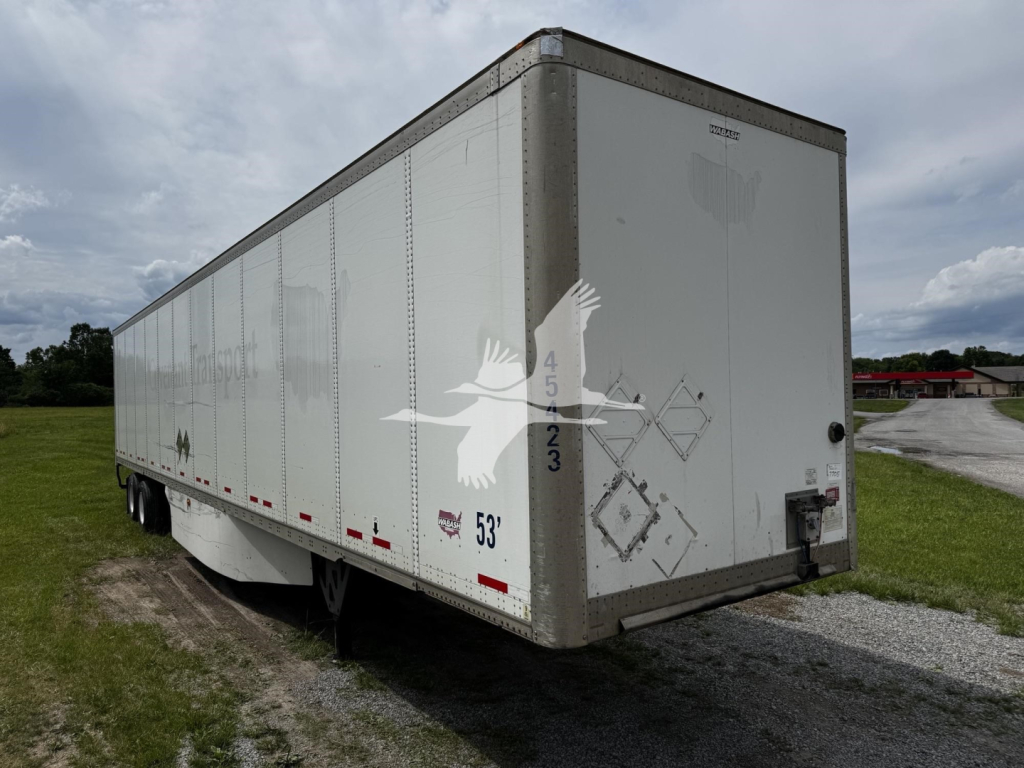
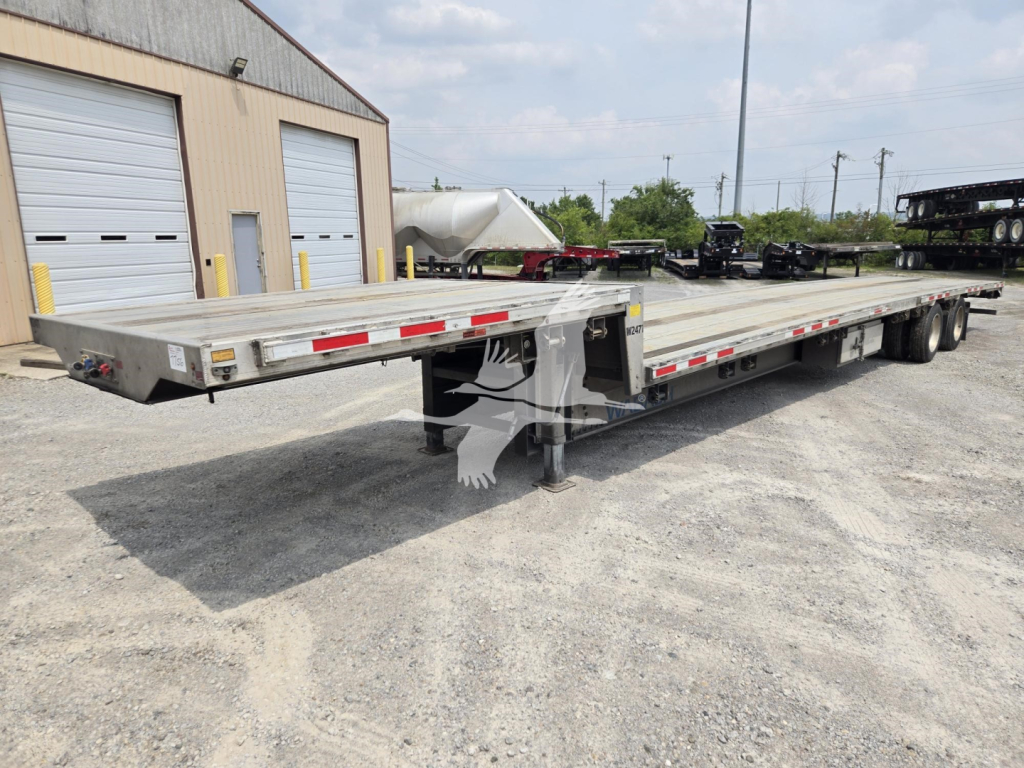
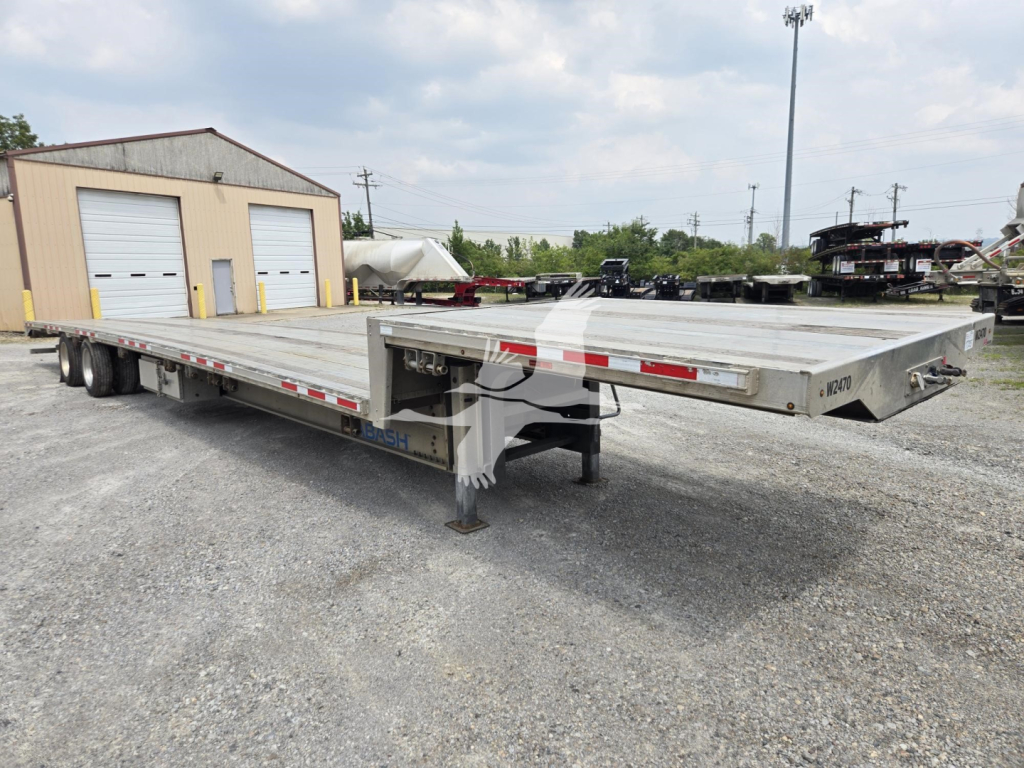
Browse used Wabash trailers for sale in Ohio, including dry vans and freight trailers built for regional haul, dock work, and fleet service.
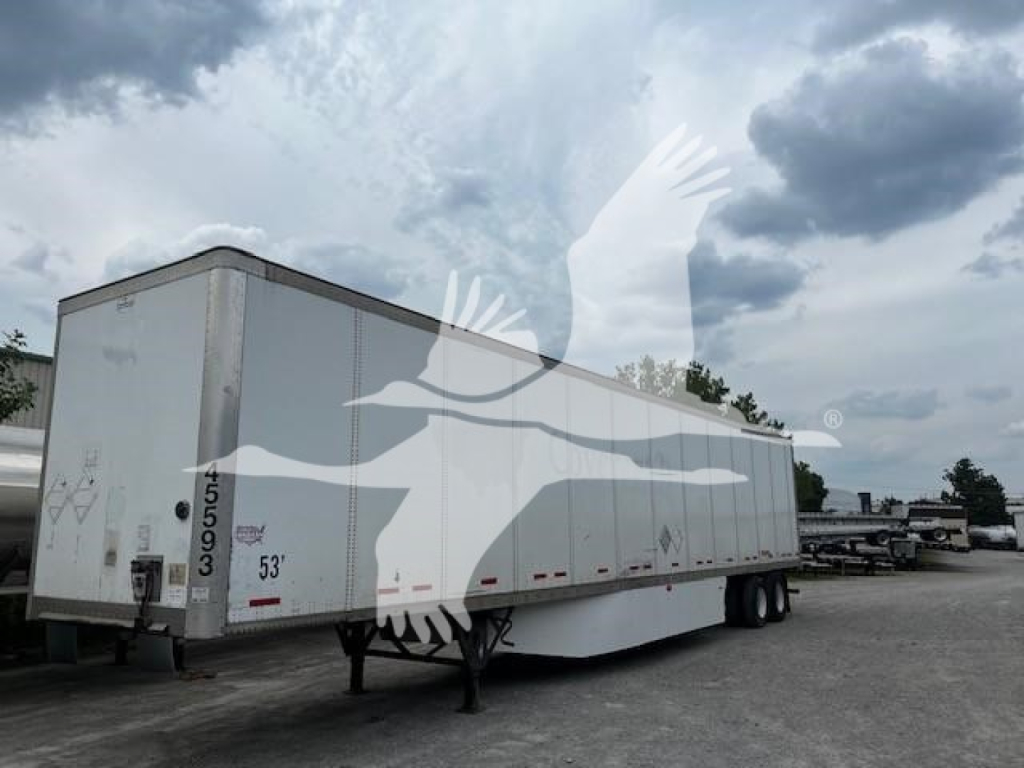
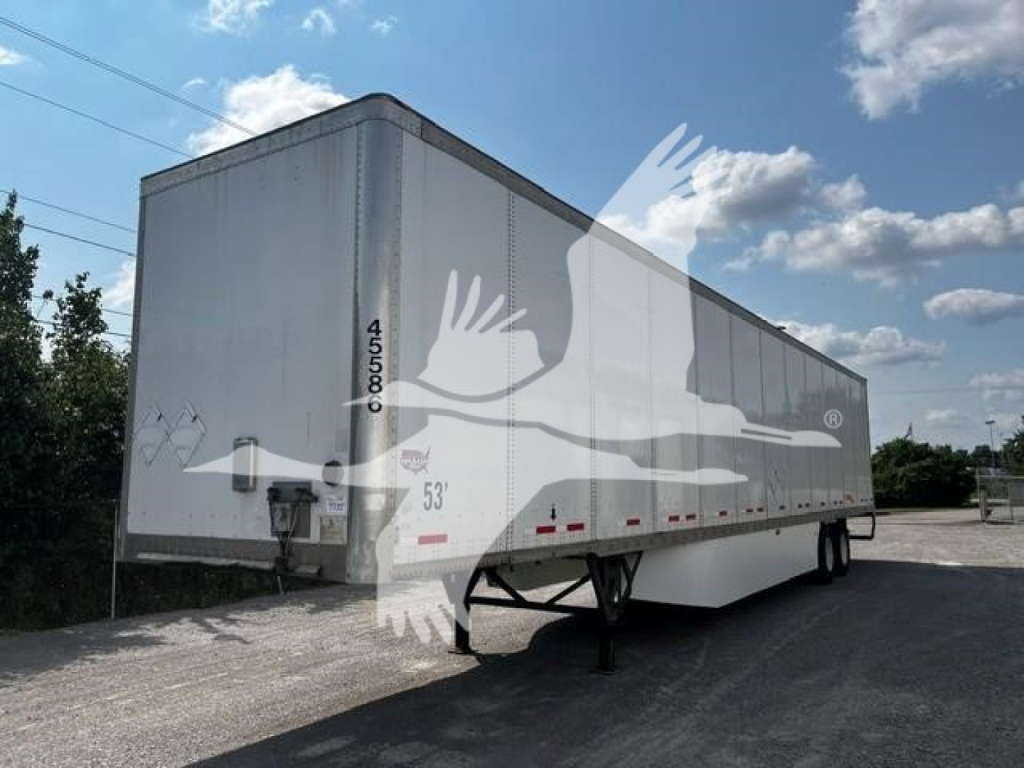
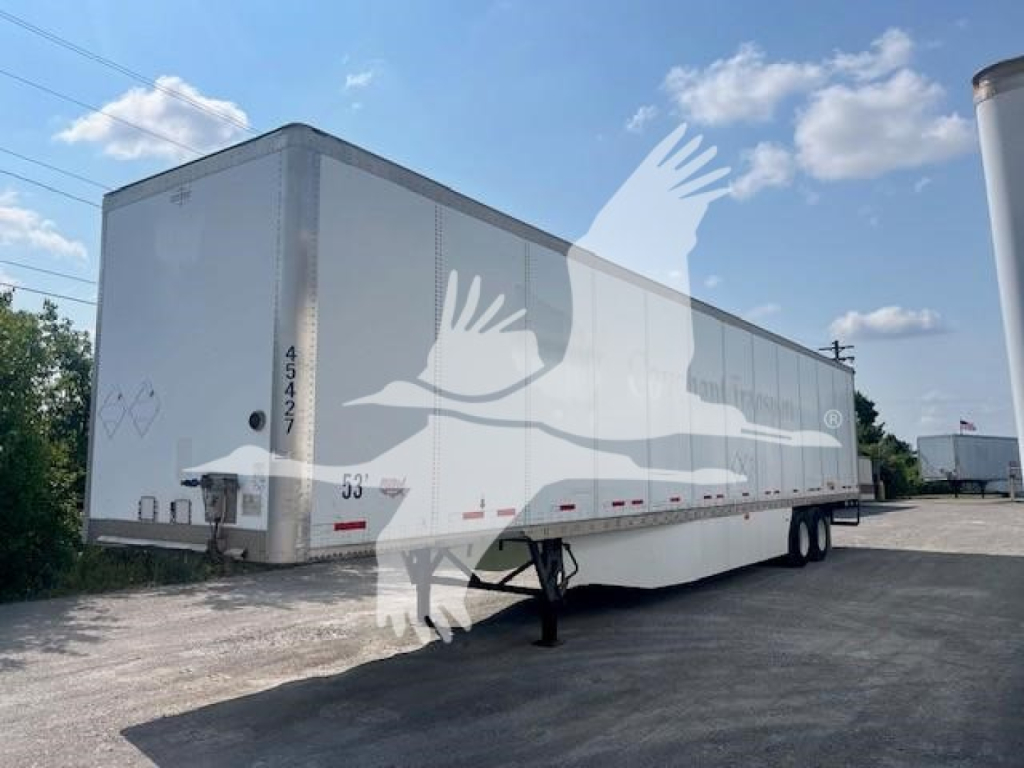
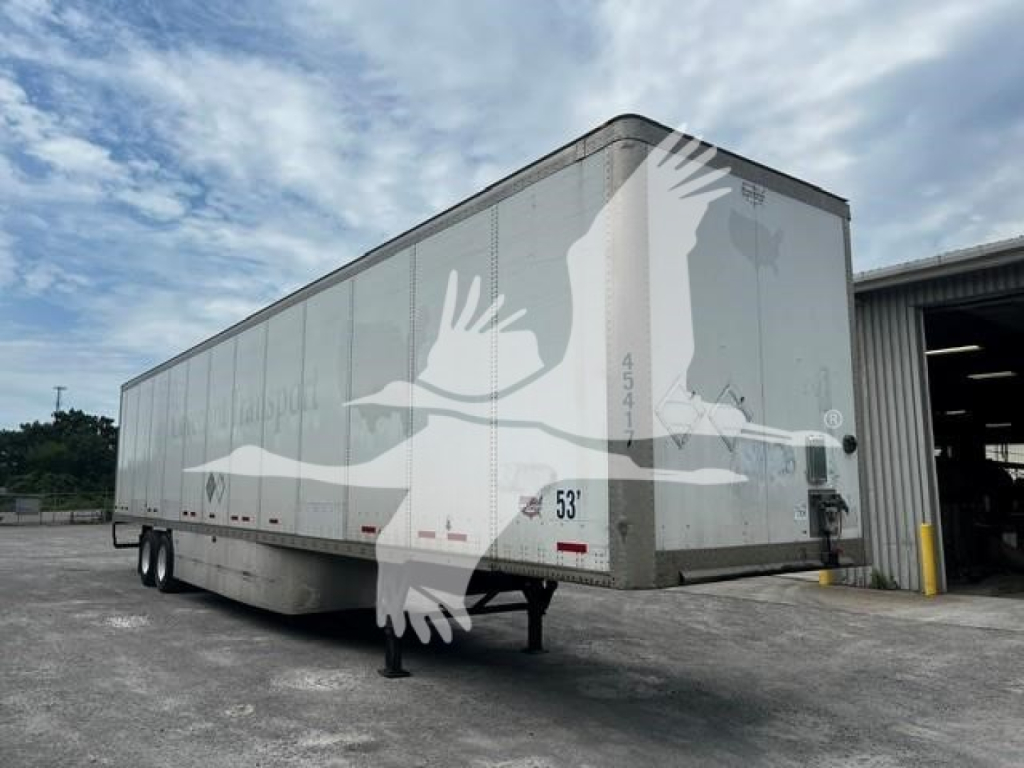
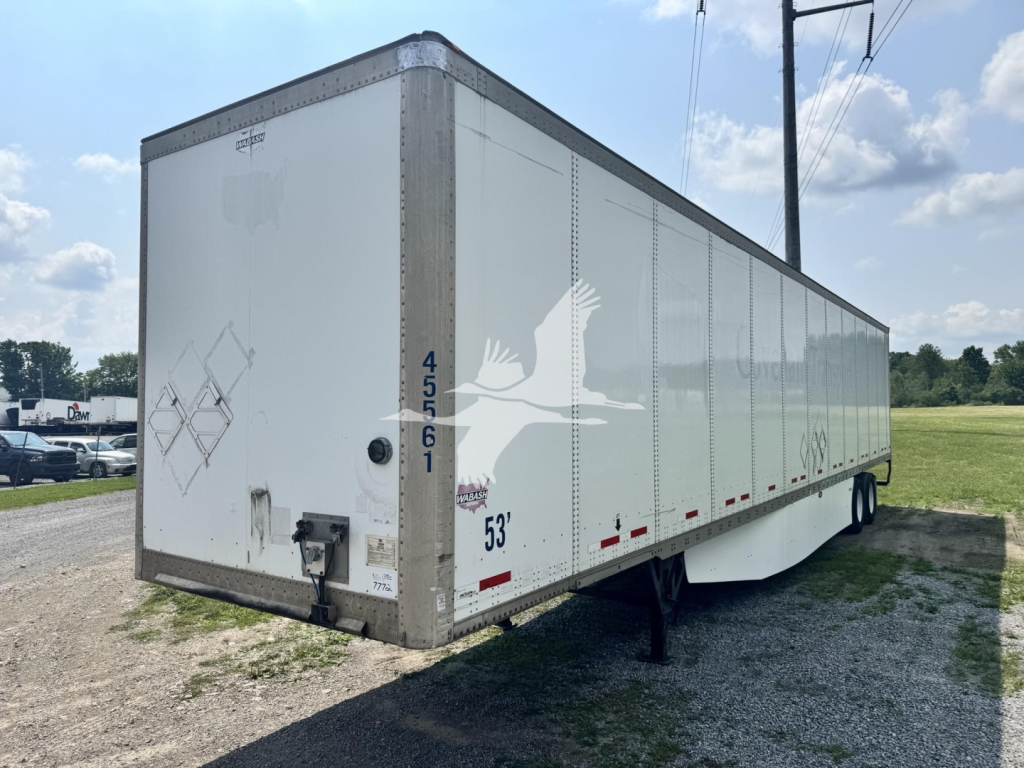
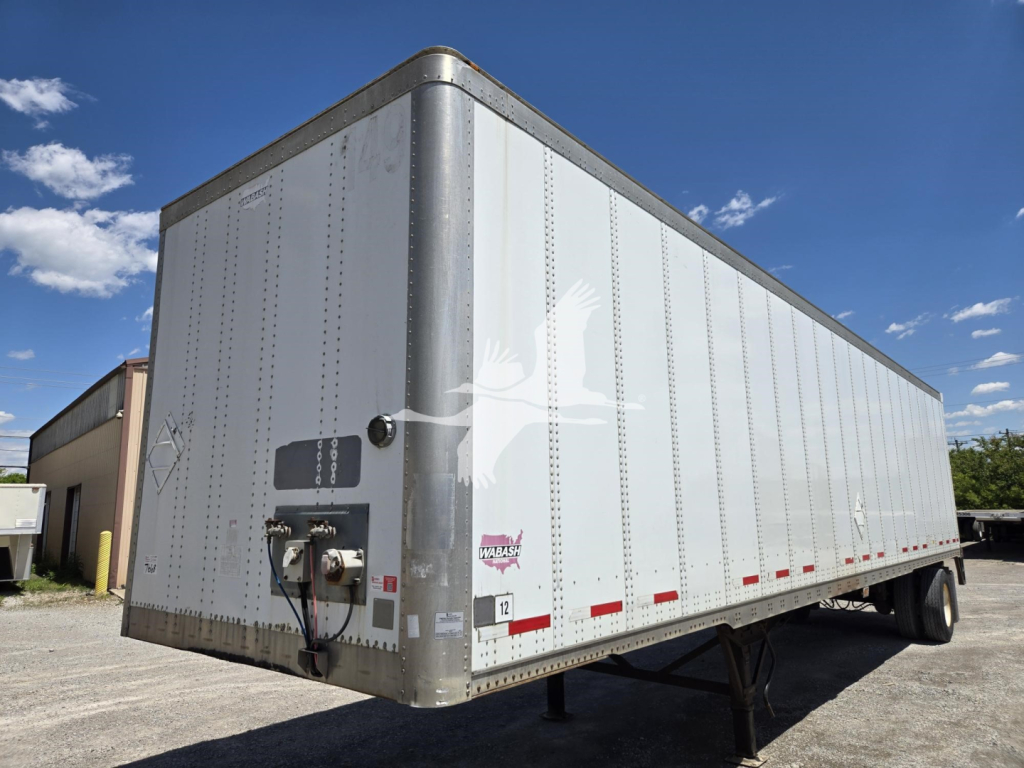
Selling a used wabash trailer? List your used wabash trailer for sale and reach thousands of commercial buyers.
Used Wabash Trailers in Ohio
For many buyers, the first decision is body type and dimensions. Wabash dry vans are frequently found in 53-foot and 48-foot lengths, though shorter 40-foot units also appear in local delivery and route applications. Common points to compare include inside height, door opening height, side post spacing, roof material, and floor construction. Plate trailers and sheet-and-post designs can serve different freight profiles, and details like steel scuff liners, logistic posts, E-track, roll-up doors, swing doors, and liftgates can materially change how useful a trailer is for your operation. If the trailer will live at a dock or move palletized freight every day, pay close attention to threshold plates, dock bumpers, rear frame condition, and floor wear around forklift traffic zones.
Running gear matters just as much as the box. Used Wabash trailers in this category may be equipped with air ride or spring suspension, tandem or single axle setups, steel or aluminum wheels, and common fleet components from suppliers like Hendrickson, Jost, and other major manufacturers. Buyers should review kingpin setting, landing gear condition, crossmember spacing, brake life, tire size, and remaining tread before comparing price alone. In Ohio, where a trailer may see interstate miles, winter weather, and frequent yard moves, corrosion around the rear sill, crossmembers, slider area if equipped, and suspension mounting points deserves a close inspection. Roof condition, door seal integrity, and evidence of sidewall repairs are also important on any used van trailer.
A used Wabash trailer can be a strong fit for private fleets, local distributors, warehouse shuttles, and carriers that need dependable freight capacity without paying for a new build. The best unit is usually the one with the right spec for your freight, not simply the newest model year. Buyers comparing used Wabash vans should focus on structural condition, maintenance history, dock compatibility, and how the trailer's dimensions and cargo-control setup match the lanes they run every week. A well-matched trailer will deliver more value than a cheaper unit that needs immediate floor, brake, suspension, or door work.
Frequently Asked Questions about Used Wabash Trailers in Ohio
What should I look at first when buying a used Wabash trailer?
Start with structural condition and operating spec. On a used Wabash trailer, inspect the floor for forklift damage, check the rear frame and threshold for dock impact wear, and look closely at crossmembers, landing gear mounts, suspension hangers, and the kingpin area. Then confirm that the trailer's dimensions, door style, inside height, suspension type, and cargo-control features actually fit your freight. A trailer that is sound structurally but poorly spec'd for your operation can cost more in downtime and loading inefficiency than a higher-priced unit with the right build.
Are used Wabash dry van trailers a good fit for regional freight in Ohio?
Yes. Used Wabash dry vans are commonly used in Ohio for regional distribution, warehouse transfers, and general palletized freight. They are well suited to repeated dock loading and interstate service when the trailer has been maintained properly. Buyers in Ohio should pay particular attention to rust, brake and tire condition, door seals, roof leaks, and suspension wear because winter exposure and yard use can accelerate wear in those areas.
How important are liftgates, roll-up doors, and interior protection on a used Wabash van?
These items can significantly affect day-to-day usefulness. A liftgate is valuable for route delivery and locations without docks, while a roll-up door can improve dock efficiency and reduce door swing issues in tight yards. Interior specs such as steel scuff liners, plate lining, logistic posts, and E-track help protect the trailer and improve cargo securement. If your freight involves hand unloads, mixed stops, or frequent forklift loading, these features should be evaluated as operating requirements rather than extras.
Do Wabash trailers hold value well on the used market?
In general, Wabash trailers remain desirable on the used market because the brand is widely recognized, commonly serviced, and heavily represented in commercial fleets. Resale value still depends on age, body condition, original fleet spec, and maintenance history. A clean used Wabash trailer with solid floors, straight sidewalls, good doors, and healthy brakes and tires will usually be easier to place than a neglected unit with hidden structural wear.
What trailer specs most affect price on a used Wabash trailer?
Length, axle configuration, suspension type, body construction, and freight-handling features tend to drive pricing. Dry van trailers with air ride suspension, liftgates, good floors, desirable inside heights, and strong remaining tire and brake life often command more than basic fleet vans. Condition is still the biggest factor. Repairs to floors, roofs, rear frames, doors, and suspension components can quickly erase any savings from a lower purchase price, so the best value usually comes from a trailer with a clean inspection profile and the right application spec.