
Used 2024 Wabash Trailers For Sale
Browse used 2024 Wabash trailers for sale, including dry van and freight trailer configurations with modern specs, lightweight construction, and fleet-ready features.
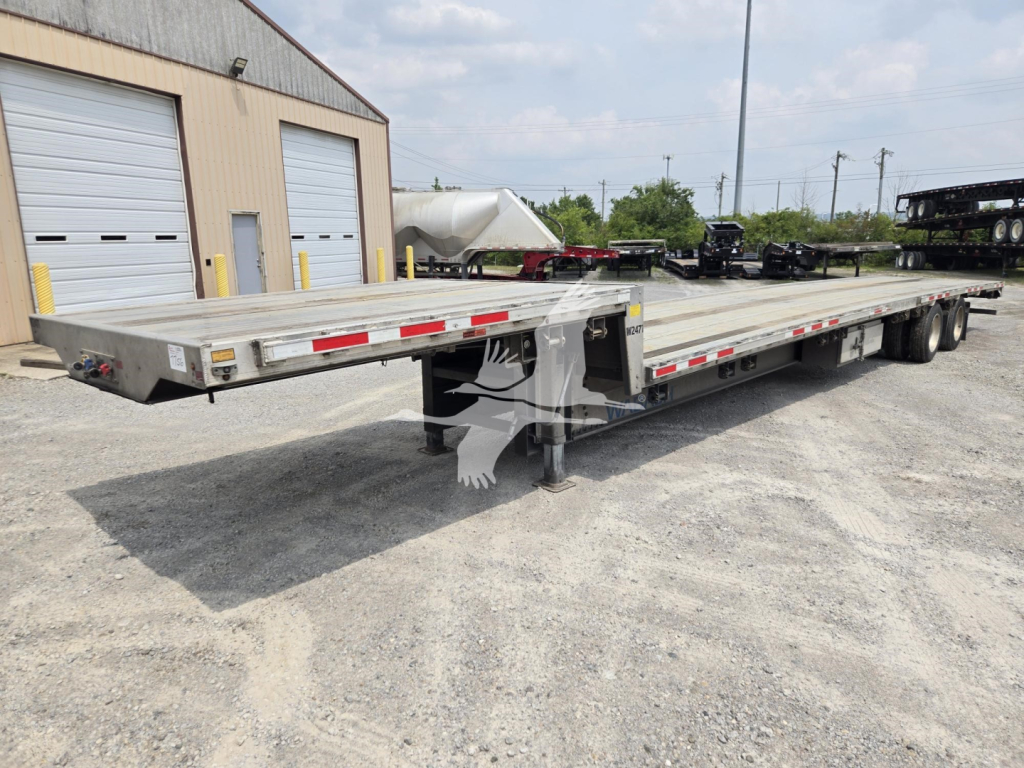
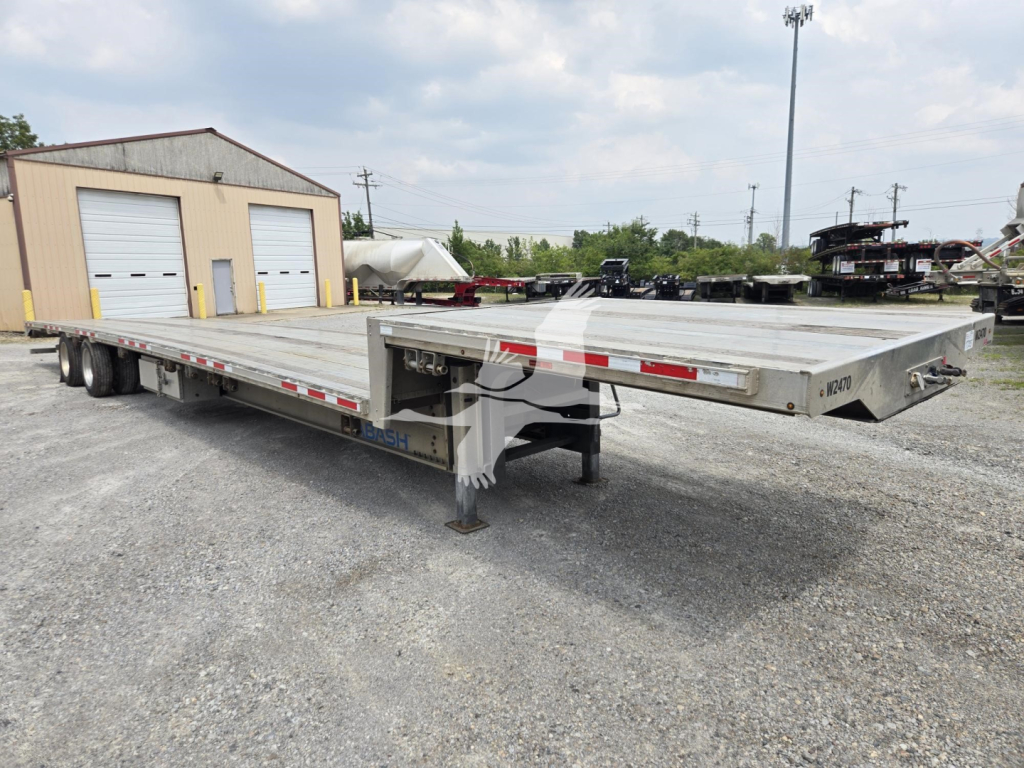
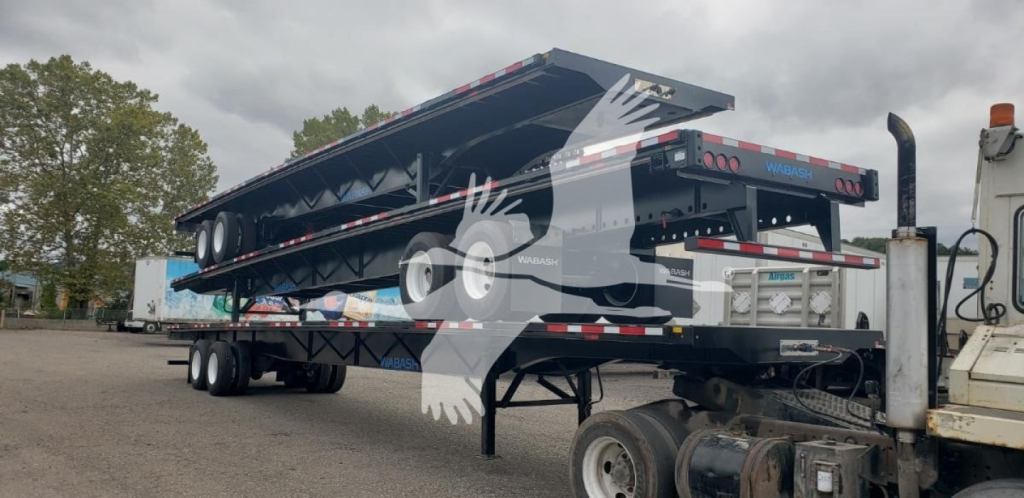
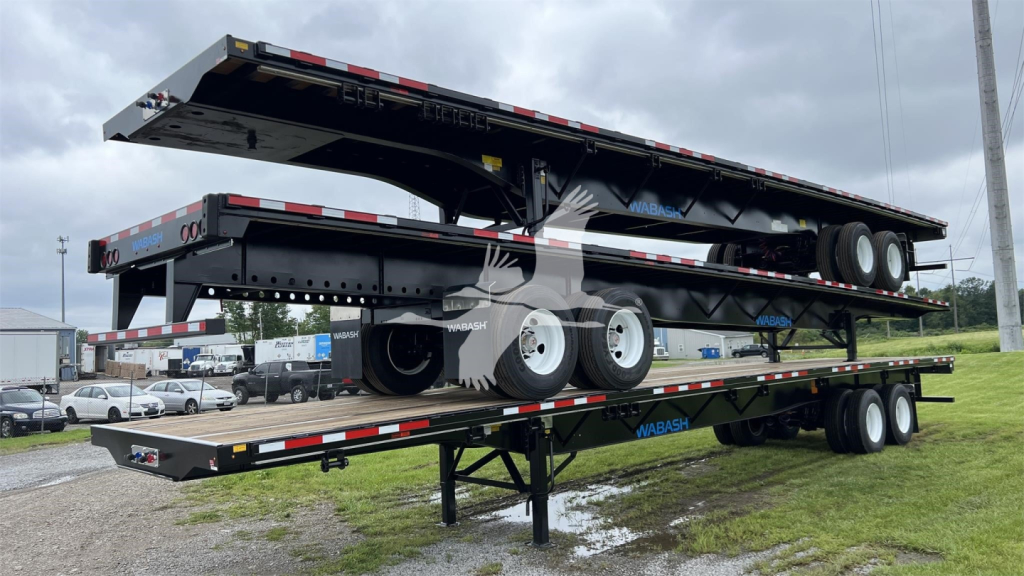
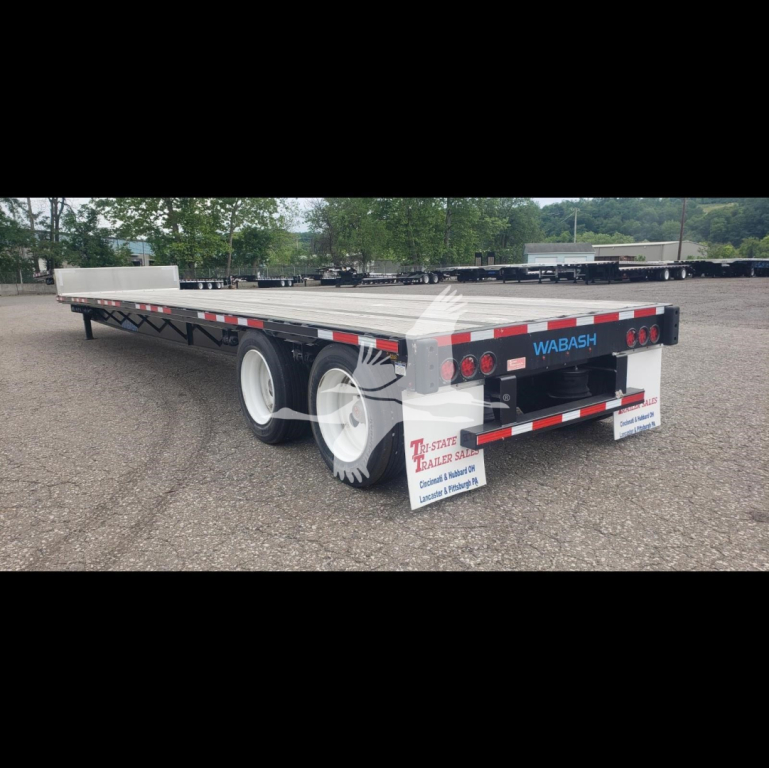
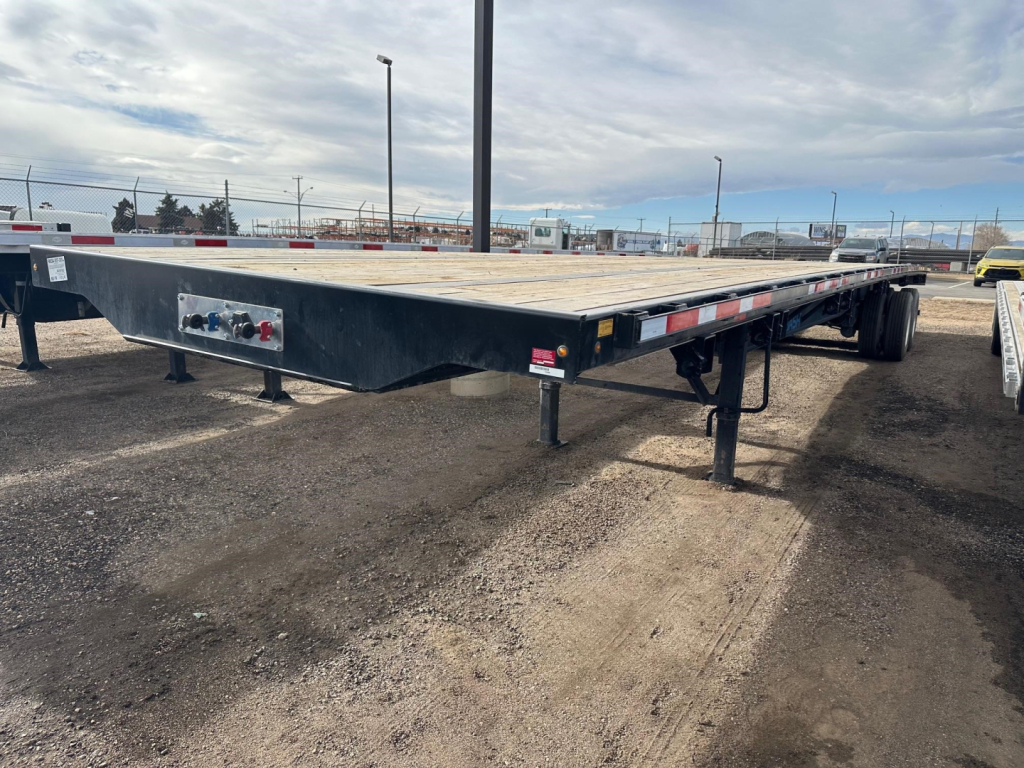
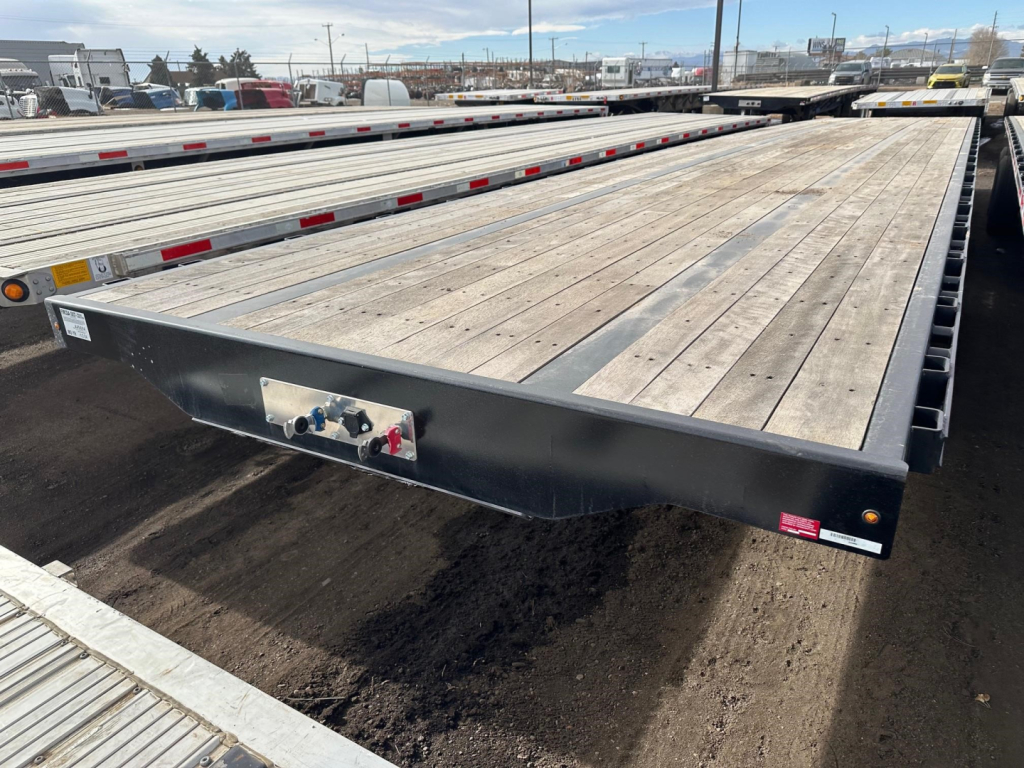
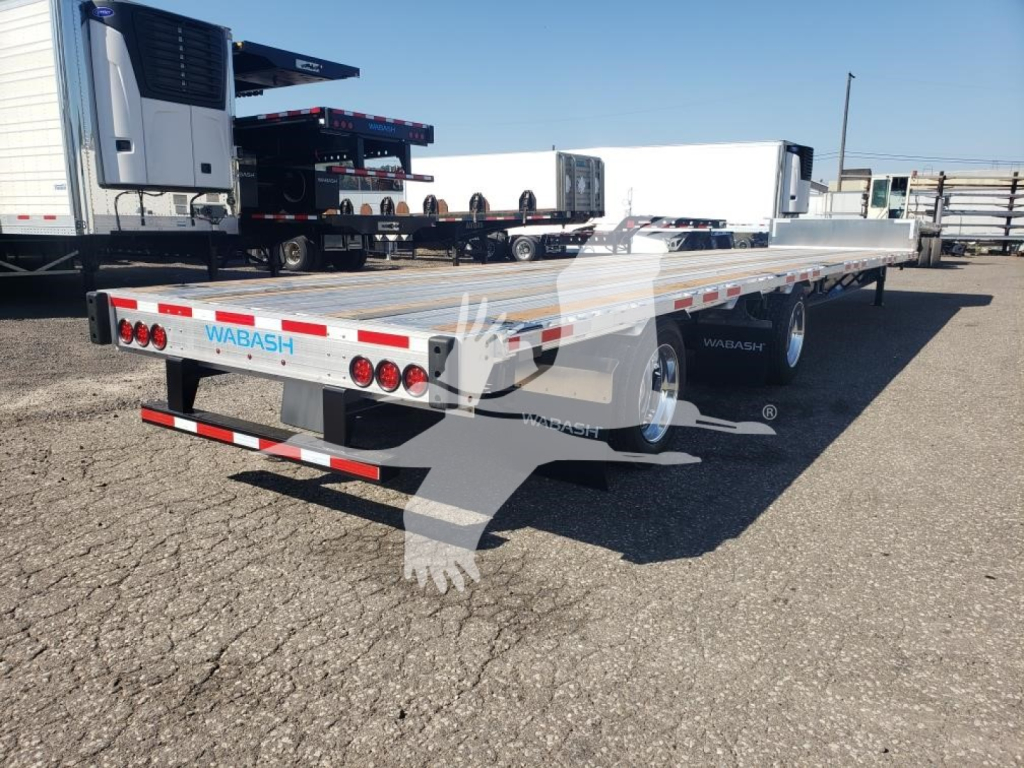
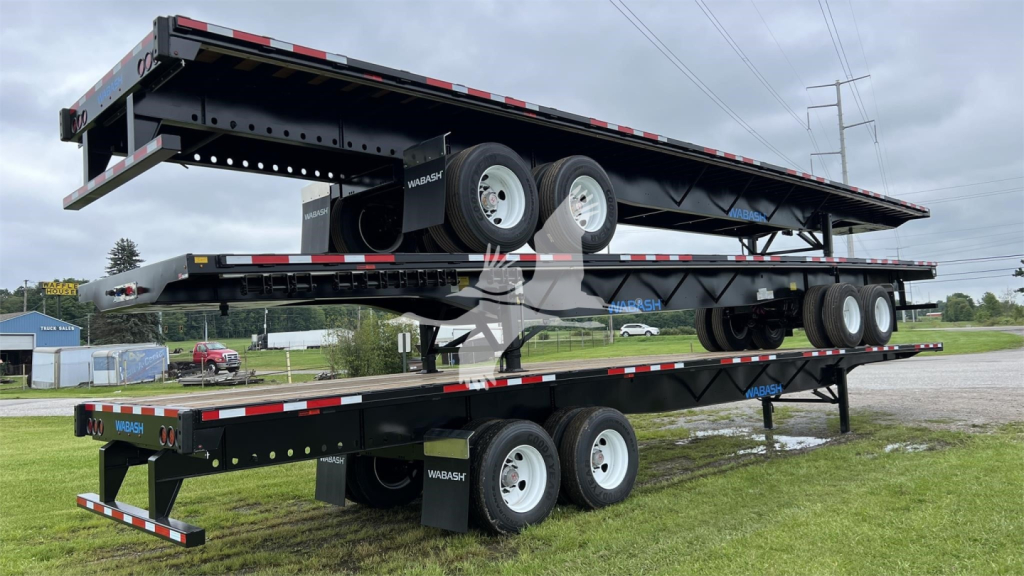
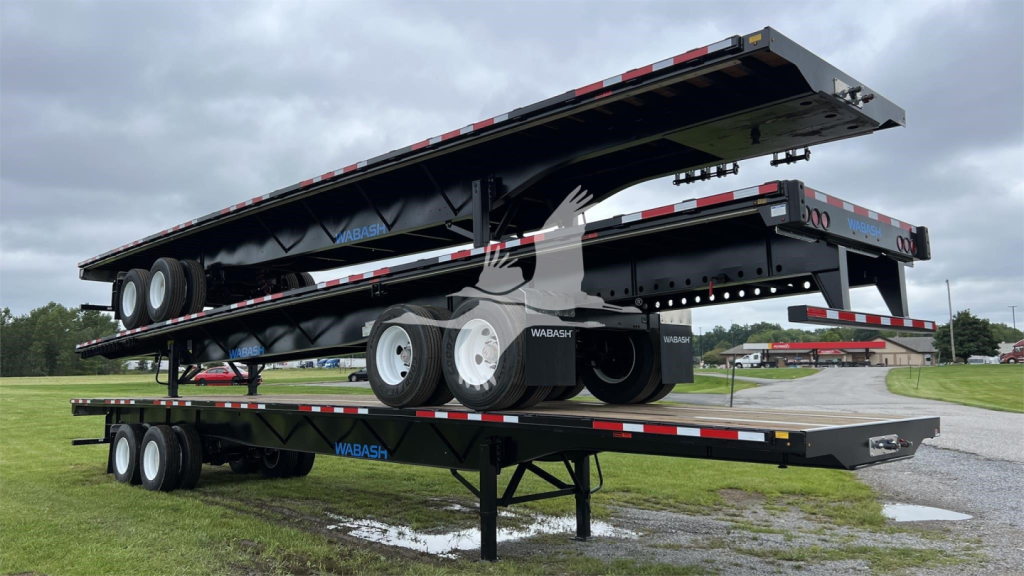
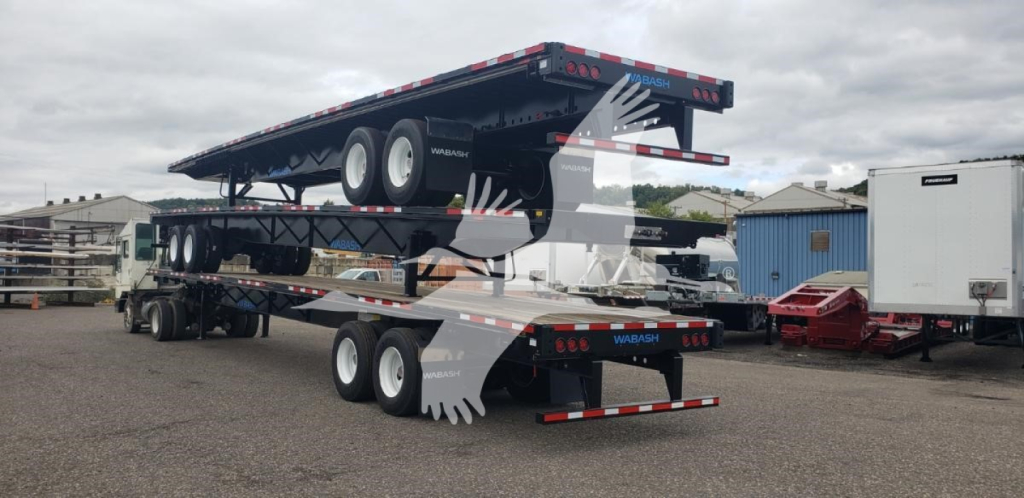
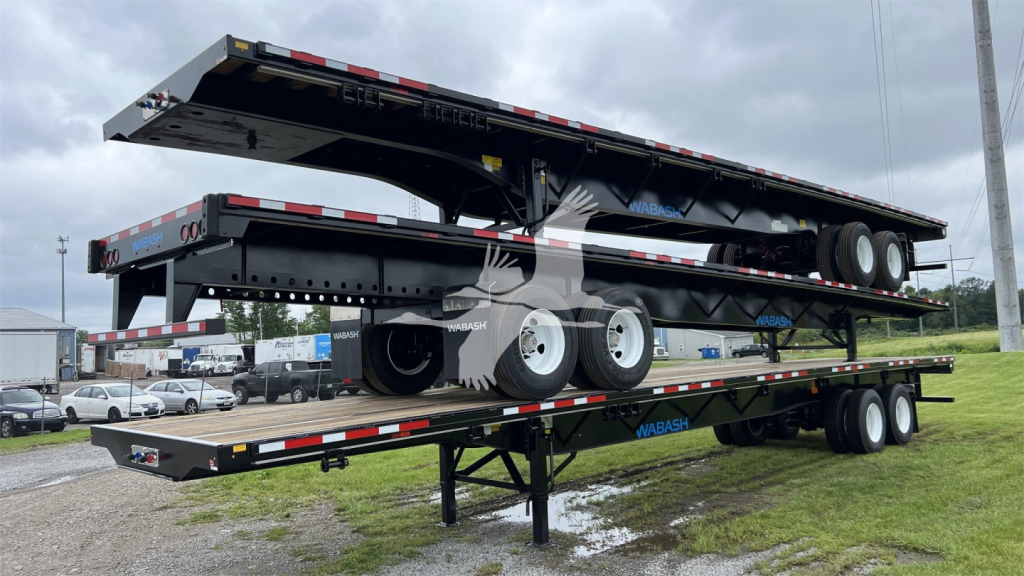

Selling a used 2024 wabash trailer? List your used 2024 wabash trailer for sale and reach thousands of commercial buyers.
Used 2024 Wabash Trailers
A typical 2024 Wabash trailer in this class will often be a 53-foot van trailer, also known as a dry van trailer, with a 102-inch overall width and standard tandem axle layout. Common specs include air ride or spring suspension, sliding tandems for bridge law compliance and loading flexibility, wood or composite floors, and swing or roll-up rear doors depending on route type. Fleet buyers usually pay close attention to scuff liners, logistic posts, E-track, roof condition, tire size, brake type, hub configuration, and whether the trailer is lined for tougher carton freight or parcel work. Aerodynamic packages, side skirts, LED lighting, and tire inflation systems may also appear on later-model trailers and can make a measurable difference in operating cost over the life of the unit.
The right 2024 Wabash trailer depends heavily on freight profile. A dock-to-dock regional van may prioritize roll-up doors, translucent roof panels, and a durable interior liner that stands up to high-touch loading. An over-the-road dry van usually puts more emphasis on tare weight, floor rating, rear frame durability, and maintenance history on brakes, tires, and suspension components. Buyers comparing several used trailers should inspect crossmembers, floor wear at high-traffic zones, door frame alignment, kingpin area condition, slider operation, and signs of sidewall or roof repair. On a late-model trailer, those details often tell you more about the trailer's real service life than the model year alone.
Wabash trailers remain common in large fleets because parts support, repair familiarity, and resale liquidity are strong in the market. That matters if the trailer will be cycled through a mixed fleet or resold after a short ownership window. A used 2024 model can be a practical choice for carriers, private fleets, and owner-operators who want current trailer standards without stepping into a new-unit price point. The best buying decision usually comes down to matching construction spec and prior use to the freight you intend to haul, then confirming that the trailer's structural condition and maintenance record support that job.
Frequently Asked Questions about Used 2024 Wabash Trailers
What should I look for first on a used 2024 Wabash trailer?
Start with the structural and wear items that affect serviceability right away. Inspect the kingpin and upper coupler plate for damage or excessive wear, check slider rails and locking pins for proper operation, and look closely at crossmembers, floor condition, rear frame, and door opening alignment. On a 2024 model, major structural issues are less expected, so any evidence of hard dock impacts, sidewall repairs, roof patches, or uneven tire wear deserves extra attention because it can indicate prior abuse or alignment problems.
Are used 2024 Wabash trailers typically dry vans?
Many are dry van trailers, but Wabash also builds other trailer types, so the exact configuration should always be confirmed from the listing and VIN data. In the used market, Wabash is especially well known for van trailers used in general freight, retail distribution, and dedicated fleet service. Buyers shopping this category should verify trailer length, interior height, suspension, door type, lining, and floor construction because those details affect freight compatibility more than the brand name alone.
Is air ride better than spring suspension on a Wabash van trailer?
Air ride is often preferred for ride quality, freight protection, and broader shipper acceptance, especially in higher-value or damage-sensitive freight lanes. Spring suspension is simpler and can still perform well in many applications, but it generally provides a harsher ride and may be less desirable for carriers handling palletized consumer goods or fragile loads. The best choice depends on your freight mix, maintenance approach, and how much value you place on cargo protection versus upfront cost.
Do late-model Wabash trailers hold their resale value well?
Wabash trailers generally retain strong market interest because they are widely used, widely recognized, and familiar to service shops across the country. Late-model units can be especially attractive when they have standard fleet specs, clean maintenance histories, and no unusual damage history. Resale strength is usually best on trailers with common lengths, tandem axles, air ride suspension, clean interiors, and standard dry van specifications that fit a broad buyer pool.
How important are interior specs like scuff liners and E-track on a used van trailer?
Interior specs matter because they directly affect what freight the trailer can handle and how much abuse the walls and floor can take. Scuff liners help protect the lower sidewalls from pallets and forklifts, while E-track or other securement systems improve load restraint flexibility for mixed freight. A trailer with the right interior package can reduce cargo damage, lower repair costs, and make the unit more versatile across multiple customers or lanes.