
Used 2011 Wabash Trailers For Sale
Shop used 2011 Wabash trailers, including dry vans and freight trailers, with specs on dimensions, suspension, doors, roof type, and axle setup.
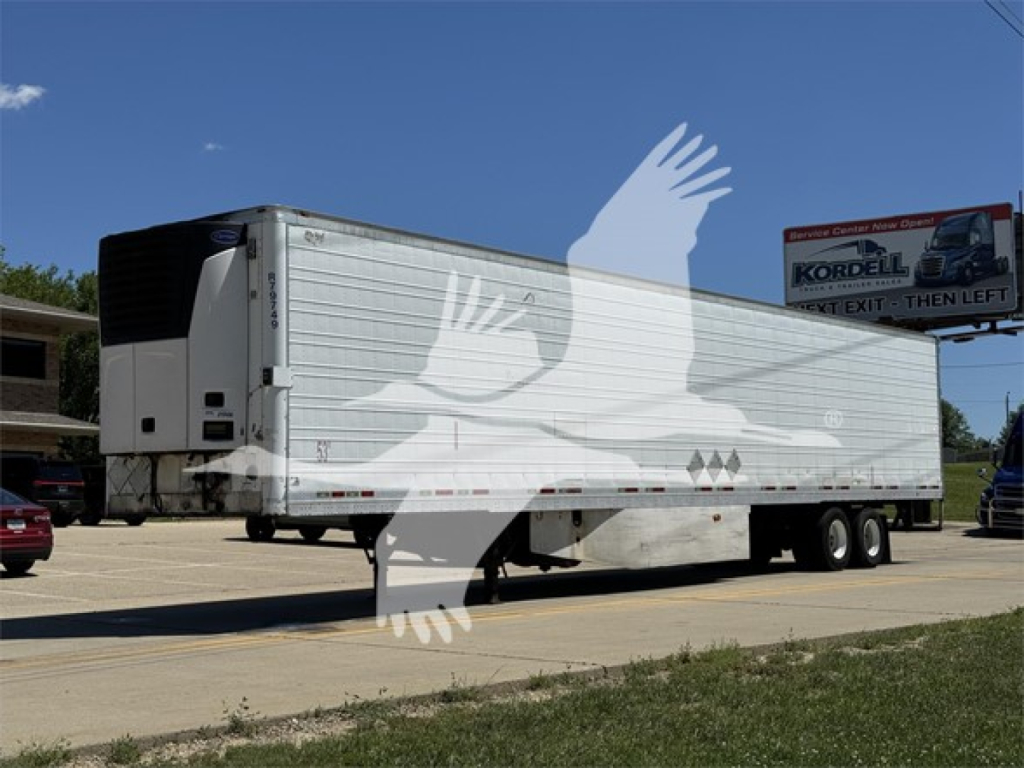

Selling a used 2011 wabash trailer? List your used 2011 wabash trailer for sale and reach thousands of commercial buyers.
Used 2011 Wabash Trailers
A 2011 Wabash trailer can fit several freight profiles depending on door style, suspension, and axle arrangement. Swing doors are common for dock freight where maximum rear opening is important, while roll-up doors are more typical in P&D, beverage, and route delivery work where repeated stops matter more than full cube access. Slideable tandems help with bridge law and weight distribution, while fixed tandems or single axle setups are more common on specialty regional units and pups. Air ride suspension is typically preferred for general freight and customer-sensitive loads, while spring ride may still be seen on older or more application-specific trailers.
Condition points matter on any used Wabash, especially a 2011 model. Buyers should pay attention to floor wear from concentrated forklift traffic, lower rail and rear frame corrosion, roof condition, door seal integrity, and signs of sidewall repairs. On DuraPlate trailers, inspect the inside skins and posts for delamination, impact damage, and prior patching. Check crossmembers, slider box wear, suspension bushings, brake condition, tire age, and wheel-end service records. Features like scuff liners, logistic posts, translucent or aluminum roofs, side skirts, tire inflation systems, and composite doors can add value depending on the lane and operating cost targets.
For many fleets, a used 2011 Wabash trailer is a practical way to add dry van capacity without stepping into late-model pricing. The category works well for truckload carriers, dedicated freight, warehouse shuttles, and regional distribution. Buyers comparing units should match the trailer to freight density, dock setup, route length, and maintenance capability. Empty weight, door opening height, GVWR, kingpin setting, and tandem slide range all affect how useful the trailer will be once it is in service, so those details are worth confirming before narrowing down options.
Frequently Asked Questions about Used 2011 Wabash Trailers
What should I inspect first on a used 2011 Wabash trailer?
Start with the structure and the wear items that are expensive to correct. Inspect the floor for soft spots, patching, and heavy forklift damage, then check the roof, rear frame, lower rails, crossmembers, and door frame for corrosion or accident repairs. After that, review suspension condition, slider operation, brakes, tires, wheel ends, and air system leaks. On Wabash DuraPlate trailers, sidewall condition is especially important because impact damage and poor repairs can affect long-term durability.
Are 2011 Wabash trailers usually dry vans?
Many 2011 Wabash trailers on the used market are dry vans, since Wabash is well known for van trailer production, including DuraPlate models used in truckload and distribution service. The most common configuration is a 53-foot van, but shorter 28-foot and 48-foot units also appear, particularly in LTL, city delivery, and doubles applications. The exact configuration matters more than the model year, so buyers should verify dimensions, door type, axle layout, and suspension before comparing units.
Is air ride better than spring ride on a used Wabash trailer?
For most general freight applications, air ride is preferred because it helps protect cargo, improves ride quality, and is widely accepted in truckload and dedicated service. Spring ride can still make sense in lower-cost operations or certain regional applications, but it usually rides harsher and may be less attractive in resale. On a used 2011 trailer, overall suspension condition matters just as much as suspension type, so inspect bags, bushings, hangers, equalizers, and alignment-related tire wear.
What features add value on a used 2011 Wabash dry van?
Value-adding features depend on the freight and operating model, but common ones include swing doors for full dock access, air ride suspension, slider tandems, scuff liners, logistic posts, side skirts, tire inflation systems, and a well-maintained roof and floor. Composite or DuraPlate construction is also desirable because it is familiar to many fleets and repair shops. A clean maintenance history and signs of consistent fleet upkeep usually add more real value than cosmetic appearance alone.
How important are trailer dimensions and axle setup when buying a used 2011 Wabash?
They are critical because they determine where and how the trailer can be used. Length, width, interior height, and door opening directly affect cube and forklift access, while axle setup affects bridge compliance, payload distribution, and maneuverability. A 53-foot slide-tandem van suits standard over-the-road freight, but a 28-foot single axle or pup trailer may be better for city routes or doubles service. Buyers should also confirm kingpin setting and tandem slide range if the trailer will run in states with stricter bridge and axle regulations.