
Used 2000 Wabash Trailers For Sale
Shop used 2000 Wabash trailers for sale, including dry van and reefer configurations with common specs, construction details, and buying tips.
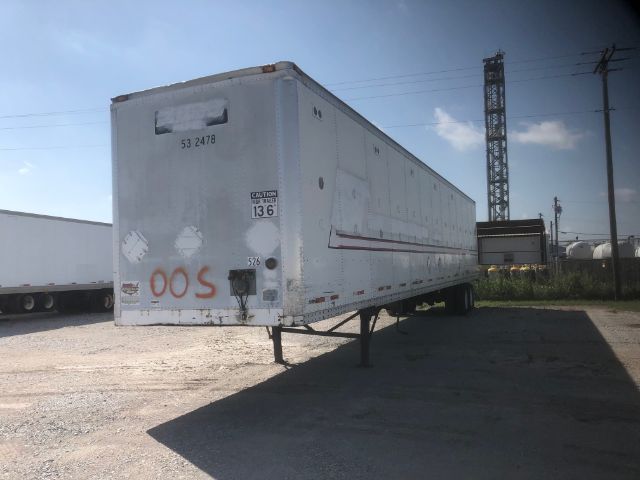
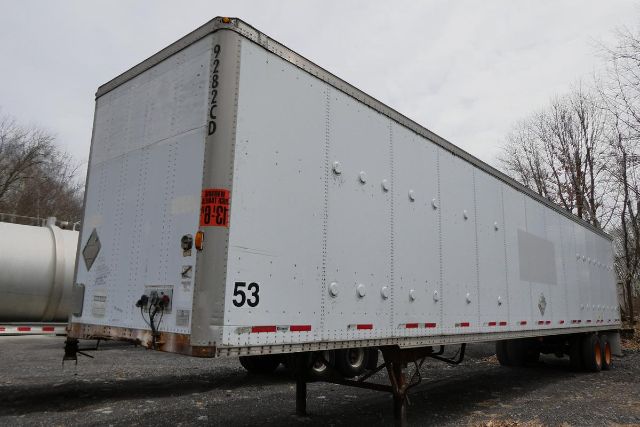

Selling a used 2000 wabash trailer? List your used 2000 wabash trailer for sale and reach thousands of commercial buyers.
Used 2000 Wabash Trailers
Construction and running gear deserve close attention on a 2000 model. Many Wabash trailers use a combination of steel and aluminum, with bonded side panels, wood or laminated floors, steel threshold plates, and either swing or roll-up rear doors depending on the original vocation. Buyers should inspect the floor crossmembers, rear frame, upper coupler plate, kingpin area, tandem slider rails, and landing gear mounts for fatigue, cracking, rust jacking, or prior repairs. Suspension type also affects long-term maintenance and ride quality. Air ride is preferred for many freight applications, while spring ride can be simpler and cheaper to maintain. Sliding tandems are common and important for bridge law compliance, so rail wear, locking pin engagement, and slider function should be part of any evaluation.
Dry van buyers usually focus on interior condition and loading efficiency. Scuff liners, logistics posts, E-track or track-style cargo control, translucent roofs, and rear impact guard condition all affect day-to-day usability. Reefer buyers need to go deeper, because the trailer body and refrigeration system work as one package. On an older Wabash reefer, inspect the insulation integrity, interior liner condition, floor type, door seal performance, and the refrigeration unit's engine hours, service history, and pull-down capability. For both van and reefer applications, check axle ratings, GVWR, tire size, wheel type, brake configuration, and ABS compliance. A clean title matters, but maintenance records often tell you more about remaining life than appearance alone.
The value in a used 2000 Wabash trailer usually comes down to structural condition, prior use, and how closely the spec matches the lane. A lightly repaired van trailer with a solid floor and square rear frame may serve regional and warehouse freight well, while a reefer with strong unit history may still fit produce, foodservice, or frozen lanes if it passes a proper temperature test. Buyers comparing listings should look beyond age and focus on trailer type, inside dimensions, door configuration, suspension, tandem setup, and evidence of corrosion or leak issues. Wabash remains a recognized trailer make because parts availability, fleet familiarity, and broad service knowledge are still strong advantages in the used market.
Frequently Asked Questions about Used 2000 Wabash Trailers
What should I inspect first on a used 2000 Wabash trailer?
Start with the structure, because frame and body condition drive the true value of an older trailer. Pay close attention to the kingpin and upper coupler area, crossmembers, sidewall attachment points, roof bows, rear frame, floor condition, and tandem slider rails. Then inspect brakes, axle alignment, suspension components, lights, doors, and tires. On reefers, add a full check of the refrigeration unit, insulation, door seals, and floor condition.
Are 2000 Wabash trailers usually dry vans or reefers?
Most buyers will encounter Wabash dry vans and refrigerated trailers from this model year, with dry vans being especially common in general freight service. Wabash has long been known for van and reefer production, so those are the configurations most often associated with the brand. The right choice depends on freight type, dock requirements, and whether temperature control is needed.
Is a used 2000 Wabash trailer still a good fleet purchase?
It can be, if the trailer has been maintained and the structure is still sound. Age alone does not determine usefulness in the trailer market. A well-kept older trailer can still perform in local, regional, storage, or lower-mileage applications, especially when the floor, frame, suspension, and doors are in good condition. The purchase makes more sense when repair needs are known upfront and the trailer spec fits the intended work.
What common specs matter most when comparing used Wabash trailers?
Length, width, inside height, suspension type, tandem configuration, door style, floor material, and wheel-end setup are the core comparison points. Dry van buyers often focus on logistics posts, scuff liners, translucent roofs, and swing versus roll-up doors. Reefer buyers should also compare refrigeration unit brand, hours, service records, floor type, and body integrity. These details affect payload, loading efficiency, maintenance cost, and lane compatibility.
How do I know if an older Wabash reefer is still viable for temperature-controlled freight?
A reefer trailer must be evaluated as both a trailer body and a refrigeration system. The unit should demonstrate proper start-up, stable operating temperatures, and acceptable pull-down performance under test. At the same time, inspect the insulation, interior liner, floor, drains, door seals, and front wall for damage or air leakage. Even a strong reefer unit will struggle if the trailer body no longer holds temperature efficiently.