
Wabash Trailers For Sale in Nebraska
Shop Wabash trailers for sale in Nebraska, including dry vans and reefers with common 53-foot specs, logistics posts, air ride, and sliding tandems.
Selling a wabash trailer? List your wabash trailer for sale and reach thousands of commercial buyers.
Wabash Trailers in Nebraska
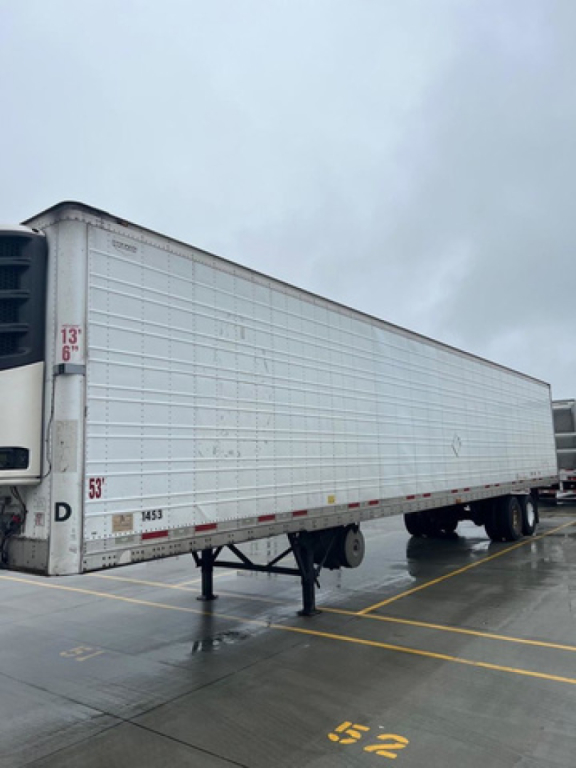
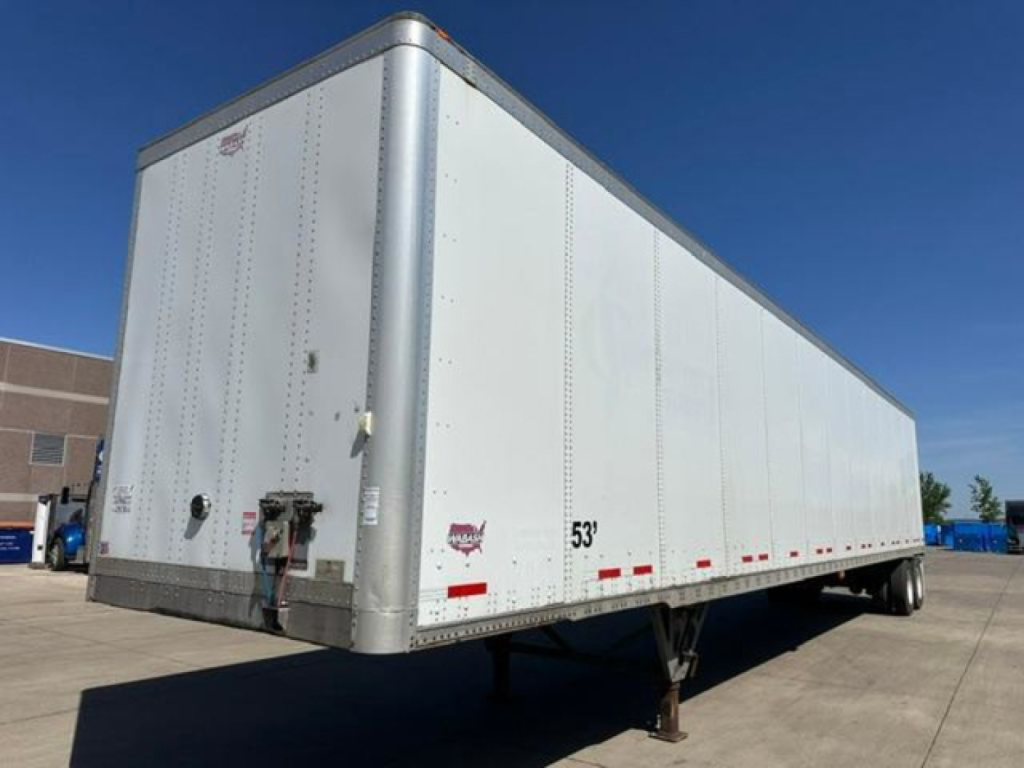
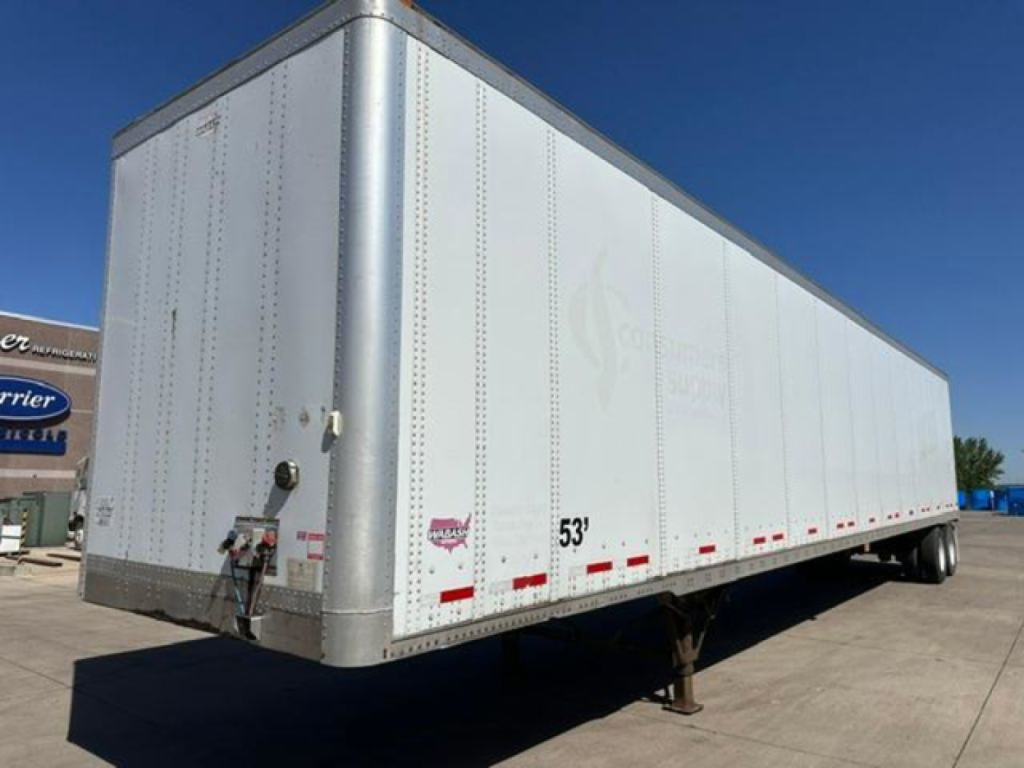
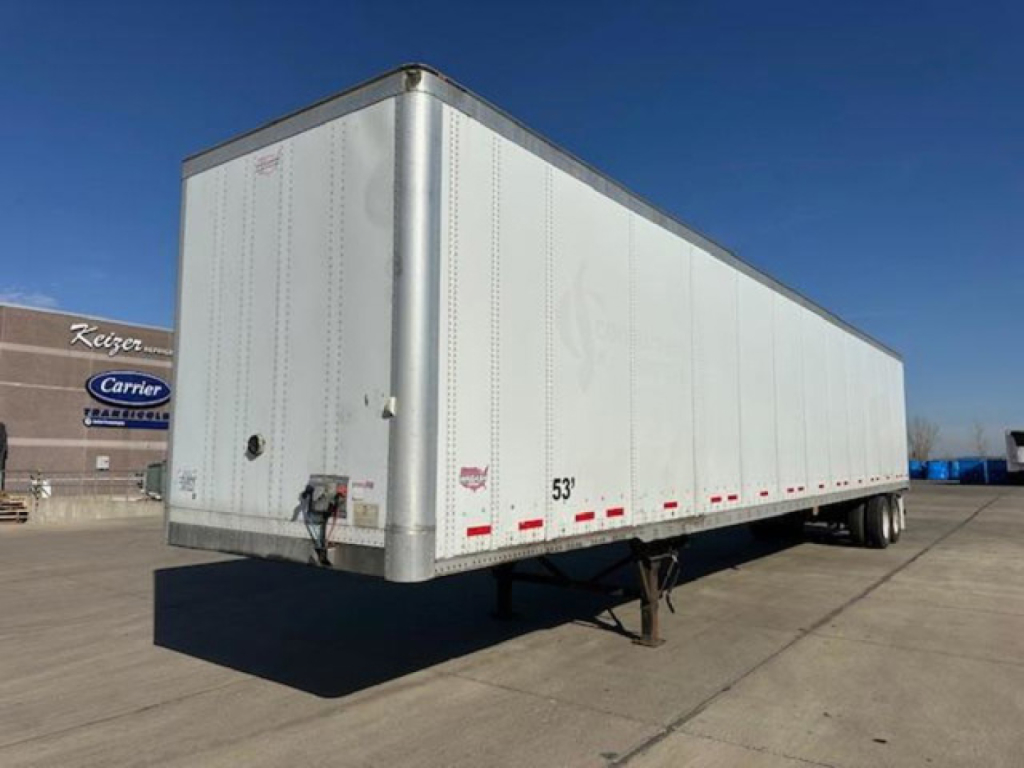
For dry van applications, Wabash is well known for DuraPlate panel construction, a design widely used in fleet service because it balances weight, durability, and repair practicality. A typical van spec in this class is 53 feet long, 13 feet 6 inches tall, with around 110-inch inside height, swing doors, a wood floor, air ride suspension, and a sliding tandem. Logistics posts or tie-down rows matter if the trailer will handle mixed LTL, retail, or dedicated contract freight. Buyers should also inspect threshold plates, door frame condition, roof integrity, floor wear around the rear impact zone, and signs of sidewall damage from forklift contact.
On the reefer side, Wabash aluminum reefers are common in foodservice, grocery, produce, frozen freight, and other temperature-controlled lanes. Important specs include duct floor design, scuff liners or scuff plate protection, cold chute configuration, rear door seal condition, and stainless front or rear components that help with corrosion resistance and long-term durability. Refrigeration units from Carrier and Thermo King are both common on used Wabash reefers, and unit condition often matters as much as trailer condition. Buyers should verify engine hours, maintenance records, evaporator performance, fuel tank condition, return air flow, and how well the trailer holds setpoint under load. Tire inflation systems, side skirts, and disc wheels are also common fleet specs that can reduce operating cost and improve uptime.
Nebraska buyers often prioritize trailers that can handle a mix of highway miles, seasonal weather swings, and heavy shipping cycles tied to agriculture, cold chain, and central corridor distribution. Sliding tandems help with bridge compliance and dock flexibility, while air ride remains the preferred suspension for ride quality and freight protection. If the trailer will spend time in multi-stop service, pay close attention to door hardware, floor life, dock bumper wear, and any evidence of repeated pallet jack or forklift abuse. A well-spec'd Wabash trailer can be a strong fit for carriers that want mainstream serviceability, consistent dimensions, and equipment that is widely accepted across shippers, maintenance vendors, and resale channels.
Frequently Asked Questions about Wabash Trailers in Nebraska
What are the most common Wabash trailer types buyers look for?
The most common Wabash trailer types on the used market are dry vans and refrigerated trailers. Dry vans are typically built for general freight, retail, packaged goods, and high-volume dock freight, while Wabash reefers are used for food, beverage, produce, frozen loads, and other temperature-sensitive freight. Within those groups, buyers frequently search for 53-foot trailers with air ride suspension and sliding tandems because those specs fit the widest range of fleet and shipper requirements.
What should I inspect first on a used Wabash reefer trailer?
Start with the refrigeration unit, then move to the trailer body. Confirm the reefer unit brand, model, engine hours, maintenance history, and whether it can reliably hold temperature at setpoint. After that, inspect the duct floor, cold chute, door seals, interior lining, front wall, and stainless rear structure for damage or air leaks. Also look closely at tire inflation systems, suspension wear, and signs of corrosion or impact damage around the rear frame and door opening.
Why do many buyers prefer a Wabash DuraPlate dry van?
Wabash DuraPlate dry vans are popular because the laminated panel design has a long track record in fleet service and is widely understood by maintenance shops and body repair vendors. Buyers like them for their balance of structural durability, cargo cube, and strong market acceptance. Features such as logistics posts, wood floors, galvanized door frames, and swing doors make them practical for common van freight and easier to match to established shipper requirements.
Are 53-foot Wabash trailers the standard spec?
Yes. For over-the-road dry van and reefer service, 53-foot length, 102-inch width, and 13-foot 6-inch overall height are standard market specs. That size gives carriers maximum legal cargo space for most van and refrigerated applications. Buyers should still confirm inside height, tandem range, door type, and axle configuration, because those details affect loading compatibility, bridge compliance, and lane flexibility.
What features matter most for Nebraska trailer buyers?
In Nebraska, buyers often look for specs that support long highway runs, central U.S. freight lanes, and year-round weather exposure. Air ride suspension, sliding tandems, side skirts, and tire inflation systems are common priorities because they support ride quality, compliance, and operating efficiency. For reefer work, dependable unit performance and strong insulation are especially important because temperature control and uptime directly affect load acceptance and freight claims.