
2014 Wabash Trailers For Sale in Nebraska
Shop 2014 Wabash trailers for sale, including dry van and reefer models with specs buyers compare like suspension, floors, doors, and tandem setup.
Selling a 2014 wabash trailer? List your 2014 wabash trailer for sale and reach thousands of commercial buyers.
2014 Wabash Trailers in Nebraska
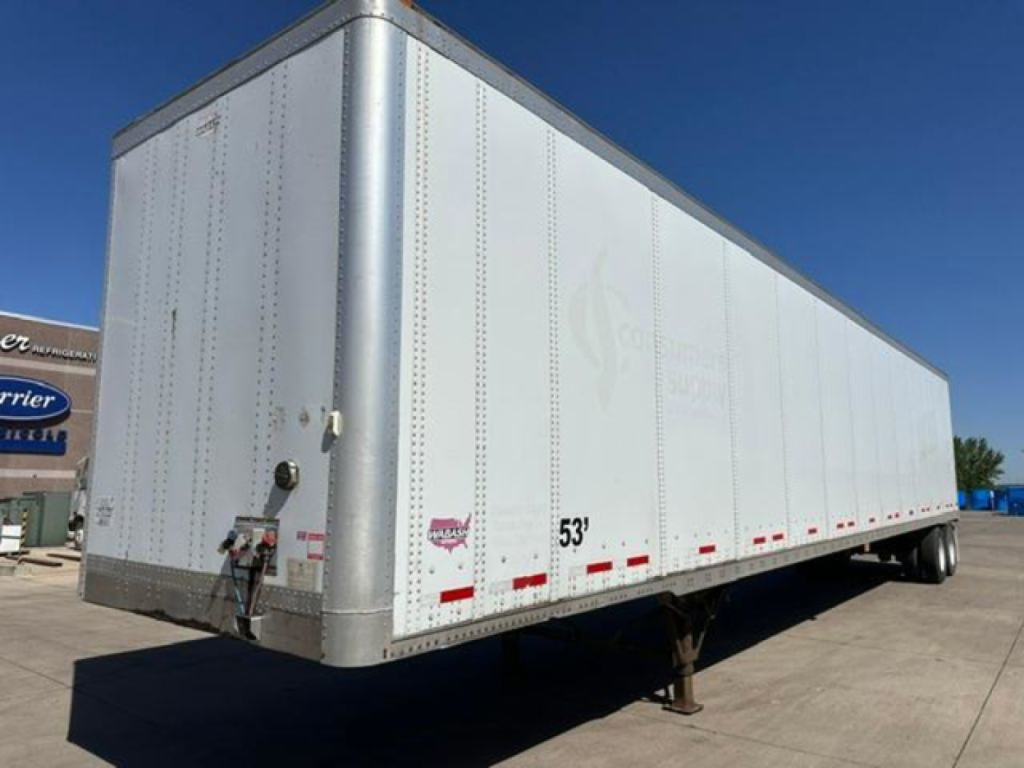
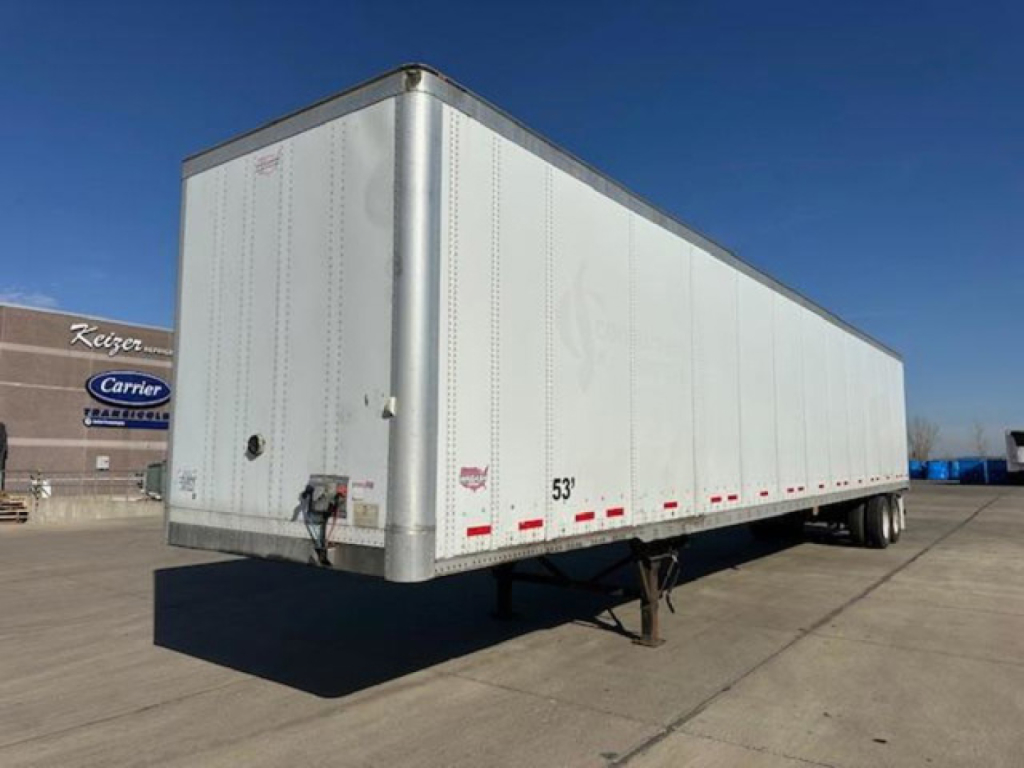
For dry van buyers, pay close attention to roof type, wall lining, door configuration, and suspension. Roll-up doors can make sense for multi-stop dock work, while swing doors are often preferred for full-pallet freight and simpler rear frame maintenance. Air ride suspension is still a strong selling point if cargo protection matters, though some buyers will accept spring ride for lower initial cost. Floor condition matters as much as mileage history on the trailer. Check for soft spots, patched crossmembers, sidewall damage, and signs of forklift impact along the lower interior. On Wabash vans, roof translucency, scuff liner condition, and rear frame integrity are worth inspecting closely because they affect both service life and resale value.
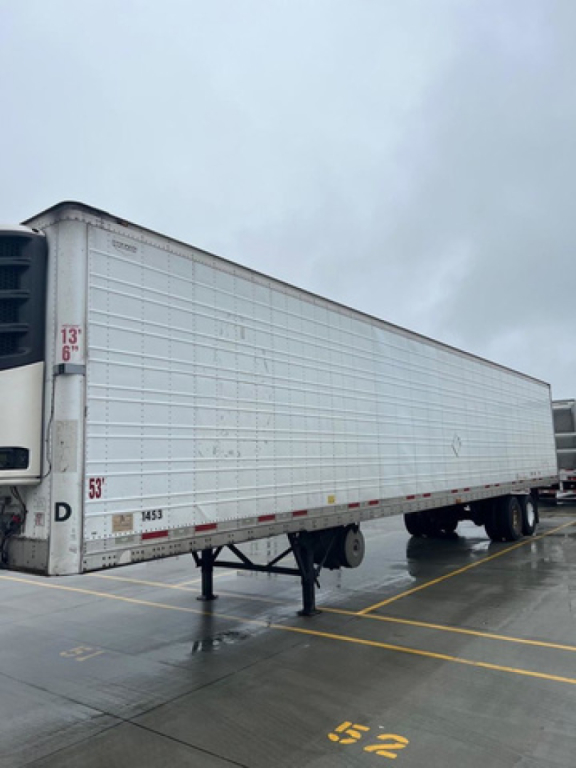
On the reefer side, 2014 Wabash ArcticLite trailers are typically built around lightweight aluminum construction and are often spec'd with features such as aluminum duct floors, scuff plates, stainless front and rear components, cold chutes, sliding tandems, and tire inflation systems. Reefer buyers should evaluate the trailer box and the refrigeration unit as two separate assets. Unit hours, service records, evaporator condition, door seal quality, and floor wear all matter. If a reefer has side skirts, disc wheels, or low-profile 22.5 tires, that may improve fuel economy and maintenance planning, but only if the trailer has been kept straight and the running gear has not suffered curb or dock damage. Inside height is another major checkpoint, especially for shippers loading taller pallet stacks or using specific rack patterns.
Nebraska buyers often look at trailer spec through the lens of long interstate runs, agricultural freight, food distribution, and four-season operation. That makes suspension condition, brake life, tire date codes, and corrosion around the rear frame and door hardware especially important. A 2014 Wabash trailer can still deliver solid value if the tandem slide works properly, the kingpin and upper coupler show no structural issues, and the body remains square. For many buyers, the best choice comes down to matching the trailer to the lane: dry van for general freight, retail, and packaged goods; reefer for temperature-sensitive loads; and a lighter aluminum-spec trailer when payload and fuel efficiency matter more than maximum abuse tolerance.
Frequently Asked Questions about 2014 Wabash Trailers in Nebraska
What should I check first on a 2014 Wabash trailer?
Start with the structural and running gear items that drive repair cost. Inspect the frame rails, crossmembers, upper coupler, kingpin area, tandem slide rails, suspension, brakes, and tire condition before focusing on cosmetic issues. On dry vans, look closely at floor wear, rear frame damage, and roof condition. On reefers, inspect the box for insulation damage, door seal condition, floor channels, and reefer unit service history.
Are 2014 Wabash reefer trailers still a good value?
They can be, especially if the trailer body is sound and the refrigeration unit has documented maintenance. A reefer in this age range should be judged on unit hours, repair records, temperature pull-down performance, and the condition of the floor, chute, and doors. Stainless front and rear components, tire inflation systems, and aluminum construction can add value, but deferred reefer-unit maintenance can quickly erase any purchase savings.
What is the most common size for a 2014 Wabash trailer?
The most common configuration in the used market is a 53-foot trailer with a 102-inch outside width and 13-foot 6-inch overall height. That applies to many Wabash dry vans and reefer trailers from this period. Buyers should still confirm interior height, door opening dimensions, and tandem setting because those details affect dock compatibility, pallet count, and bridge law compliance.
Is air ride better than spring suspension on a used Wabash trailer?
Air ride is generally preferred for freight protection, ride quality, and resale appeal, especially in van and reefer applications. It helps reduce cargo shock and is common on trailers used in retail, food, and higher-value freight. Spring suspension can still work well in tougher-duty applications or for buyers prioritizing lower upfront cost, but the condition of bushings, hangers, and axle alignment matters more than the suspension type alone.
How important is reefer floor and door condition on a 2014 Wabash ArcticLite?
It is critical because both directly affect temperature control, loading efficiency, and long-term repair cost. An aluminum duct floor must remain clean, straight, and open enough to support proper airflow under the load. Damaged doors, worn hinges, and leaking seals force the reefer unit to work harder and can lead to rejected loads. Buyers should inspect for daylight at the seals, uneven door closure, and floor damage from repeated forklift traffic.