
Wabash Trailers For Sale in Illinois
Shop Wabash trailers for sale in Illinois, including dry vans and flatbeds with common specs, suspension options, flooring, and cargo features.
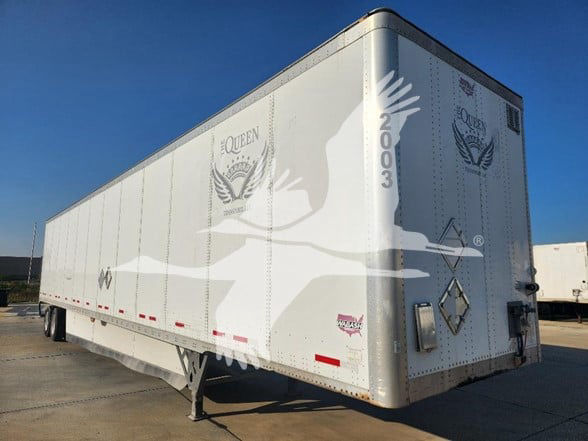
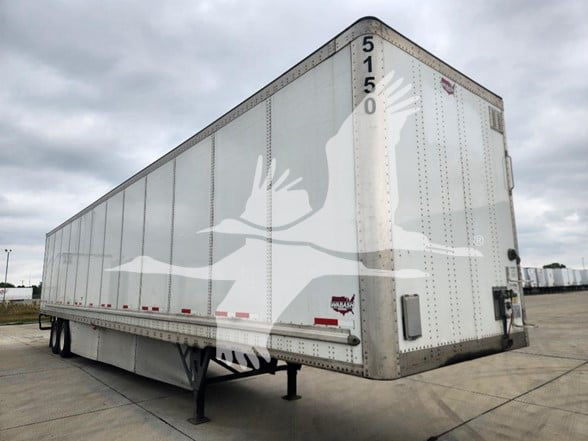
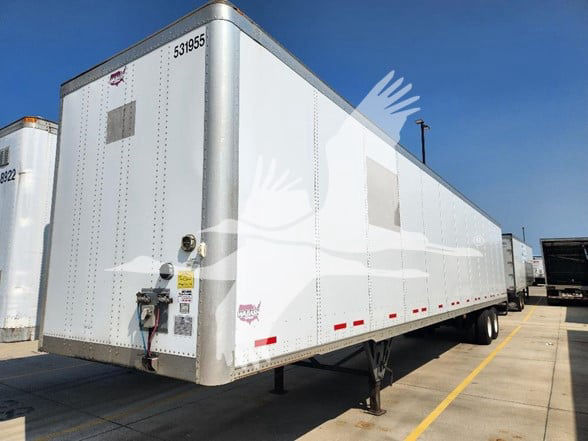
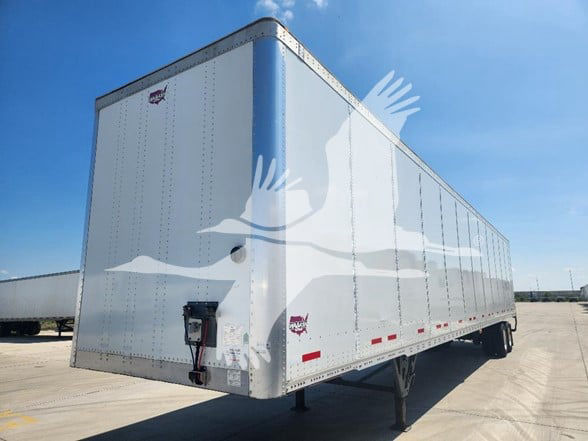
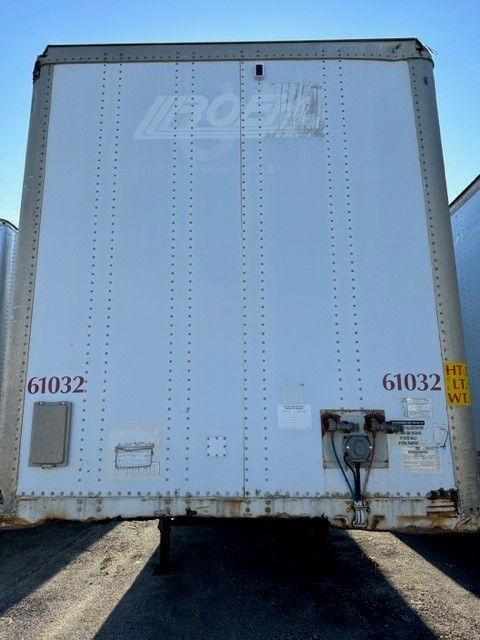
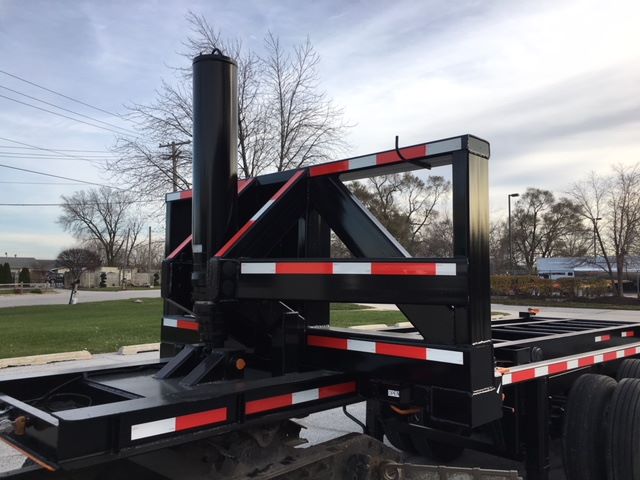

Selling a wabash trailer? List your wabash trailer for sale and reach thousands of commercial buyers.
Wabash Trailers in Illinois
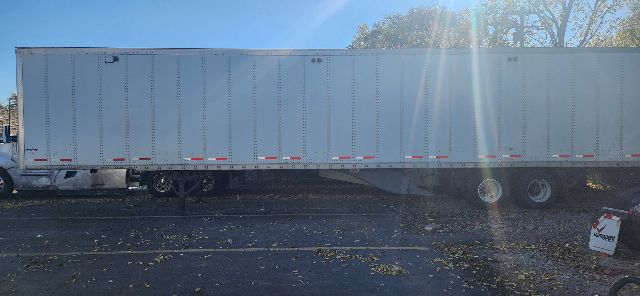
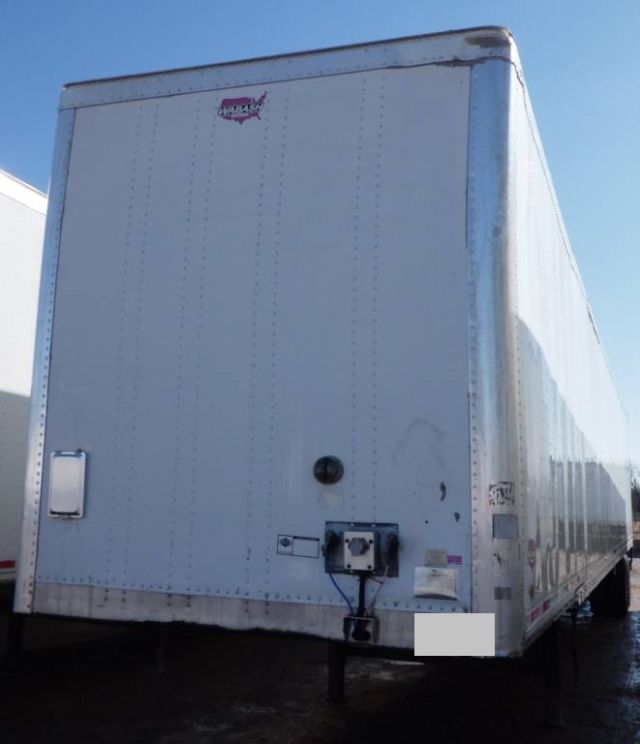
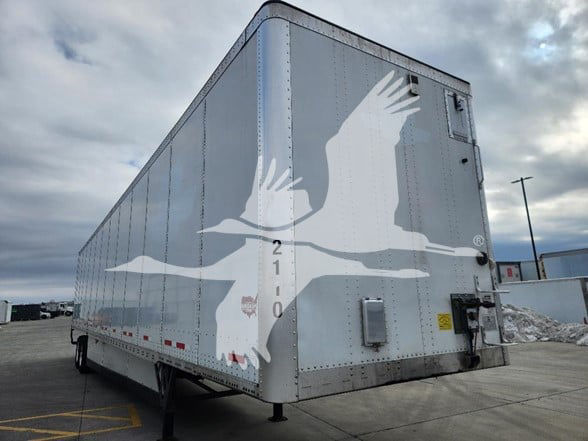
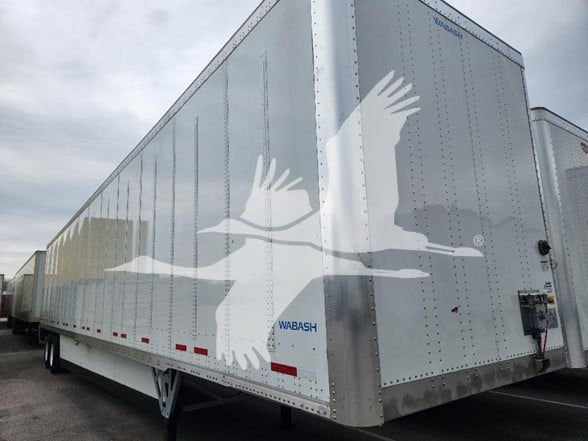
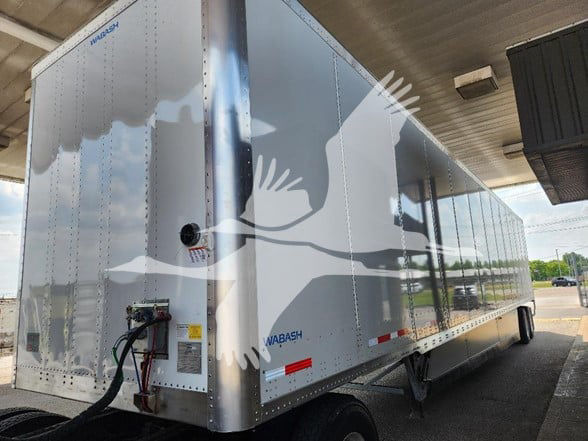
On dry van models, the key decisions are length, width, door style, lining, and suspension. Common used configurations include 32-foot pups and 40-foot to 53-foot vans, often in 96-inch or 102-inch widths and standard interior heights around 12 feet 6 inches to 13 feet 6 inches. Features like plywood lining, scuff plates, threshold plates, wood floors, and E-track matter because they directly affect forklift traffic, load securement, and wall protection. Roll-up doors are popular in city and multi-stop work because they improve dock access, while swing doors can save weight and simplify rear opening maintenance. Air ride suspension is especially desirable for damage-sensitive freight and better ride quality on mixed Midwest road conditions.
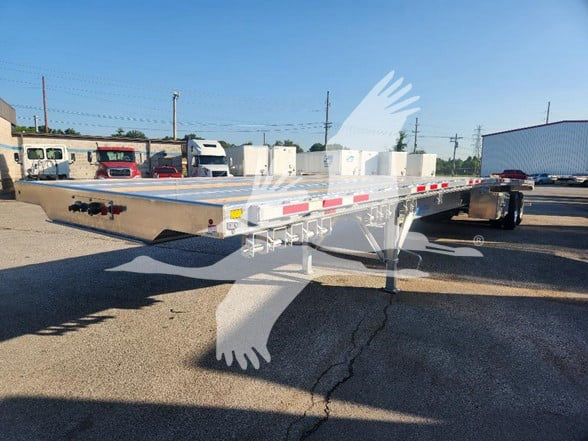
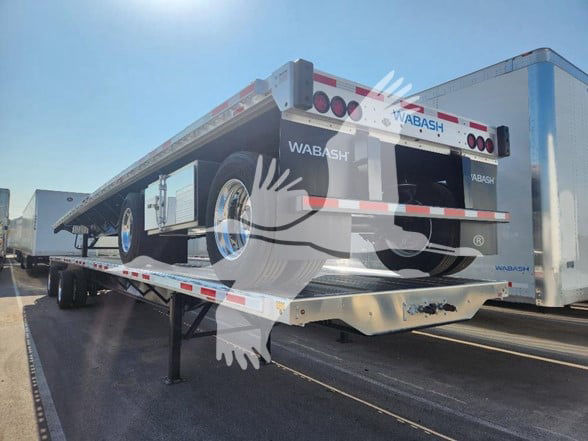
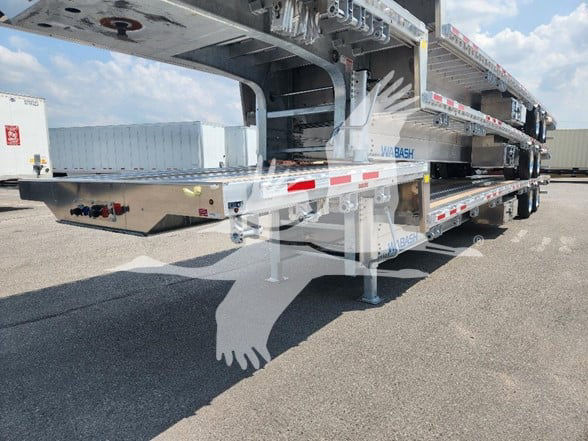
Wabash flatbed trailers are often specified as aluminum combo units to balance tare weight and durability. A typical setup can include a spread axle, Hendrickson air ride, PSI tire inflation system, winch tracks on road side and curb side, sliding winches, aluminum or combo flooring, and multiple tie-down points. For buyers hauling coil, lumber, pipe, or crated equipment, the securement package is just as important as trailer length. Check for the number and placement of winches, condition of the floor, axle spacing, dump valve operation, and wheel-end service history. Low profile 22.5 tires, aluminum outer wheels, and rear auxiliary plugs are common spec items that can improve compatibility and operating efficiency.
Condition matters more than brand reputation alone, especially on used trailers. On a Wabash van, inspect roof bows, front radius panels, crossmembers, floor wear at high-traffic zones, and door frame alignment. On a flatbed, pay close attention to deck wear, rub rail integrity, stake pockets, suspension components, and any signs of frame repairs or concentrated corrosion. In Illinois, road salt exposure makes understructure inspection important, particularly around landing gear mounts, slider assemblies, brake plumbing, and light harness routing. A well-maintained Wabash trailer can be a practical long-term asset, but the right choice comes down to matching trailer spec to freight, route density, dock environment, and maintenance expectations.
Frequently Asked Questions about Wabash Trailers in Illinois
What types of Wabash trailers are most common on the used market?
Dry vans and flatbeds are among the most common Wabash trailer types buyers will find. Dry vans are widely used for enclosed freight such as consumer goods, packaged products, and palletized shipments. Flatbeds are common in construction, manufacturing, and industrial hauling where side loading, crane loading, or oversized cargo securement is required. Depending on the operation, buyers may also see pup trailers, spread axle flatbeds, and different body lengths tailored to regional or specialized work.
What should I inspect first on a used Wabash dry van trailer?
Start with the floor, roof, sidewalls, rear frame, and suspension. Wood floors should be checked for forklift damage, soft spots, fastener pull-through, and patchwork repairs. Sidewalls and plywood lining should be inspected for impact damage and moisture issues. Rear door hardware, thresholds, and frame alignment are important because they affect dock use and cargo security. Underneath, look at crossmembers, landing gear structure, brake components, air lines, and corrosion levels, especially on trailers that have spent time in northern states.
Are Wabash flatbeds a good fit for heavy or specialized freight?
They can be, provided the trailer is spec'd correctly for the freight. A Wabash flatbed with a combo construction, spread axle setup, air ride suspension, winch tracks, and multiple tie-down points can handle a broad range of legal deck freight. The buyer should confirm axle configuration, floor rating, securement equipment, and overall weight capacity against the intended load profile. For concentrated loads like machinery or steel products, deck condition and frame integrity are critical.
Why does suspension type matter on a trailer?
Suspension affects ride quality, cargo protection, maintenance cost, and axle loading behavior. Air ride suspension is popular because it helps reduce cargo shock and is favored for many general freight applications, especially on dry vans and premium flatbeds. Mechanical suspensions can be simpler in some applications, but many buyers prefer air ride for better freight protection and driver acceptance. On any used trailer, the real issue is condition as much as design, so bushings, airbags, shocks, and alignment should all be checked.
What Illinois buyers should pay attention to when shopping used trailers?
Corrosion and structural wear deserve extra attention in Illinois because winter road treatment can accelerate rust on exposed steel and hardware. Inspect the trailer underside carefully, including crossmembers, suspension hangers, brake backing areas, air tanks, slider rails if equipped, and electrical connections. Buyers operating in dense freight markets around Chicago should also think about trailer maneuverability, door style, dock frequency, and tire spec, since regional distribution work places different demands on a trailer than long-haul highway service.