
2014 Wabash Trailers For Sale
Shop 2014 Wabash trailers for sale, including dry vans and other configurations, with specs on length, suspension, doors, floors, and axle setups.
Learn more
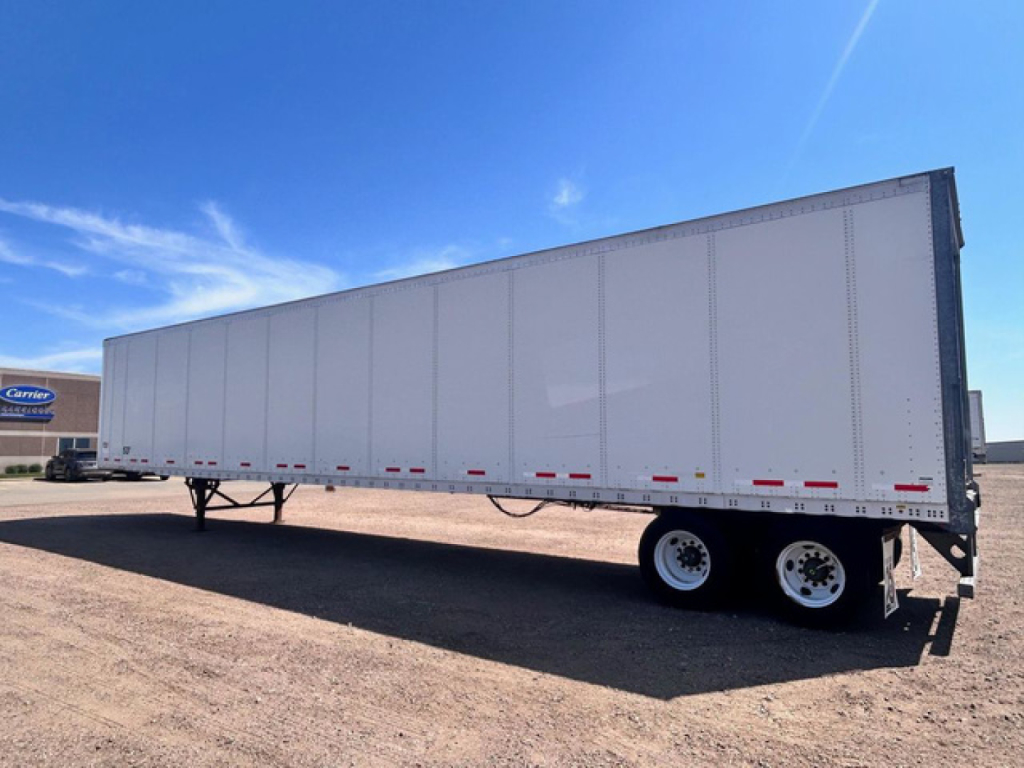
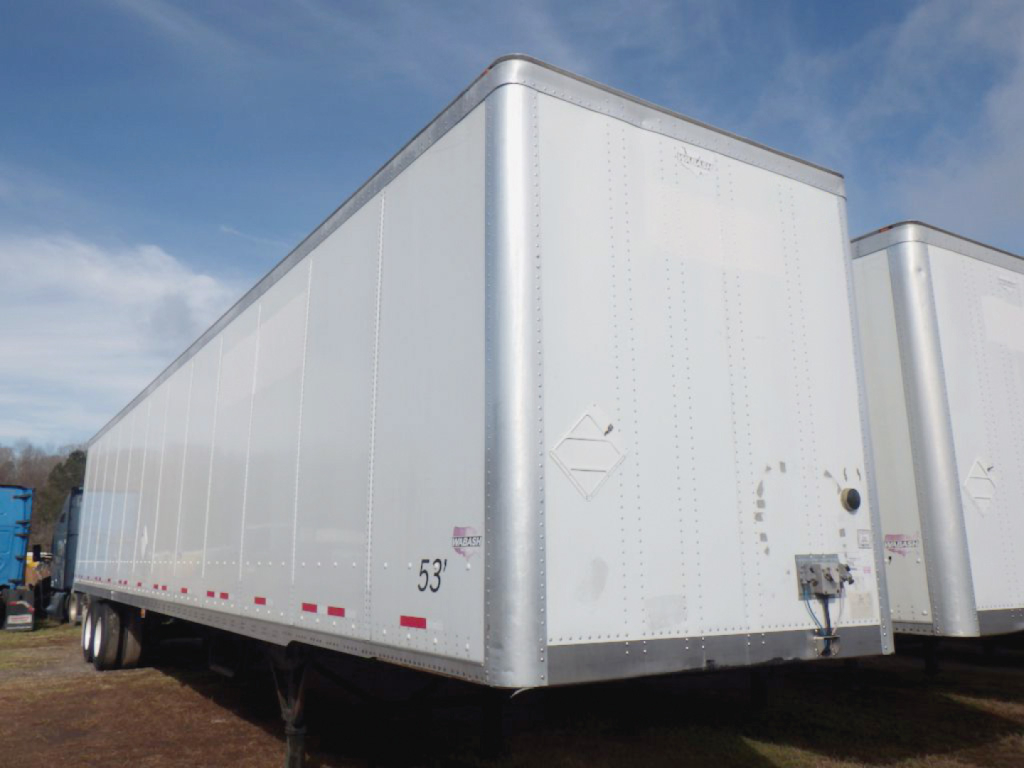
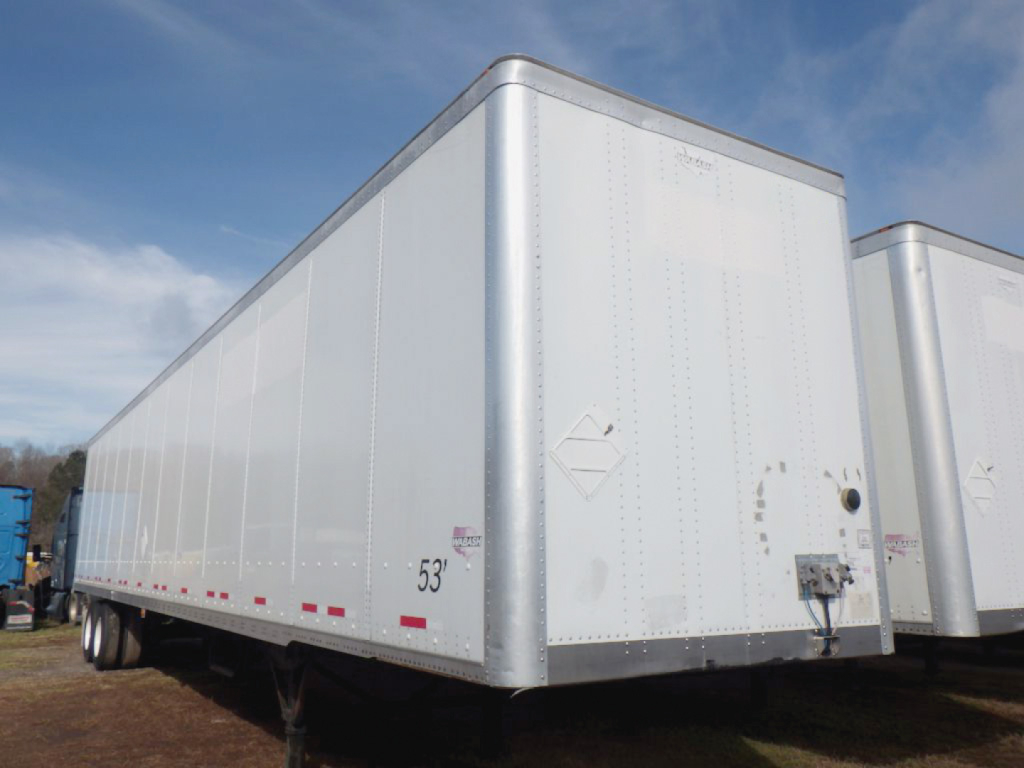
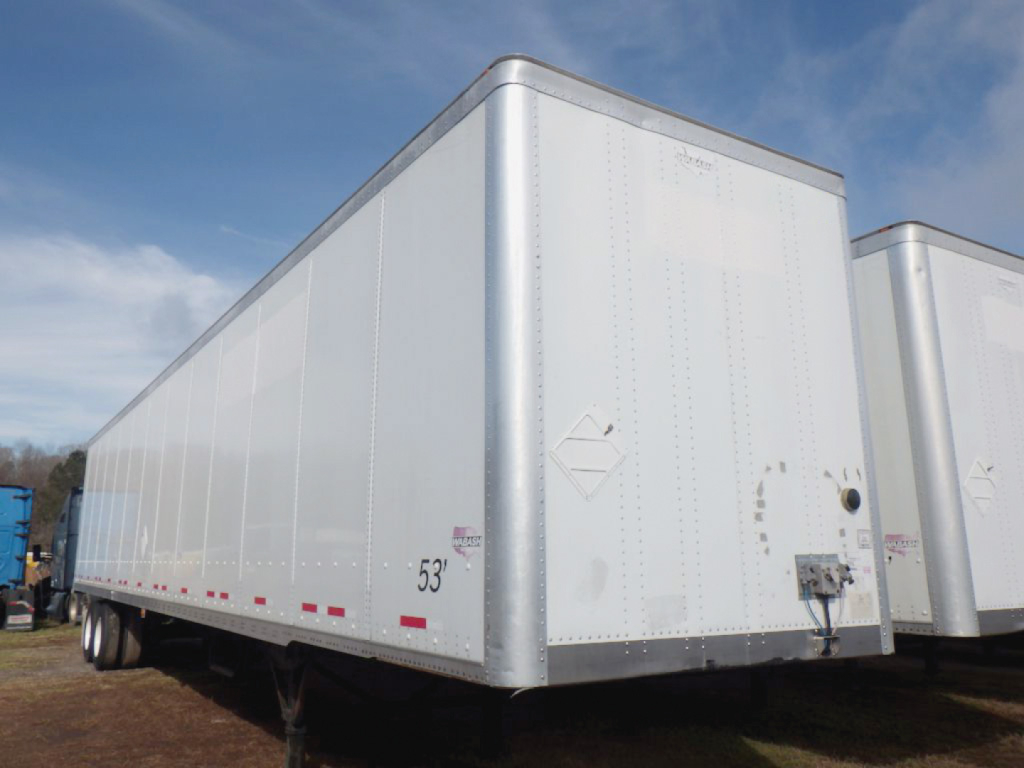
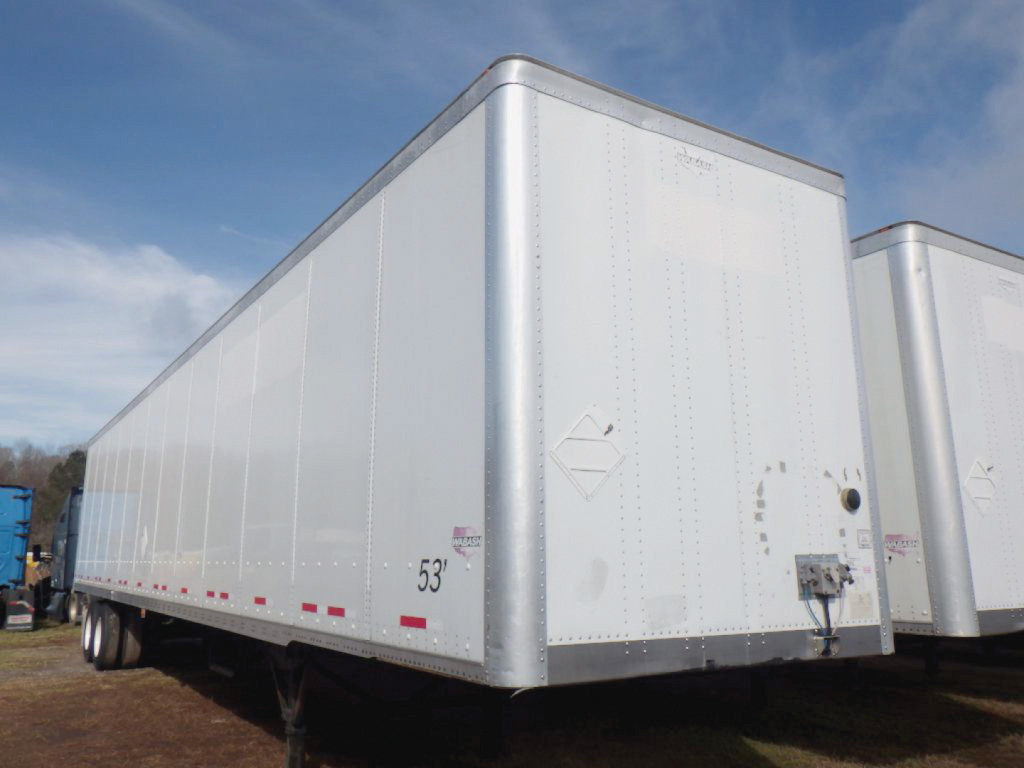
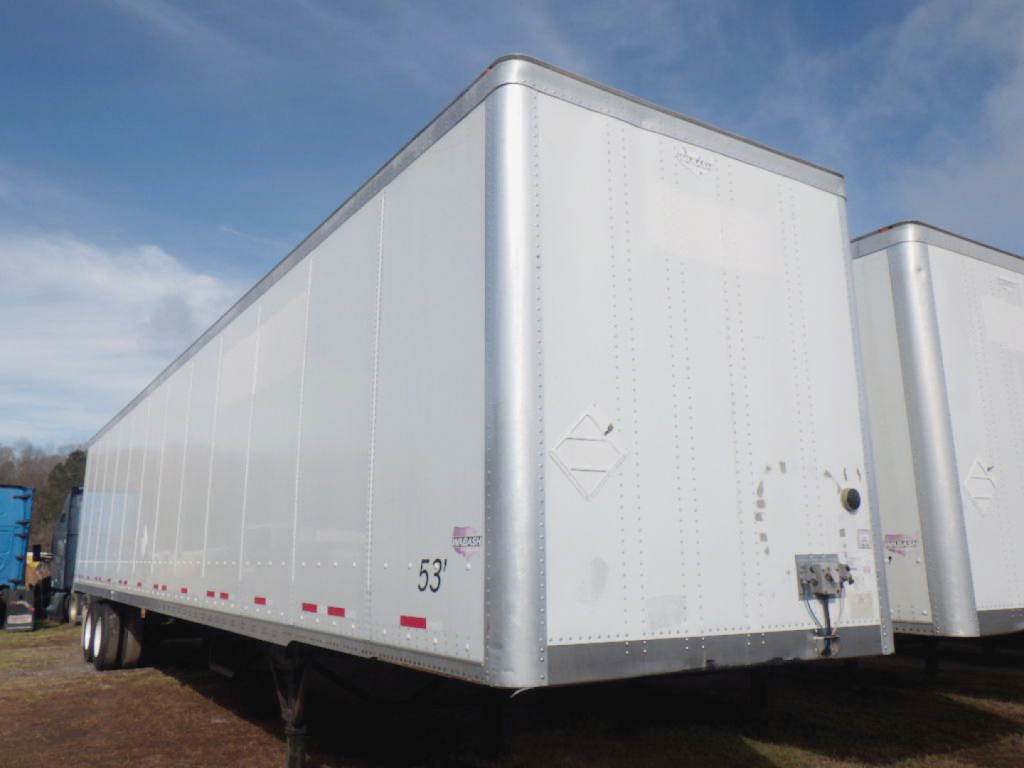
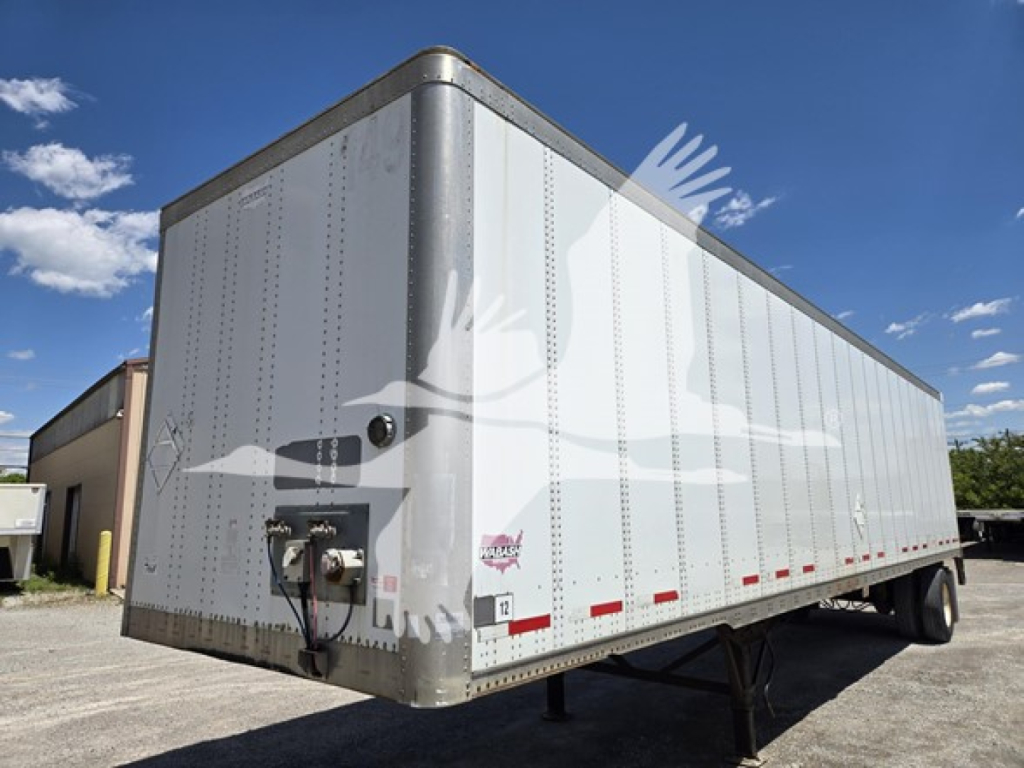
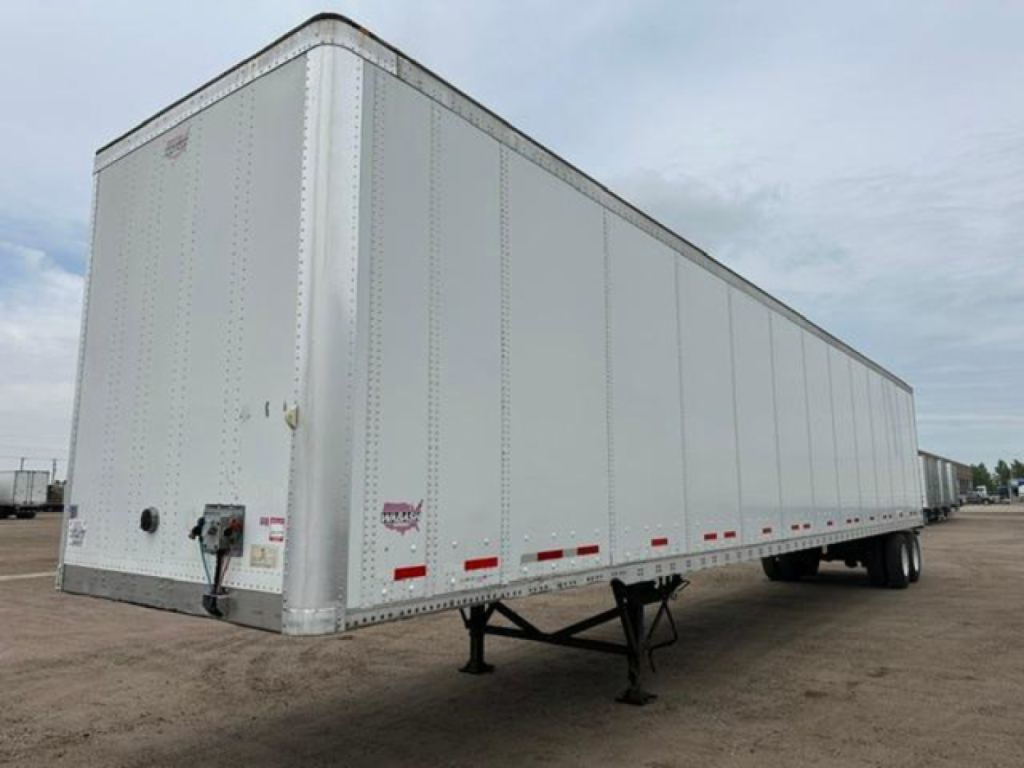
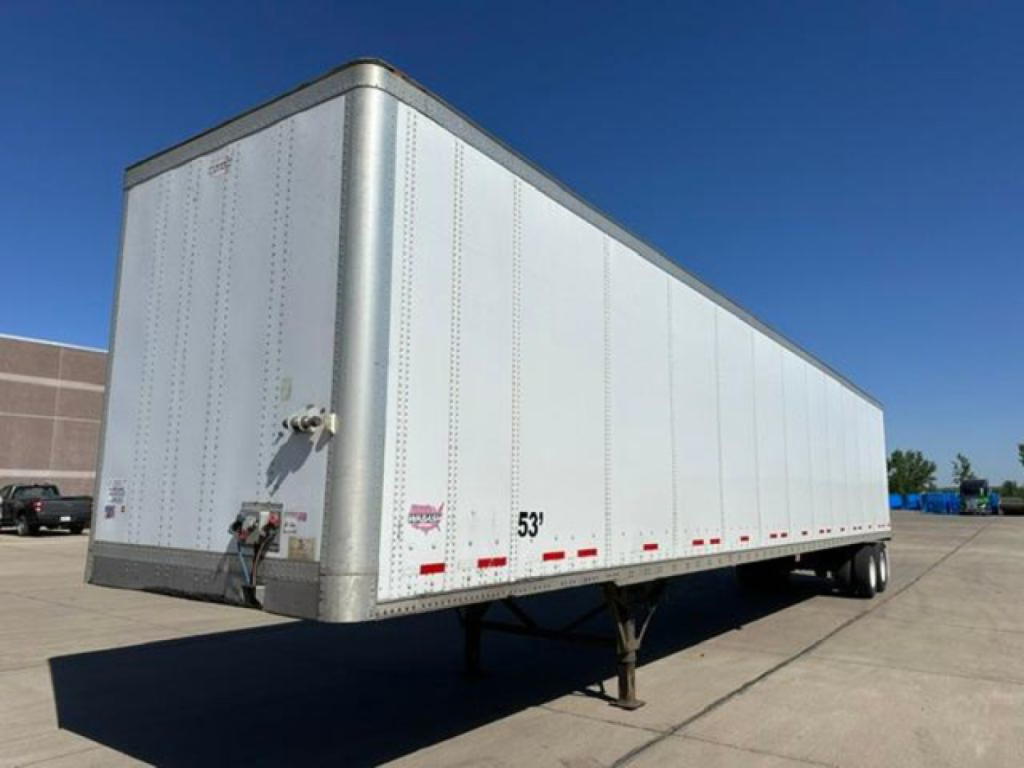
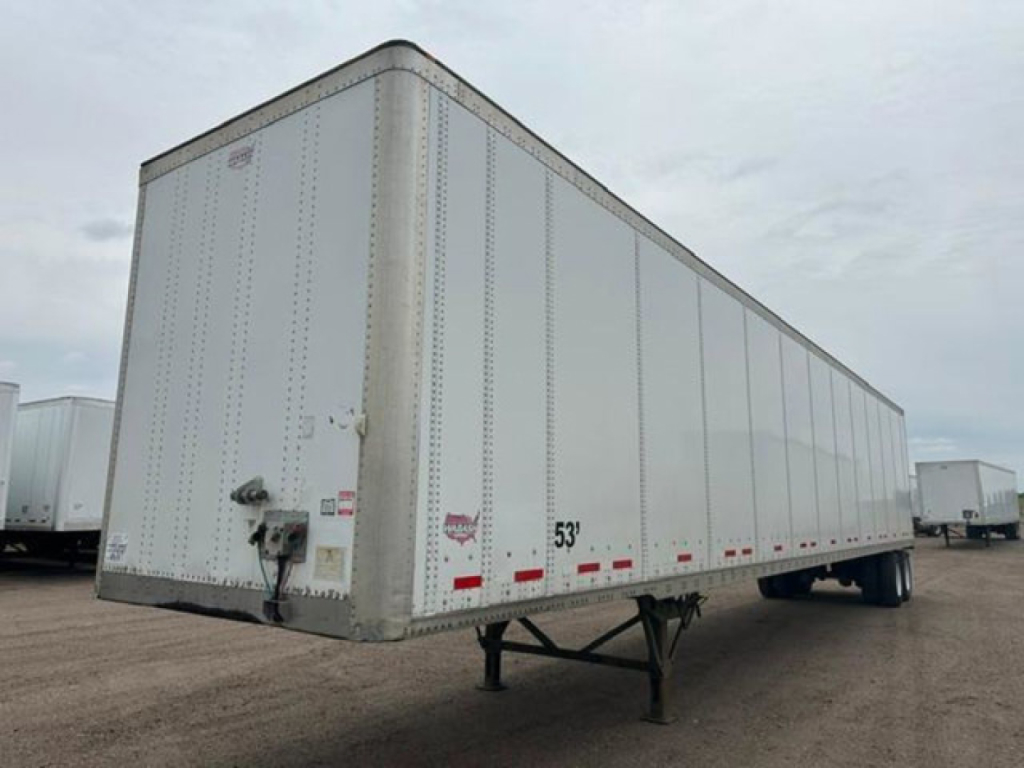
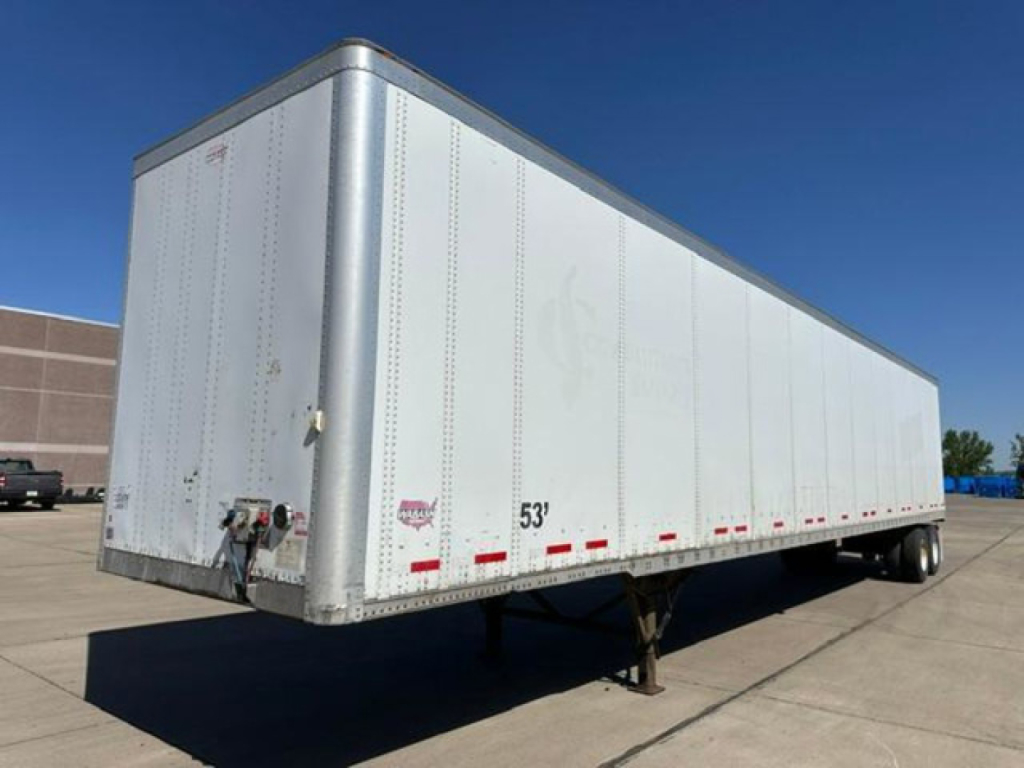
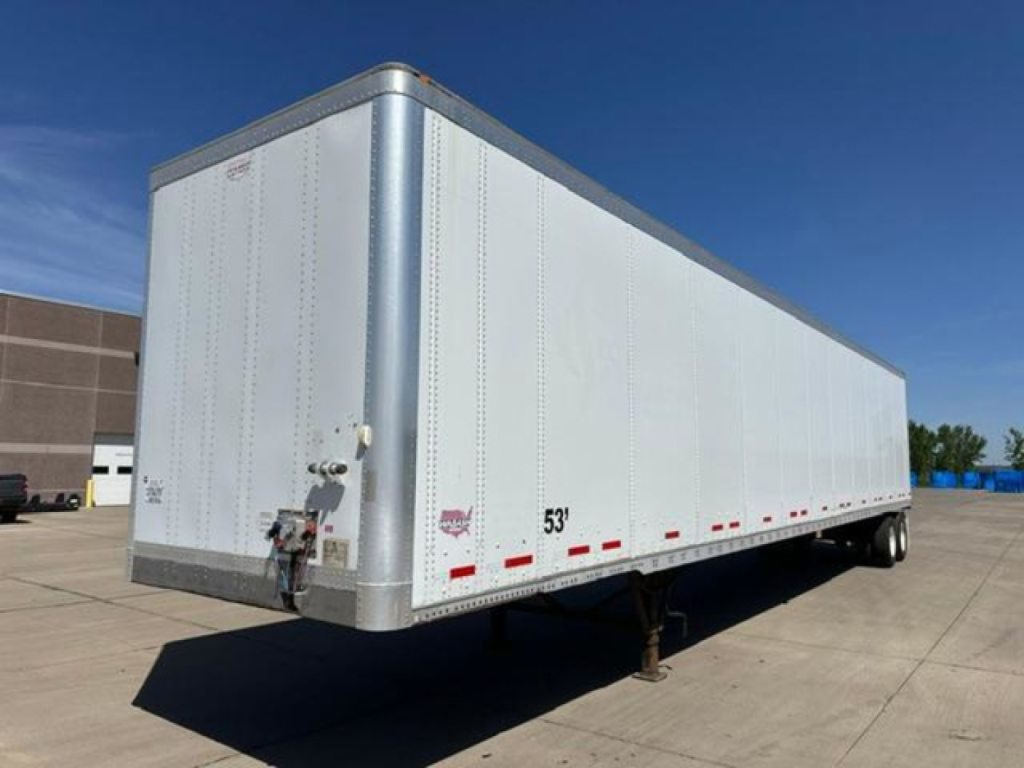
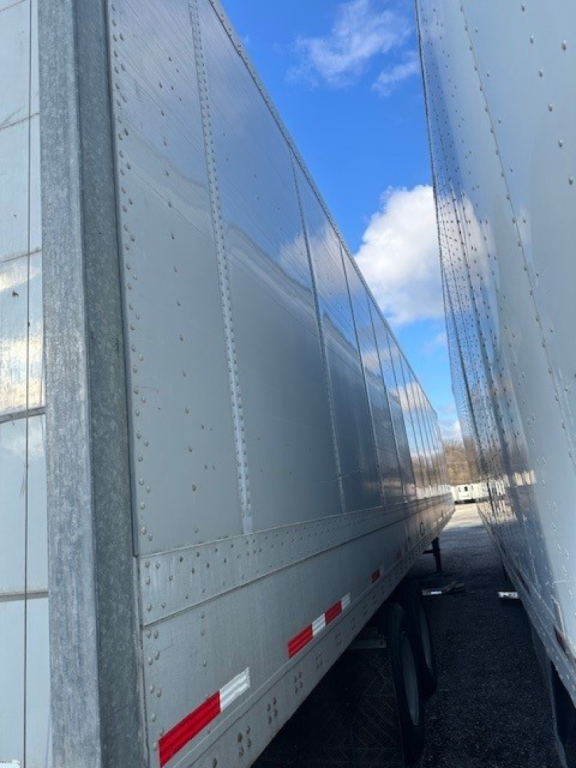
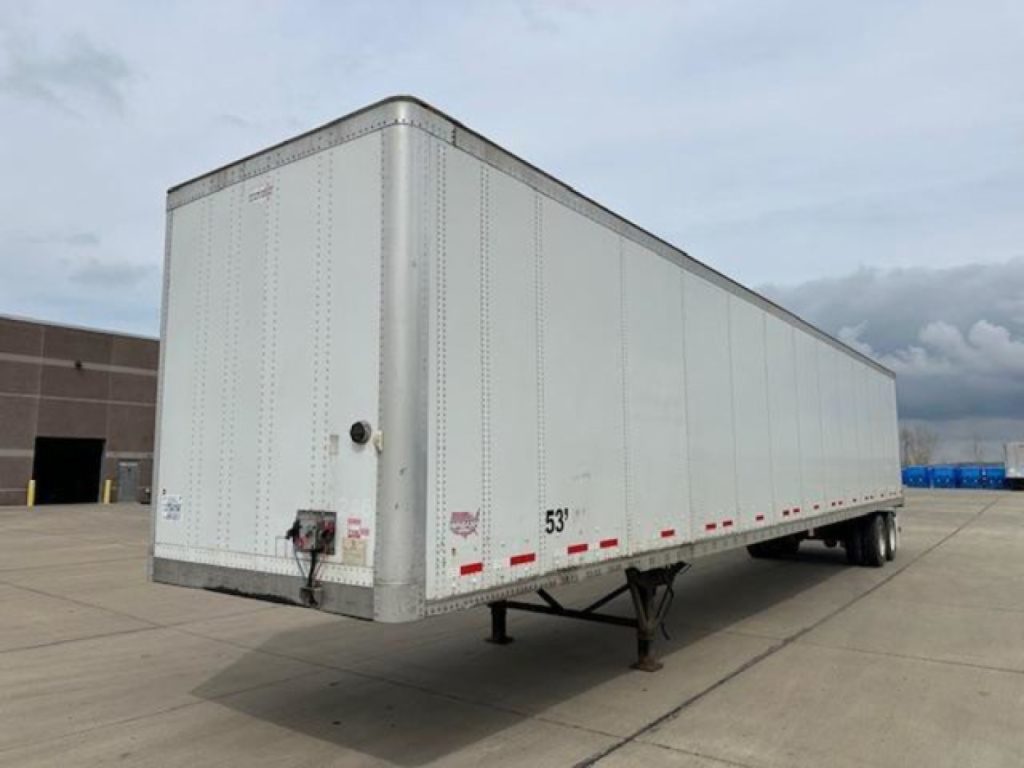
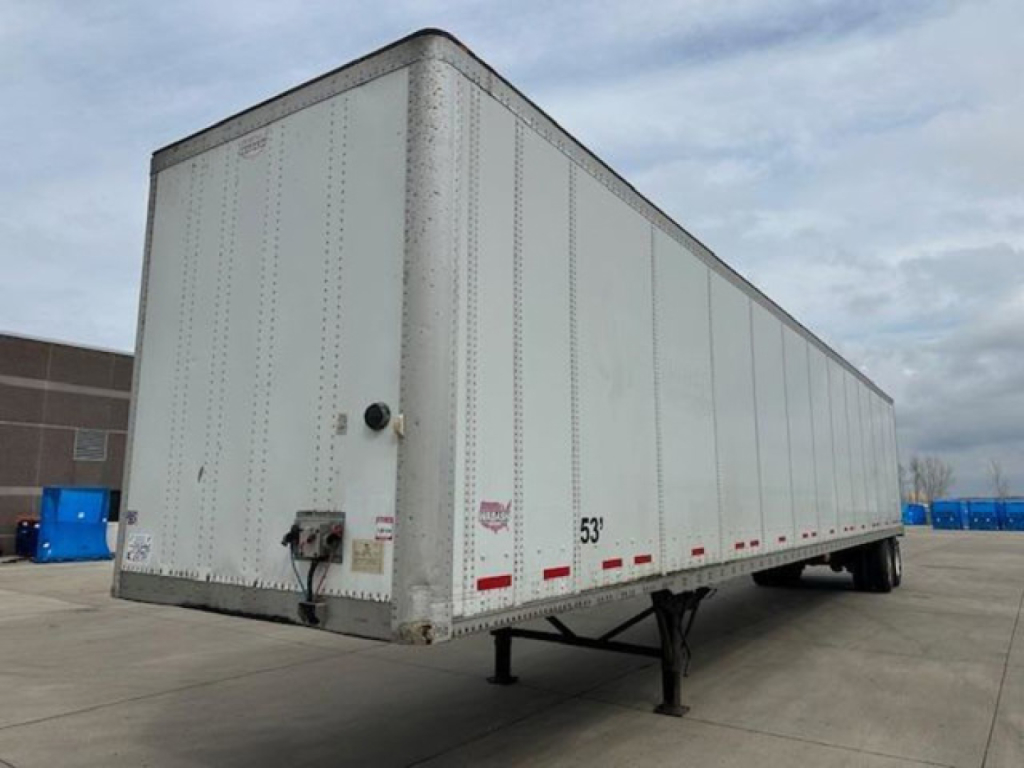
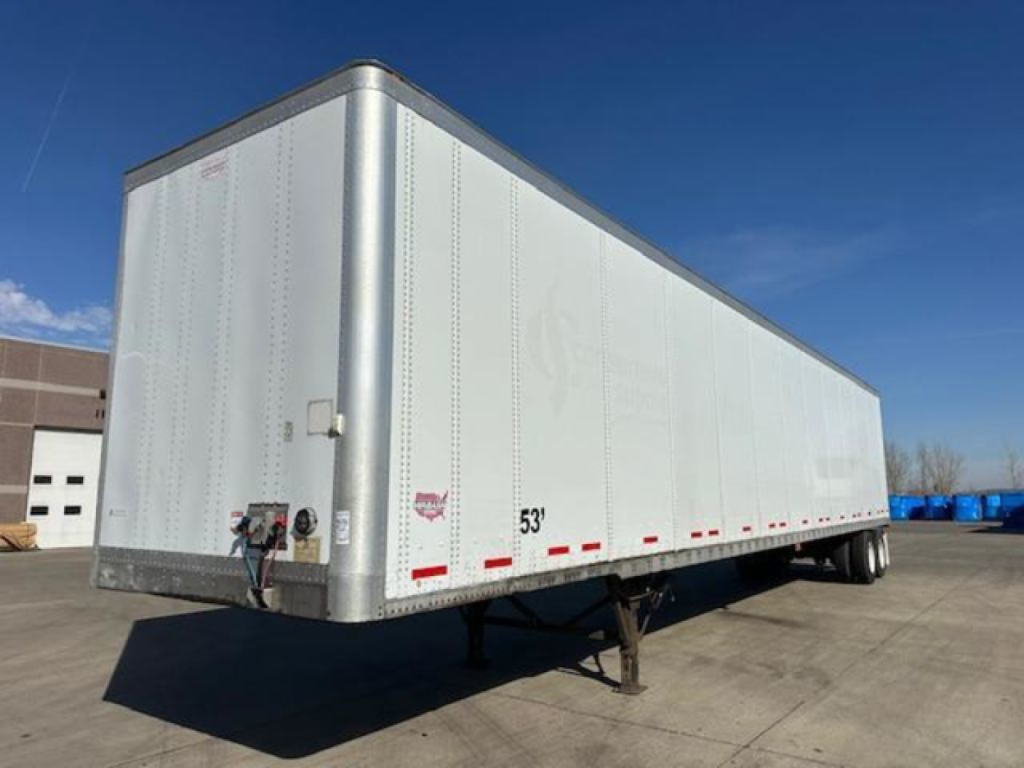
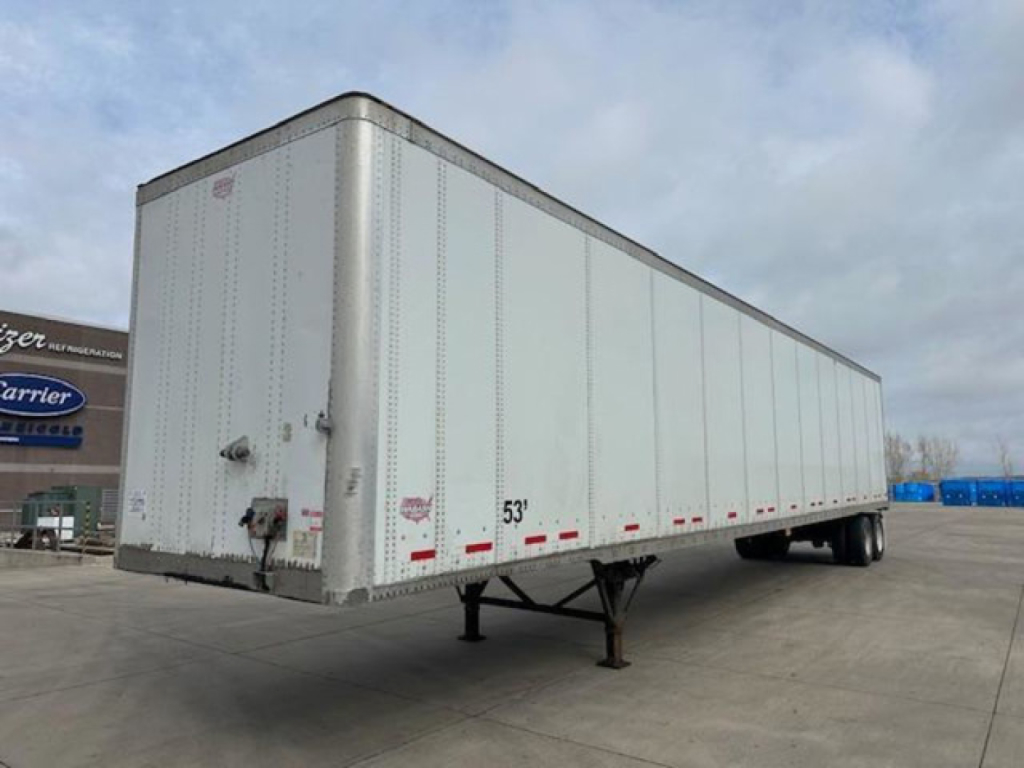
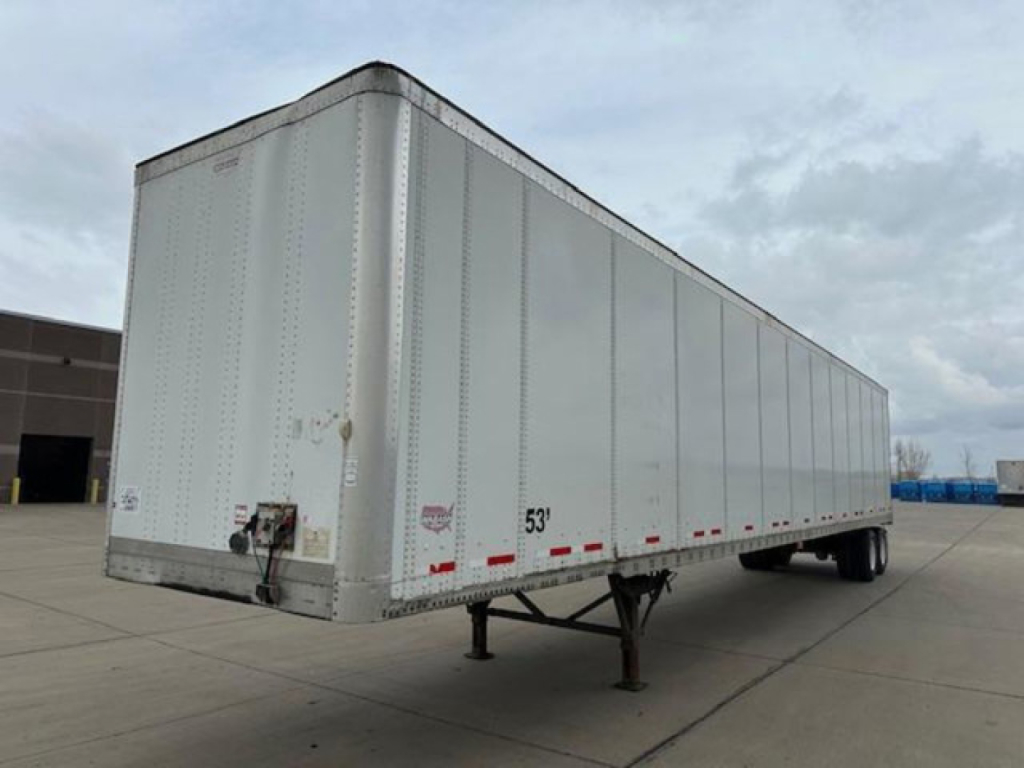
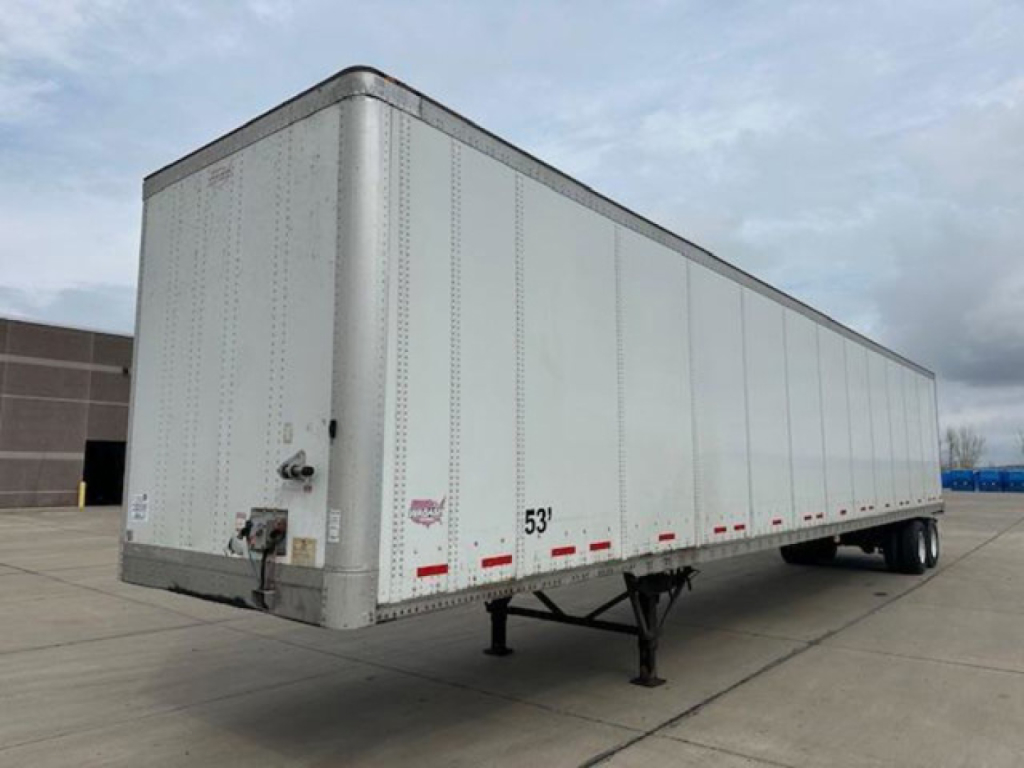
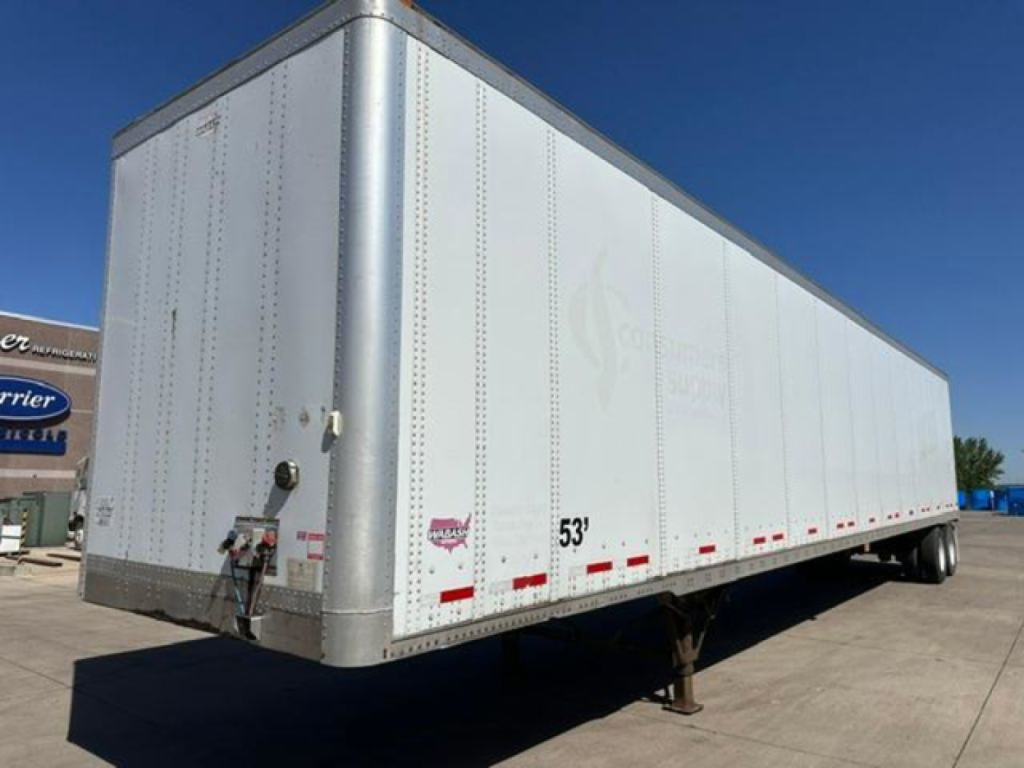
Showing 1 to 24 of 31 results
Have 2014 wabash trailer to sell? List it here to reach thousands of buyers.
About 2014 Wabash Trailers
The biggest buying decisions usually come down to door type, suspension, floor condition, and axle arrangement. A roll-up door is useful in multi-stop delivery and tight dock environments, but it does add weight and can reduce rear opening height compared with swing doors. Air ride is generally preferred for freight protection and resale, while spring ride may still appeal in basic fleet service where simplicity matters. On used 2014 Wabash vans, pay close attention to floor wear at the threshold, crossmember condition, roof bow integrity, sidewall repairs, and the amount of prior patchwork around scuff liners and logistics posts. Tire size, brake life, and slider rail condition also deserve a close look because those items directly affect reconditioning cost.
Wabash trailers from this period are also known for being easy to place into common fleet applications because parts support, body repair familiarity, and interchangeability are strong across the market. Typical specs in this class include 53-foot overall length, 13-foot 6-inch legal height depending on tire and suspension setup, tandem axles, 22.5-inch wheels, and a GVWR commonly rated around 68,000 pounds for van configurations. Buyers running long regional or over-the-road lanes should compare empty weight against payload targets, especially if lightweight freight is not the only use case. Interior width, rear door opening, and lining package matter if the trailer will handle mixed pallets, beverage loads, e-commerce freight, or frequent forklift traffic.
For a buyer comparing multiple 2014 Wabash trailers, condition matters more than badge familiarity alone. A clean dry van with solid floors, straight rails, leak-free roof structure, smooth-operating slider, and documented brake and tire history will usually outperform a cheaper unit that needs structural and dock-impact repairs. If the trailer will stay in drop-and-hook service, focus on kingpin area integrity, landing gear condition, ICC bumper repairs, and door seal quality. If it will run daily live loads, also pay attention to interior cleanliness, lining type, and how well the rear frame has held up to repeated dock contact. In this age range, the best value is usually a trailer with straightforward specs, visible maintenance discipline, and no surprises in the understructure.
Frequently Asked Questions
What are the most common specs on a 2014 Wabash dry van trailer?
Most 2014 Wabash dry vans on the used market are 53 feet long and 102 inches wide with tandem sliding axles. Air ride suspension is common, though some spring ride units are still in service. Many have aluminum and steel combination construction, wood floors, roll-up rear doors, and either translucent or aluminum roof panels. GVWR on van models is commonly around 68,000 pounds, but buyers should confirm the actual VIN plate and axle ratings on each trailer.
What should I inspect first on a used 2014 Wabash trailer?
Start with the floor, crossmembers, slider assembly, rear frame, and roof condition. Those areas tell you a lot about how the trailer was used and how much reconditioning may be needed. Check for soft floor sections, cracked crossmembers, bent slider rails, roof leaks, prior sidewall patches, and damage around the rear threshold from forklift traffic. Brake wear, tire condition, suspension components, and landing gear operation should also be reviewed before purchase because those are common immediate-cost items.
Is air ride better than spring ride on a 2014 Wabash trailer?
For most freight applications, air ride is the more desirable setup because it helps protect cargo, improves ride quality, and generally supports resale value. It is especially useful for palletized consumer goods, packaged freight, and lane operations where dock impact and vibration matter. Spring ride can still be a workable option for budget-focused buyers or basic general freight service, but it is usually less forgiving on cargo and may be less attractive in fleet resale channels.
Are 2014 Wabash trailers still a good fit for fleet service?
Yes, if the trailer has been maintained well and the structure is still sound. Wabash trailers remain widely accepted in fleet, regional, and independent operations because repair shops are familiar with them and replacement parts are generally accessible. The key is to buy on condition rather than age alone. A properly maintained 2014 trailer can still deliver solid service in drop-and-hook, warehouse shuttle, and over-the-road work if the understructure, door frame, suspension, and roof are in good shape.
Why do door type and interior lining matter on a used Wabash van?
Door type affects loading efficiency, rear opening clearance, and maintenance cost. Roll-up doors are convenient at busy docks and in urban delivery work, but they add components that wear and can reduce clear opening height. Interior lining matters because it protects sidewalls from forklift and pallet damage. Plastic liners, scuff bands, and logistics post systems are useful in high-turn freight operations because they help preserve the trailer body and support cargo securement.