
2001 Wabash Trailers For Sale
Shop 2001 Wabash trailers for sale, including dry van and freight trailer configurations with common specs, construction details, and spec guidance.
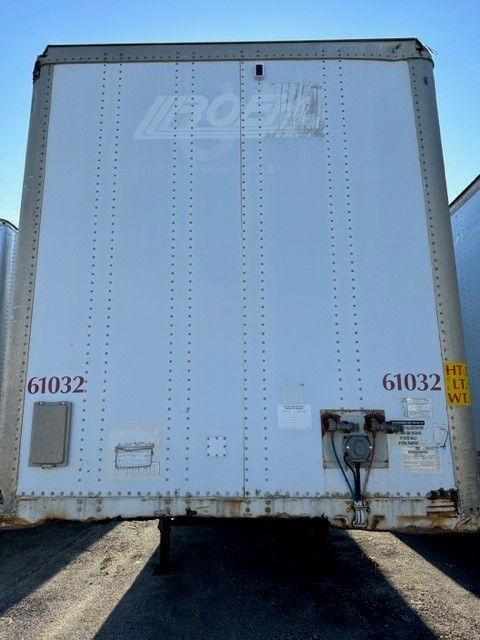
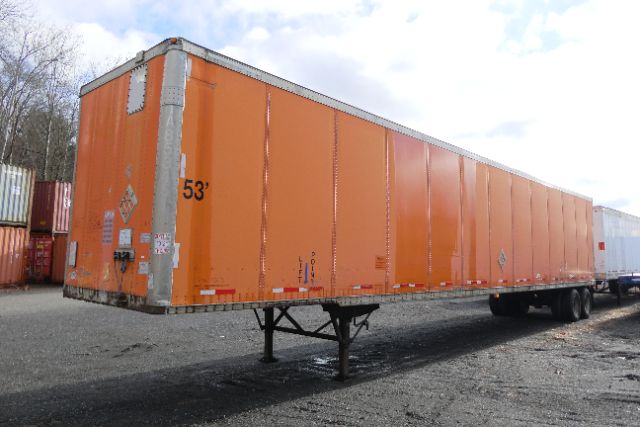

Selling a 2001 wabash trailer? List your 2001 wabash trailer for sale and reach thousands of commercial buyers.
2001 Wabash Trailers
The most important buying decision on an older Wabash trailer is structural condition, not just appearance. Check the roof bows, front wall, rear frame, threshold plate, crossmembers, side rail condition, and floor wear around forklift travel paths. On dry vans, interior specs like scuff liners, plywood lining, logistic posts, E-track, and wear bands can add real value if the trailer will stay in general freight, retail, parcel, or local delivery work. Suspension is another major checkpoint. Many Wabash vans from this era were built with either spring ride or air ride, and tandem slider suspensions remain the more flexible option for over-the-road use because they help with bridge law and axle spacing. Single-axle units and shorter vans are more common in city, dedicated route, or pup trailer applications.
Wabash trailers from the early 2000s are also known for being straightforward to spec, service, and repurpose. A 53-foot Wabash dry van can still make sense for warehouse shuttles, storage, regional freight, or dock use if the body is sound and the running gear checks out. Door style should match the job. Swing doors are common in full-length van service and usually provide maximum rear opening access, while roll-up doors can be useful in multi-stop urban applications where dock clearance is tight. Tire size, wheel type, brake condition, landing gear operation, and slider function should all be inspected closely on a trailer of this age, especially if it has seen pooled fleet use.
For buyers comparing 2001 Wabash trailers against other used freight trailers, the practical advantage is familiarity. Parts support, repair knowledge, and body serviceability are widely understood across the trailer industry. The best unit is usually the one with a clean frame, solid floor, straight walls, dry roof, and a suspension setup that fits the lane it will run. If the trailer will be loaded by forklift every day, floor integrity and crossmember spacing should rank high. If it will run long haul, pay closer attention to slider travel, brake system condition, tire wear pattern, and overall weight versus payload needs.
Frequently Asked Questions about 2001 Wabash Trailers
What types of 2001 Wabash trailers are most common on the used market?
The most common 2001 Wabash trailers are dry van trailers in lengths such as 28 feet, 40 feet, 48 feet, and 53 feet. Many are 102 inches wide and equipped with tandem axles, although single-axle pup trailers are also seen. Typical freight specs include wood floors, aluminum roofs, plate or sheet-and-post wall construction, and either swing or roll-up rear doors.
What should I inspect first on a 2001 Wabash dry van trailer?
Start with the structure. Floor condition, crossmembers, side rails, roof seams, front wall, rear frame, and threshold plate usually tell more about remaining service life than paint or panel appearance. On an older van, buyers should also inspect for water intrusion, bowed walls, floor soft spots, landing gear wear, suspension condition, brake performance, and tire wear that may point to axle or alignment issues.
Is air ride or spring ride better on an older Wabash trailer?
That depends on the application. Air ride is generally preferred for over-the-road freight, sensitive cargo, and dock-to-dock van work because it offers better ride quality and is common on tandem slider setups. Spring ride is simpler and can be less expensive to maintain, but many buyers still prefer air ride for mainstream van service. The real priority is current condition of the suspension, bushings, bags if equipped, and axle alignment.
Are 2001 Wabash trailers still good for over-the-road service?
They can be, if the trailer has been maintained and the structure is sound. Many trailers from this age are better suited for regional freight, storage, yard spotting, or dedicated lane work, but a well-kept Wabash van can still serve in highway duty. Buyers should weigh repair needs against purchase price and confirm that brakes, tires, lights, ABS components, slider operation, and body integrity meet the demands of their operation.
What door style is better on a used Wabash van trailer, swing doors or roll-up doors?
Swing doors are usually preferred on full-size dry vans because they provide a wide rear opening, simpler hardware, and good access at standard docks. Roll-up doors are often useful for city delivery or multi-stop work where space behind the trailer is limited. On a used trailer, condition matters more than style. Check hinges, seals, frame alignment, latch hardware, and door opening dimensions before deciding.