
2000 Wabash Trailers For Sale
Shop 2000 Wabash trailers for sale, including dry van and van trailer configurations with durable construction, common fleet specs, and buyer tips.
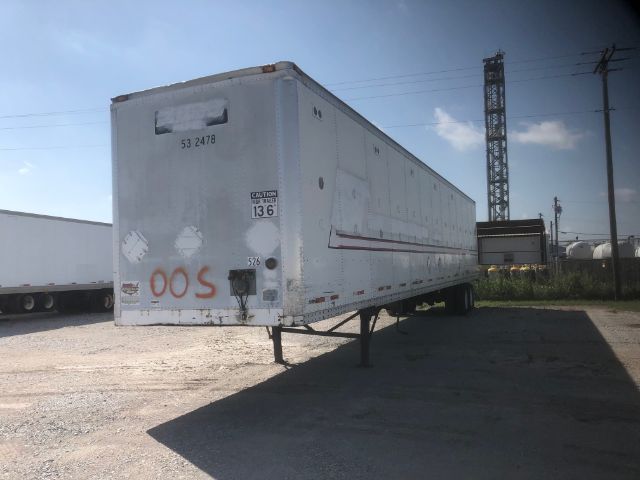
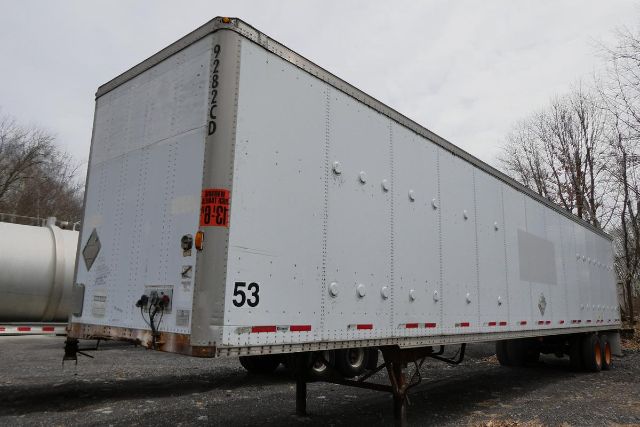

Selling a 2000 wabash trailer? List your 2000 wabash trailer for sale and reach thousands of commercial buyers.
2000 Wabash Trailers
On a 2000 model, floor and door condition deserve close attention. Many buyers want to check crossmembers, threshold plate wear, rear frame integrity, and signs of forklift damage in the floor. Wood floors were common, and they can still perform well if rot, delamination, and excessive patching are not present. Rear closures may be swing doors or roll-up doors, and each has tradeoffs. Swing doors usually preserve interior cube and are simpler to maintain, while roll-up doors can be convenient in tight docks but add hardware and maintenance points. Interior equipment such as logistics posts, scuff liners, side liners, translucent roof panels, and tire inflation systems can materially affect resale value and day-to-day utility.
Running gear matters just as much as the box. Buyers should verify axle slide operation, suspension wear, brake type and remaining lining, wheel-end condition, tire size, and whether the trailer is on standard duals or super singles. Older Wabash vans are often found with 22.5 low-profile rubber, hub-piloted steel wheels, and tandem axle layouts rated around the common van GVWR ranges seen in fleet service. If the trailer will run in California or other weight-sensitive lanes, kingpin setting, tandem spread compliance, and empty weight can influence payload flexibility. Aerodynamic add-ons like side skirts may be present on later-refurbished units or fleet-updated trailers, but on a 2000 trailer the core value is usually in a straight frame, sound roof, solid floor, and clean title history.
For buyers comparing older van trailers, Wabash remains a familiar choice because parts support, repair knowledge, and market acceptance are strong. A well-kept 2000 Wabash trailer can still fit regional delivery, warehouse shuttles, storage use, or lower-mileage over-the-road service if the structure is right. Dry van buyers should focus on inside dimensions, door opening height, roof condition, suspension type, and evidence of prior wall or rear impact repairs. In this age range, maintenance records and a careful inspection often tell you more than mileage-equivalent assumptions ever could.
Frequently Asked Questions about 2000 Wabash Trailers
What should I inspect first on a 2000 Wabash dry van trailer?
Start with the structure. Check the floor for soft spots, heavy patching, or forklift damage, then inspect the rear frame, crossmembers, sidewalls, roof, and threshold plate. On an older Wabash trailer, evidence of quality repairs is not necessarily a problem, but poor repairs around the rear sill, upper coupler area, or sidewall attachment points can be expensive to correct. After that, inspect brakes, tires, suspension, wheel ends, lights, and sliding tandem function.
Are 2000 Wabash trailers typically 48-foot or 53-foot vans?
Both are common, depending on original fleet application. Many trailers from that period were built in 48-foot and 53-foot dry van configurations with 102-inch outside width and 13-foot 6-inch overall height. The right choice depends on your lanes, dock setup, payload needs, and any state or customer length restrictions. A 53-foot van offers more cube, while a 48-foot unit may still fit certain regional or dedicated operations well.
Is a spring ride or air ride suspension better on an older Wabash trailer?
Air ride is usually preferred for ride quality and freight protection, especially for higher-value or damage-sensitive loads. Spring ride is simpler and can be less expensive to maintain, but it generally transfers more road shock into the trailer and cargo. On a 2000 trailer, condition matters more than theory. A well-maintained spring ride may be a better buy than a neglected air ride setup with leaking bags, worn valves, or alignment issues.
Do older Wabash trailers still have good resale and parts support?
Yes. Wabash dry vans are widely recognized in the trailer market, and that helps with resale, repair familiarity, and parts sourcing. Components like brakes, suspension parts, lights, doors, floors, and wheel-end items are generally serviceable through standard trailer repair channels. The strongest resale value comes from trailers with straight frames, clean structural history, solid floors, and usable tire and brake life.
What freight is a 2000 Wabash van trailer best suited for today?
Most are best suited for general dry freight, warehouse transfer work, short-to-medium haul regional lanes, storage applications, and dedicated shipper accounts where appearance and spec requirements are manageable. A structurally sound older van can still be productive, but buyers should match it to the freight. High-abuse freight, constant heavy forklift traffic, or premium contract work may justify a newer trailer with more advanced lining, aero, and suspension specs.