
Vanguard Trailers For Sale in Georgia
Shop Vanguard trailers in Georgia, including dry vans and reefers with 53-foot lengths, logistics posts, aerodynamic specs, and fleet-ready options.
Learn more
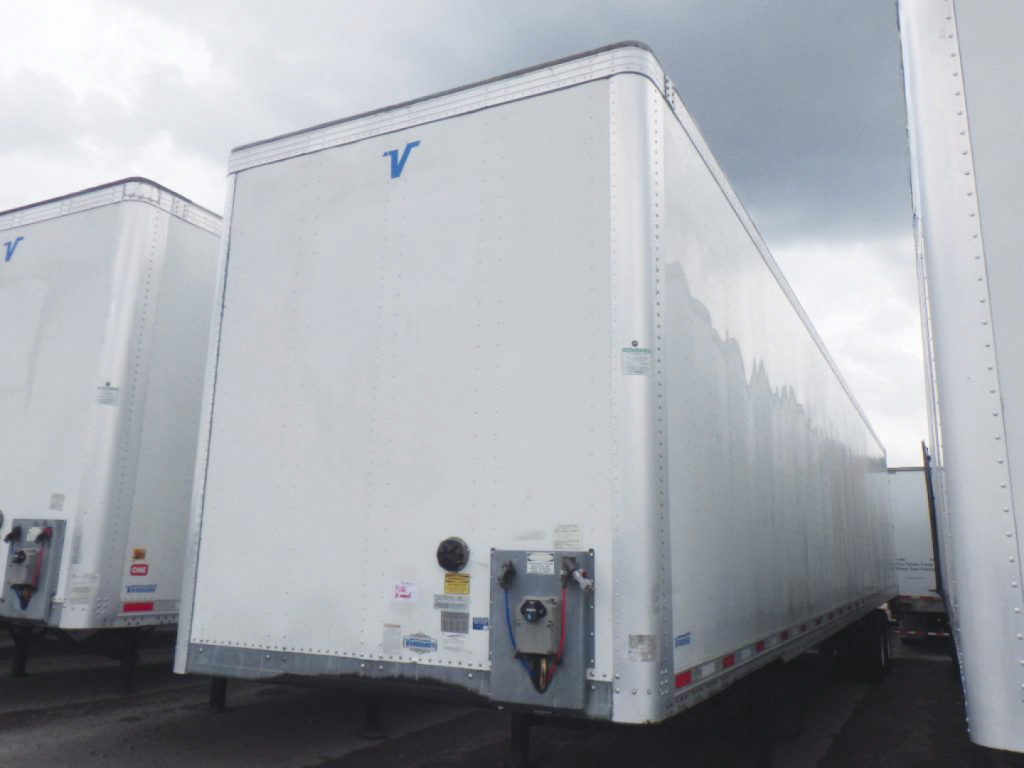
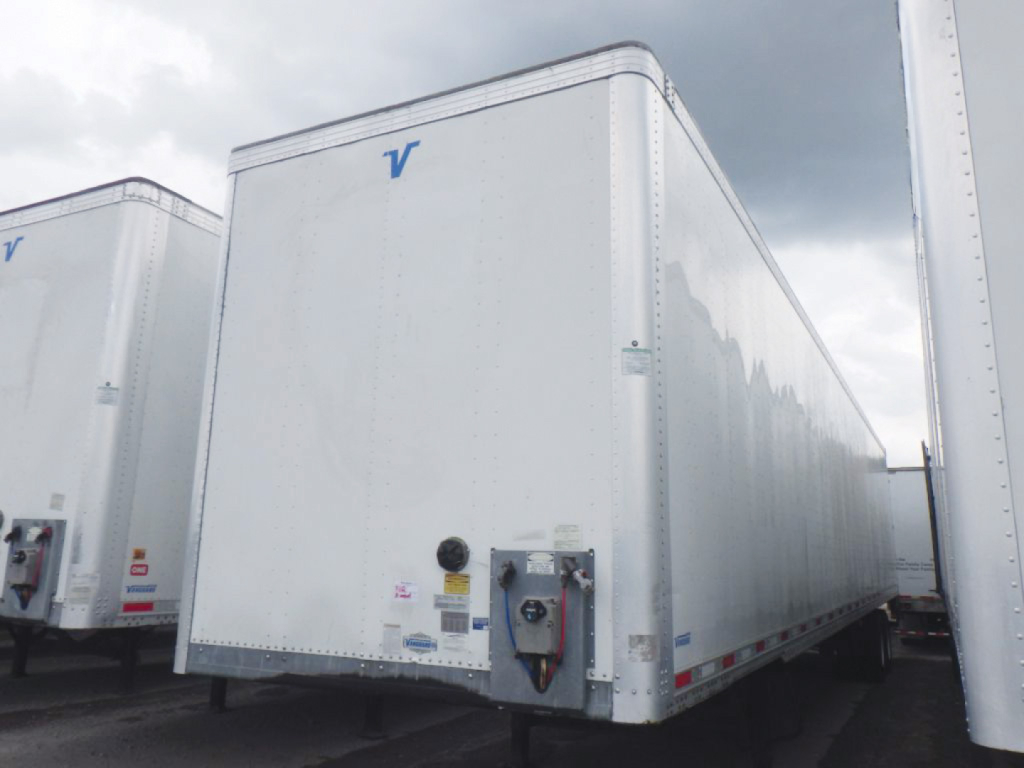
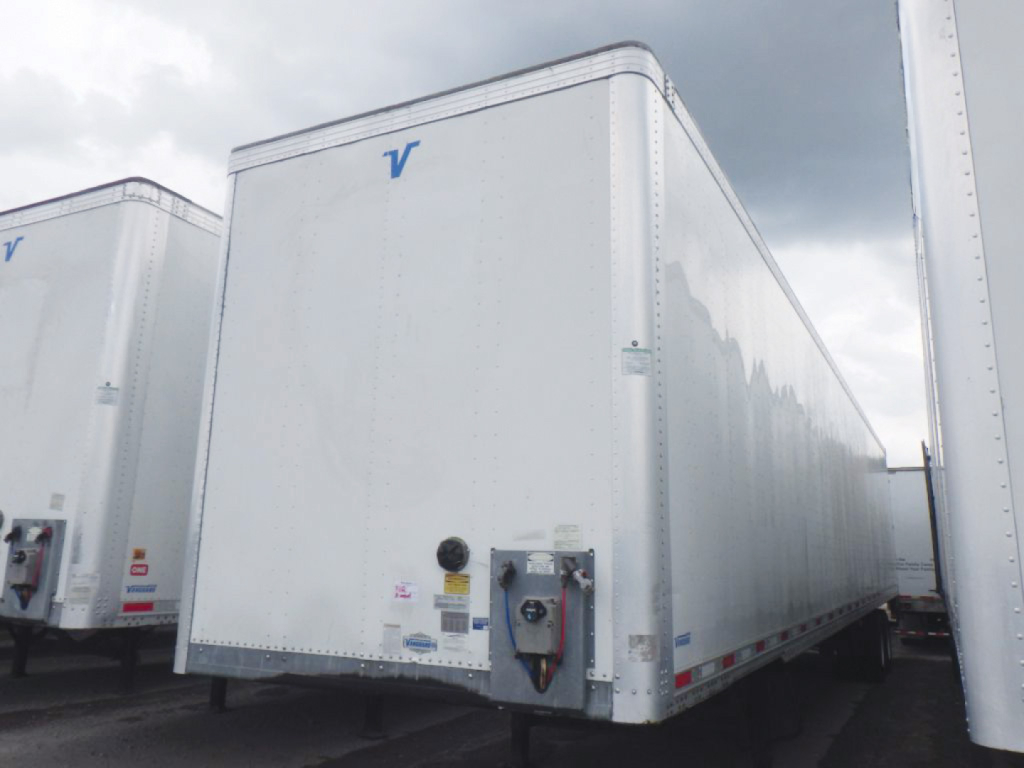
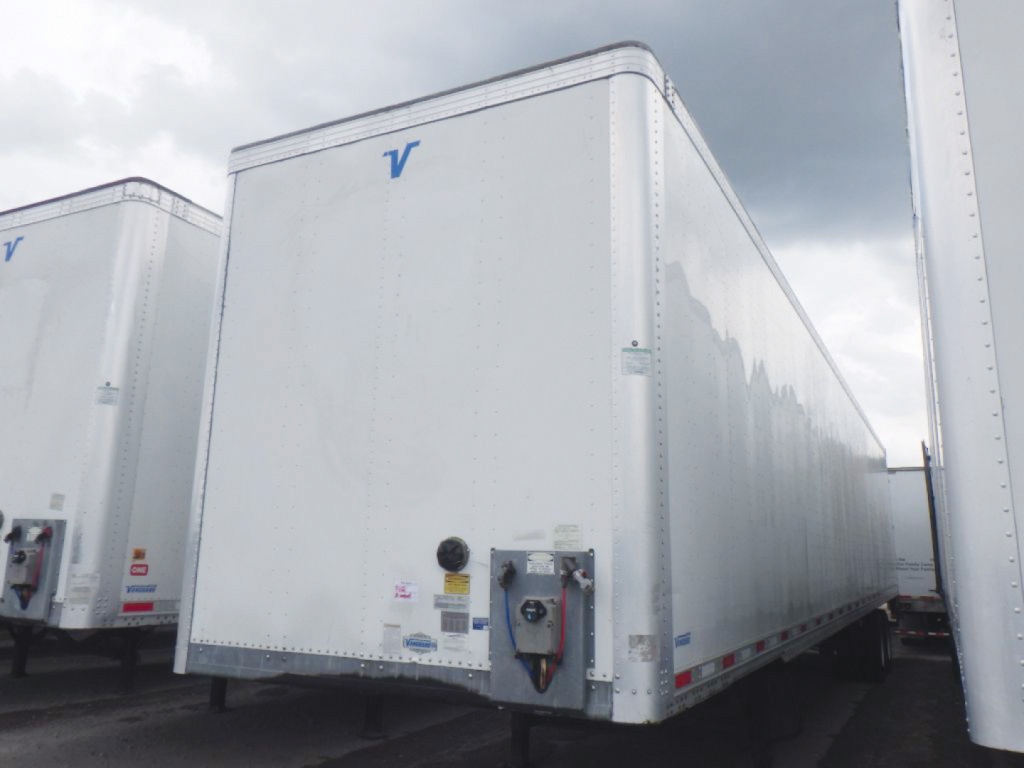
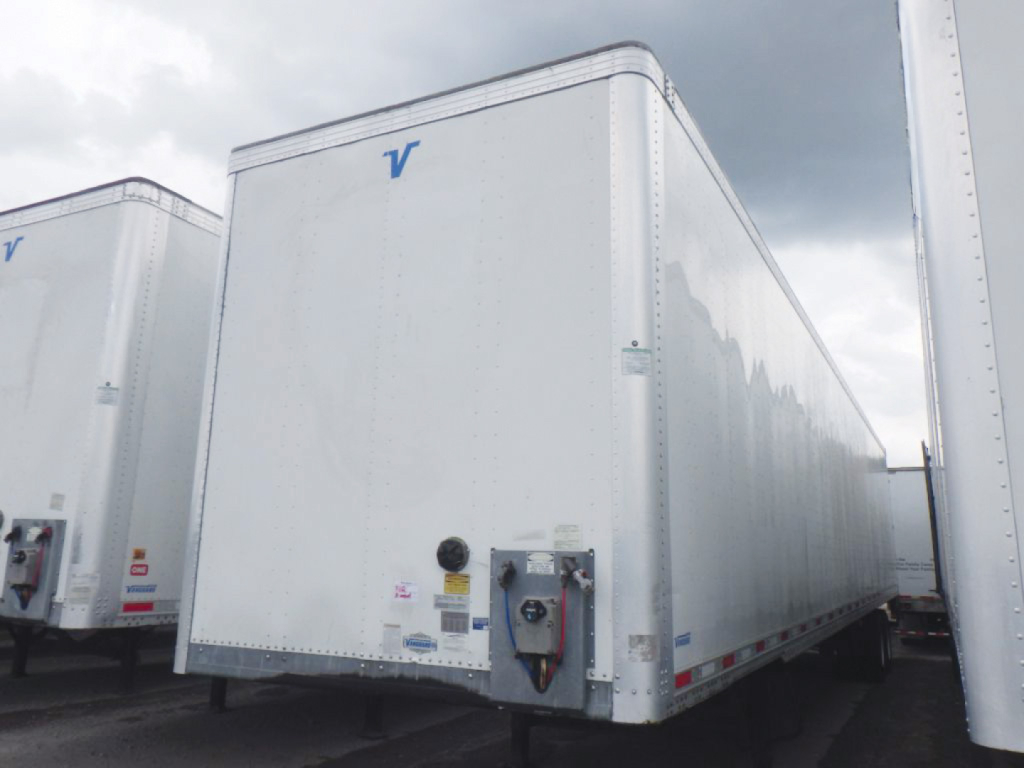
Showing 25 to 48 of 83 results
Have vanguard trailer to sell? List it here to reach thousands of buyers.
About Vanguard Trailers in Georgia
For dry van buyers, the core decisions usually come down to trailer weight, interior protection, and dock durability. Many Vanguard vans are configured at 53 feet long and 102 inches wide with a 13-foot 6-inch overall height and tall inside dimensions that support cube-out freight. Common features include logistics posts, composite or plywood lining, aluminum scuff liners or scuff plates, wood flooring, threshold plates, swing doors, and galvanized rear door frames. Sliding tandems are typical and matter for bridge law compliance and dock positioning. Side skirts and tire inflation systems are also common on newer fleet-spec trailers because they help reduce operating cost over the life of the trailer.
If you are comparing a Vanguard reefer such as the VXP to a dry van like the MaxCube, focus on the freight lane and the cost structure. Dry vans are simpler and usually cheaper to maintain because there is no refrigeration unit, no fuel system for the unit, and fewer temperature-control components to service. Reefer buyers need to look beyond box condition and inspect the unit hours, evaporator and condenser condition, floor type, insulation integrity, door seals, and the trailer's ability to hold setpoint under load. On either platform, suspension type, wheel-end spec, tire size, brake setup, and overall corrosion condition are worth close attention, especially on trailers coming out of large fleet service.
A used Vanguard trailer should be evaluated like a revenue tool, not just a box on wheels. Check roof condition, front wall repairs, crossmember integrity, floor wear at the forklift lanes, and the condition of the rear impact guard and door hardware. Confirm inside height if you handle cube-sensitive freight, and verify kingpin setting and tandem slide range if the trailer will run in mixed regional and interstate service. Buyers in Georgia often prioritize dependable dry vans and reefers that can move through Atlanta-area distribution networks, port-related freight, and Southeast regional lanes with minimal downtime, and Vanguard remains a recognized name in that part of the market.
Frequently Asked Questions
What types of Vanguard trailers are most common on the used market?
The most common Vanguard trailers on the used market are 53-foot dry vans and refrigerated trailers. Dry van models such as the MaxCube are widely used in general freight and retail distribution, while reefer models such as the VXP are built for temperature-controlled freight. Most are fleet-spec units with standardized dimensions, sliding tandems, logistics posts, and aerodynamic options that make them familiar to carriers and easy to integrate into existing operations.
What should I inspect first on a used Vanguard dry van trailer?
Start with the floor, roof, rear frame, and tandem system because those areas tell you a lot about remaining service life. Check for soft spots or heavy gouging in the wood floor, patched roof sections, rear door frame damage, and wear in the slider rails and locking pin system. Interior lining, scuff protection, swing door hardware, brake condition, tire wear, and signs of crossmember or threshold damage should also be part of the inspection.
Are Vanguard trailers good for fleet operations?
Vanguard trailers are widely used in fleet service because they are typically spec'd for freight efficiency, parts standardization, and fast turn times in distribution work. Features such as logistics track or posts, side skirts, tire inflation systems, galvanized rear structures, and common wheel and suspension specs make them practical for carriers that want consistency across a trailer pool. A fleet-maintained used unit can be a strong value if service history and structural condition are solid.
How do I choose between a Vanguard dry van and a Vanguard reefer?
Choose based on the freight you haul and the maintenance profile you can support. A dry van is the better fit for non-perishable freight, lower maintenance cost, and simpler trailer ownership. A reefer is necessary for frozen, chilled, or temperature-sensitive cargo, but it adds refrigeration unit service, fuel system upkeep, and stricter inspection requirements. The trailer body matters on both, but reefer buyers also need to evaluate unit hours, temperature performance, insulation condition, and floor design.
Why does trailer spec matter so much on a 53-foot van or reefer?
Trailer spec affects payload, loading efficiency, compliance, and operating cost. Inside height influences cube capacity, lining and scuff protection affect interior durability, and tandem slide range affects axle compliance and weight distribution. Brake type, tire size, suspension, side skirts, and tire inflation systems all influence maintenance cost and road performance. On a high-mileage commercial trailer, the right spec can make a noticeable difference in uptime and resale value.