
2027 Vanguard Van Trailers For Sale in Indiana
Shop 2027 Vanguard van trailers for sale in Indiana. Compare 53-foot dry van specs, composite plate sides, air ride, sliding tandem, and floor ratings.
Learn more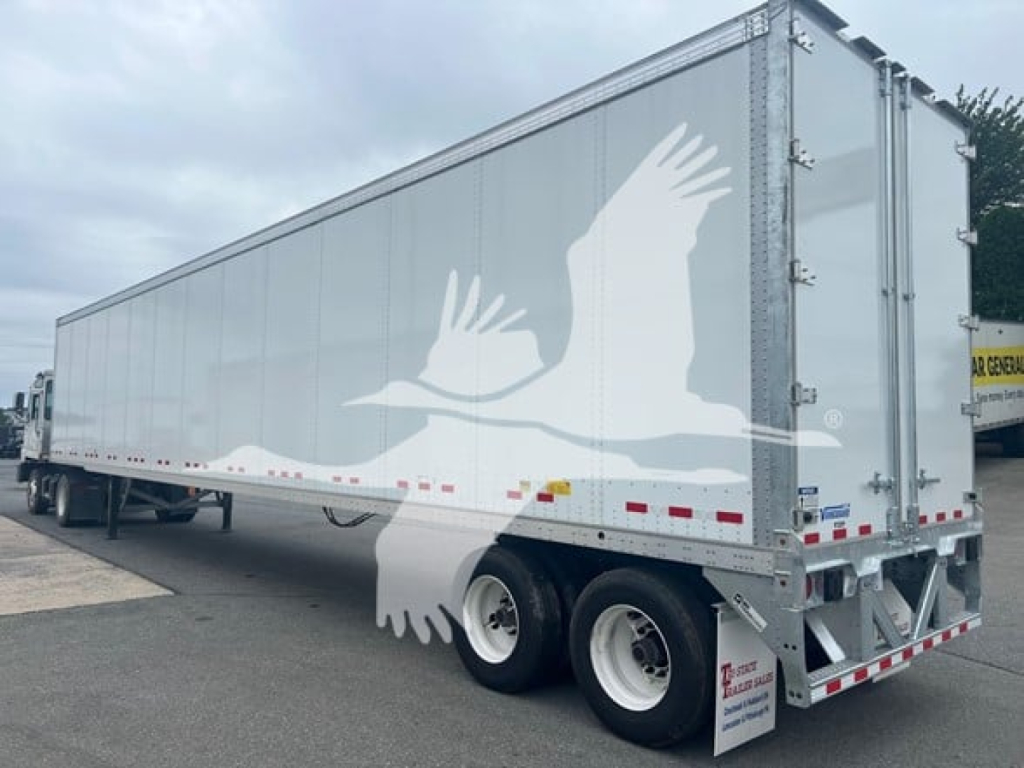
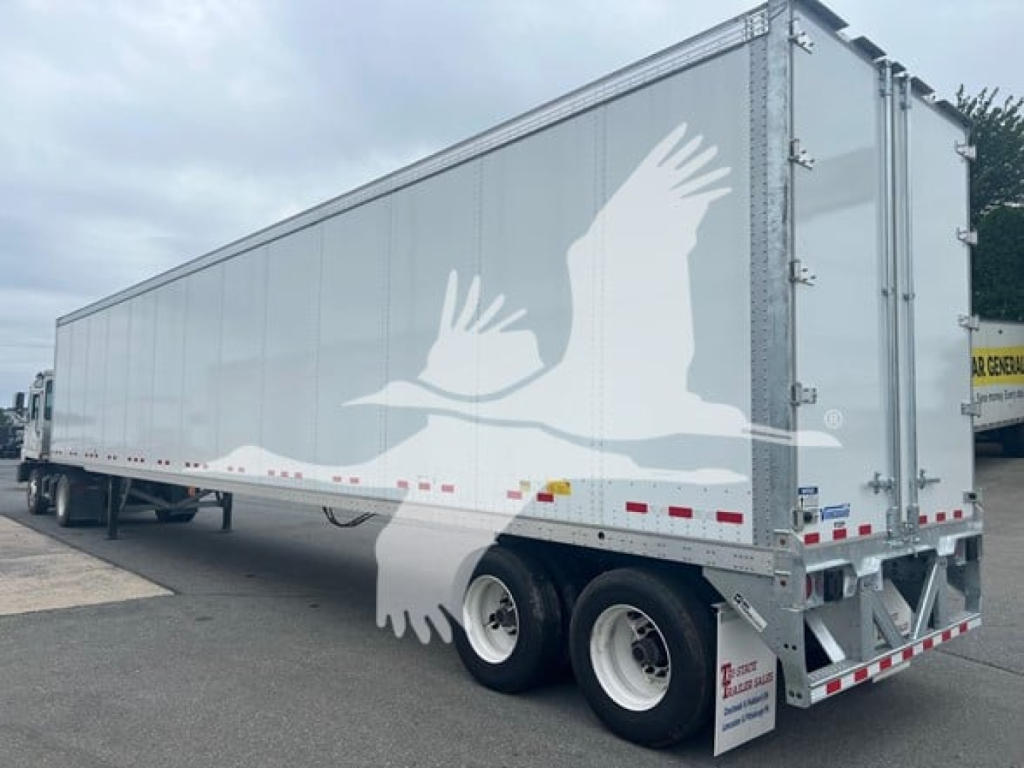
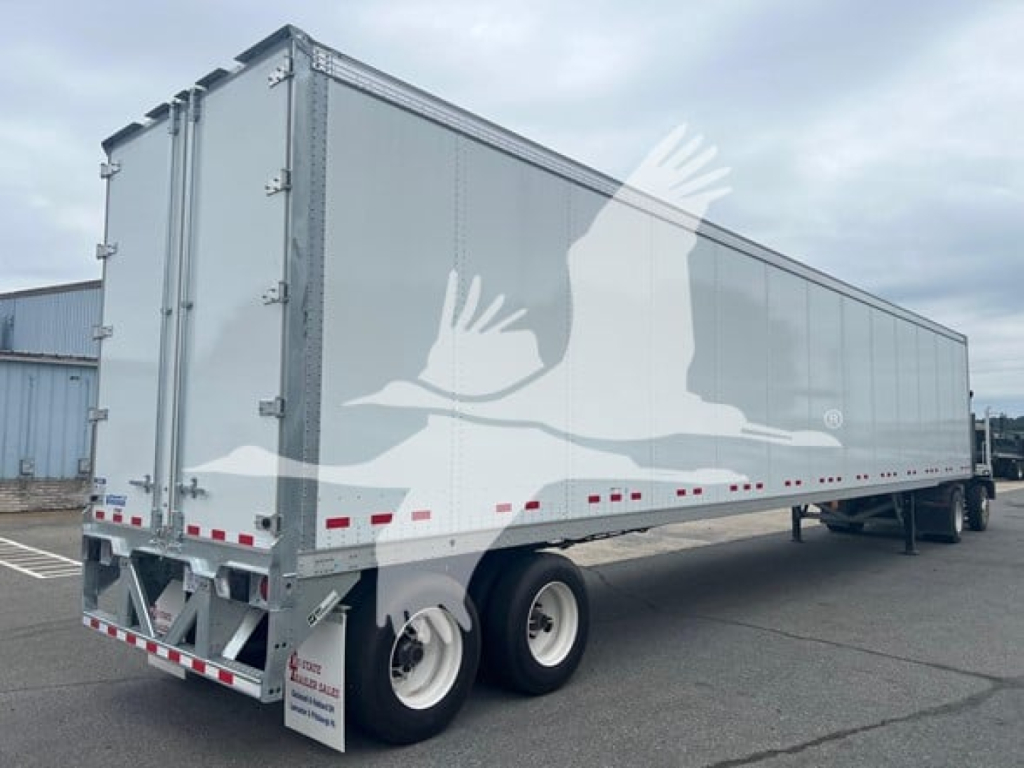
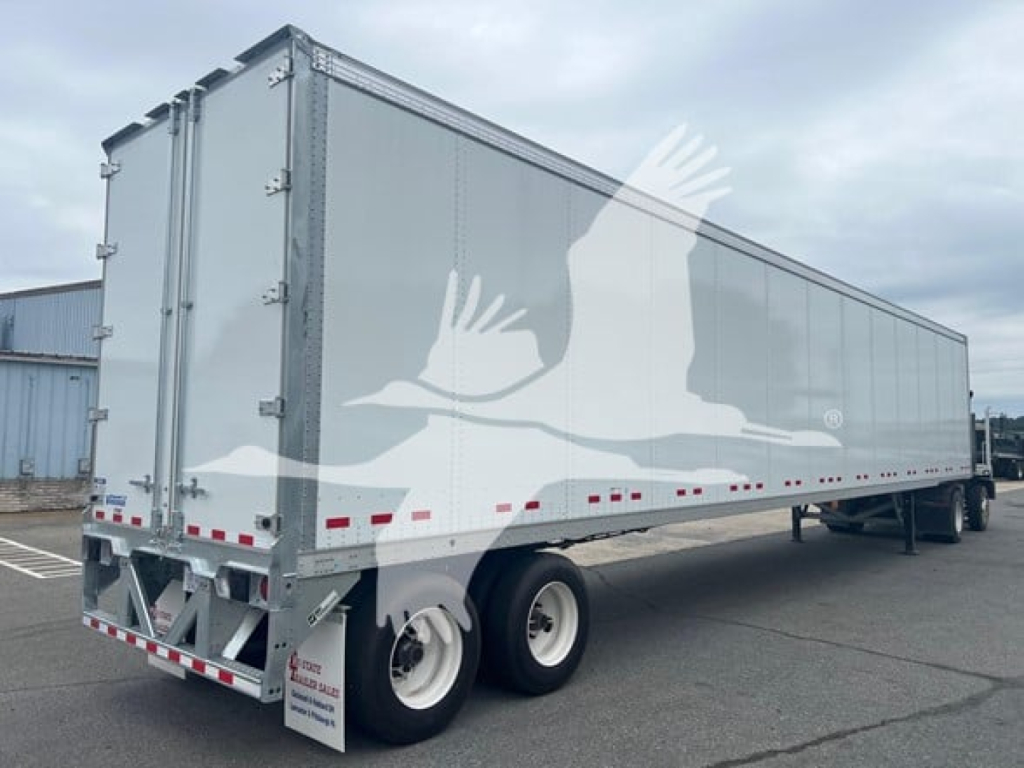
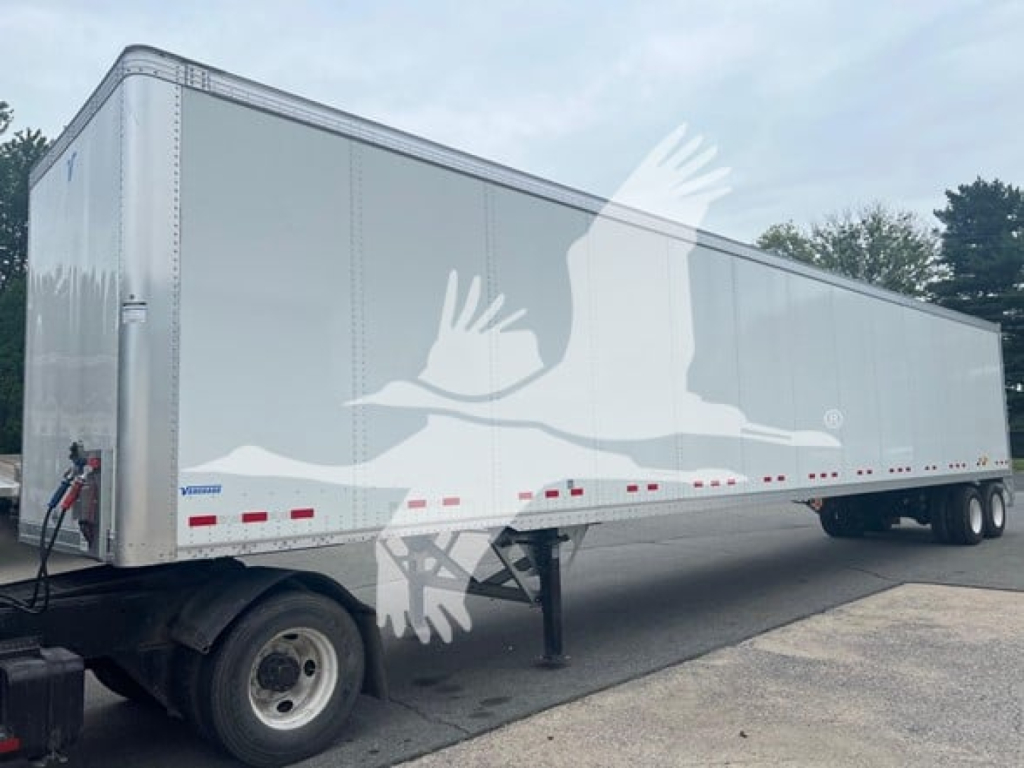
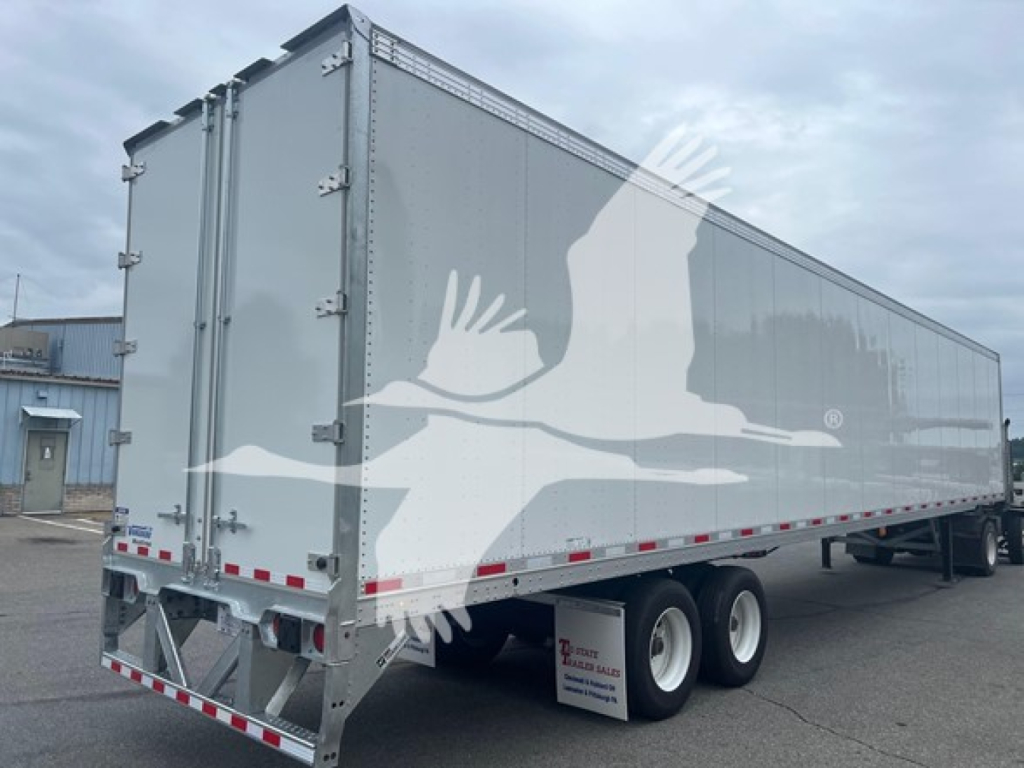
Showing 13 to 18 of 18 results
Have 2027 vanguard van trailer to sell? List it here to reach thousands of buyers.
About 2027 Vanguard Van Trailers in Indiana
The key spec decisions usually come down to side construction, floor capacity, and trailer understructure. Many Vanguard vans in this class use composite plate side panels with logistics posts on 48-inch spacing, full-height nose lining, and integrated scuff protection. Buyers should pay close attention to the scuff package if freight sees frequent forklift contact. A high base rail or heavier scuff arrangement can reduce long-term wall damage in high-cycle loading. Floor construction is another major factor. A 1 3/8-inch oak floor with multiple screws per board remains a common fleet standard, and a 22,000-pound floor rating is a meaningful number for shippers moving heavier concentrated pallet loads.
Running gear matters just as much as body spec on a dry van trailer. Typical 2027 Vanguard van trailers in this segment are tandem axle units with air ride suspension, often paired with a 49-inch sliding tandem and 216-inch slide rails for bridge law flexibility and dock positioning. A 36-inch kingpin setting is a common fleet configuration that works well with standard day cabs and sleepers. Buyers comparing listings should also look for galvanized rear frames, galvanized bumpers reinforced for dock-lock use, Jost two-speed landing gear, anti-snag roof bows, and tire inflation systems such as Hendrickson TireMaax PRO. Those features do not just read well on a spec sheet. They directly affect uptime, tire life, and rear impact resistance in tough dock environments.
For Indiana buyers, Vanguard dry van trailers are a practical fit for Midwest freight lanes where drop-and-hook service, warehouse distribution, and year-round dock work are routine. A clean white plate van with a 99-inch rear door opening and around 101 inches of inside width gives carriers and private fleets a versatile box for standard 48x40 pallet loading. When comparing units in this category, focus less on brand-new appearance and more on freight suitability: sidewall protection, floor rating, crossmember spacing, tandem slider setup, tire system, and corrosion resistance. Those are the specs that separate a general-purpose dry van from one that will hold up under daily fleet use.
Frequently Asked Questions
What freight is a Vanguard van trailer best suited for?
A Vanguard van trailer is generally used for dry freight that needs weather protection and secure enclosed transport. Common loads include palletized consumer goods, paper products, packaging, retail freight, food products that do not require refrigeration, and general warehouse shipments. It is the standard dry van format used in contract freight, dedicated distribution, and drop-and-hook operations.
What should I look for first when comparing 2027 Vanguard dry van listings?
Start with the structure and running gear, not just the year. The most important items are floor rating, floor thickness, sidewall protection, crossmember spacing, kingpin setting, tandem slide length, suspension type, and rear frame construction. A galvanized rear frame, strong dock bumper design, air ride suspension, and tire inflation system can add real value in fleet service because they improve durability and reduce avoidable maintenance.
Why does crossmember spacing matter on a van trailer?
Crossmember spacing affects floor support, trailer weight, and long-term durability under concentrated forklift and pallet traffic. Tighter spacing, such as 10-inch centers, generally provides more support for heavy or repetitive loading conditions than wider spacing. Buyers moving dense freight or operating in high-cycle dock environments often pay close attention to this spec because it influences floor life and structural stiffness.
What is the benefit of a sliding tandem on a 53-foot dry van?
A sliding tandem gives the trailer more flexibility for bridge compliance, axle weight distribution, and loading dock positioning. A common setup is a 49-inch slider with long slide rails, which allows carriers to adapt to different state bridge laws and shipper yard requirements. For fleets that run multi-state lanes, a sliding tandem is often a must-have rather than an optional convenience.
Are composite plate sidewalls a good choice on a dry van trailer?
Composite plate sidewalls are a strong fit for many general freight operations because they offer a smooth exterior, good durability, and resistance to the day-to-day wear seen in logistics service. The exact value depends on the rest of the side package, including logistics post spacing, scuff liner design, and base rail protection. Buyers hauling freight that sees frequent forklift contact should make sure the trailer has enough scuff and lower wall reinforcement for that duty cycle.