
New 2027 Utility Van Trailers For Sale
Shop new 2027 Utility van trailers with specs that matter for dry freight, cube, durability, suspension, axle setup, and dock-ready performance.
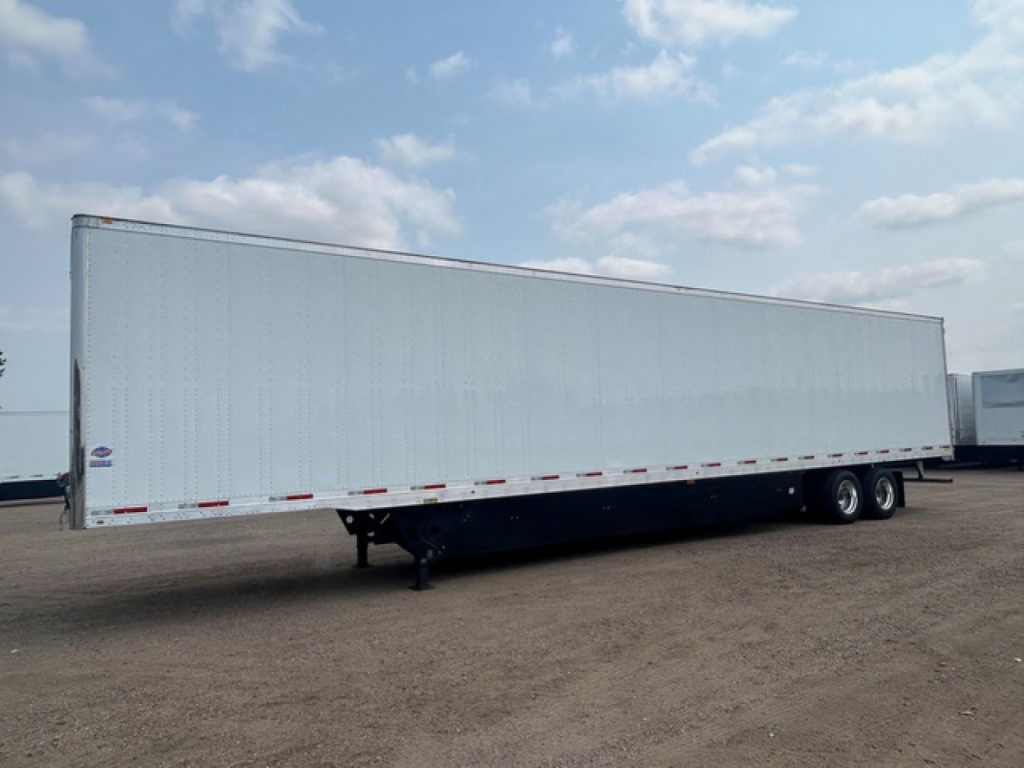
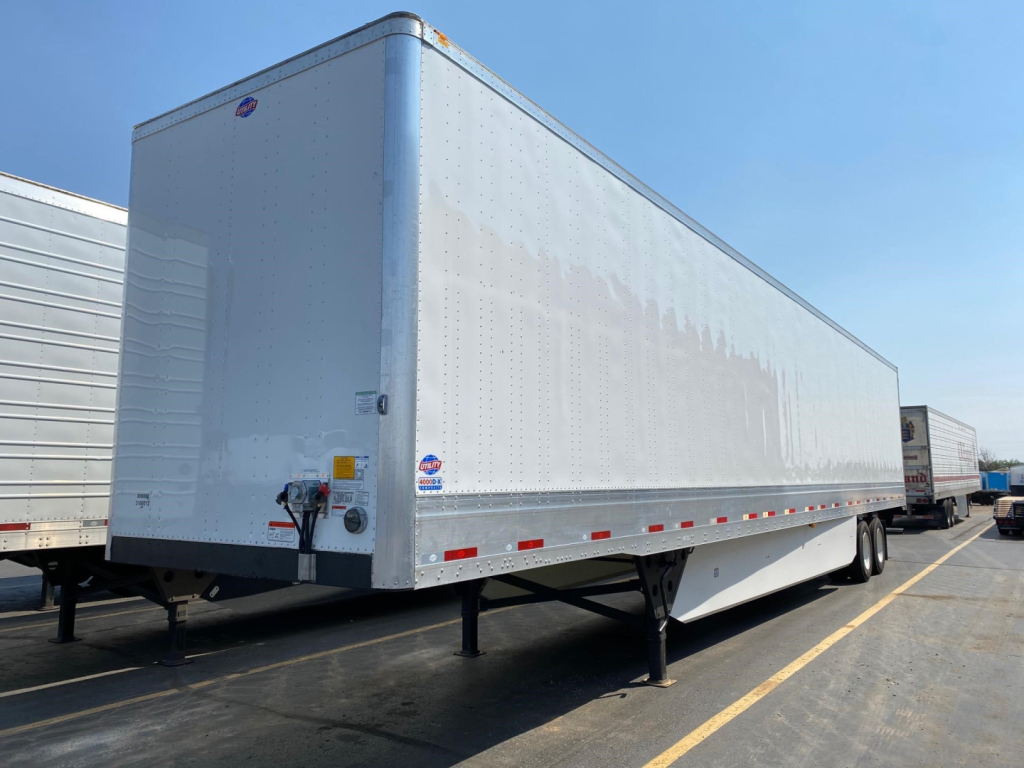
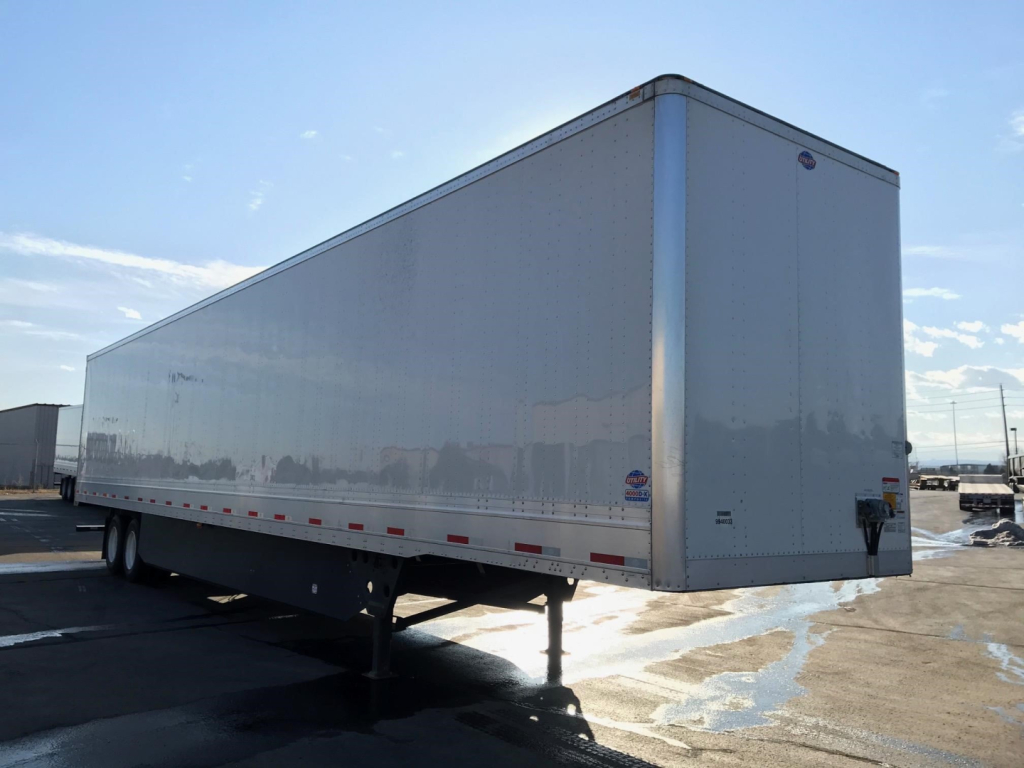
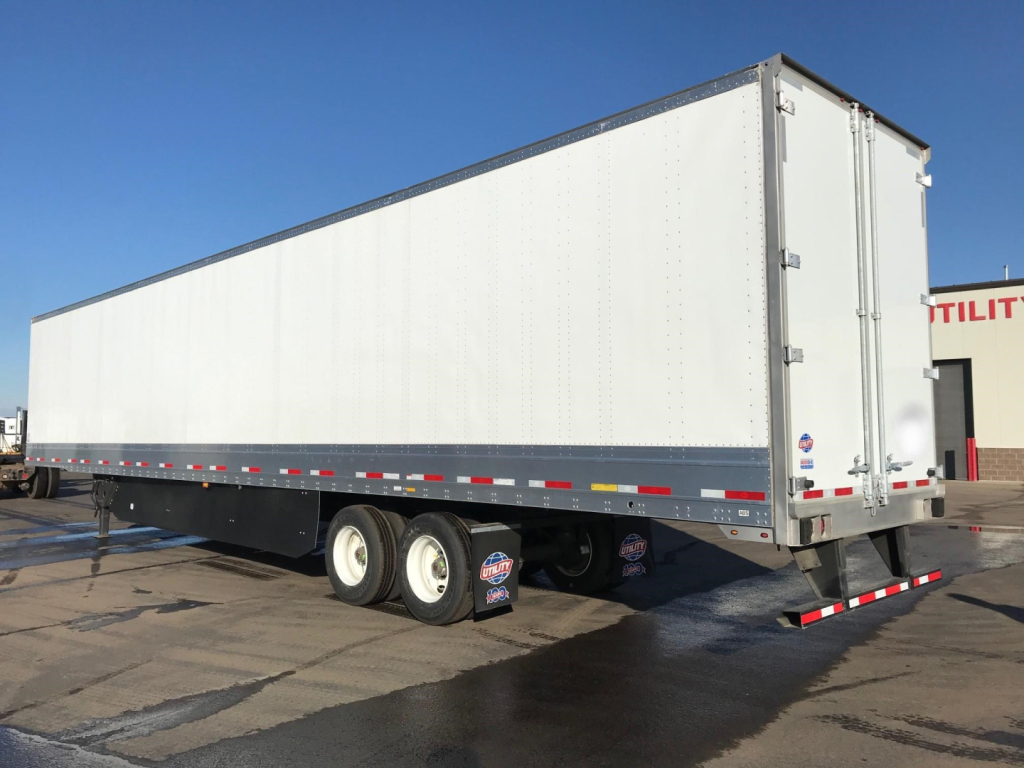
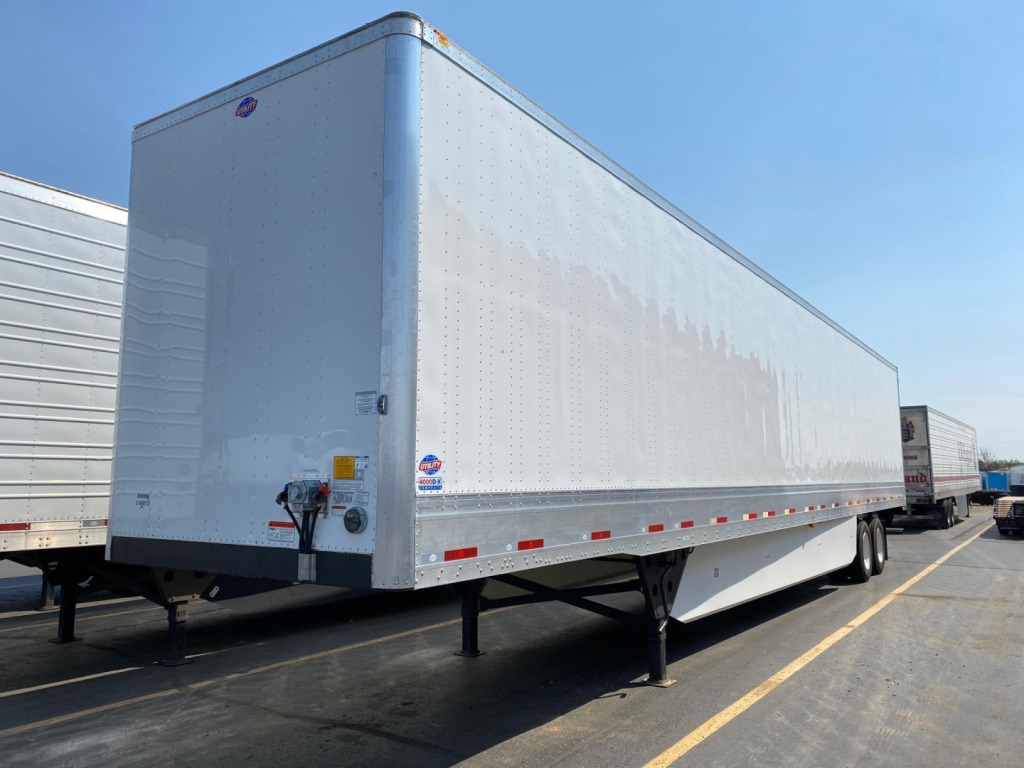
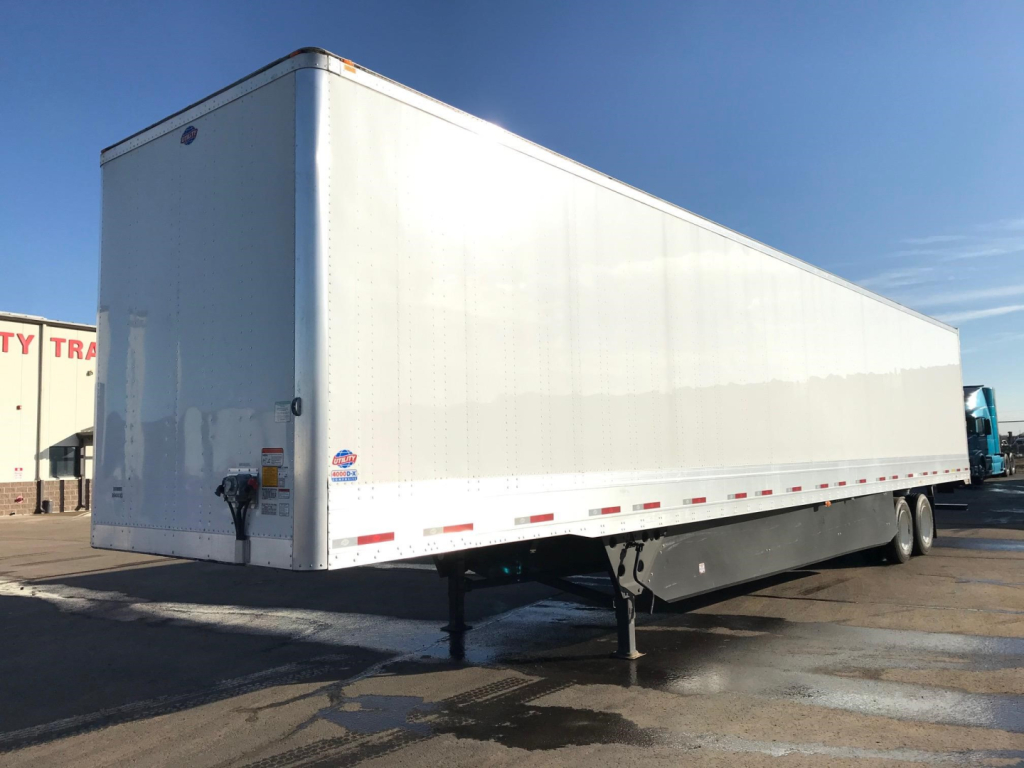

Showing 1 to 24 of 65 results
Have new 2027 utility van trailer to sell? List it here to reach thousands of buyers.
New 2027 Utility Van Trailers
A buyer should pay close attention to roof design, suspension, axle setting, and wheel-end spec because those choices affect both payload management and long-term maintenance. Sample specs in this group point to 22.5 tires, steel wheels, sliding tandem axle spacing, and air-ride suspension, which is a practical fleet setup for broad freight compatibility. Sliding tandems help with bridge law compliance and dock positioning, while air ride is preferred for freight that benefits from better ride quality and reduced cargo shock. Steel wheels remain common in fleet applications because they are durable, cost-effective, and straightforward to replace.
On a new Utility van trailer, body construction and interior details can matter just as much as the running gear. Buyers often compare roof type, sidewall construction, floor rating, rear frame reinforcement, logistics track options, and swing door versus roll-up door configuration. If the trailer will stay in high-cycle distribution work, look closely at scuff liners, threshold wear protection, and floor composition. If it will run longer highway miles, aerodynamic details, tire inflation systems, and weight-saving specs may have more value. Kingpin setting, landing gear placement, and dock-height consistency should also match the tractors and facilities in your operation.
Utility dry vans are also known simply as van trailers or dry van trailers, and they remain one of the most versatile trailer classes in commercial trucking. They are designed to keep freight enclosed, clean, and protected from weather, making them a standard choice for palletized consumer goods, paper products, packaged food, and mixed LTL or truckload freight that does not require temperature control. For buyers comparing listings, the real difference is usually in the spec package: suspension, floor strength, rear door configuration, axle spread, roof and wall construction, and any fleet-focused options that reduce downtime over the life of the trailer.
Frequently Asked Questions about New 2027 Utility Van Trailers
What is the typical application for a Utility van trailer?
A Utility van trailer is primarily used for dry freight that needs full weather protection but does not require refrigeration. Common applications include retail freight, paper goods, packaged food, consumer products, and general palletized commodities. It is one of the most flexible trailer types in trucking because it can serve longhaul truckload, regional freight, and dedicated distribution routes with minimal loading restrictions compared with more specialized trailer classes.
Why do many buyers prefer sliding tandem axles on a dry van trailer?
Sliding tandem axles give the operator more flexibility in weight distribution, bridge law compliance, and loading dock positioning. That matters when freight weights vary by lane or by customer. A sliding tandem can help move weight off the drives or trailer axles when needed, and it can also improve maneuverability at certain facilities depending on how the trailer is loaded and parked.
Is air-ride suspension worth it on a new van trailer?
For many operations, air-ride suspension is worth the added cost because it improves ride quality and reduces cargo shock compared with mechanical suspension. That can help protect fragile or high-value freight and may reduce claims on sensitive loads. Air ride is also widely accepted in fleet service because it supports a more consistent ride across regional and over-the-road applications, though maintenance practices and total operating cost should still be considered when comparing specs.
What should I look for in the floor and interior of a dry van trailer?
Floor rating and interior protection are critical because they directly affect trailer life in forklift service. Buyers should check the floor type, thickness, and rating for the weight and frequency of their loading pattern. Scuff liners, wall protection, threshold reinforcement, and logistics posts or track can make a major difference in high-cycle operations. A trailer used for heavy concentrated forklift traffic needs a more robust floor and interior package than one used for lighter general freight.
Are steel wheels still a good choice on new Utility van trailers?
Steel wheels are still a common and practical choice, especially in fleet service where durability, replacement cost, and parts standardization matter. They are generally less expensive to replace than aluminum wheels and hold up well in demanding environments. Buyers focused on tare weight and appearance may prefer aluminum, but steel remains a proven option for operations that prioritize simplicity and operating cost control.