
Used Van Trailers For Sale in Iowa
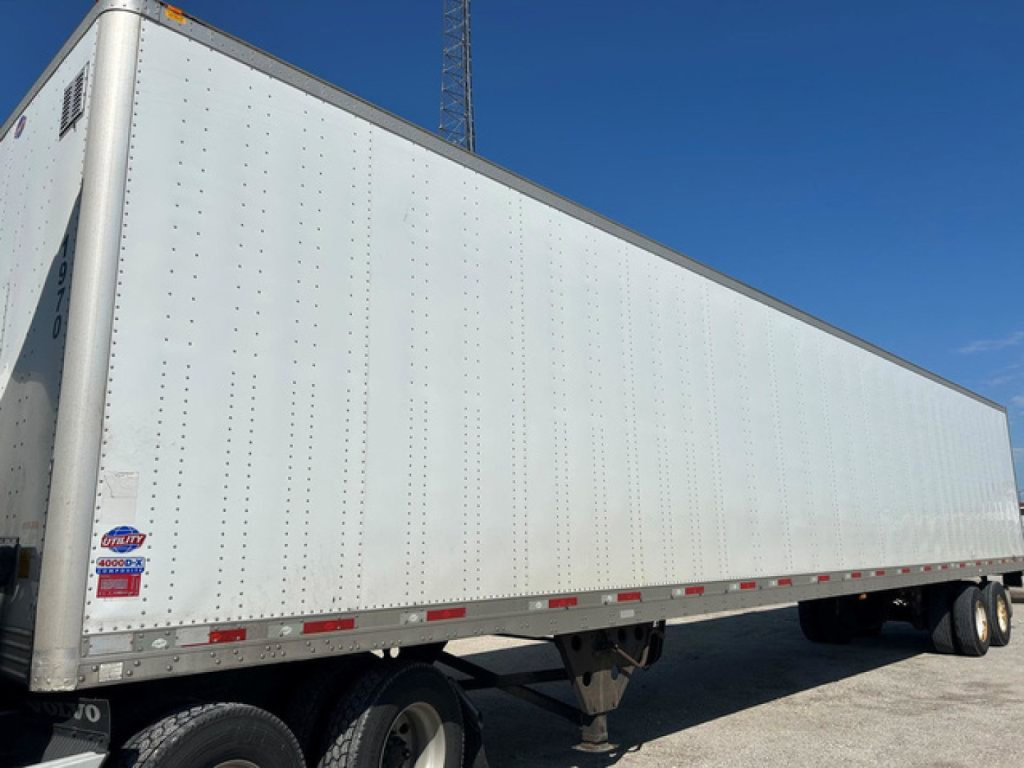
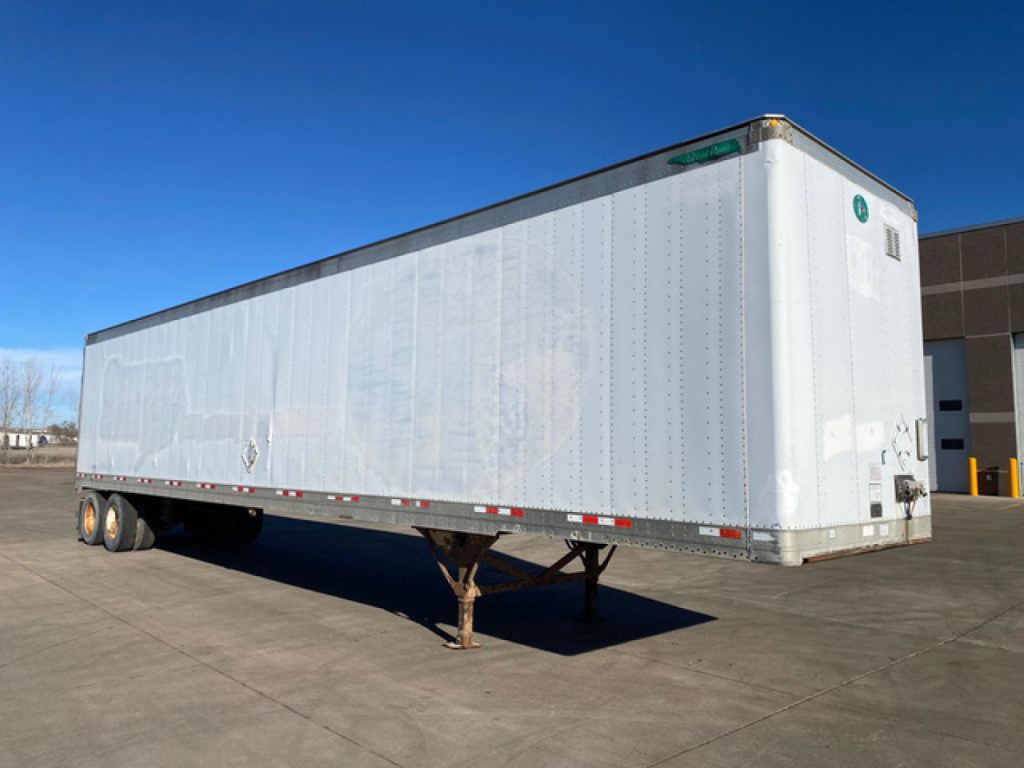
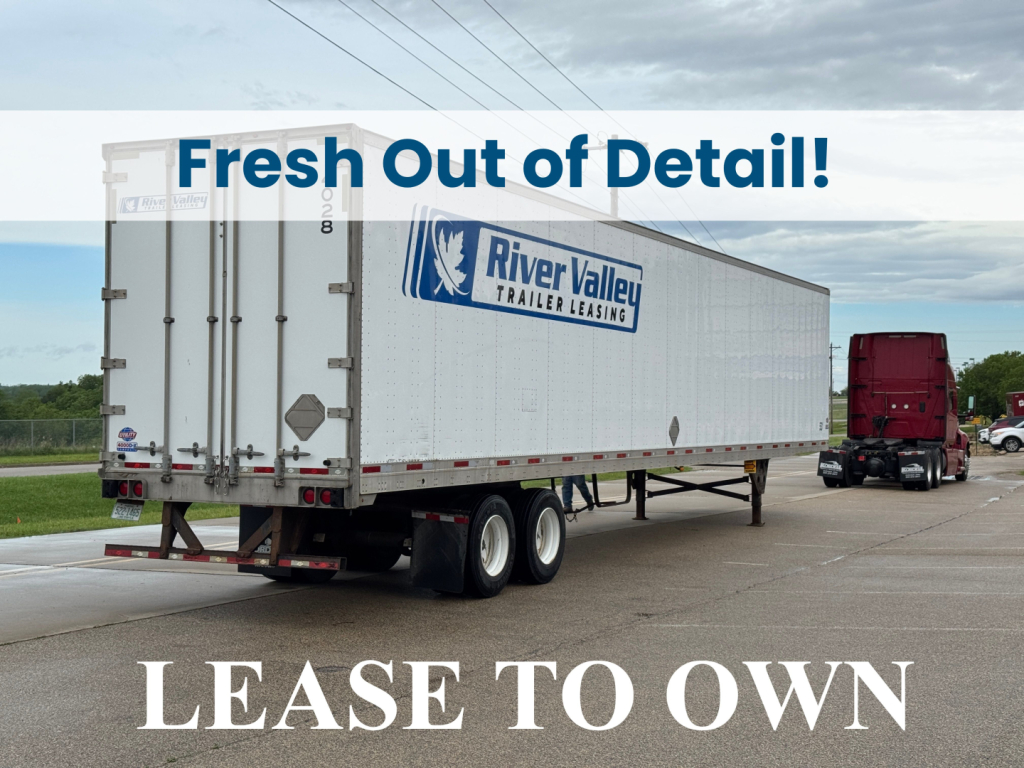
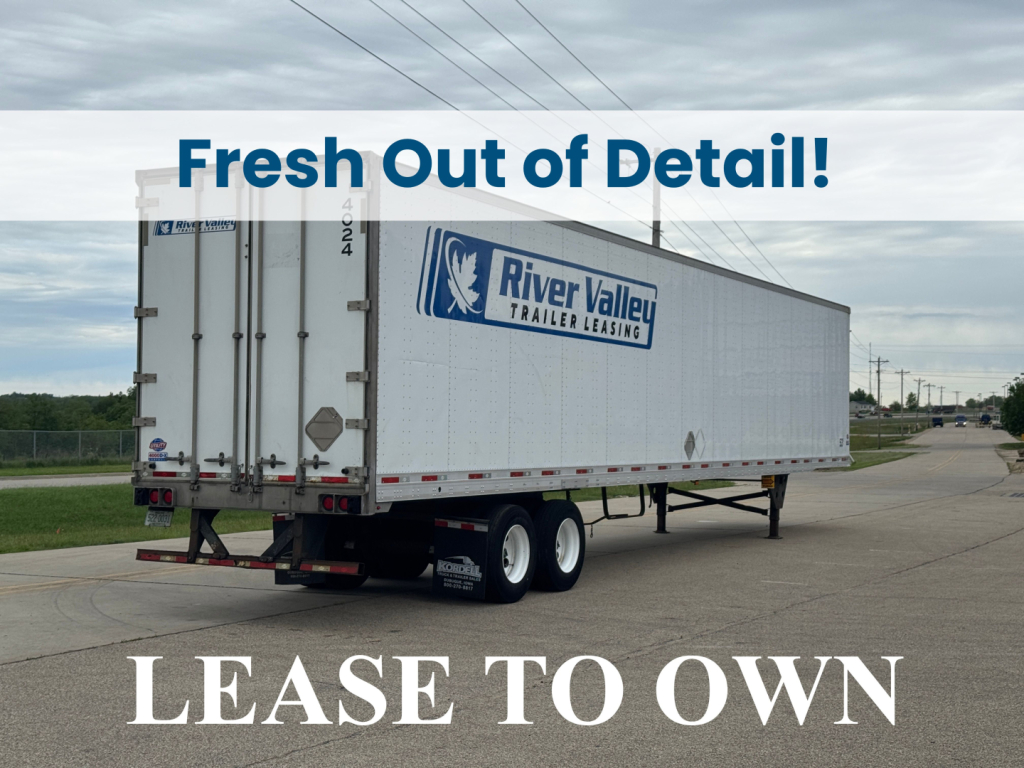
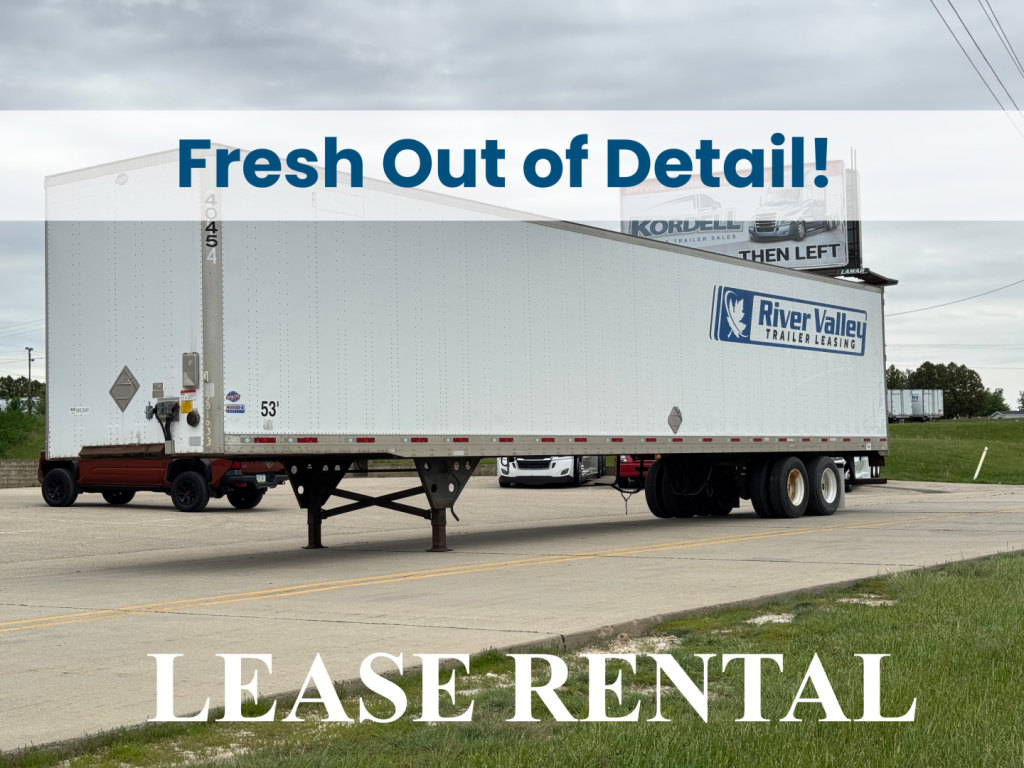
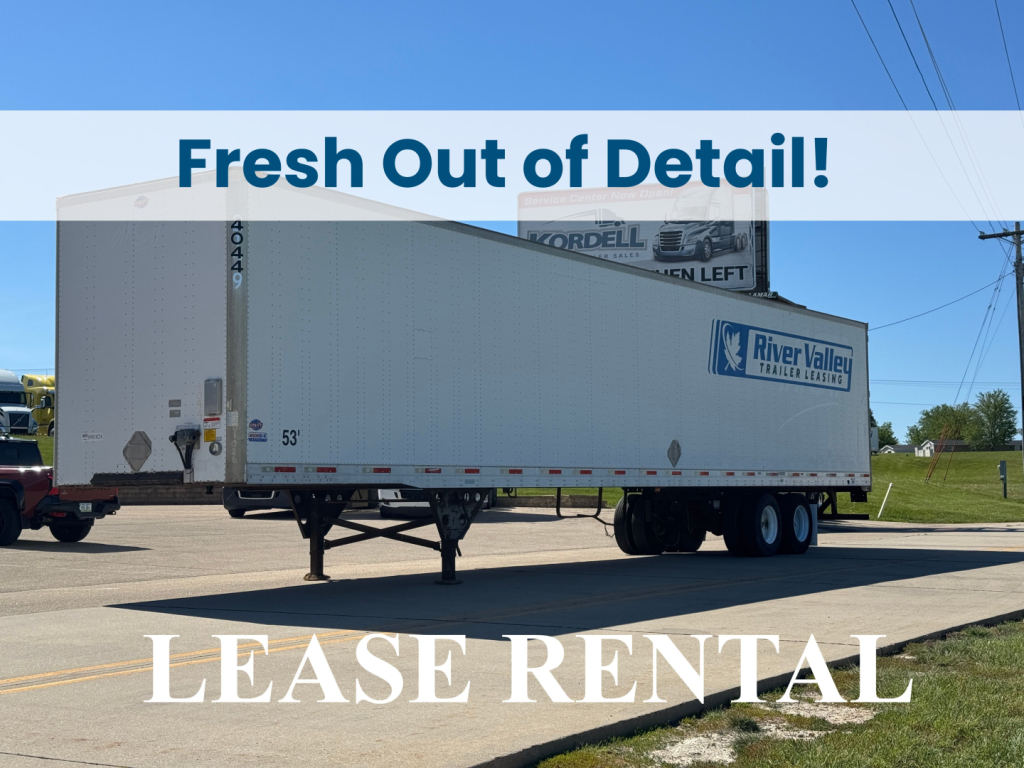
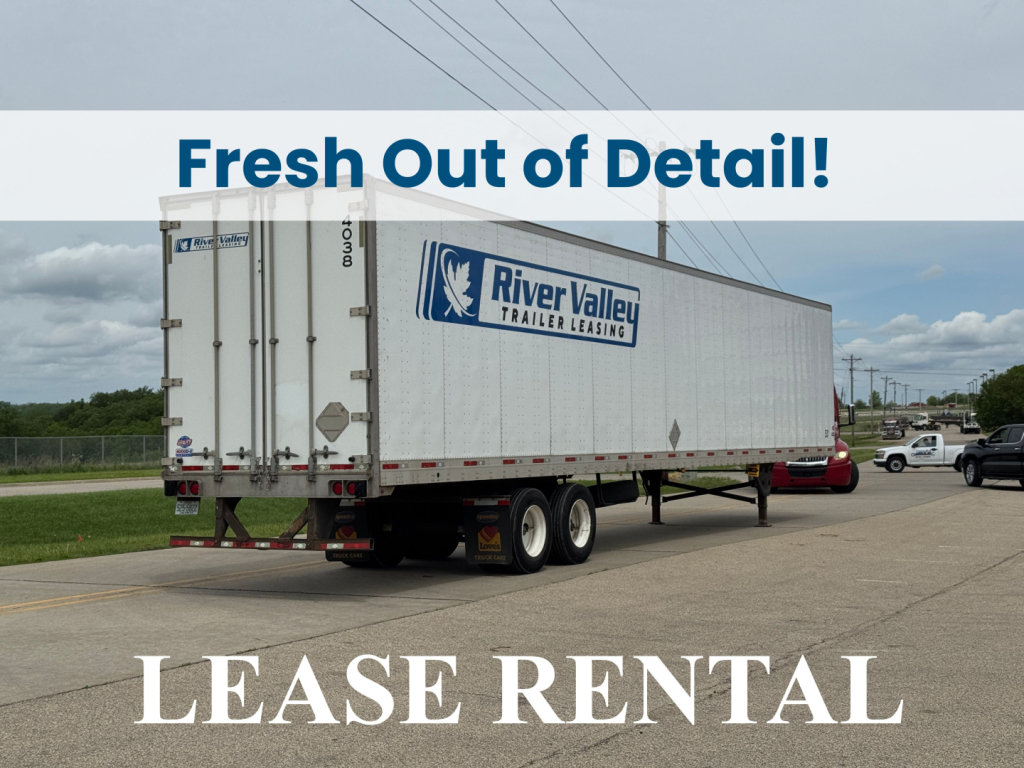
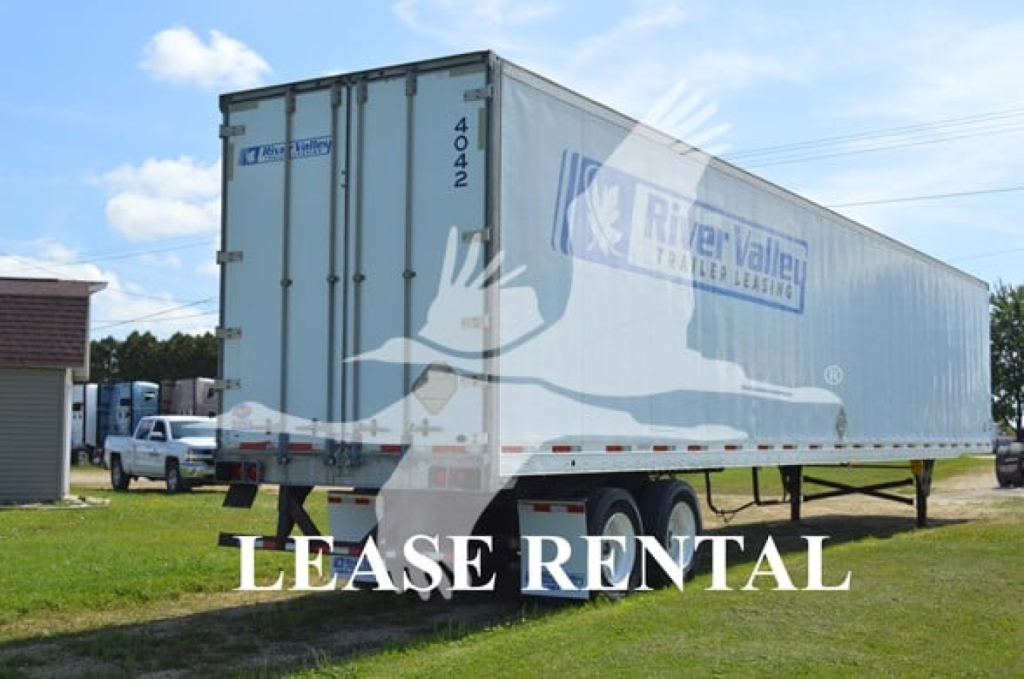
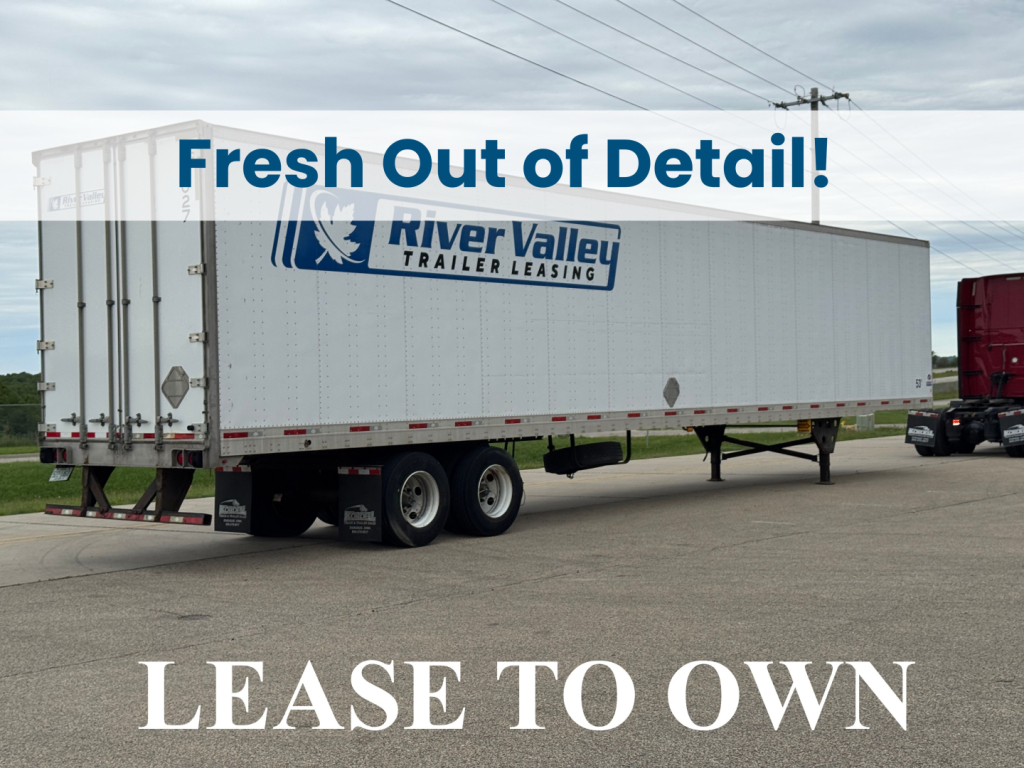
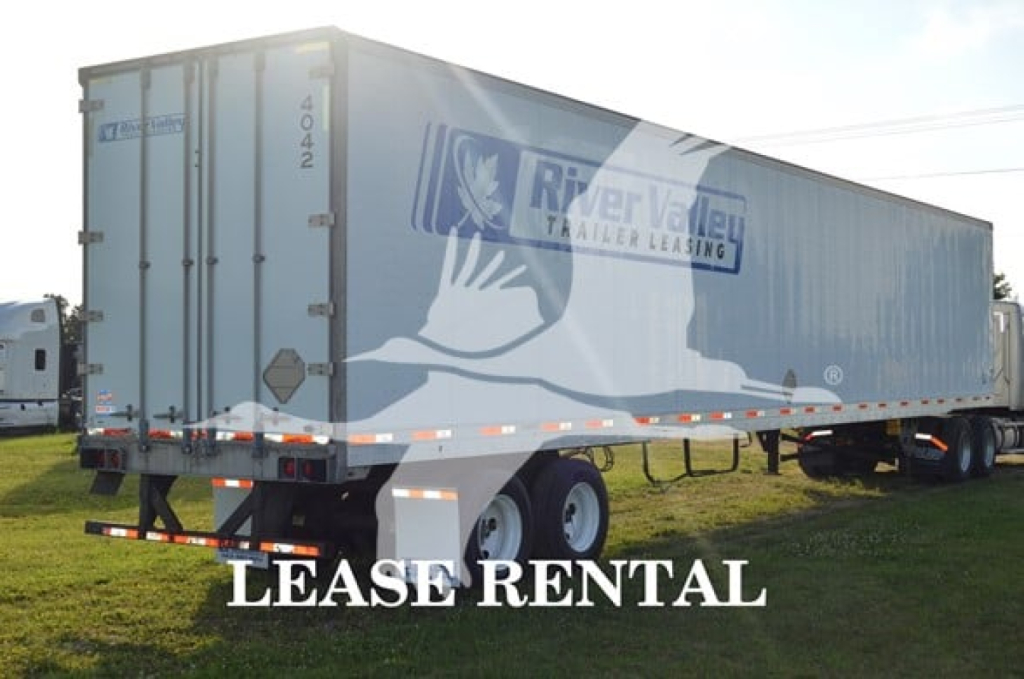
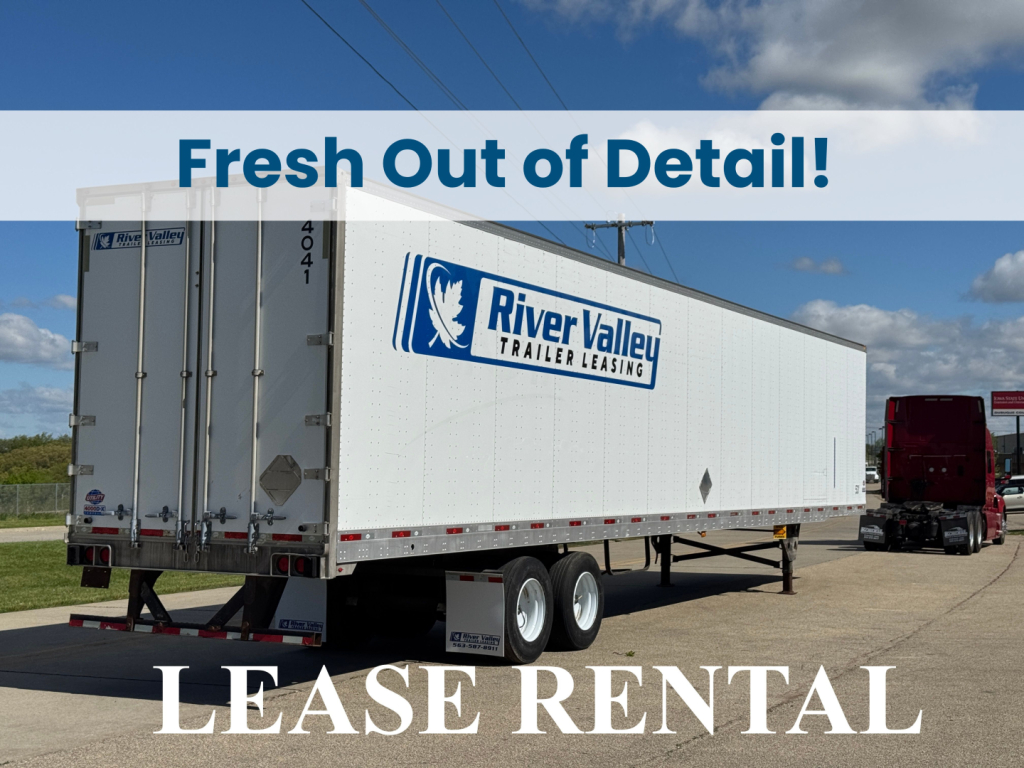
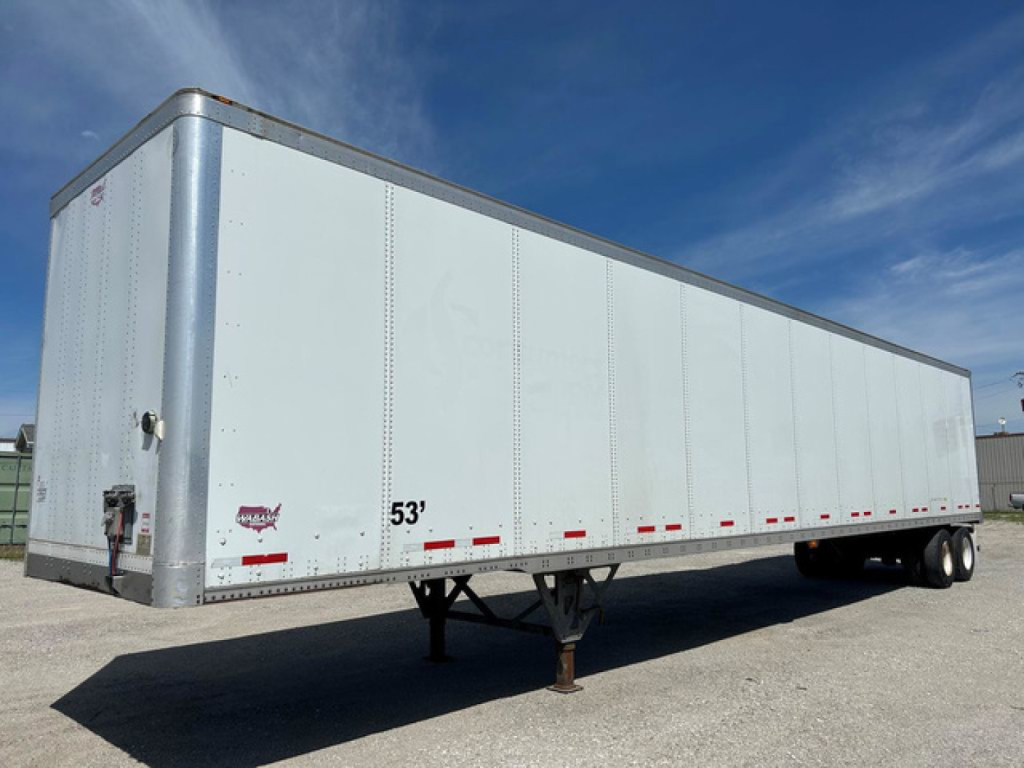
Browse used van trailers in Iowa, including 53-foot dry vans with air ride, roll-up or swing doors, and specs suited for freight duty.
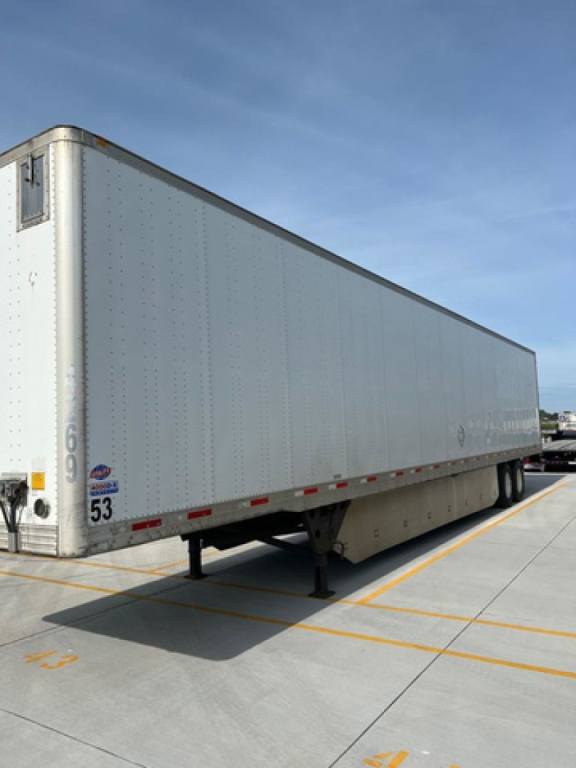
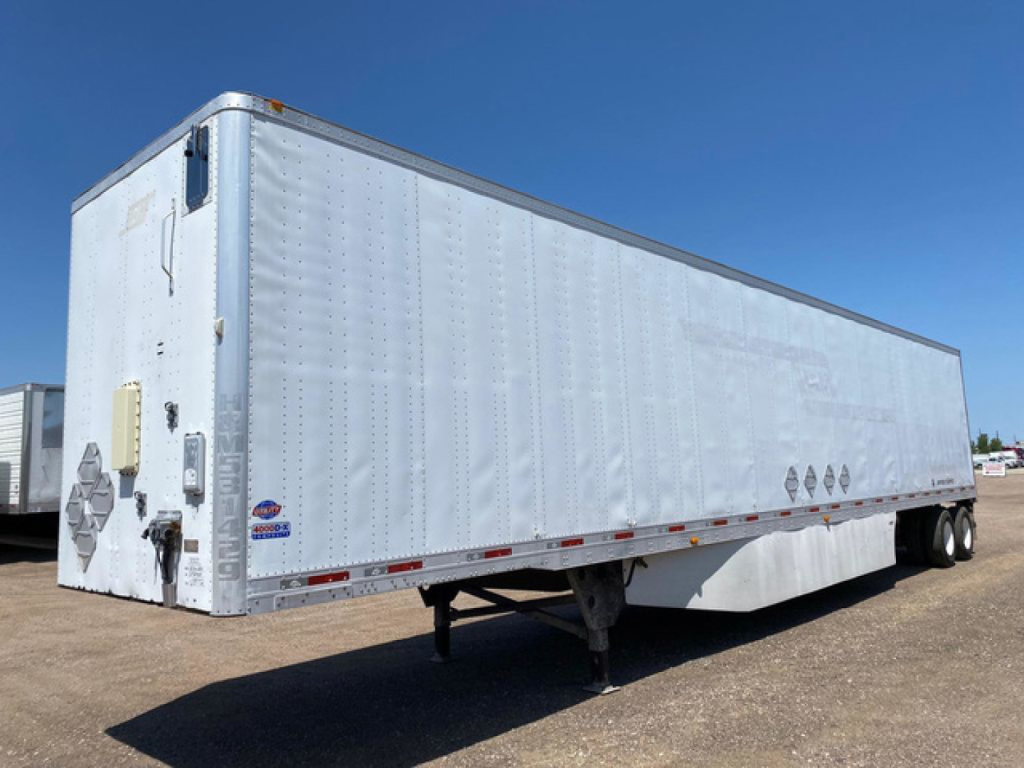
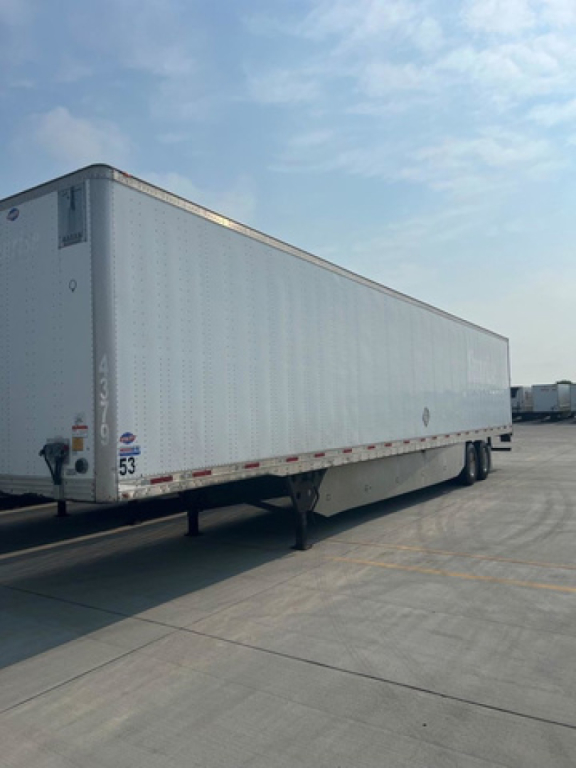
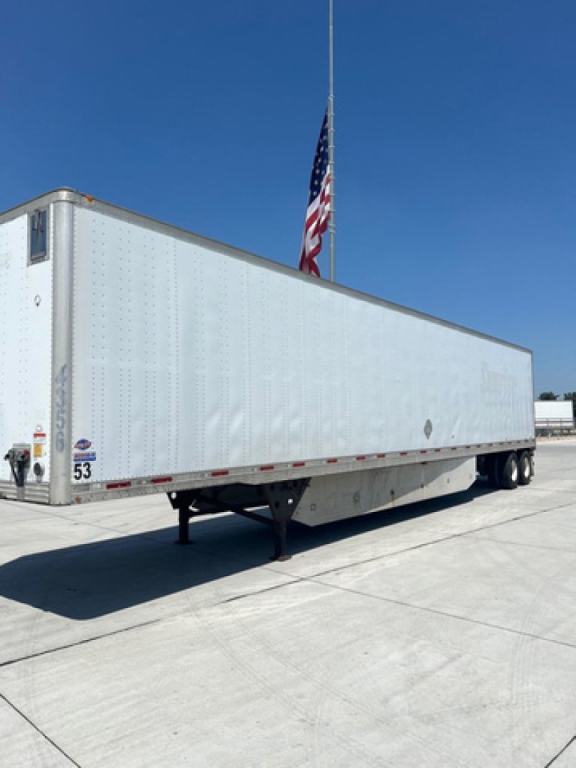
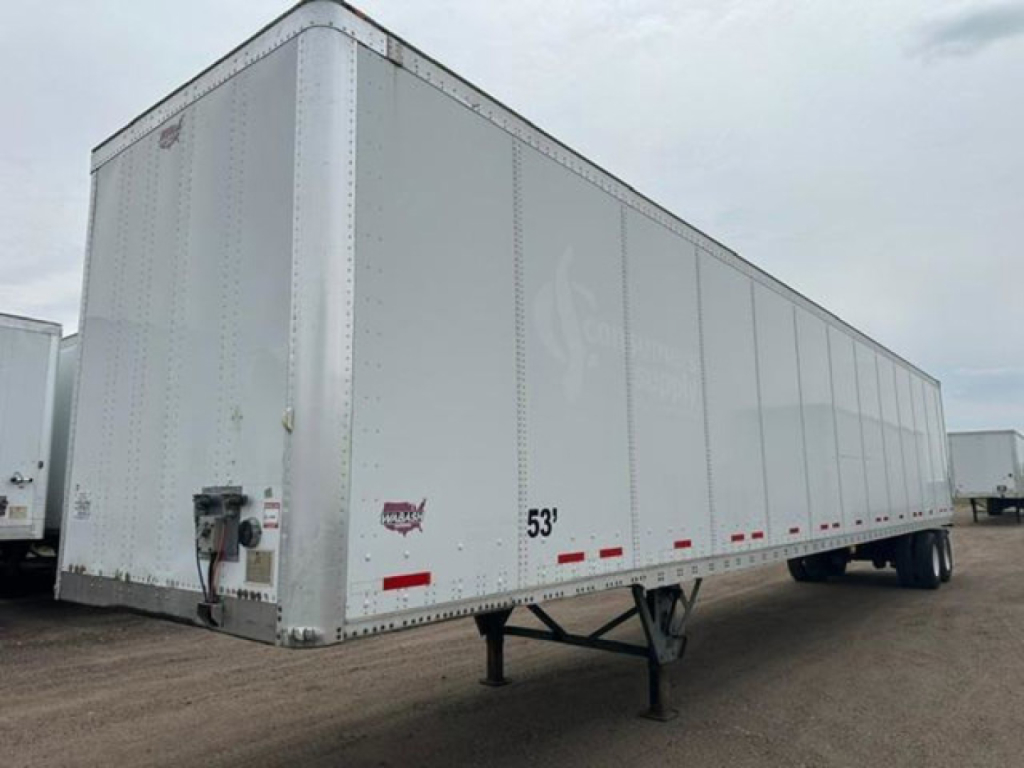

Have used van trailer to sell? List it here to reach thousands of buyers.
Used Van Trailers in Iowa
Air ride suspension is common in late-model used vans and remains a priority for carriers handling sensitive or high-cube freight. Door choice matters more than many buyers expect. Roll-up doors help in tight docks and multi-stop delivery work, but they reduce rear opening height and add moving parts. Swing doors give full rear access and are often preferred for dock loading and maximizing cube. Interior spec is just as important. Plastic or composite linings can help resist punctures and moisture better than bare plywood in some operations, while scuff liners, high base rails, and durable wood floors matter if forklifts are loading heavy or concentrated pallet weights every day.
Roof and body details deserve a close look on a used van trailer. Aluminum roofs are common, while translucent roofs can improve interior visibility during daytime loading. Buyers should inspect for prior roof repairs, floor soft spots, crossmember condition, sidewall damage, and signs of chronic dock impact around the rear frame. Tire condition, brake life, wheel-end history, and tire inflation systems such as PSI can also change the real cost of ownership quickly. On plated trailers used across multiple jurisdictions, maintenance records and current DOT readiness are worth reviewing alongside age and mileage because a cheaper trailer can become expensive if it needs immediate rubber, brakes, or structural work.
Kingpin setting, tandem slide function, and overall empty weight should match the freight and routes you run. A standard tandem dry van offers broad compatibility for shippers and docks, but axle spread rules, bridge laws, and customer requirements can still affect the best spec for Iowa-based fleets. Utility and Wabash are common names in this segment, and both are widely supported in the used market. For most buyers, the right used van trailer is the one with a sound floor, straight frame, healthy suspension, usable tire and brake life, and a door and lining package that fits the freight mix better than the lowest advertised price.
Frequently Asked Questions about Used Van Trailers in Iowa
What is the most common size for a used van trailer?
The most common used van trailer on the market is a 53-foot by 102-inch dry van. That size is the standard for general freight because it balances cubic capacity, dock compatibility, and broad shipper acceptance. Shorter lengths still exist, but most fleets shopping for highway freight service focus on 53-foot tandem axle trailers.
Is a roll-up door or swing door better on a dry van trailer?
It depends on the work. Roll-up doors are useful for frequent stops and tight loading areas because they do not swing outward, but they can reduce rear opening height and add maintenance points. Swing doors provide full rear opening access and are often preferred for warehouse docks, full-pallet freight, and operations that want maximum cube and simpler rear door hardware.
What should I inspect first on a used van trailer?
Start with the floor, roof, rear frame, suspension, brakes, and tires. A weak floor, damaged crossmembers, roof leaks, or a bent rear frame can create immediate repair costs and service problems. After that, check tandem slide operation, wheel ends, lining condition, and DOT items such as lights, ABS function, mudflaps, and visible brake wear.
Why does air ride suspension matter on a used van trailer?
Air ride helps protect cargo by reducing road shock compared with harsher suspension types, and many shippers prefer it for fragile or high-value freight. It can also support better trailer resale and broader freight acceptance. On a used trailer, buyers should still inspect air bags, valves, shocks, and ride height components because air ride quality depends on system condition.
Are tire inflation systems worth having on a used van trailer?
A tire inflation system such as PSI can help maintain proper pressure, reduce irregular tire wear, and lower the risk of roadside failures. That can be valuable on high-mileage regional and over-the-road routes. On a used trailer, the system should be inspected for leaks, damaged lines, and proper operation so it delivers real savings instead of becoming another maintenance item.