
Used Wabash Van Trailers For Sale in Iowa
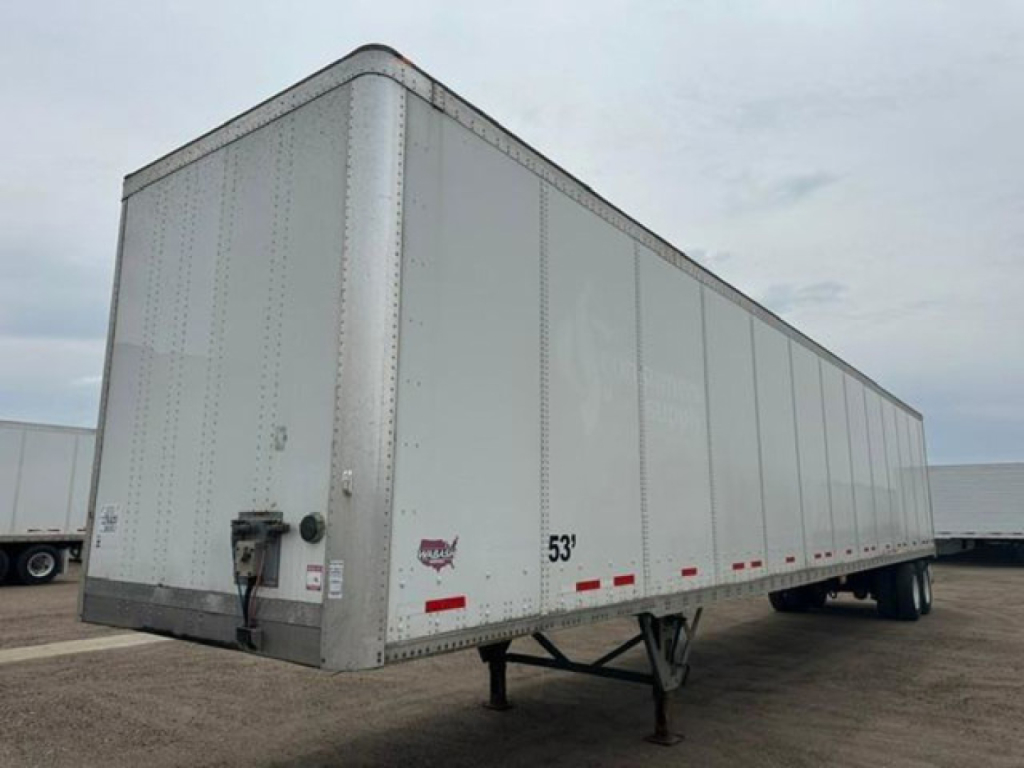
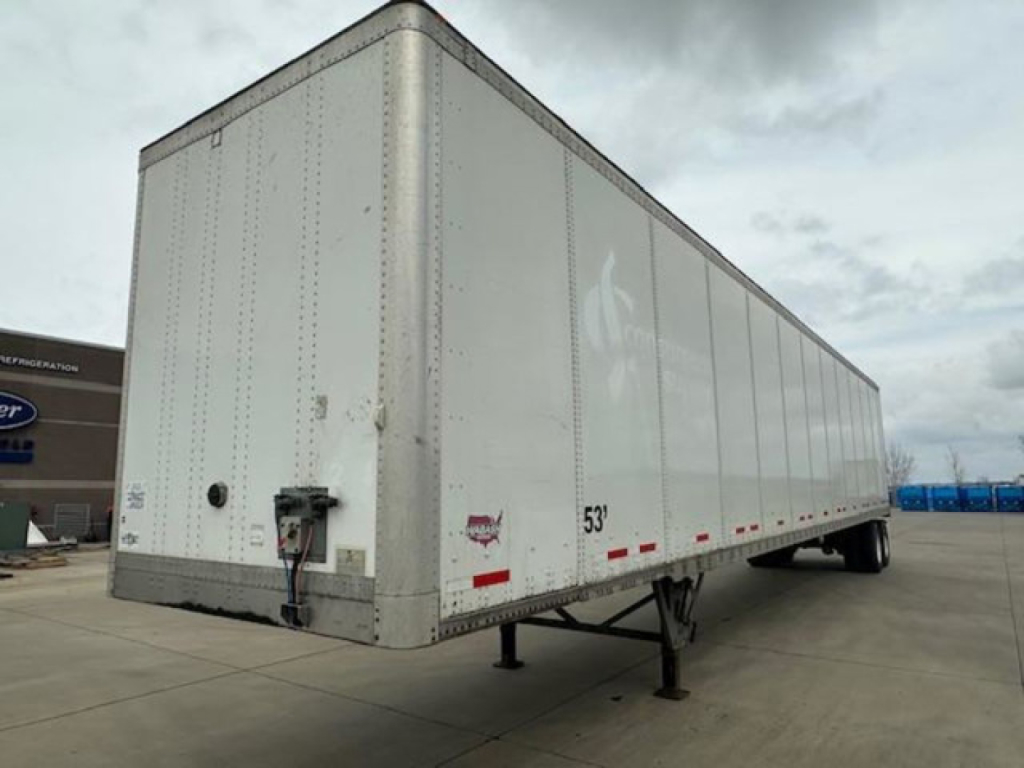
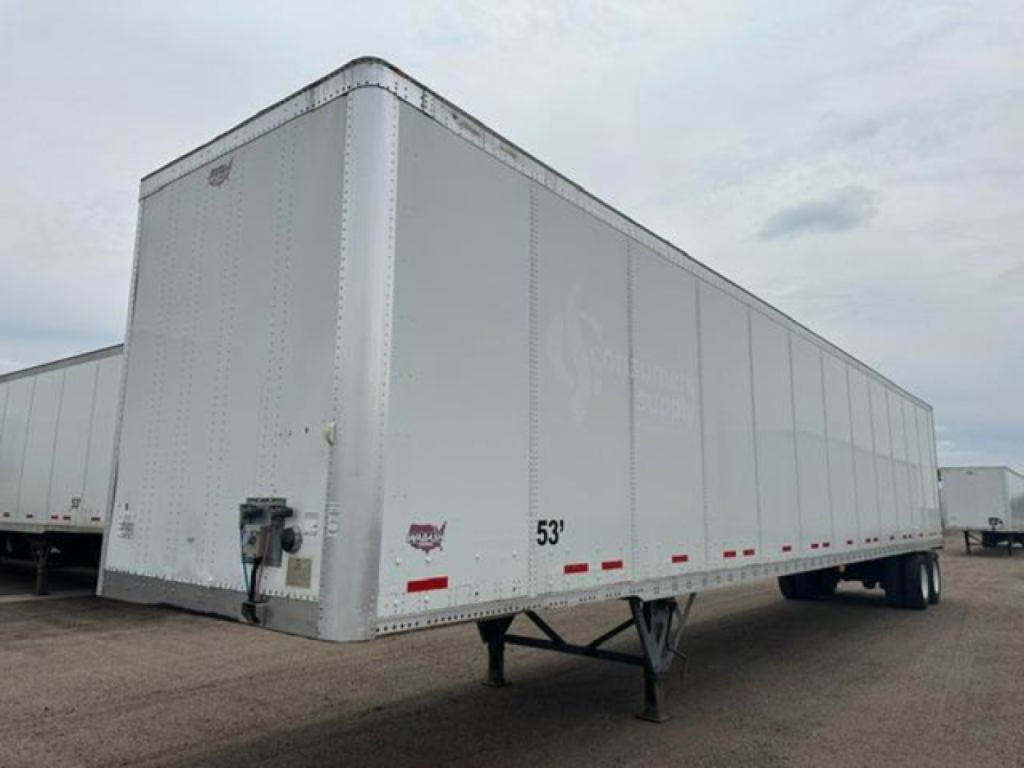
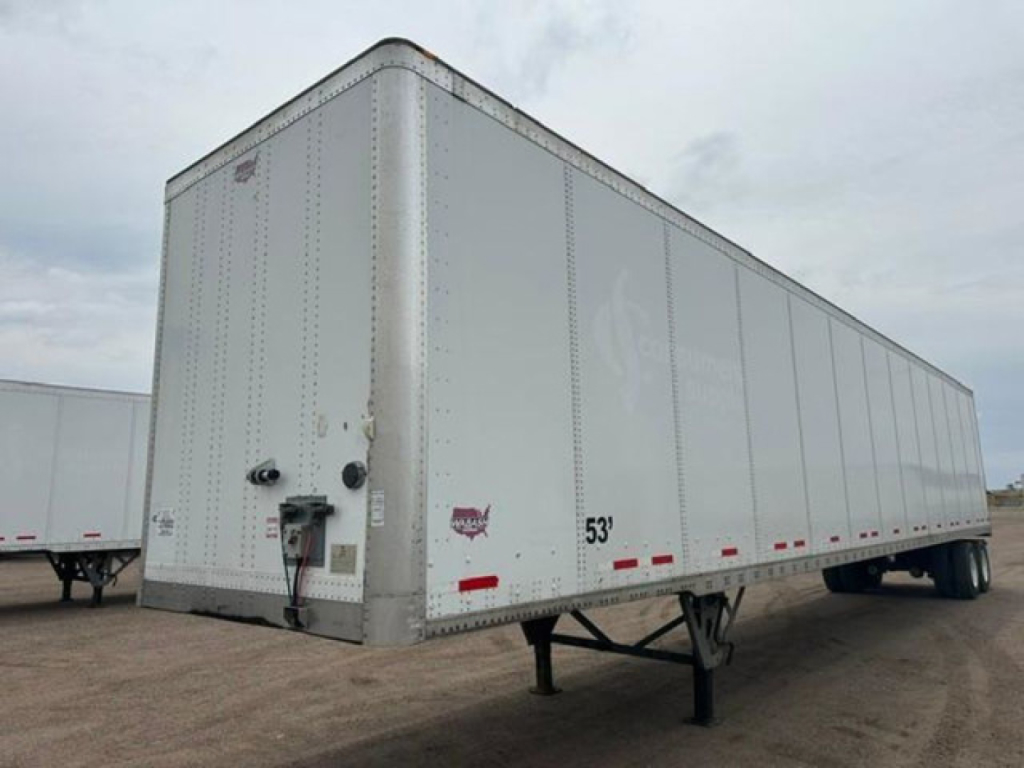
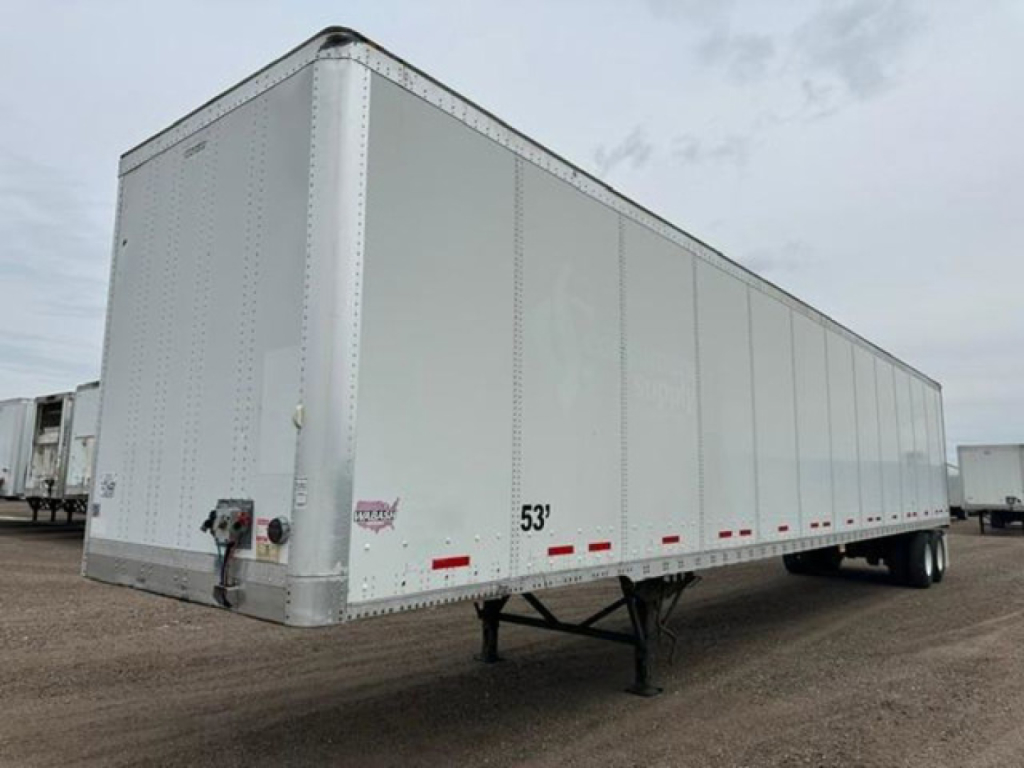
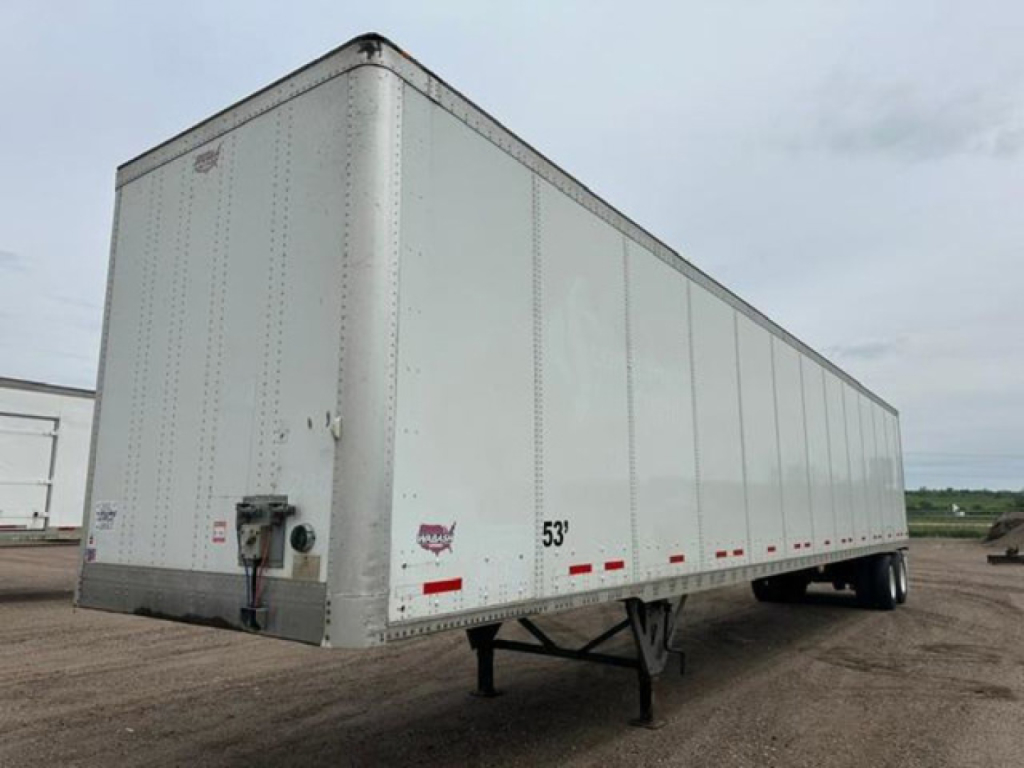
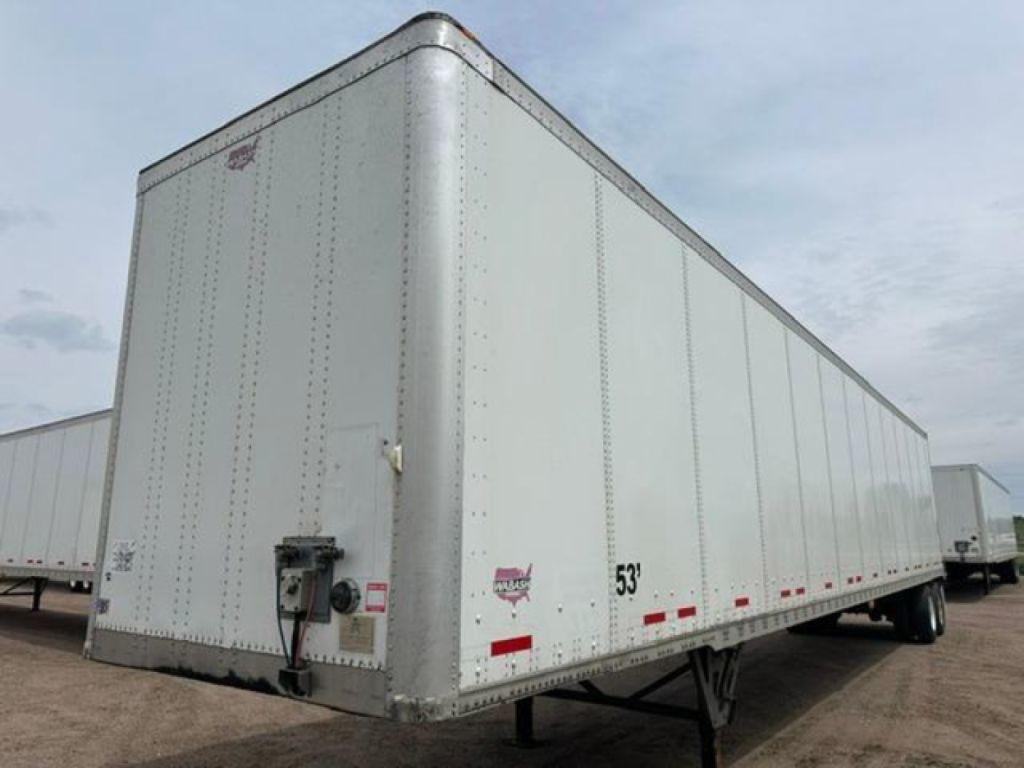
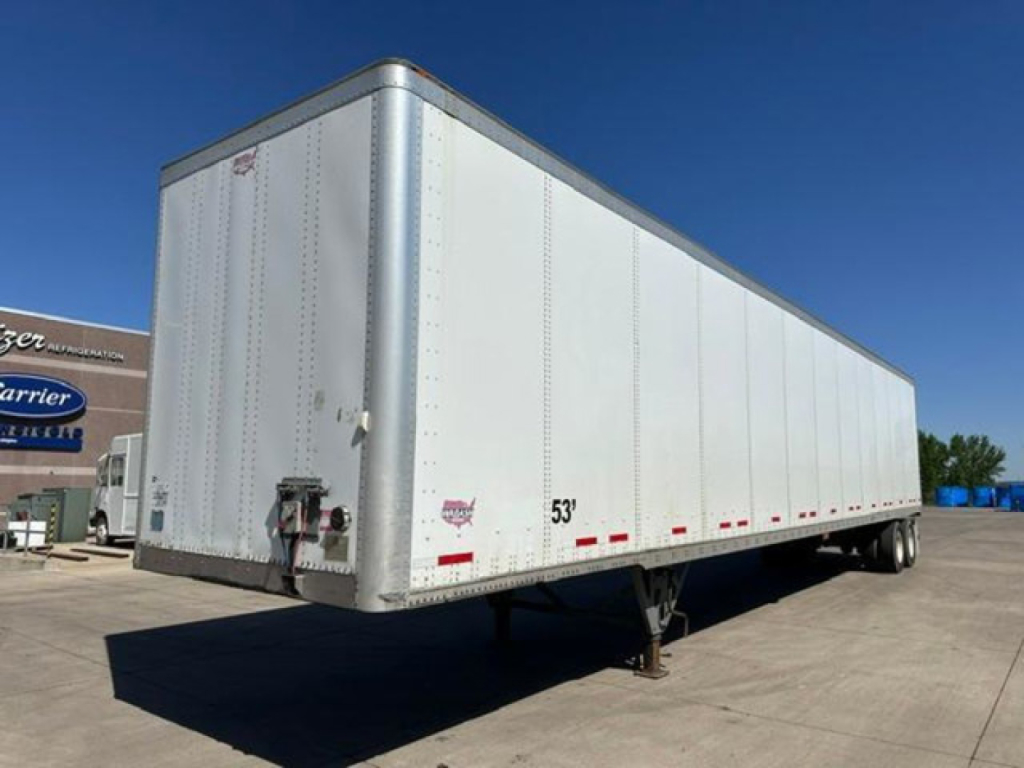
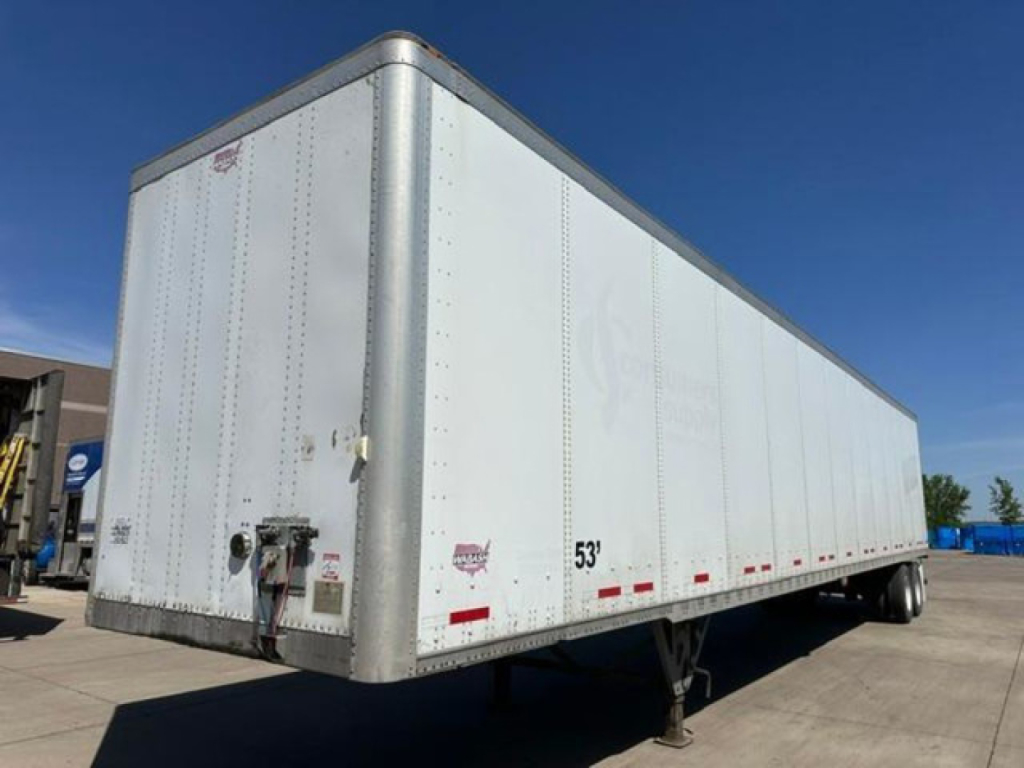
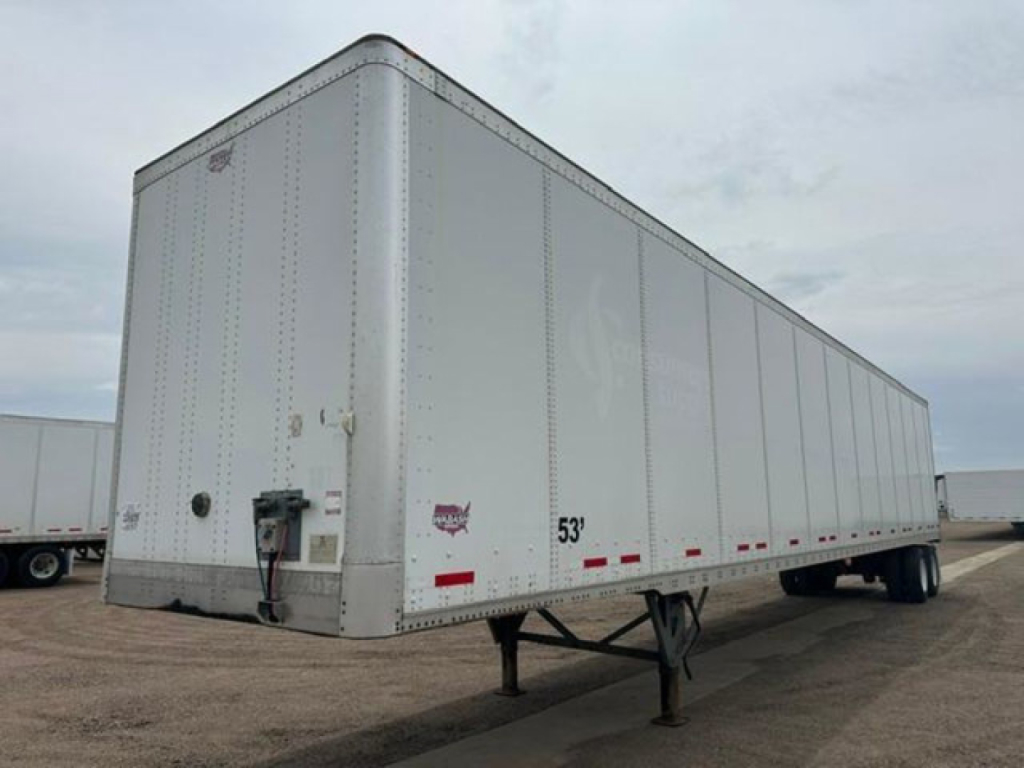
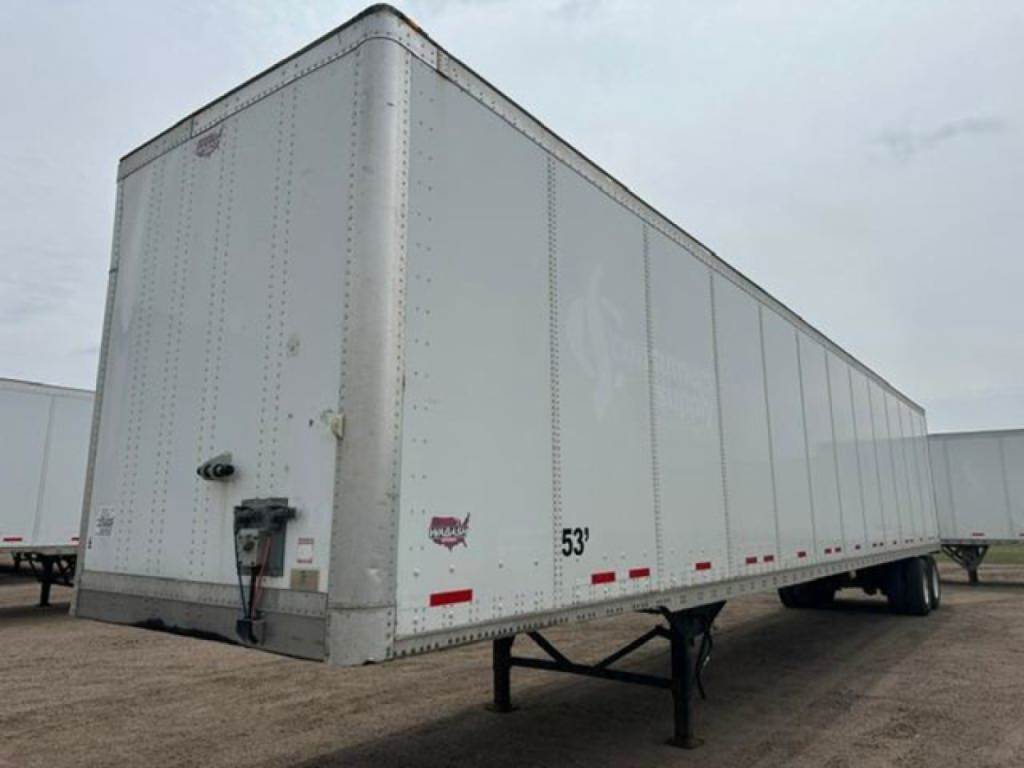
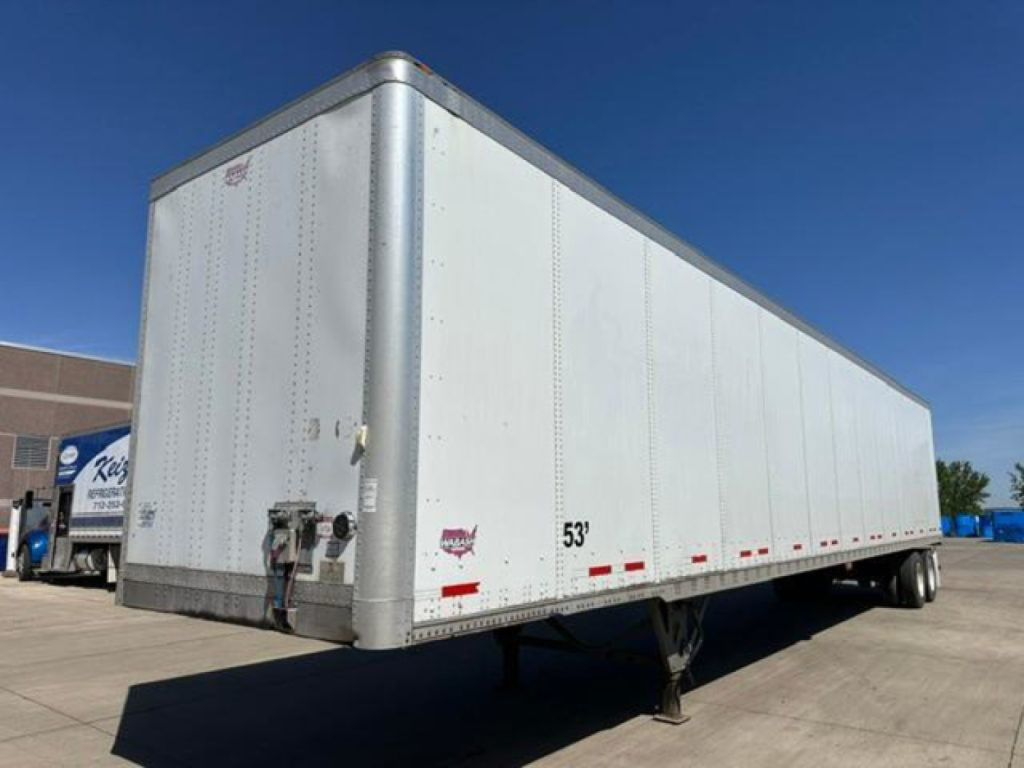
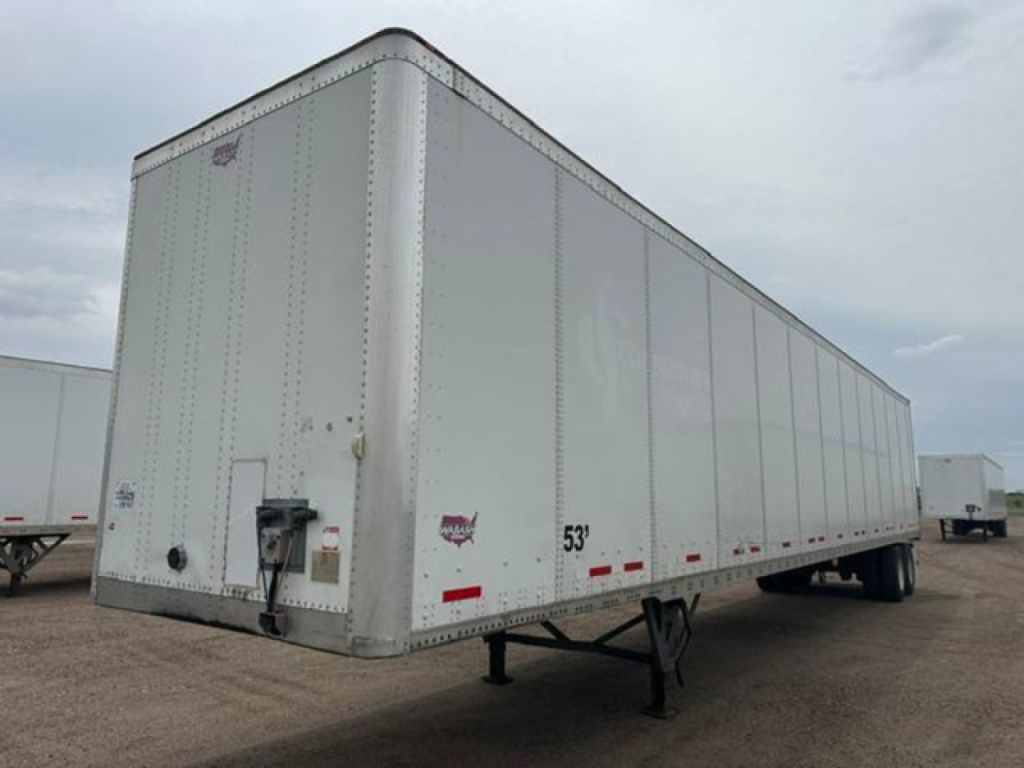
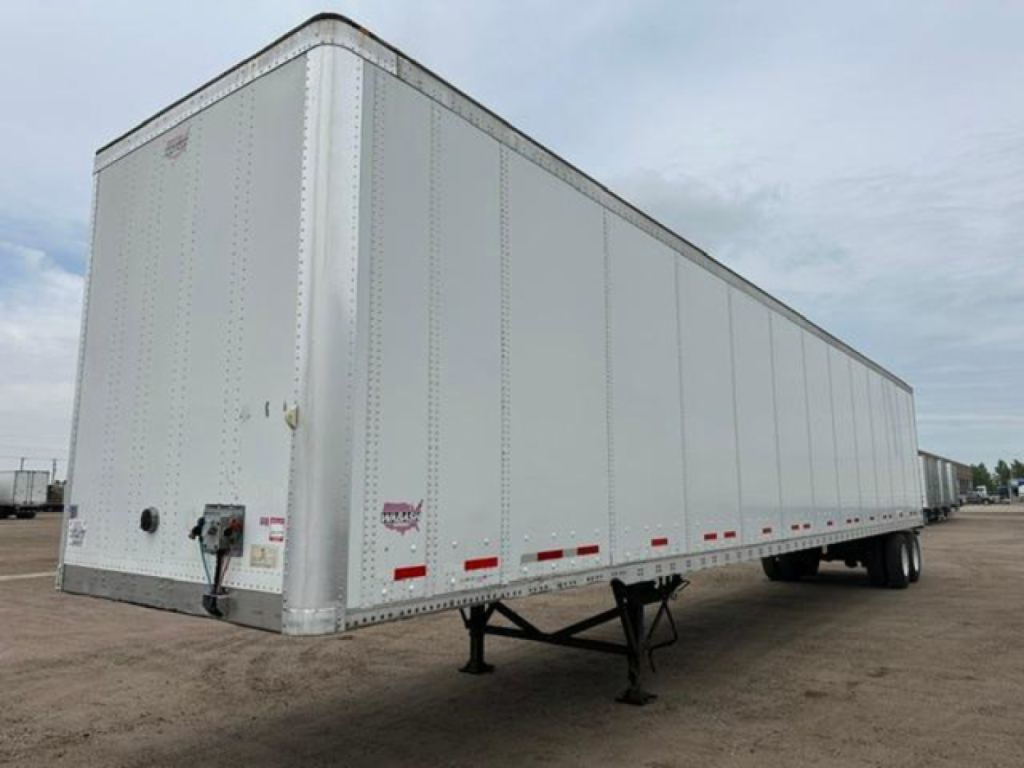
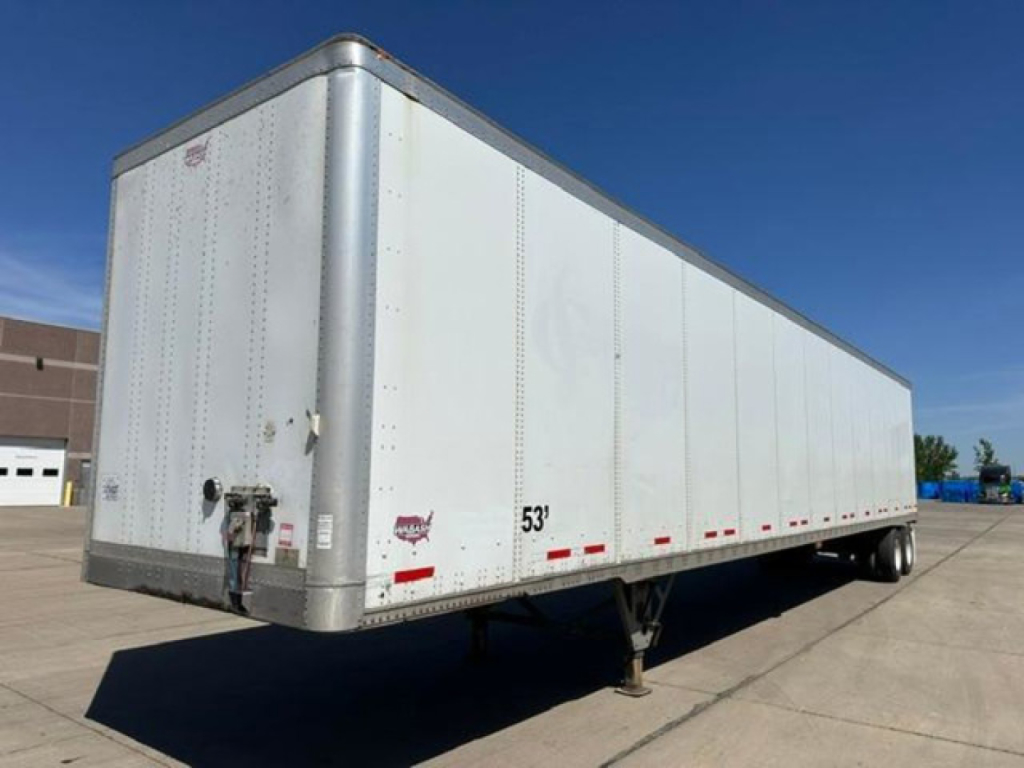
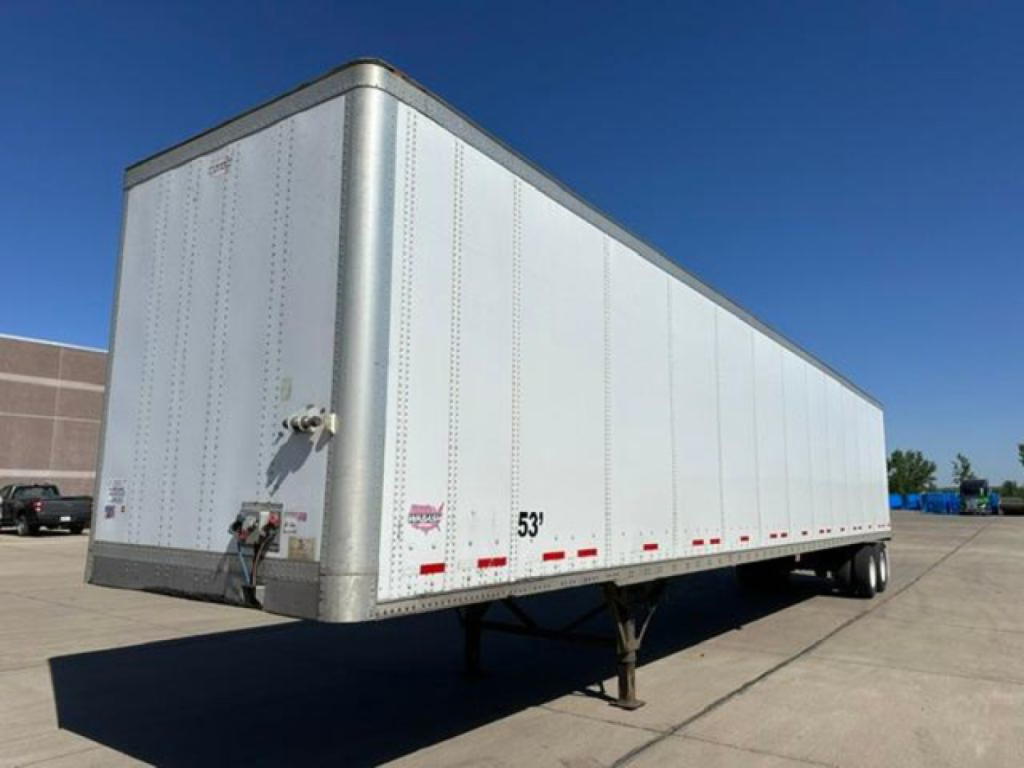
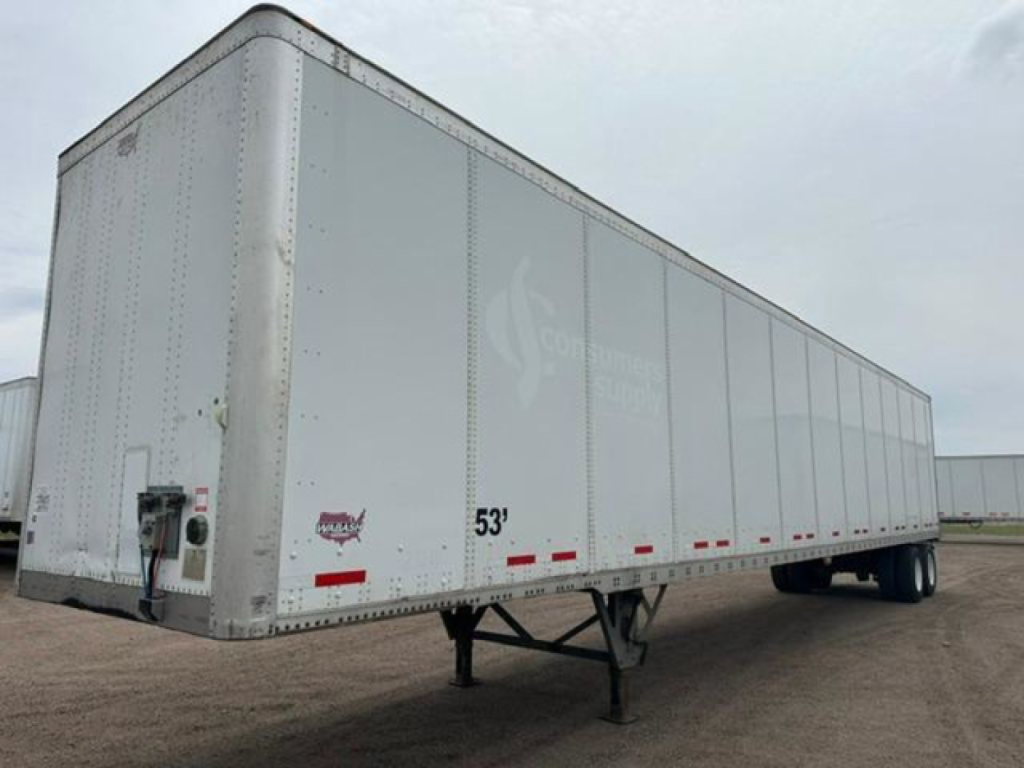
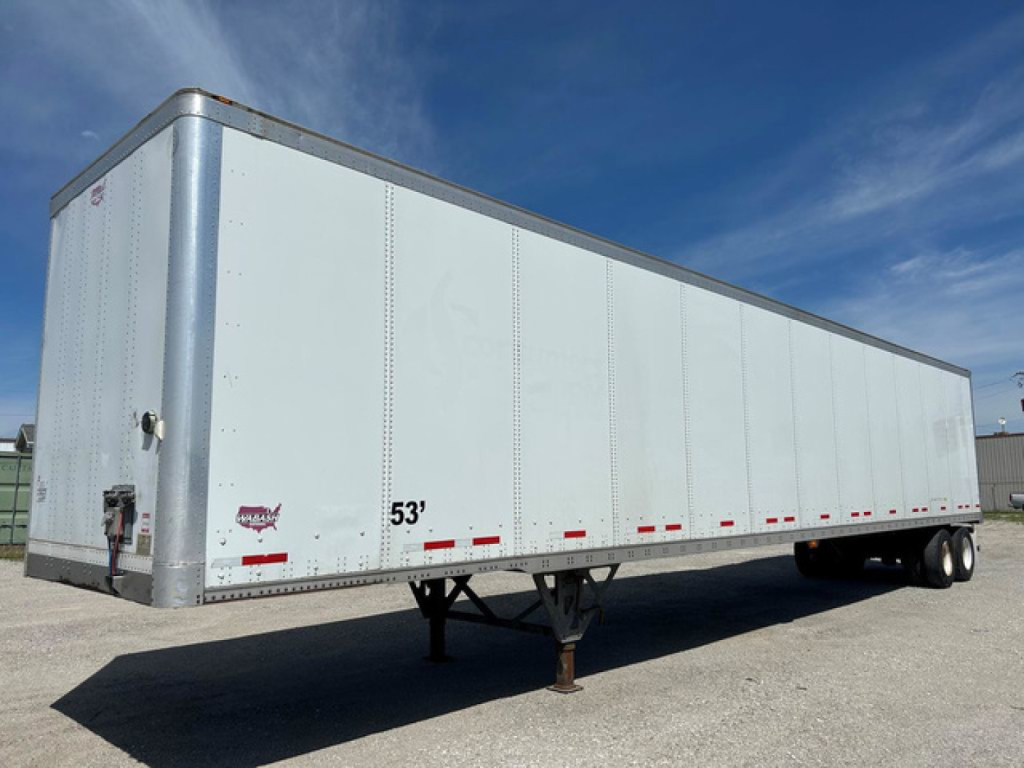
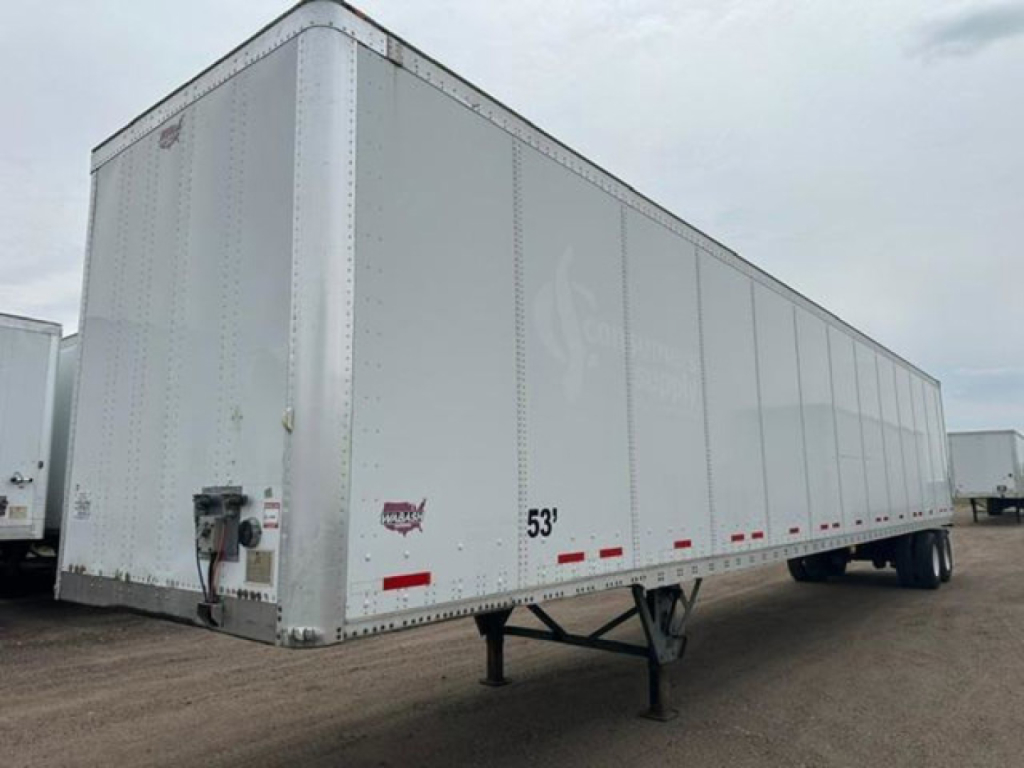
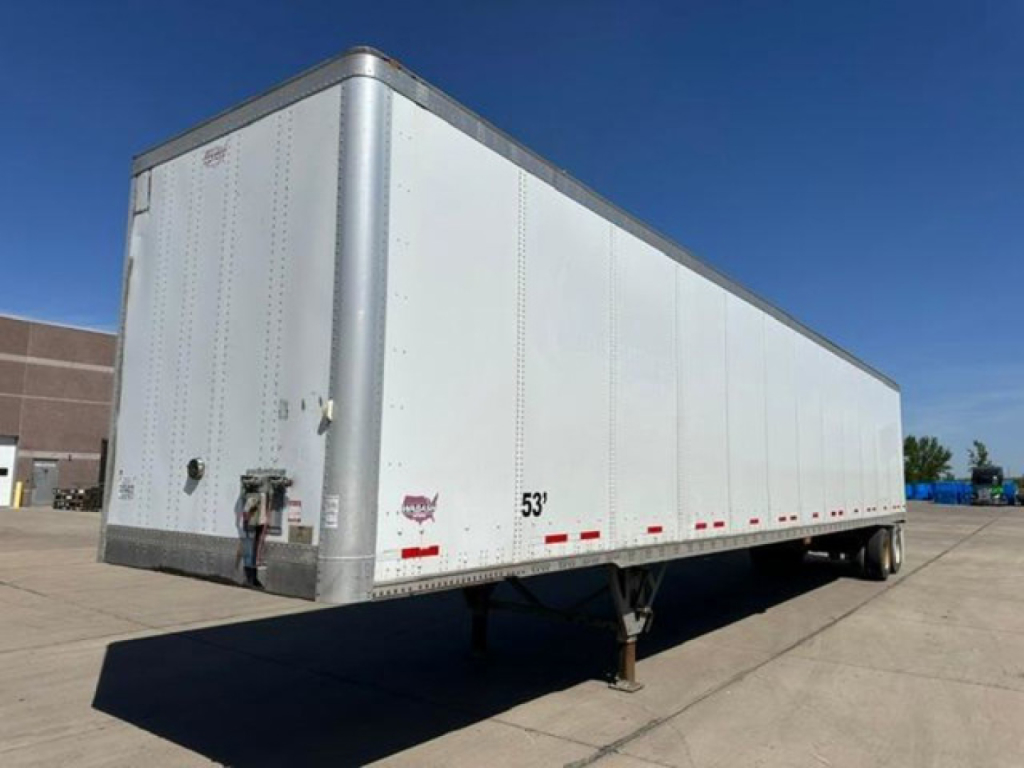
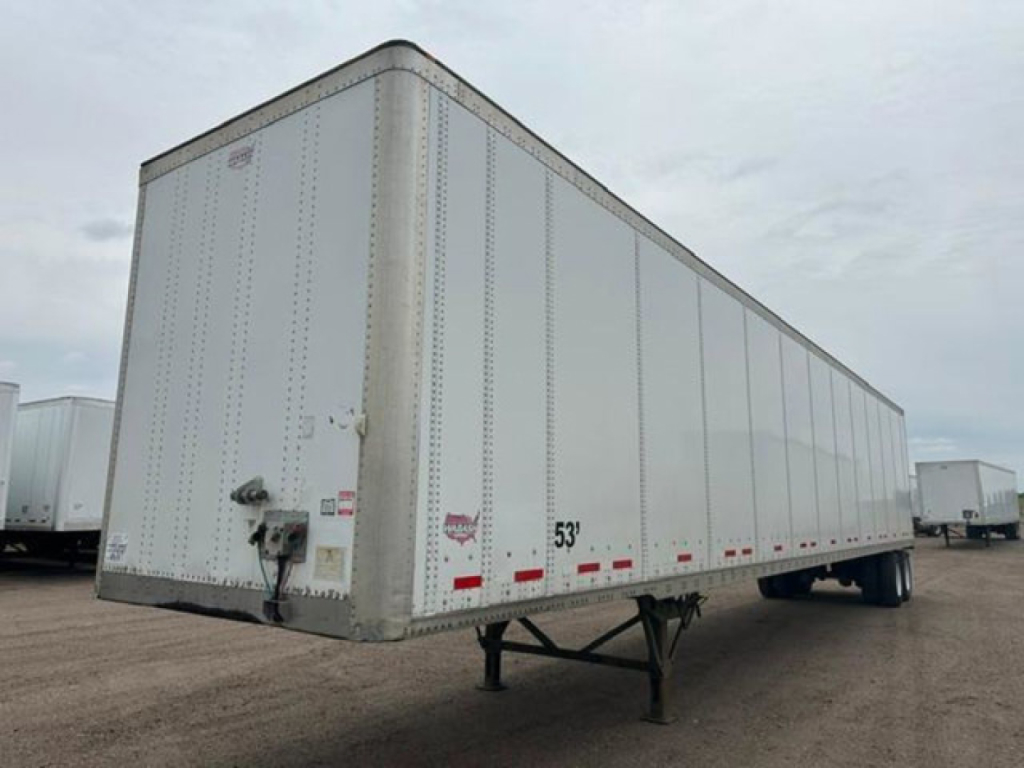
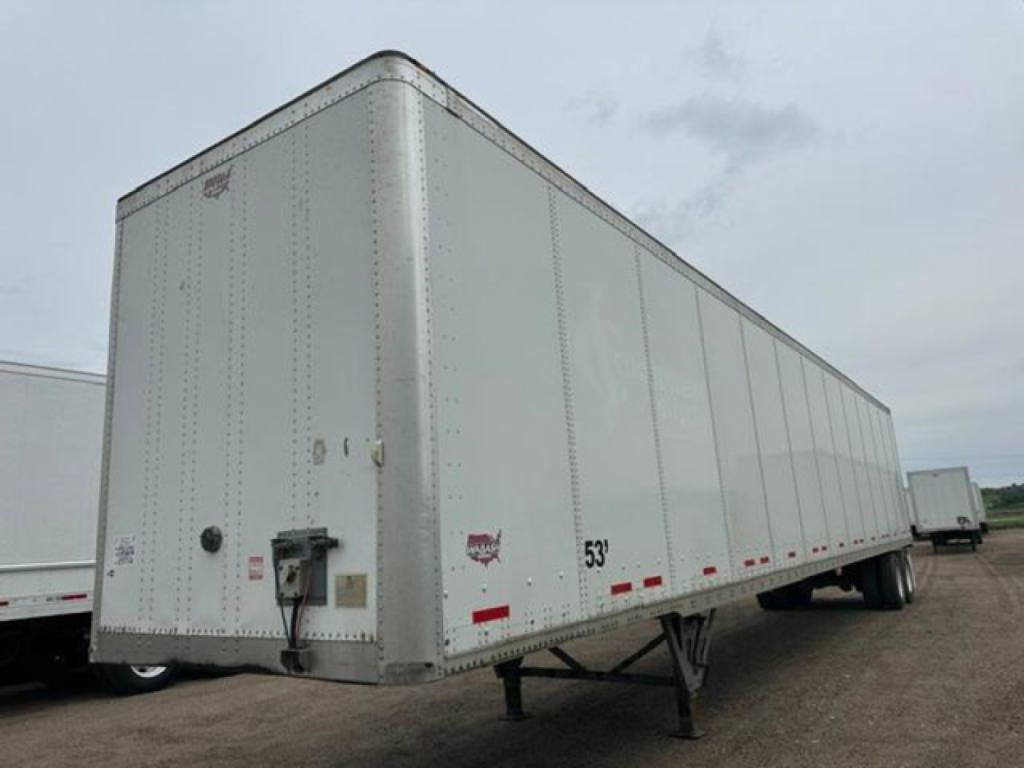
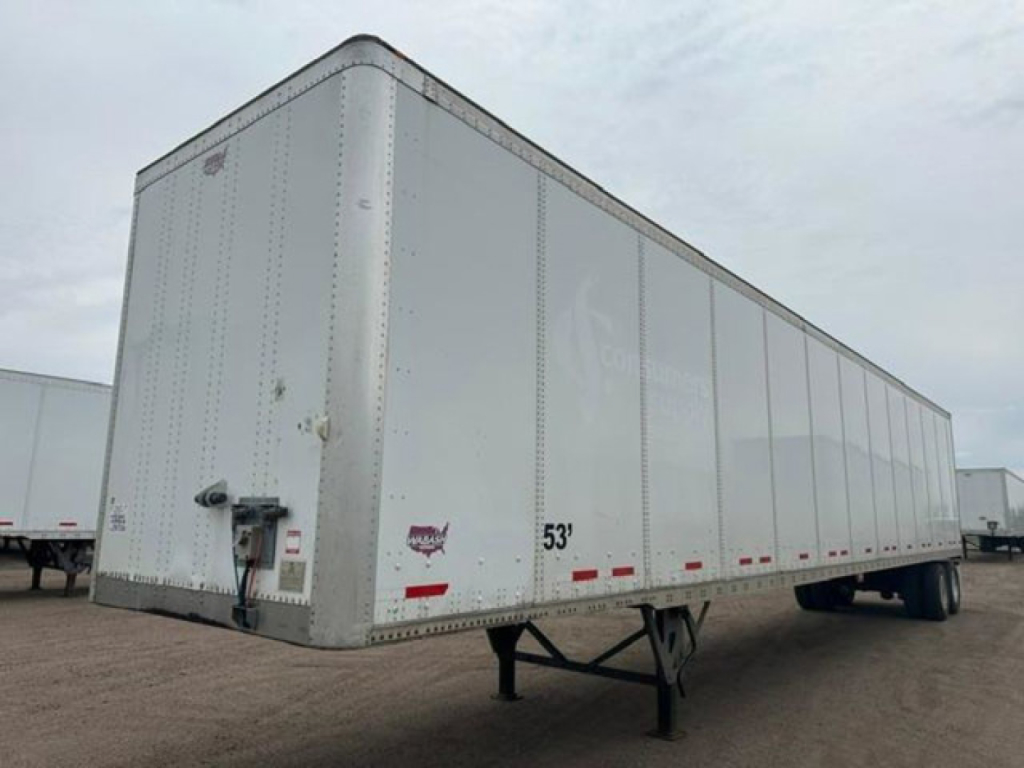
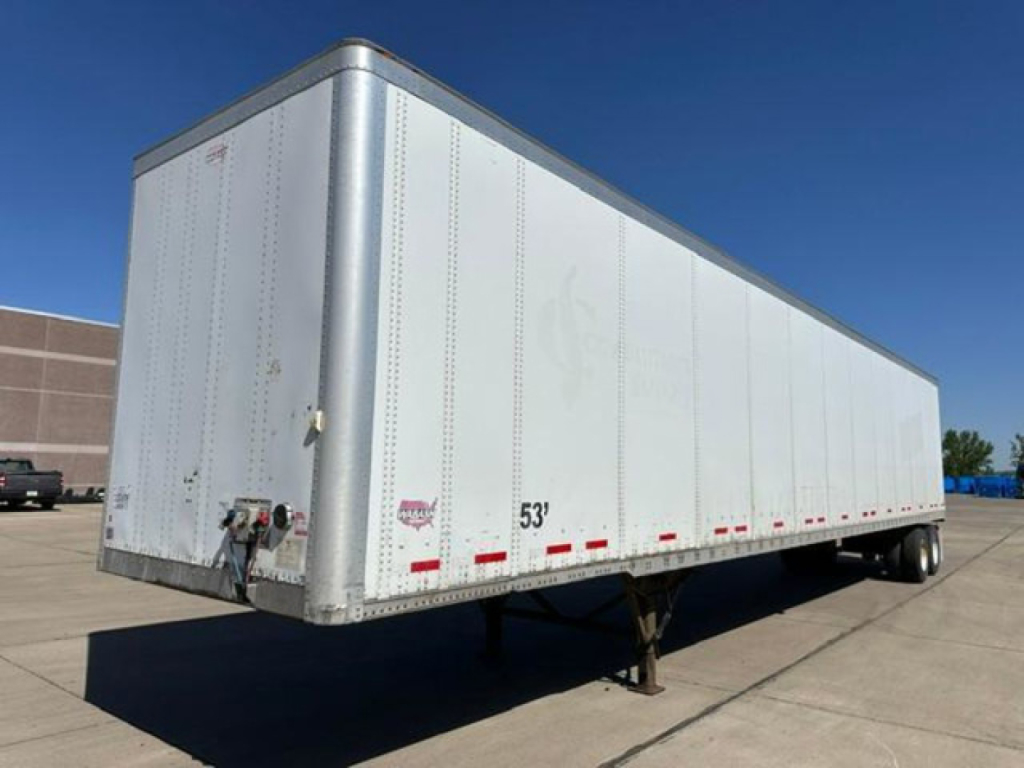
Showing 1 to 24 of 43 results
Have used wabash van trailer to sell? List it here to reach thousands of buyers.
Used Wabash Van Trailers in Iowa
One of the biggest differences in used Wabash vans is construction type. Wabash Duraplate trailers are especially well known for composite plate sidewalls that hold up well in high-cycle fleet use and can reduce exterior fastener issues compared with older sheet-and-post designs. Buyers should pay close attention to door configuration, interior lining, roof condition, and floor material. Roll-up doors can be useful for frequent stop-and-go delivery work, while swing doors usually save weight and preserve full rear opening width for dock loading. Plastic scuff liners, translucent roofs, high base rail specs, and laminated hardwood floors are all common features that affect durability and day-to-day usability.
Suspension and running gear matter just as much as the box. Air ride is popular on used Wabash dry vans because it helps protect freight and is often preferred for higher-value or palletized loads. Tire condition, brake life, wheel-end service history, and slider operation should be checked closely on any used van trailer. Buyers should also verify kingpin wear, landing gear condition, ICC bumper integrity, rear frame area, crossmember health, and signs of previous sidewall or roof repairs. In a used trailer, the difference between a clean fleet-maintained van and a hard-used warehouse shuttle can show up quickly in the floor, threshold, door frame, and moisture intrusion points.
For most operations, the right used Wabash van comes down to freight type, loading environment, and how long the trailer is expected to stay in the fleet. A lighter plated trailer may make sense for maximizing payload, while a heavier-duty specification may hold up better in drop-and-hook, multi-stop, or rough yard conditions. Wabash dry vans also tend to be easy to integrate into mixed fleets because parts availability, repair familiarity, and resale recognition are strong across the market. If the trailer will run Iowa highways year-round, buyers should inspect for corrosion, roof seal condition, floor fastener integrity, and overall weather exposure in addition to standard DOT compliance items.
Frequently Asked Questions about Used Wabash Van Trailers in Iowa
What should I inspect first on a used Wabash van trailer?
Start with the structural and wear items that are expensive to correct. Check the floor for rot, delamination, soft spots, and excessive forklift damage. Inspect the roof seams and front wall for leaks, then look at the rear frame, door hardware, threshold, crossmembers, slider, and landing gear. After that, review tire tread, brake condition, wheel ends, suspension components, and signs of previous accident or sidewall repair. On a Wabash, the box condition is often just as important as the running gear because hidden moisture damage can shorten service life fast.
Are Wabash Duraplate trailers a good choice for dry freight?
Yes. Wabash Duraplate dry vans are widely used in truckload and distribution fleets because the sidewall design is durable, relatively light, and proven in high-cycle service. They are a strong fit for palletized dry goods, consumer products, boxed freight, and general warehouse freight. Buyers still need to inspect the interior skins, floor, and rear frame carefully, but the Duraplate name generally carries solid market recognition and broad repair familiarity.
Is a roll-up door or swing door better on a used dry van?
It depends on the application. Roll-up doors are practical for frequent urban stops and deliveries where drivers open and close the trailer often. Swing doors are usually lighter, simpler, and allow full rear opening clearance at the dock, which can help with forklifts and wider freight. On a used trailer, condition matters more than preference alone, so inspect hinges, seals, header area, and door alignment closely regardless of style.
What size and specs are most common on used Wabash van trailers?
The most common configuration is a 53-foot by 102-inch dry van with tandem axles and air ride suspension. Many used units include laminated wood floors, scuff liners, translucent roofs, and either roll-up or swing rear doors. Sliding tandem setups are standard in many fleets, and plated specifications can vary based on intended payload. Buyers should match the trailer spec to freight density, route requirements, and dock environment rather than buying on length alone.
What makes a used Wabash van trailer a good fit for Iowa operations?
Iowa freight often includes distribution, packaged agricultural products, retail goods, and general dry van freight moving through warehouse and regional truckload networks. A used Wabash van fits well because it is versatile, widely serviceable, and common enough that parts and repair knowledge are easy to find. For Iowa use, pay extra attention to corrosion exposure, winter weather sealing, tire condition, brake performance, and floor integrity because seasonal conditions can accelerate wear on used trailers.