
Used 2015 Van Trailers For Sale
Shop used 2015 van trailers for sale, including 53-foot dry van specs, tandem settings, door types, flooring, logistics posts, and air ride.
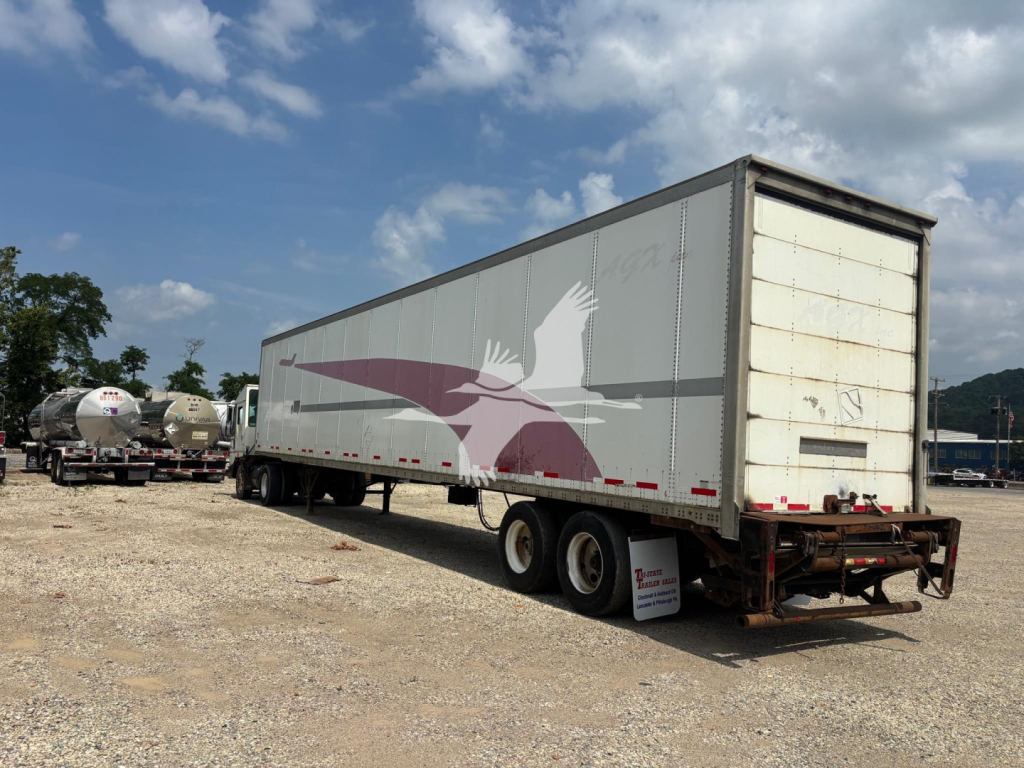
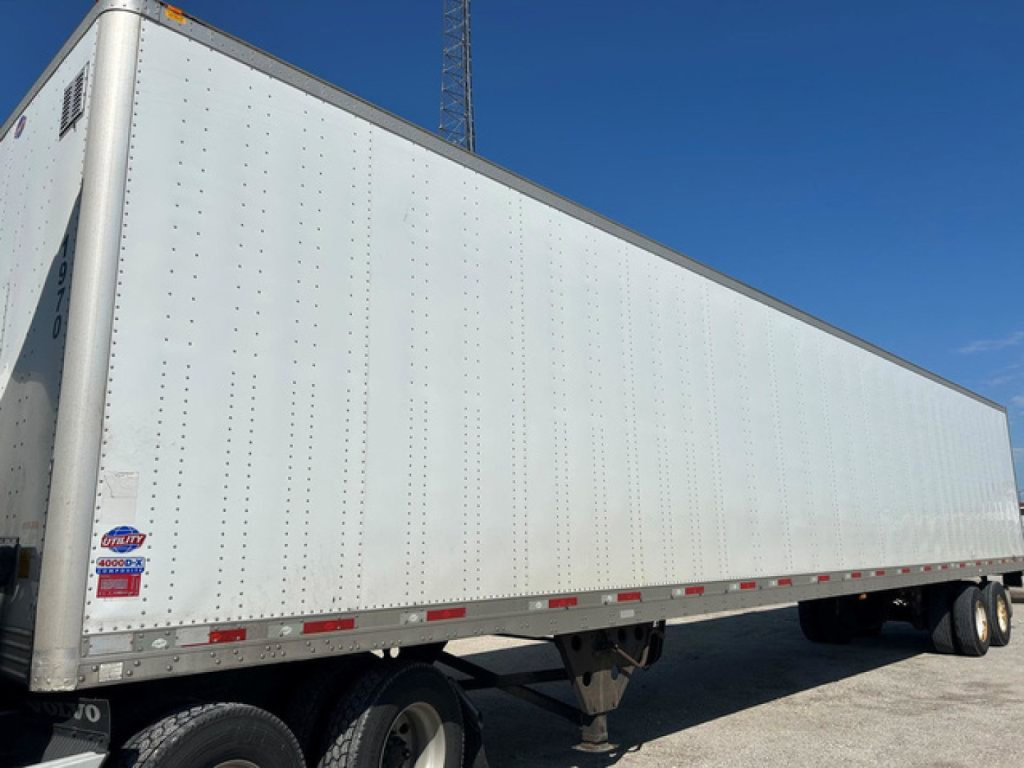
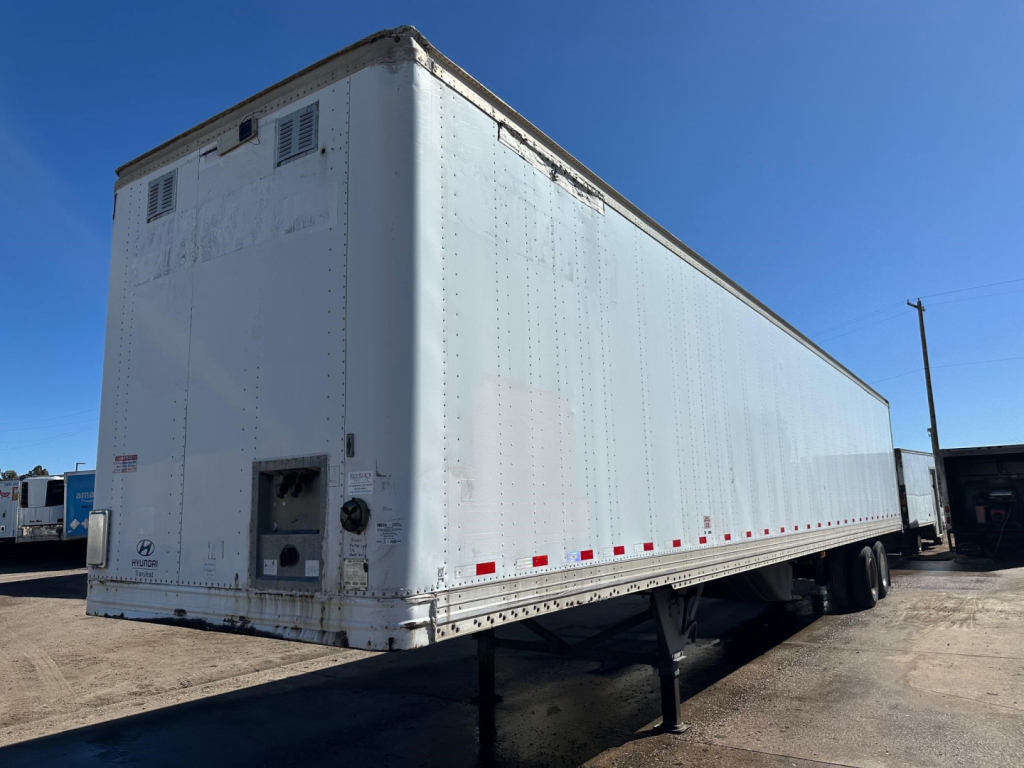
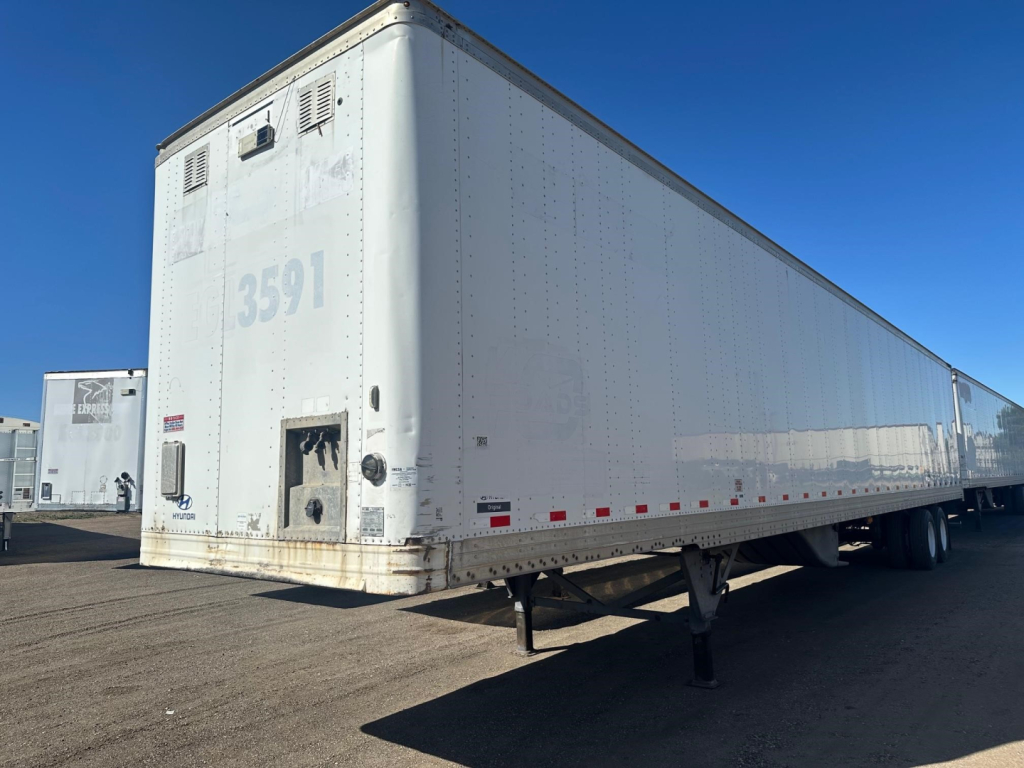
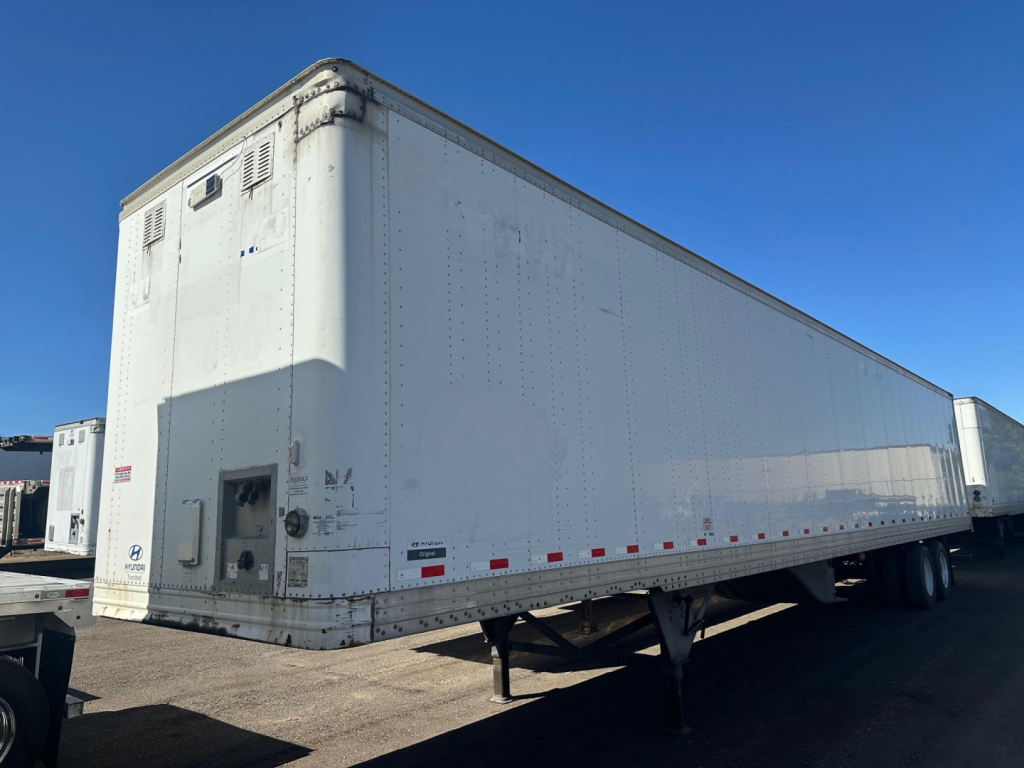
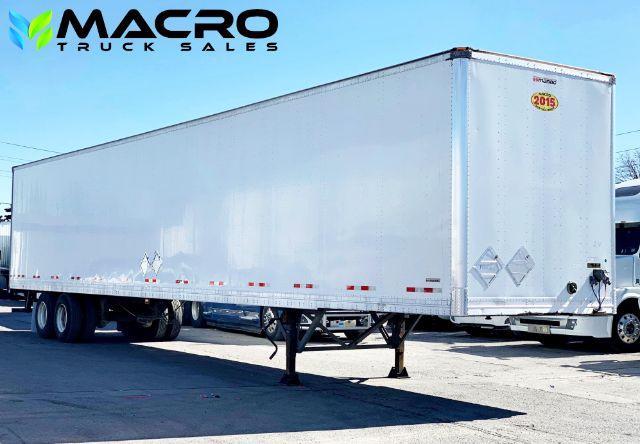
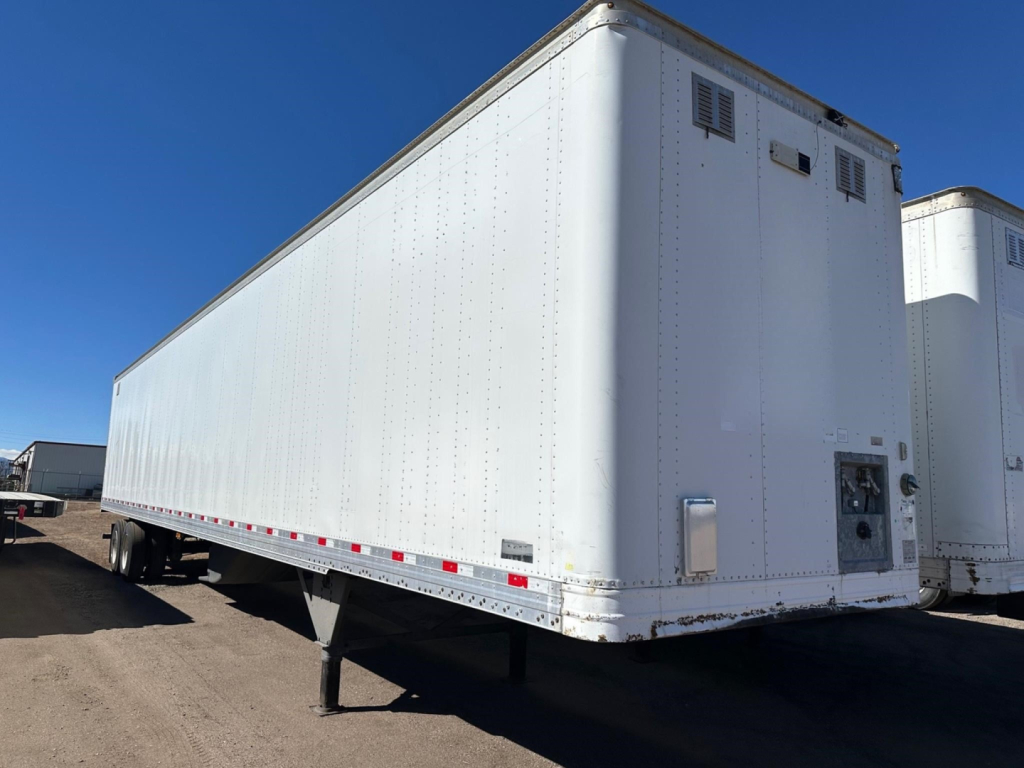
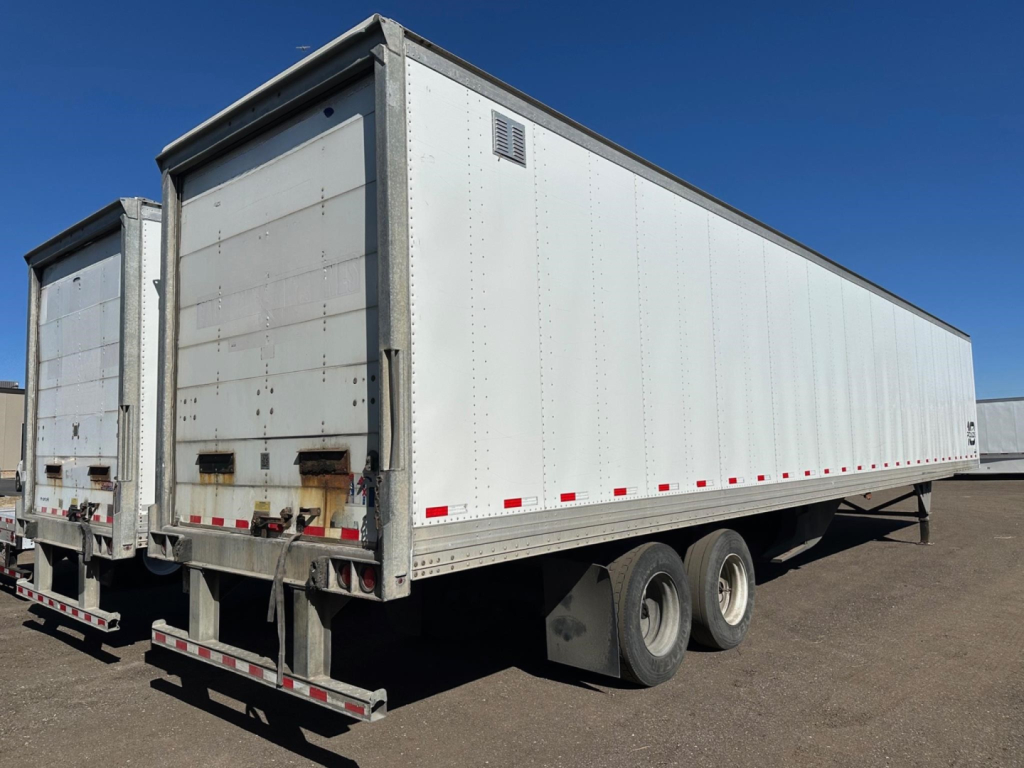
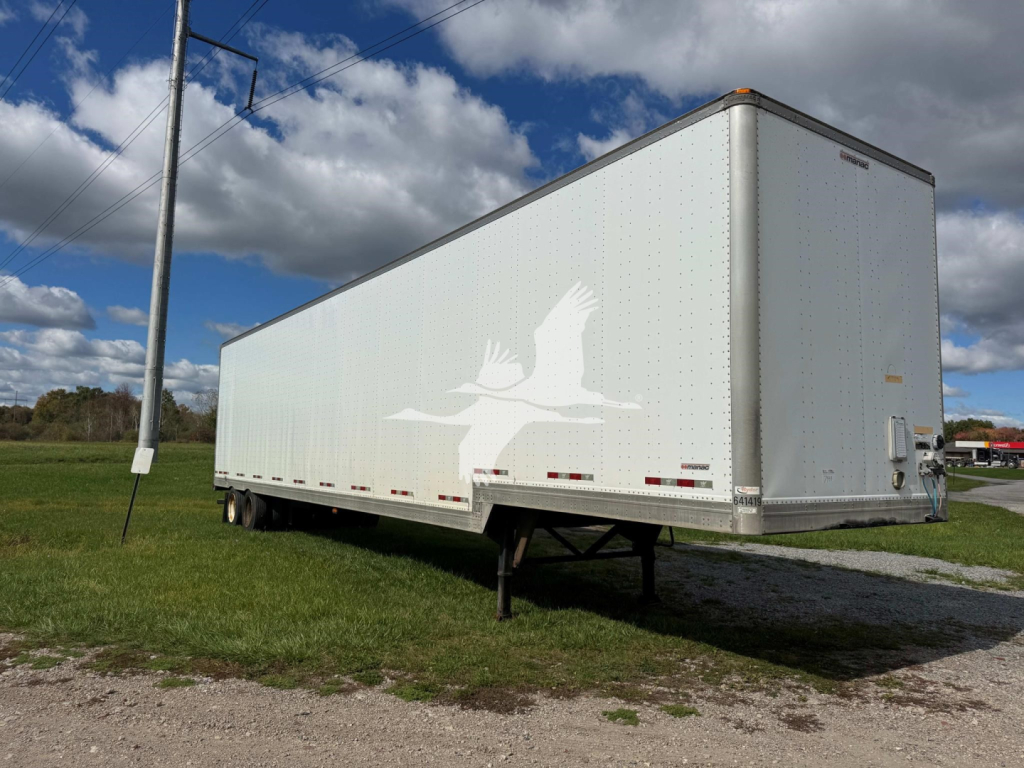
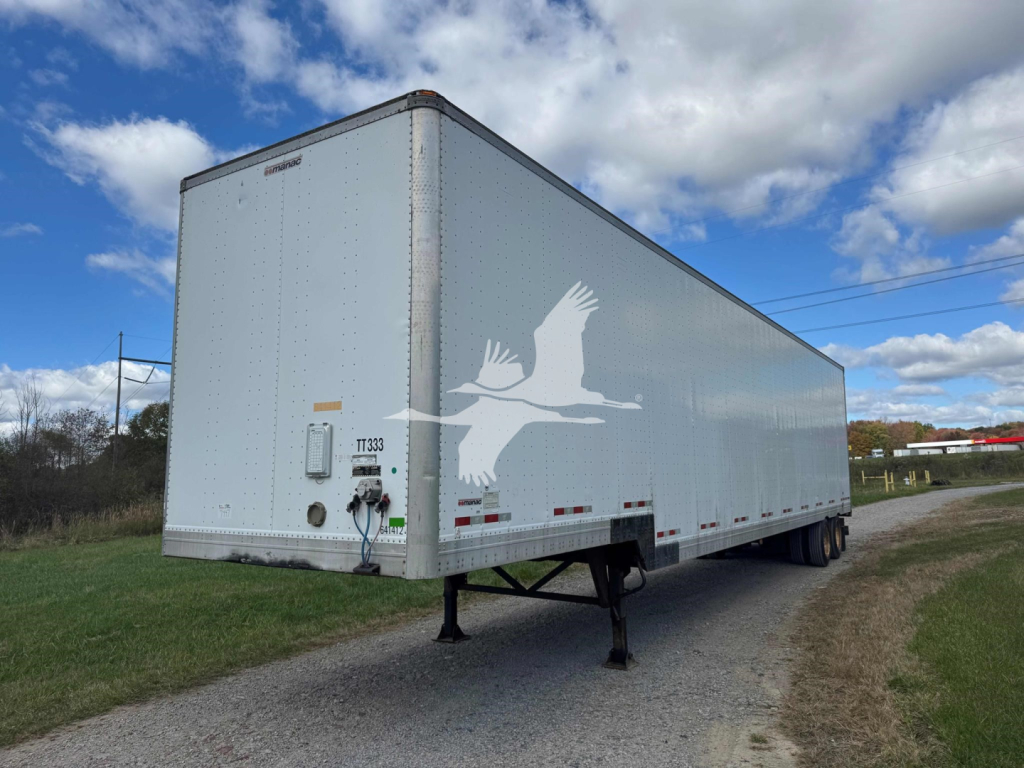
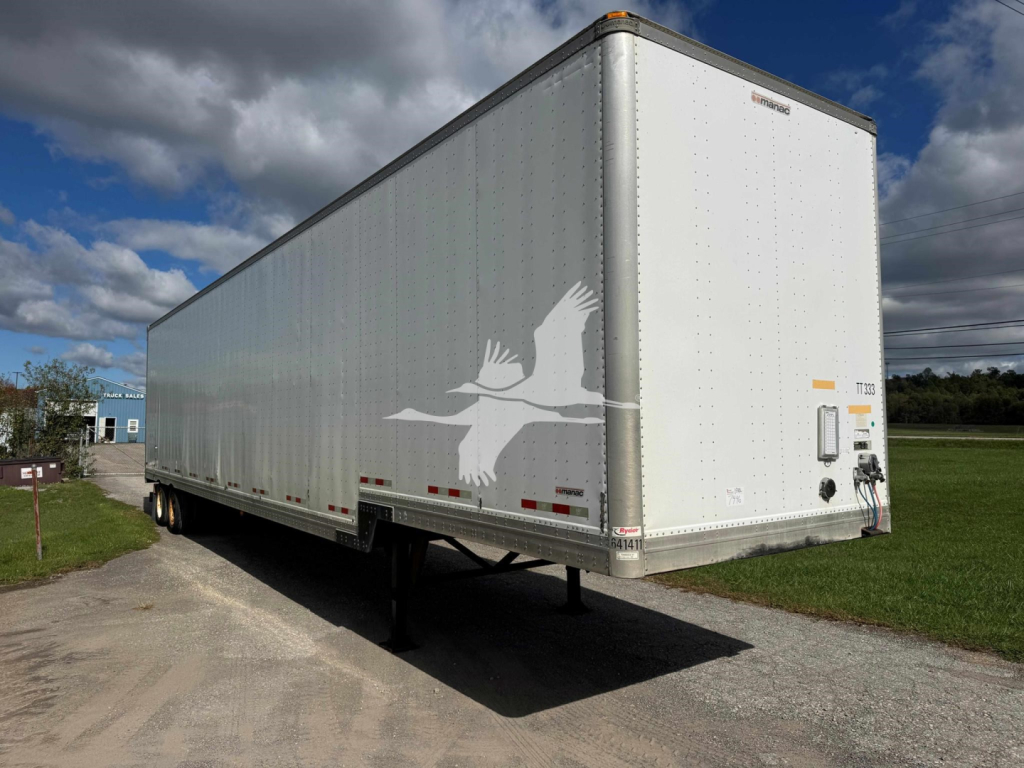
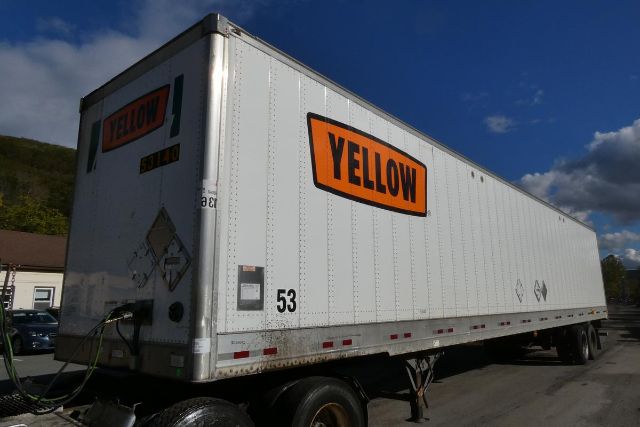
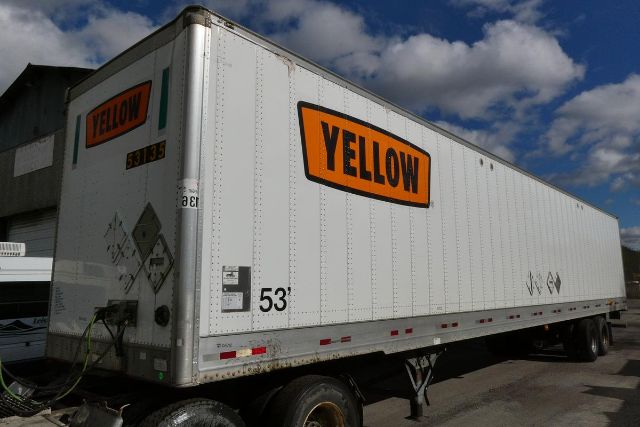
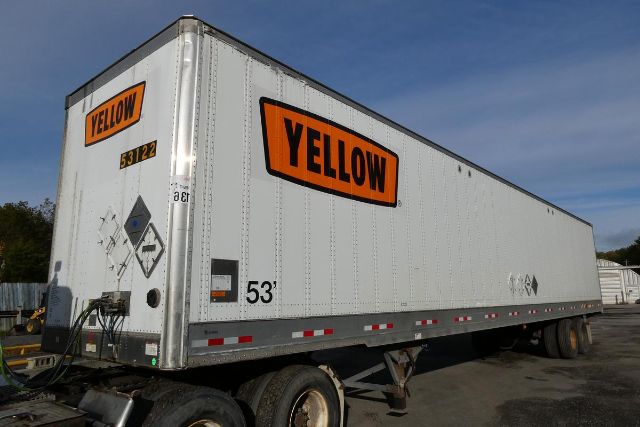
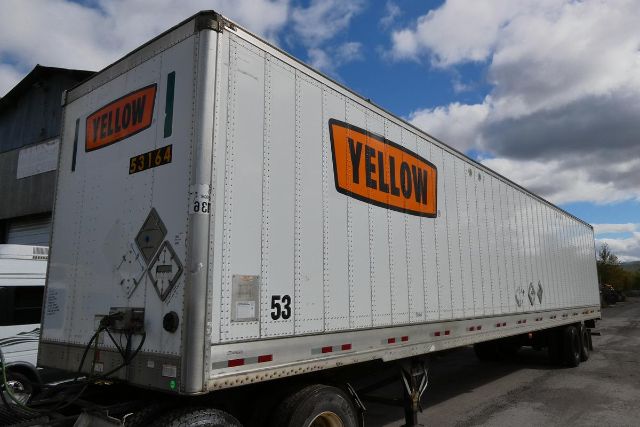
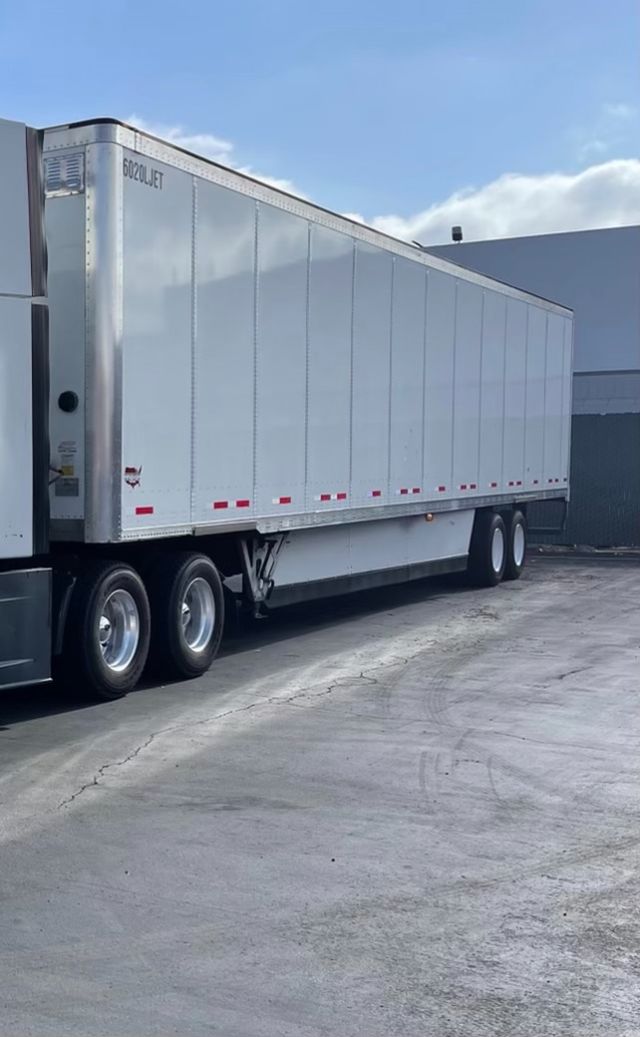
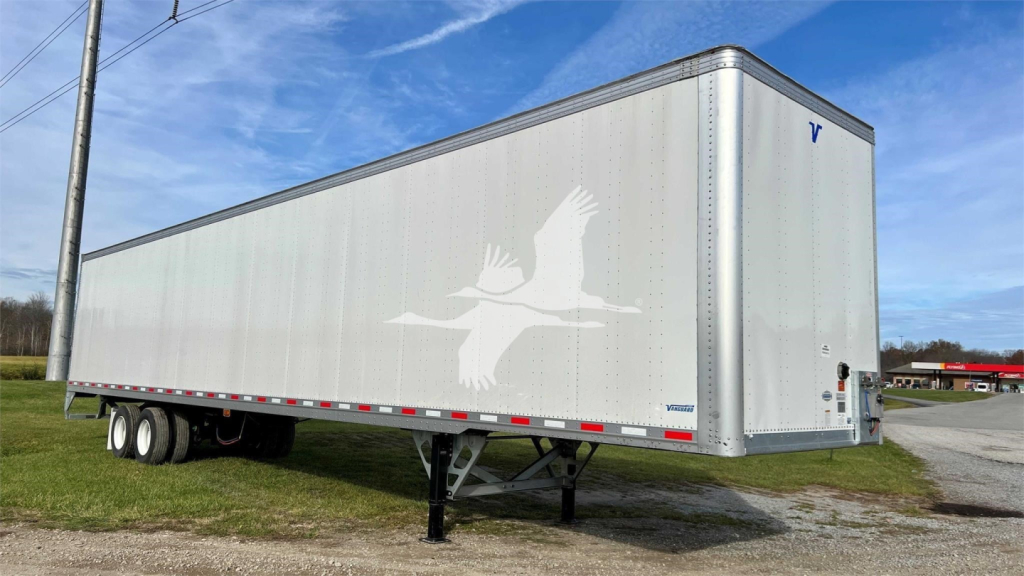
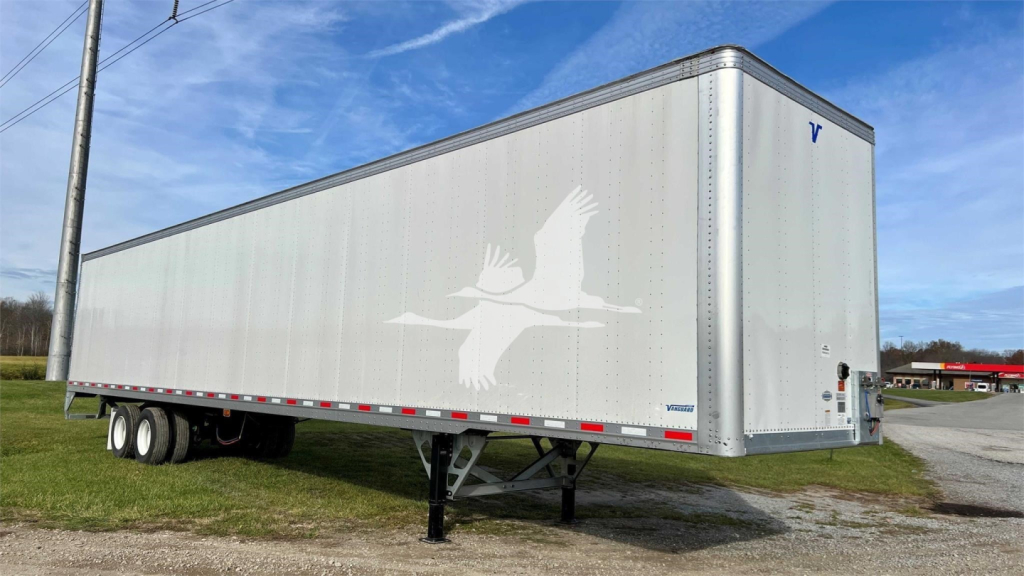
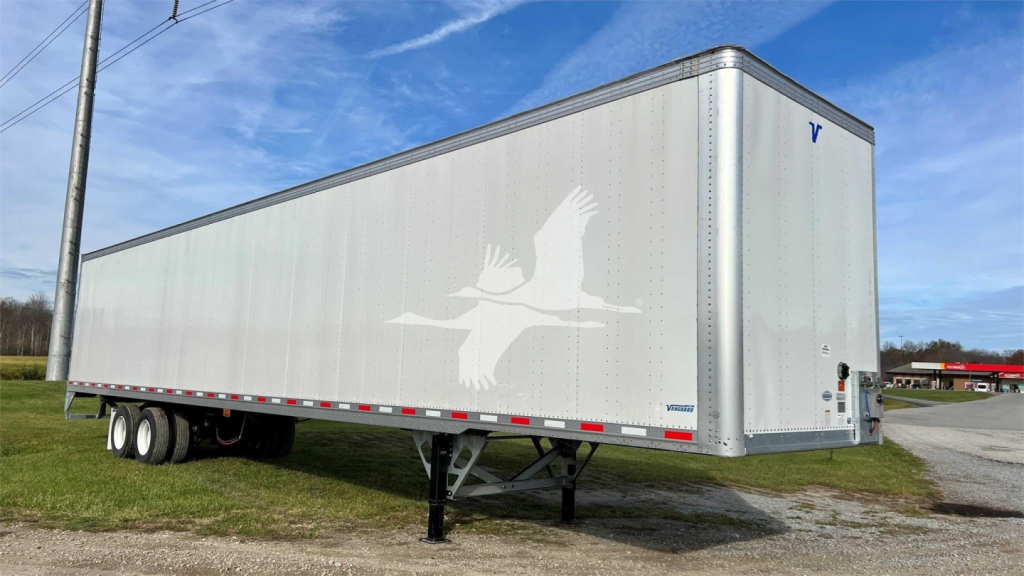
Showing 1 to 24 of 49 results
Have used 2015 van trailer to sell? List it here to reach thousands of buyers.
Used 2015 Van Trailers
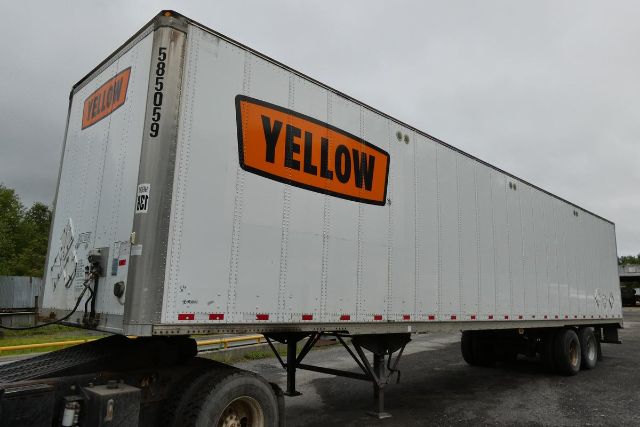
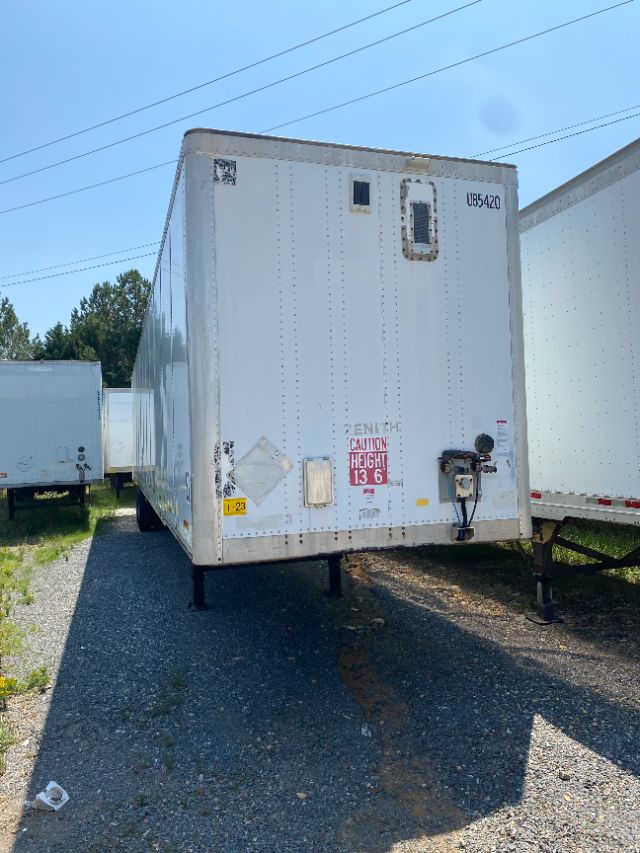
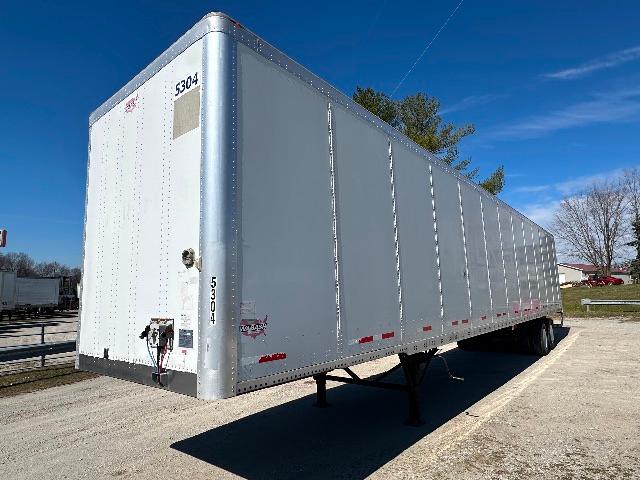
The biggest spec decisions usually come down to suspension, tandem configuration, and interior setup. Air ride remains the preferred suspension for shippers handling sensitive freight because it helps reduce vibration and cargo movement, while sliding tandems add flexibility for bridge laws and axle spread requirements. Kingpin setting, often around 36 inches, matters if the trailer will be paired with day cabs, tractors with fairings, or operations working in tight urban docks. Inside, many 2015 dry vans were built with laminated hardwood floors, logistics posts on 24-inch or 48-inch centers, scuff liners, and composite or plate sidewalls. Closer post spacing gives better load securement flexibility, especially for mixed pallet freight and LTL-style use.
Fuel-saving equipment is another important consideration in this year range. Many used 2015 van trailers were spec'd with side skirts, low-profile 22.5 tires, and tire inflation systems such as PSI. Those features can reduce operating cost, but they also add inspection points. Check skirt mounts for cracking, confirm the inflation system holds pressure and has not been bypassed, and inspect suspension components, slider rails, and locking pins for wear. Rear swing doors are still the standard for dock freight, but door seals, hinge wear, and frame alignment matter because even a small twist at the rear can create loading issues and water intrusion.
For most fleets and owner-operators, a 2015 van trailer hits a practical middle ground between acquisition cost and modern trailer design. Aluminum roofs, galvanized rear frames, anti-dock-walk systems, wear bands, high base rails, and plated noses are all worthwhile features when the trailer will see heavy dock cycles and forklift traffic. The best unit for the job depends on lane type and freight profile. High-cycle regional work puts more value on durable floors, threshold protection, and dock hardware, while long-haul freight may justify more focus on aerodynamic spec, tire management, and overall tare weight.
Frequently Asked Questions about Used 2015 Van Trailers
What are the most common specs on a used 2015 van trailer?
Most used 2015 van trailers are 53 feet long, 102 inches wide, tandem axle dry vans with swing doors and a 13-foot 6-inch overall height. Common specs include air ride suspension, sliding tandems, hardwood or laminated wood floors, aluminum roofs, logistics posts, and 22.5-inch wheels and tires. Many were also ordered with side skirts, tire inflation systems, and galvanized rear components to improve operating efficiency and corrosion resistance.
What should I inspect first on a 2015 dry van trailer?
Start with the floor, roof, rear frame, and tandem slider assembly. Floor rot, forklift damage, patched roof leaks, rear door frame distortion, and worn slider rails can be expensive to correct. After that, inspect scuff liners, sidewall condition, crossmembers, suspension components, brakes, and tire inflation hardware. A van trailer can look clean outside and still have major structural wear in the areas that handle cargo and dock impact.
Is air ride better than spring ride on a used van trailer?
Air ride is generally preferred for van trailer applications because it delivers a smoother ride and better cargo protection, especially for palletized consumer goods, packaged food, and fragile freight. It is also more common in fleet dry van specs from this model year. Spring ride can still work well in lower-cost applications, but most buyers looking for broad freight compatibility and shipper acceptance will favor air ride.
Why does logistics post spacing matter in a van trailer?
Logistics post spacing affects how easily freight can be secured inside the trailer. Posts on 24-inch centers provide more tie-off and load placement options than wider spacing, which is useful for mixed freight, partial loads, and operations that need flexible securement. Wider spacing can still be acceptable for straightforward full-load freight, but tighter spacing usually adds versatility and resale appeal.
Are side skirts and PSI tire inflation systems worth having on a 2015 van trailer?
They can be worthwhile if they are intact and functioning properly. Side skirts may improve fuel economy in highway service, and an automatic tire inflation system can help protect tire life and reduce roadside downtime. On a used 2015 trailer, the key is condition. Damaged skirt brackets, missing components, air leaks, or a disabled inflation system reduce the value of those features and add maintenance cost.