
Used 2013 Van Trailers For Sale
Browse used 2013 van trailers for sale, including 53-foot dry vans with air or spring ride, sliding tandems, logistics posts, and plywood lining.
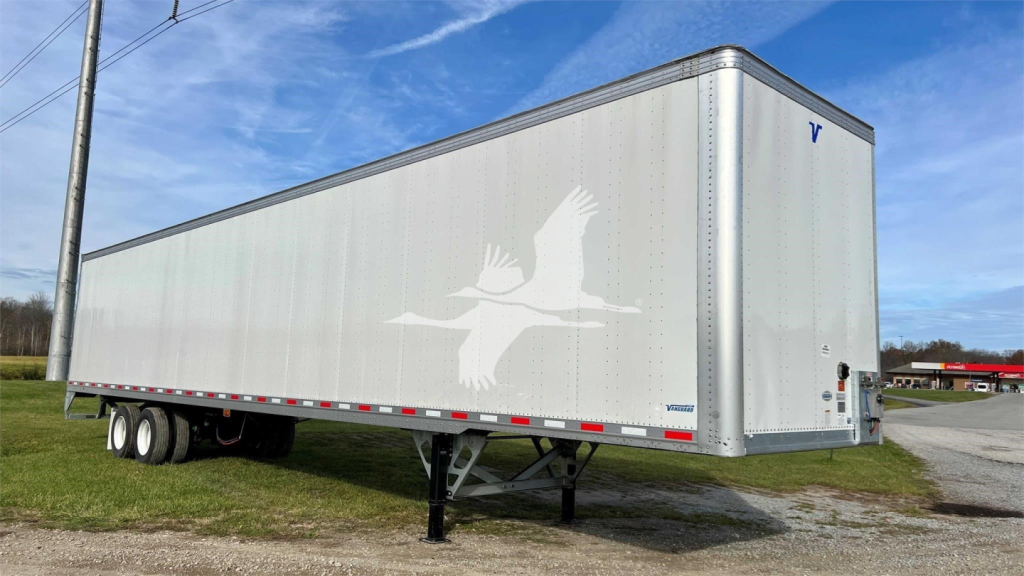
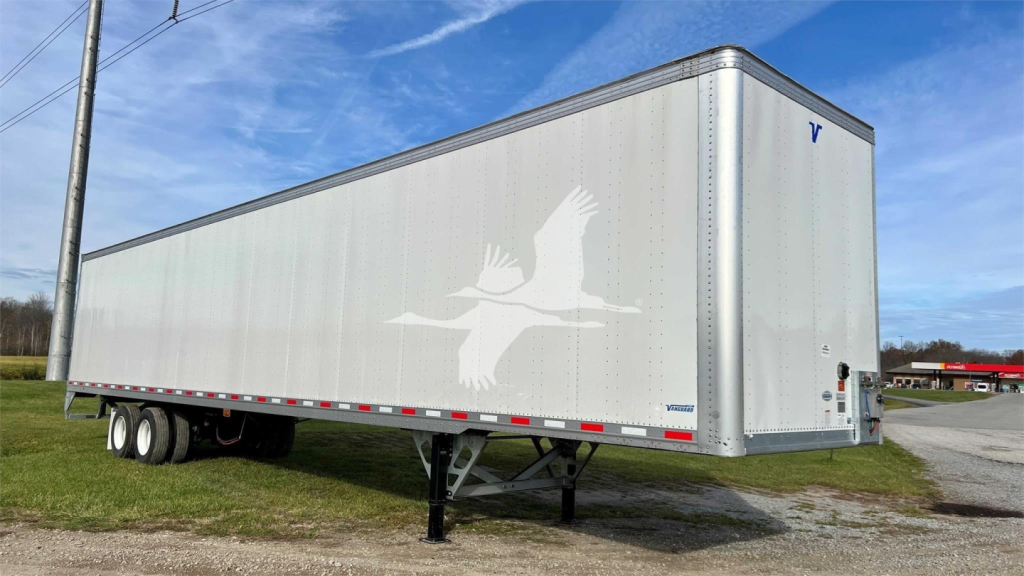
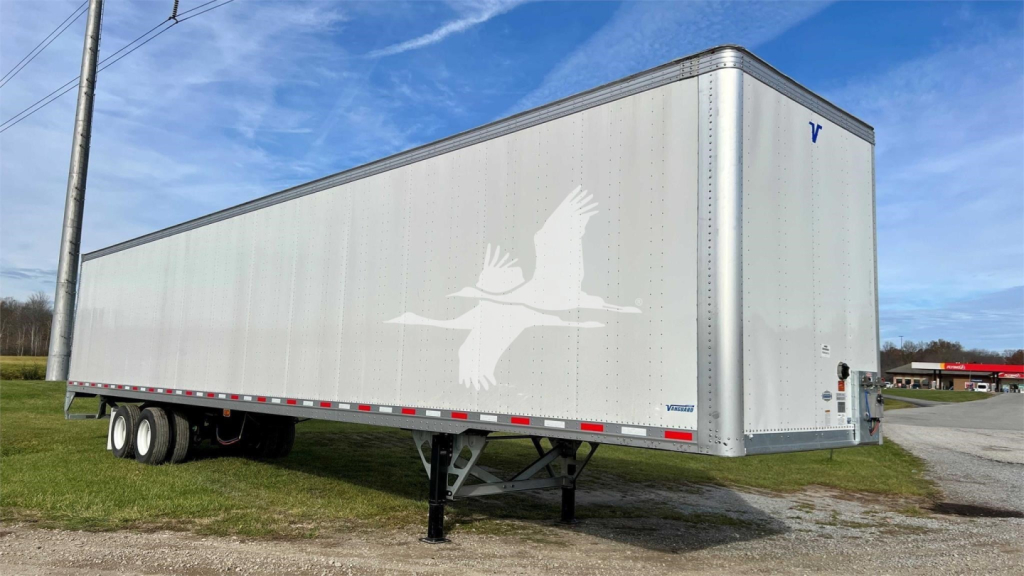
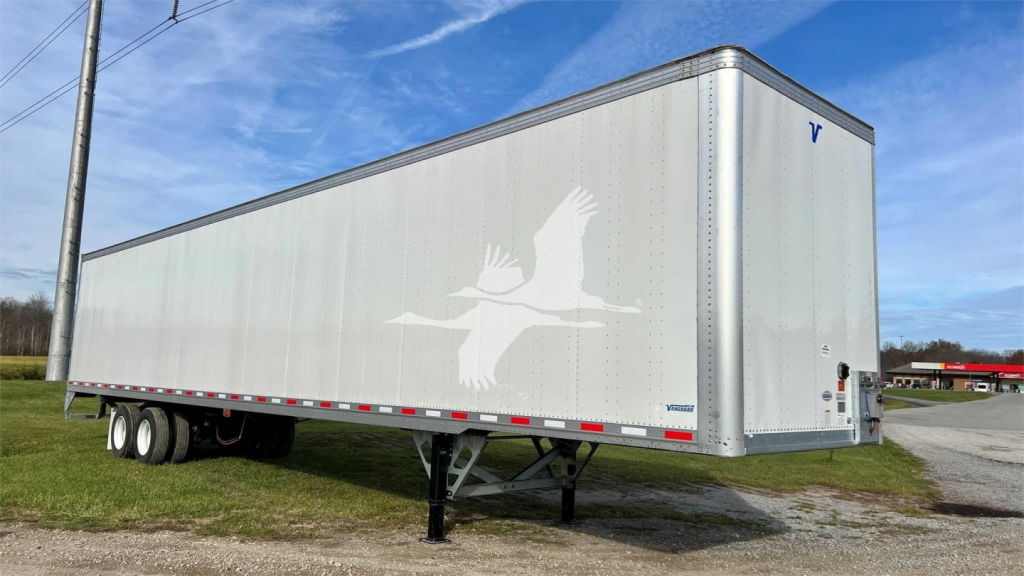

Showing 25 to 37 of 37 results
Have used 2013 van trailer to sell? List it here to reach thousands of buyers.
Used 2013 Van Trailers
The first inspection points on a 2013 dry van should be the roof, floor, sidewalls, rear frame, and door opening. Dry vans in this age group often show their real condition in the floor fasteners, threshold plate, lower side rail area, and around the rear header where dock impact and water intrusion tend to appear first. Buyers should also look closely at scuff liners, logistics posts, E-track, and interior lining because these features affect how flexible the trailer is for mixed freight. A plywood or composite-lined interior is usually preferred for freight protection and load securement, while plate vans and sheet-and-post designs can differ in tare weight, repair cost, and sidewall durability.
Running gear matters just as much as the box. On a used 2013 van trailer, pay attention to suspension type, axle alignment, brake condition, wheel-end service history, tire wear pattern, and the full range of tandem slider travel. Air ride is commonly favored for higher-value or damage-sensitive freight, while spring ride can be simpler and less expensive to maintain in certain operations. Tire size, brake type, and wheel spec should also match the rest of your fleet if you want to simplify parts stocking and roadside service. If the trailer will spend time at customer docks, galvanized rear frames, dock bumpers, and a solid door seal can make a real difference in long-term durability.
A 2013 van trailer can serve several roles beyond standard over-the-road freight. Some buyers use them for dedicated regional distribution, seasonal storage, cartage work, or drop trailer operations where a lower-cost dry van still offers good cubic capacity and freight protection. The best choice depends on cargo type, loading method, and how hard the trailer will cycle each week. For a buyer comparing multiple listings, the priority is usually structural condition first, then suspension and brake spec, then interior configuration. A clean, watertight trailer with a sound floor and straight frame is generally worth more than a cheaper unit that needs immediate rail, roof, or door-frame work.
Frequently Asked Questions about Used 2013 Van Trailers
What are the most common specifications on a used 2013 van trailer?
Most used 2013 van trailers are 53 feet long, 102 inches wide, and built for a 13-foot 6-inch overall height. Tandem axles, sliding tandems, wood floors, aluminum roofs, and swing doors are common, although some units were built with roll-up doors, plate sidewalls, logistics posts, E-track, or composite lining. Suspension is usually either air ride or spring ride, and many trailers in this class use a 36-inch kingpin setting.
What should I inspect first on a 2013 dry van trailer?
Start with the structural and water-sensitive areas. Check the roof for patches or damage, inspect the floor for soft spots and pulled fasteners, and look closely at the rear frame, threshold plate, door seals, and lower side rails. Then review tire wear, brake condition, axle alignment, and slider operation. A van trailer can look acceptable from a distance but still need expensive work if there is hidden floor damage, rail corrosion, or evidence of water intrusion.
Is a 2013 van trailer still suitable for over-the-road freight?
Yes, many 2013 dry vans can still be used in over-the-road service if they are structurally sound and have been maintained properly. The deciding factors are the condition of the body, floor, doors, suspension, brakes, tires, and compliance-related components. A watertight box with good running gear can still be productive in regional or long-haul service, while rougher units may be better suited for storage, drop lots, or lighter-duty dedicated lanes.
What is the difference between air ride and spring ride on a used van trailer?
Air ride generally offers better ride quality and can help protect fragile or higher-value freight from vibration and impact. It is often preferred in retail, packaged goods, and general over-the-road applications. Spring ride is mechanically simpler and may cost less to maintain, but it can deliver a harsher ride depending on the road and load. The better choice depends on your freight profile, maintenance approach, and whether you want consistency with the rest of your trailer fleet.
Which interior features add value on a used 2013 van trailer?
Interior features that usually matter most are plywood or composite lining, scuff liners, logistics posts, E-track, and a solid floor with minimal repair history. These features improve freight protection, load securement options, and day-to-day usability across different customers and cargo types. A clean interior with intact lining and straight walls is especially important if the trailer will handle consumer goods, palletized freight, or multi-stop distribution.