
Used 2013 Wabash Van Trailers For Sale
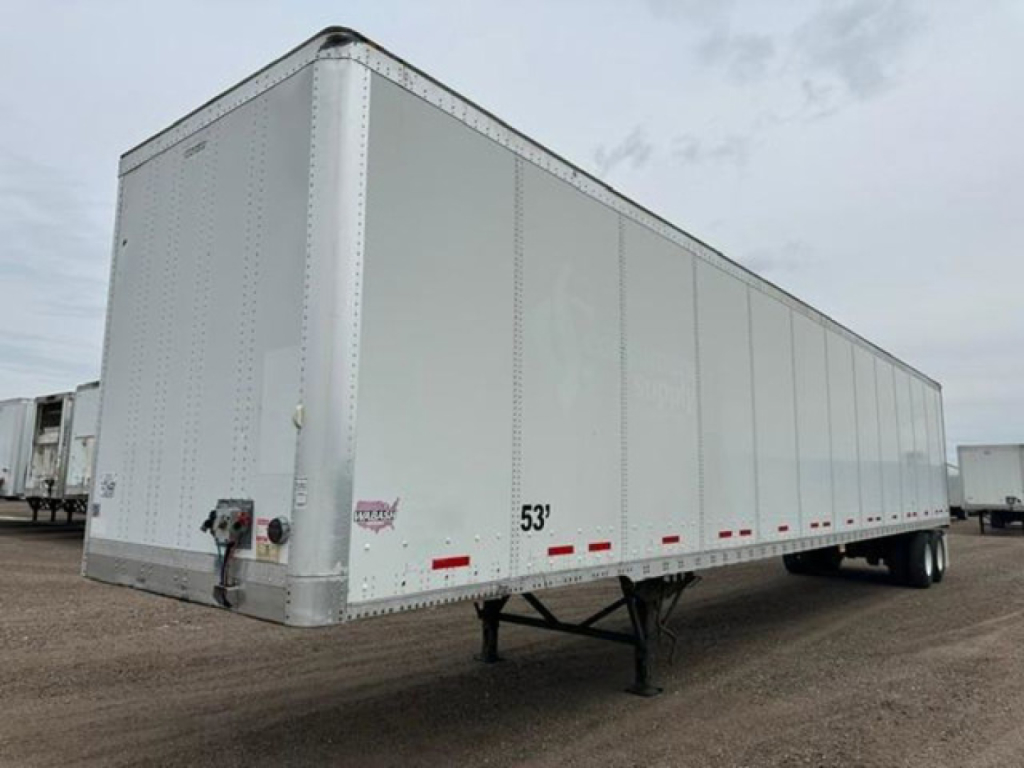
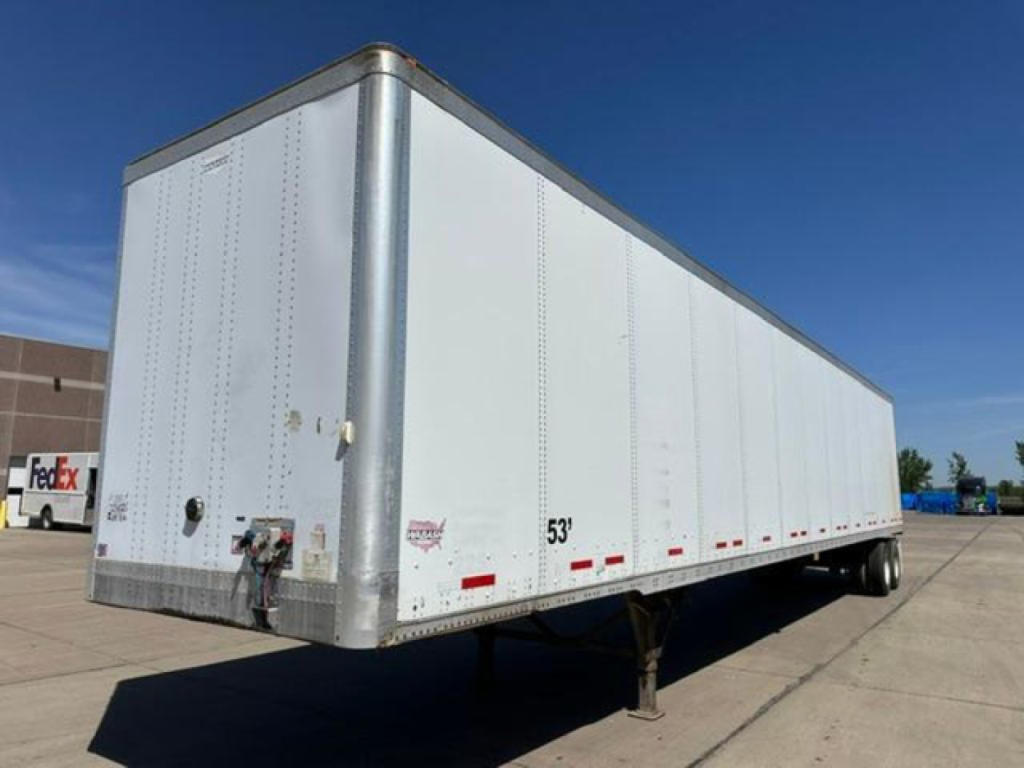
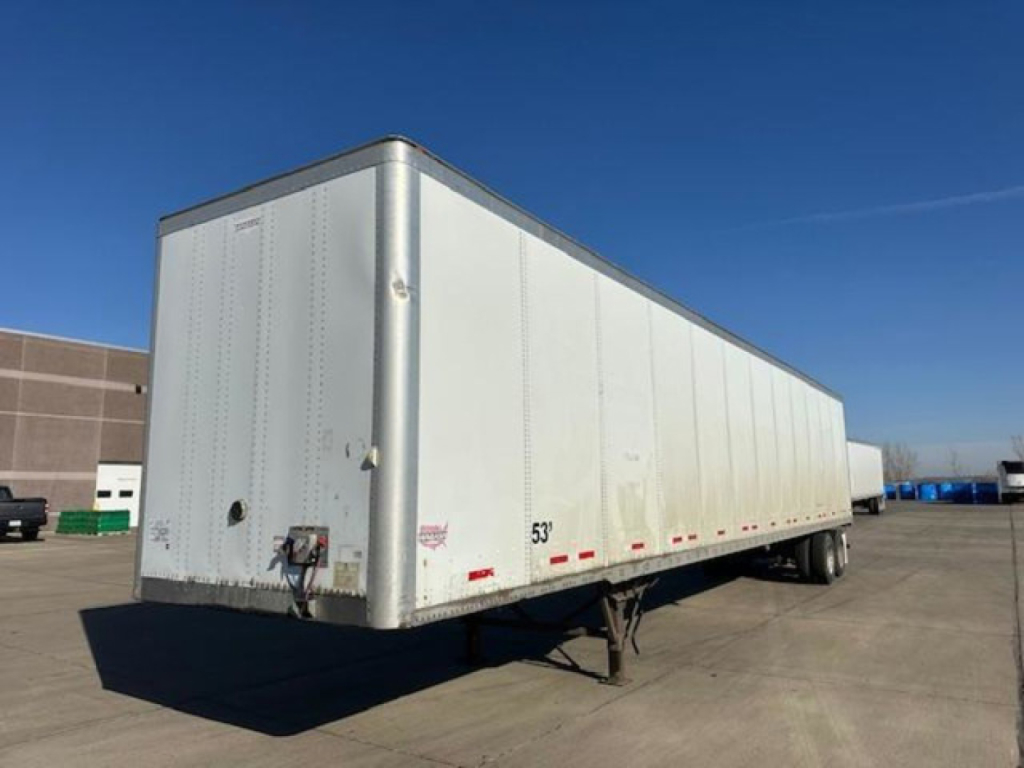
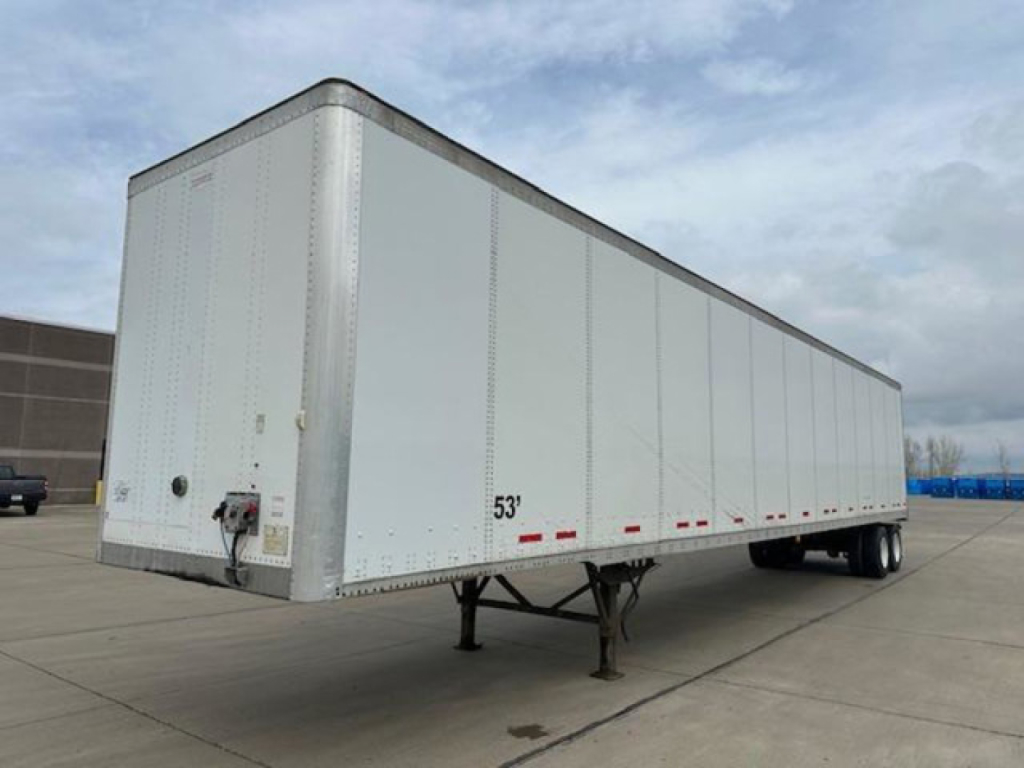
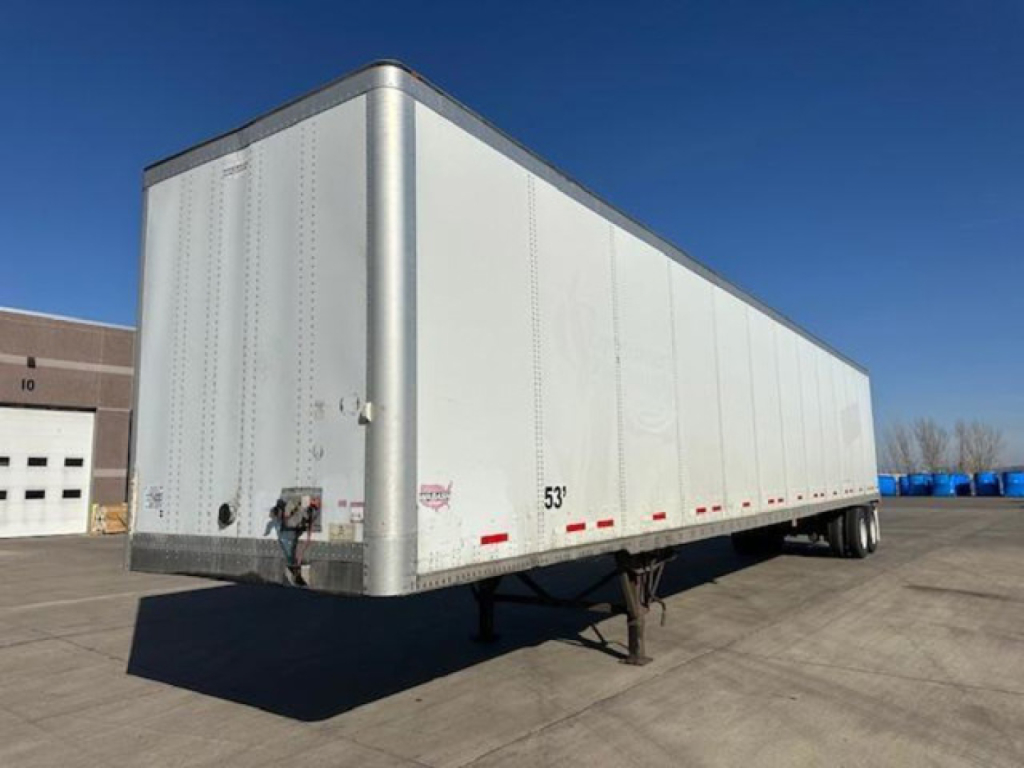
Have used 2013 wabash van trailer to sell? List it here to reach thousands of buyers.
Used 2013 Wabash Van Trailers
Door style and suspension setup matter more than many buyers expect. Swing doors are simple, durable, and common in full-length over-the-road dry van service. Roll-up doors are useful in route delivery and multi-stop work, but they add weight and have more moving parts to inspect. Air ride suspension is often preferred for higher-cube freight and damage-sensitive loads, while spring ride can be less complex and cheaper to maintain in some fleets. On a 2013 trailer, pay close attention to tandem slider operation, rail wear, locking pin engagement, crossmember condition, and any signs of cracked welds near the suspension hangers.
Wabash vans from this era are also frequently equipped with translucent roofs, plastic-lined interiors, and logistics tracks or vertical E-track style securement systems. Those features can make a meaningful difference depending on the freight profile. A translucent roof improves natural light for loading. Plastic lining helps protect sidewalls from pallet and forklift contact. Logistics posts increase flexibility for load bars and straps. Buyers should also inspect the rear impact guard, threshold plate, nose structure, roof bows, upper coupler area, kingpin wear, and door frame alignment. Tire age, brake condition, wheel type, and remaining tread depth are equally important because replacement cost across a full set can change the real acquisition cost quickly.
For many operations, a used 2013 Wabash dry van remains a practical trailer class because parts availability is strong and the spec is familiar to most shops and drivers. The best fit depends on freight type, lane length, and loading environment. A warehouse-to-warehouse operation may prioritize a straight, dry box with solid floor ratings and clean swing doors, while a dedicated retail or grocery account may put more value on roll-up doors, lining, and easy cargo securement. If the trailer will run heavy cube or high cycle freight, check for floor softness, wall delamination, light leaks, and prior patchwork before comparing price alone.
Frequently Asked Questions about Used 2013 Wabash Van Trailers
What should I inspect first on a used 2013 Wabash van trailer?
Start with the floor, roof, rear frame, suspension area, and upper coupler. Those are the highest-cost structural areas on an older dry van. Check for soft spots in the floor, water intrusion from the roof, cracked crossmembers, bent rear headers, worn kingpin components, and damage around the tandem slider rails. Cosmetic panel wear is common, but structural damage and water entry are what usually determine long-term value.
Are 2013 Wabash van trailers usually DuraPlate trailers?
Many are, but not all. Wabash is strongly associated with DuraPlate dry vans, which use composite side panels designed for lower weight and good impact resistance. A buyer should still confirm the exact body construction, interior lining, and repair history on each trailer. Sidewall condition, signs of patched panels, and the overall straightness of the box matter more than the branding alone.
Is air ride better than spring ride on a used Wabash dry van?
Air ride is often preferred for fragile, high-value, or damage-sensitive freight because it can reduce cargo shock and is widely accepted in many shipper networks. Spring ride is simpler and may be less expensive to maintain, but ride quality is generally harsher. The right choice depends on freight type, route conditions, maintenance capability, and customer requirements. On a used 2013 trailer, condition is just as important as suspension type.
What cargo is a 2013 Wabash van trailer best suited for?
This trailer class is designed for dry freight that needs weather protection and secure enclosure. Common applications include packaged consumer goods, paper products, food ingredients that do not require temperature control, boxed freight, retail merchandise, and palletized industrial products. Interior options such as scuff liners, logistics tracks, and translucent roofs can make the trailer more efficient for repeated forklift loading and multi-stop distribution work.
How important are door type and interior lining on a used van trailer?
They are important because both affect daily usability and repair expense. Swing doors are generally durable and seal well when properly aligned, making them a strong choice for standard dock operations. Roll-up doors are convenient for frequent stops but add mechanical complexity and can reduce clear opening height. Interior plastic lining or scuff protection helps reduce forklift and pallet damage, which is especially useful in high-touch freight service.