
Van Trailers For Sale in Texas
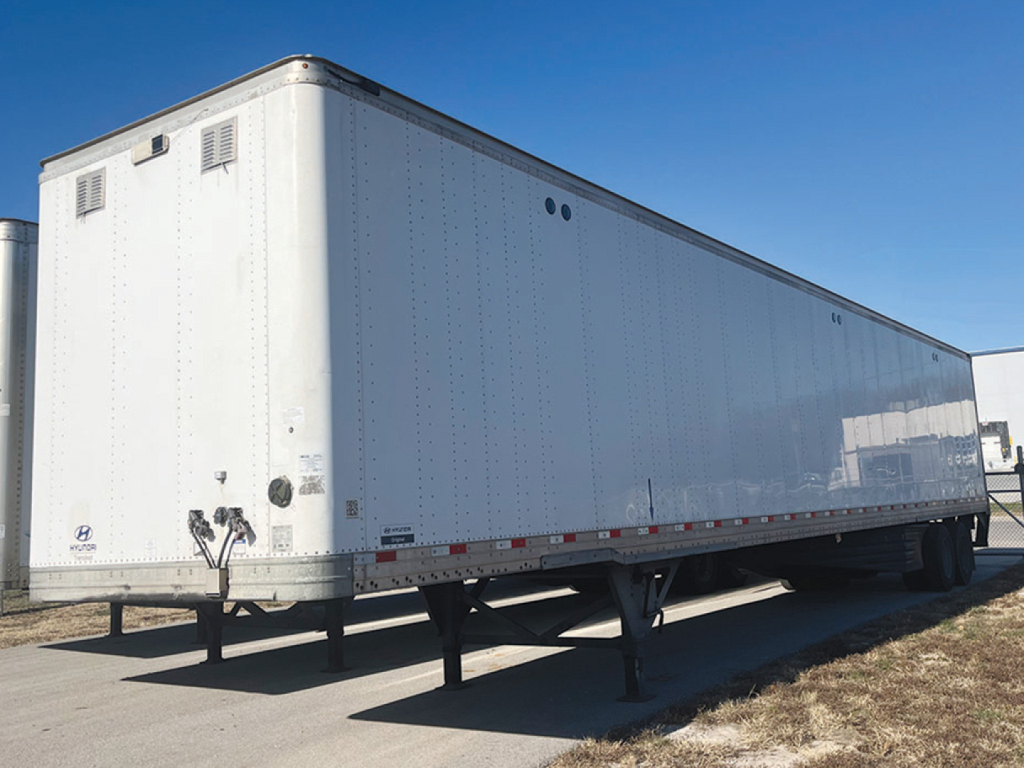
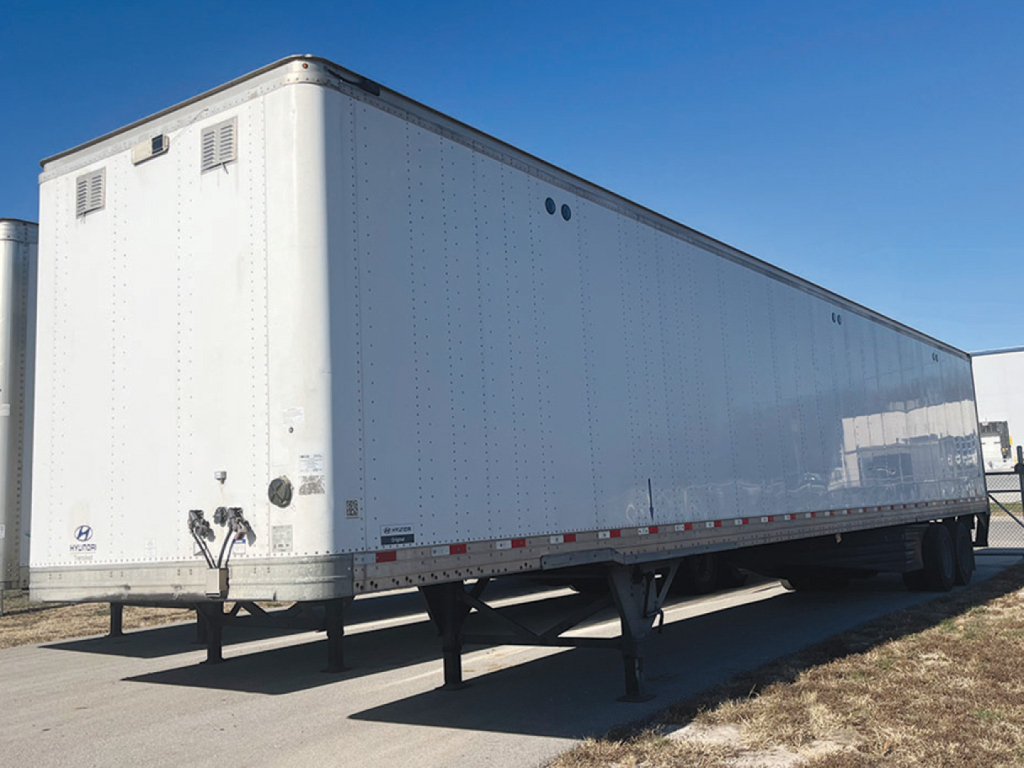
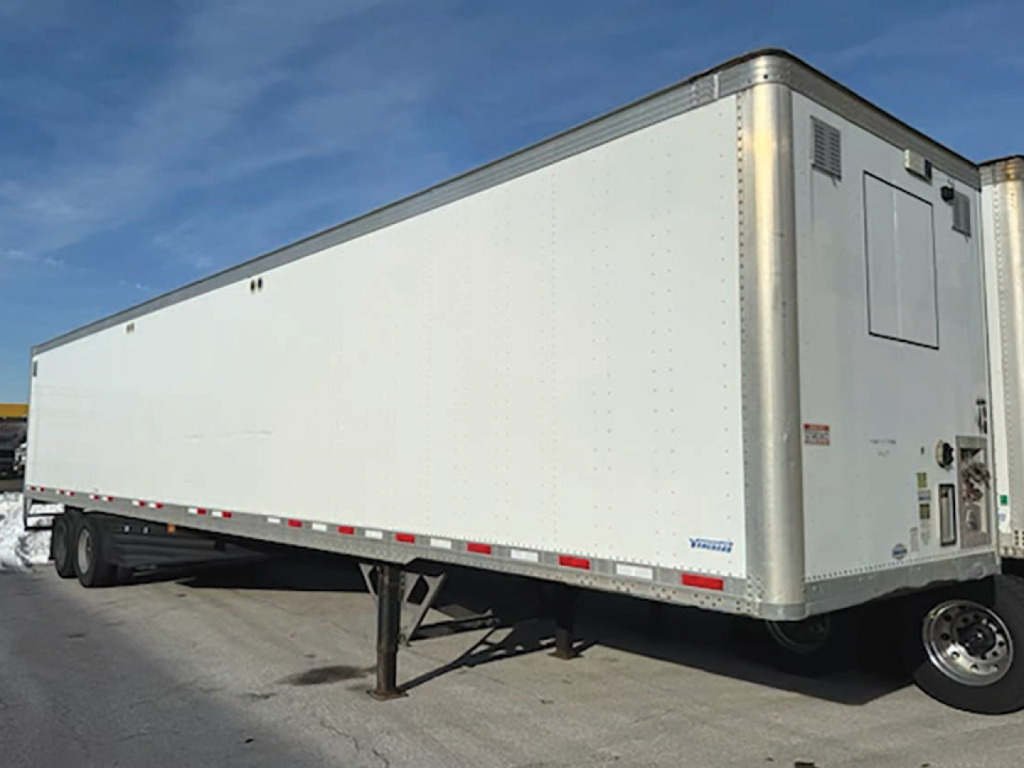
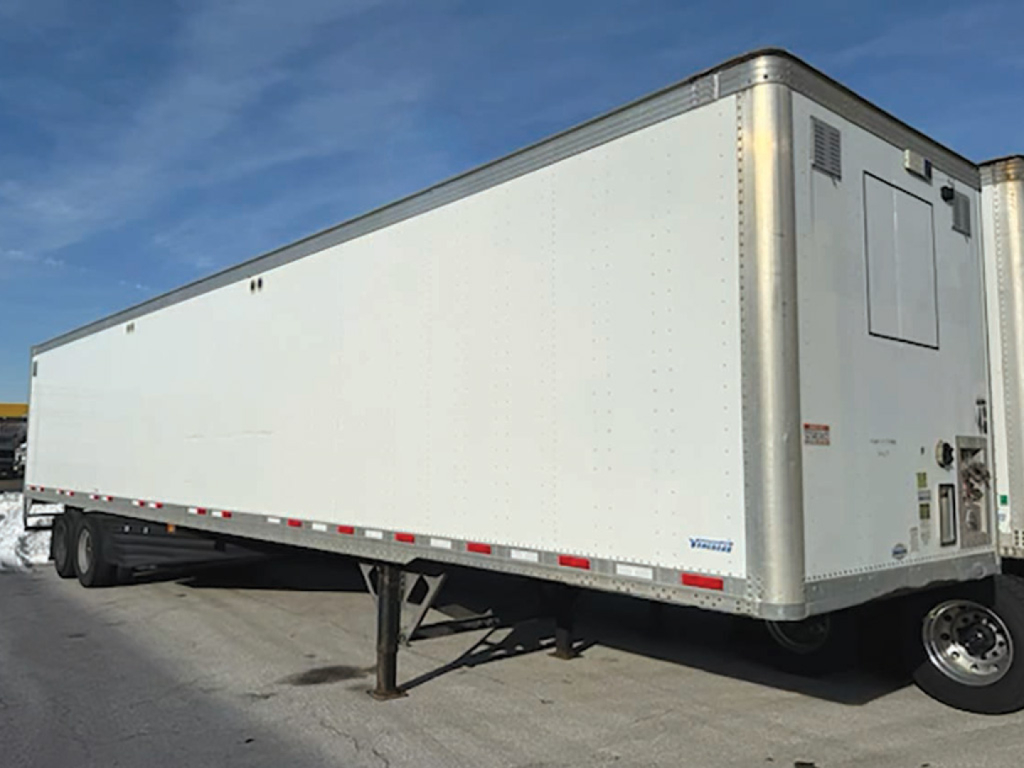
Browse van trailers for sale in Texas, including 53-foot dry vans with logistics posts, air ride, sliding tandems, roll-up or swing doors.
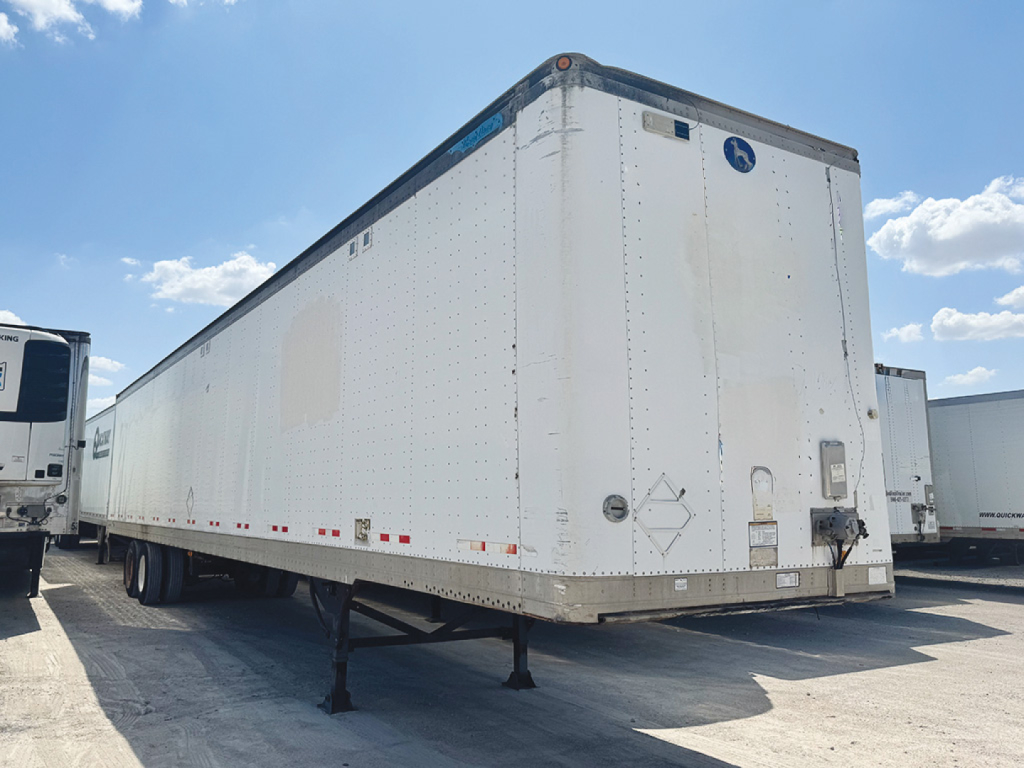
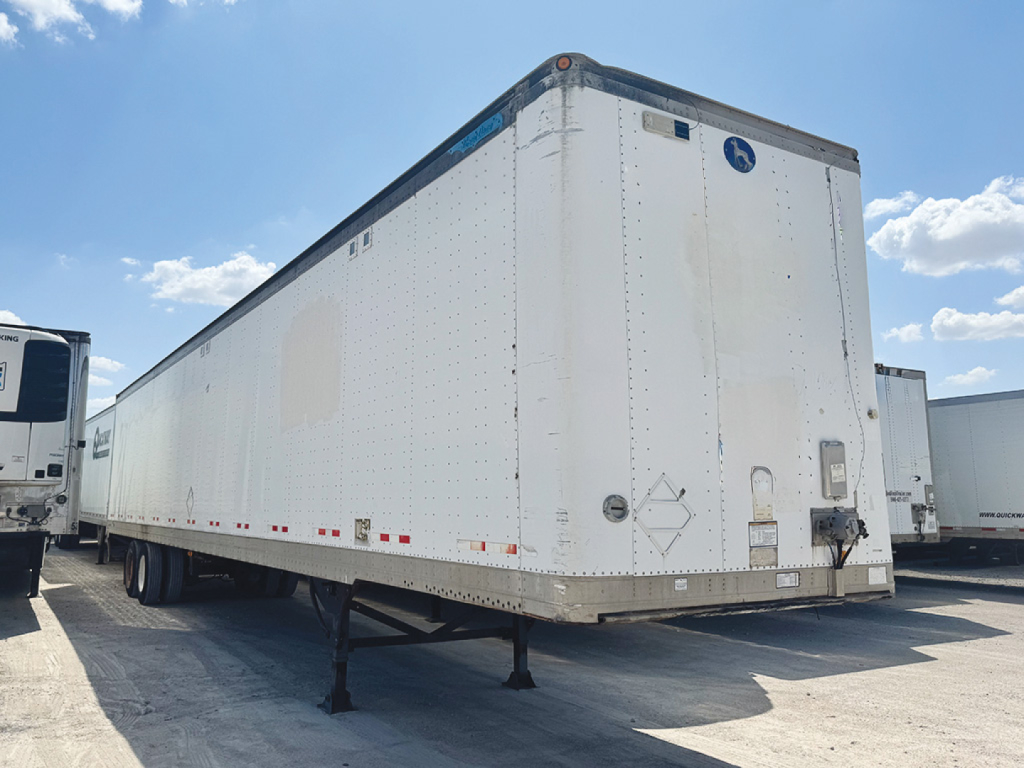
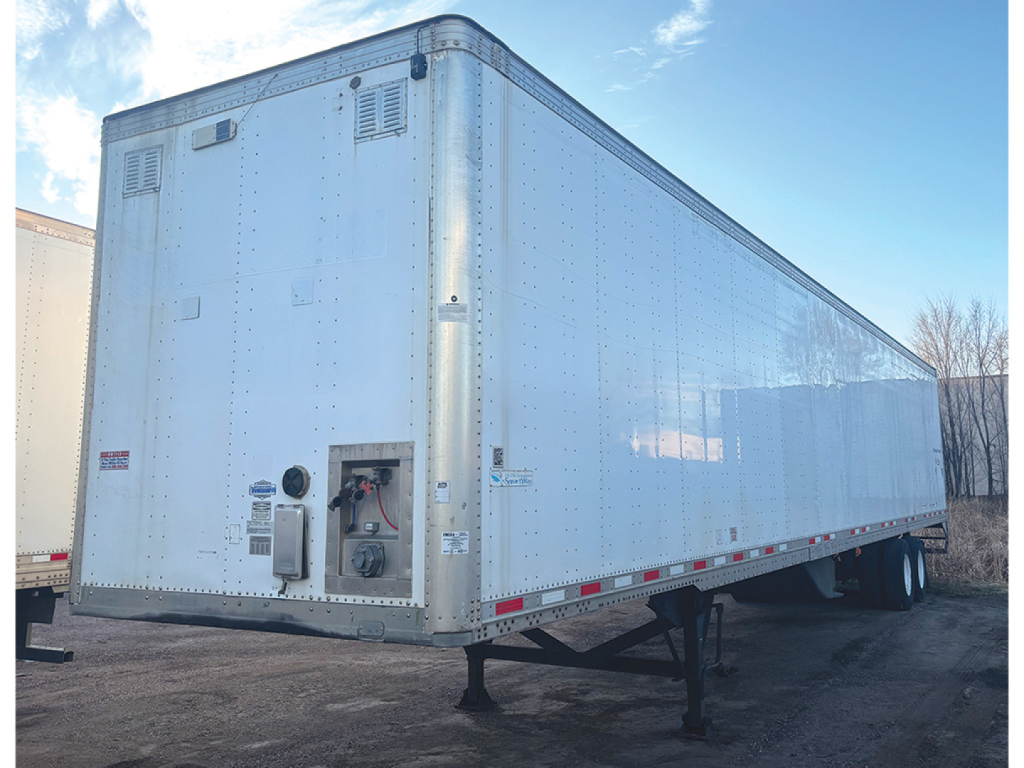
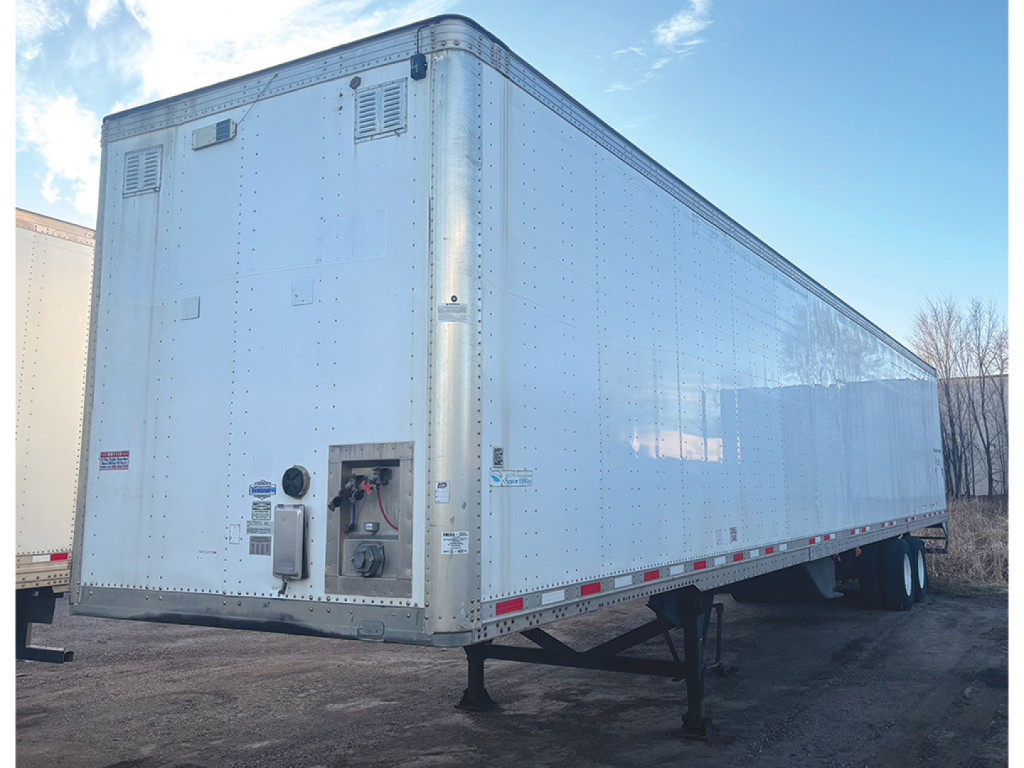
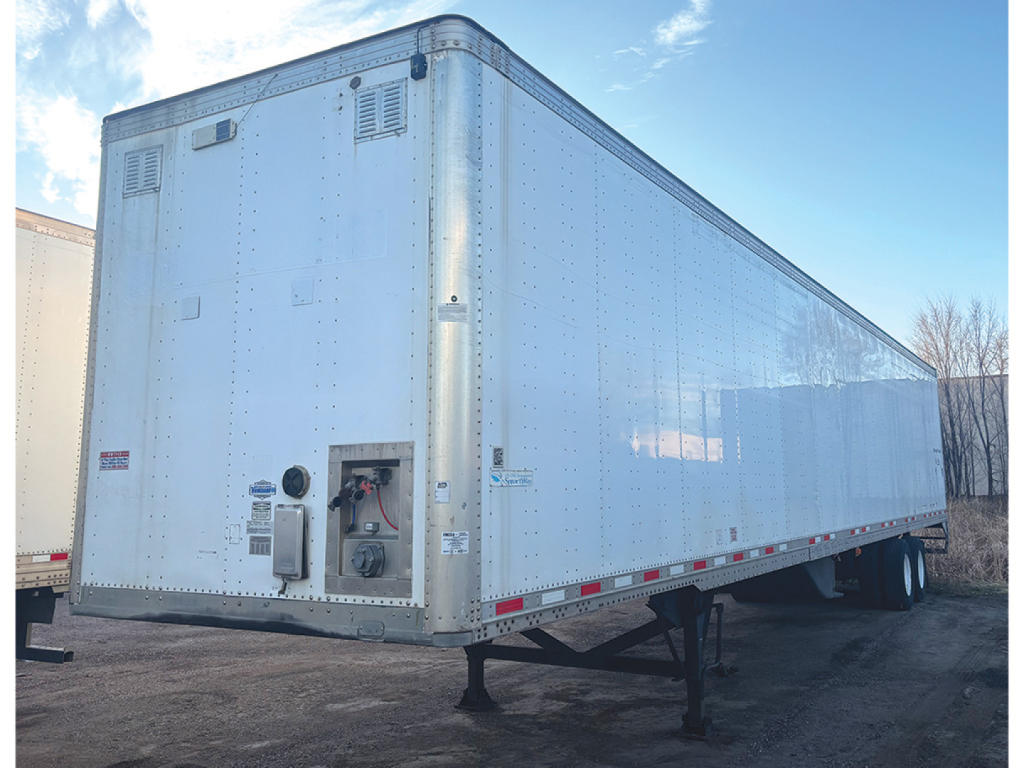
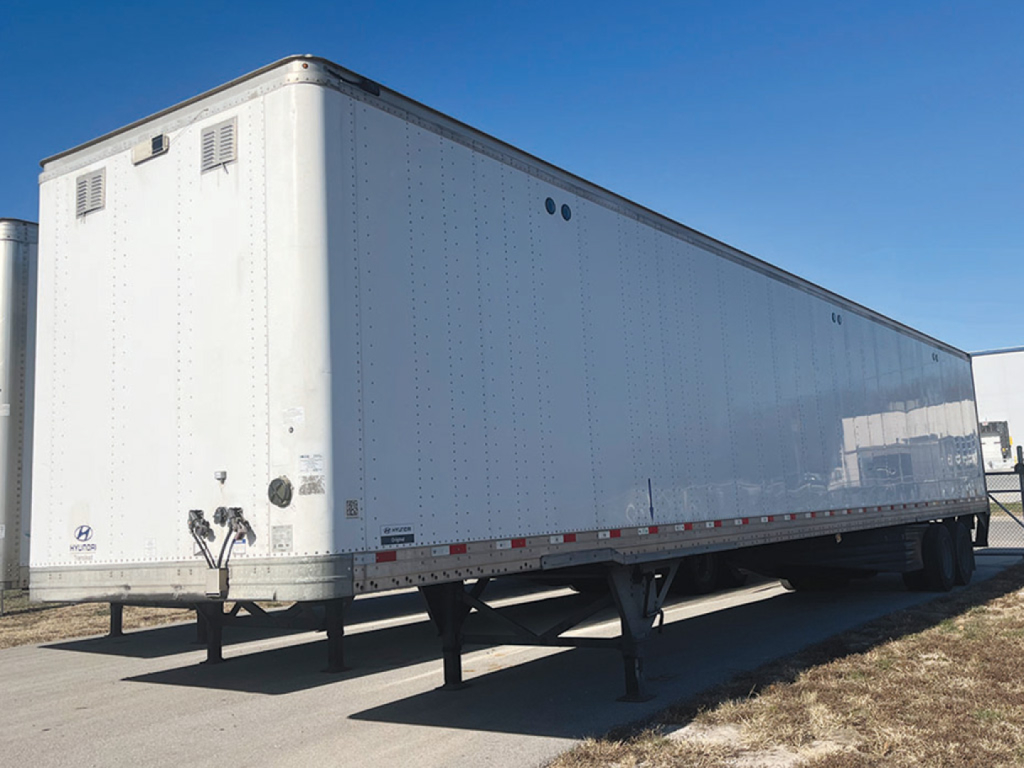
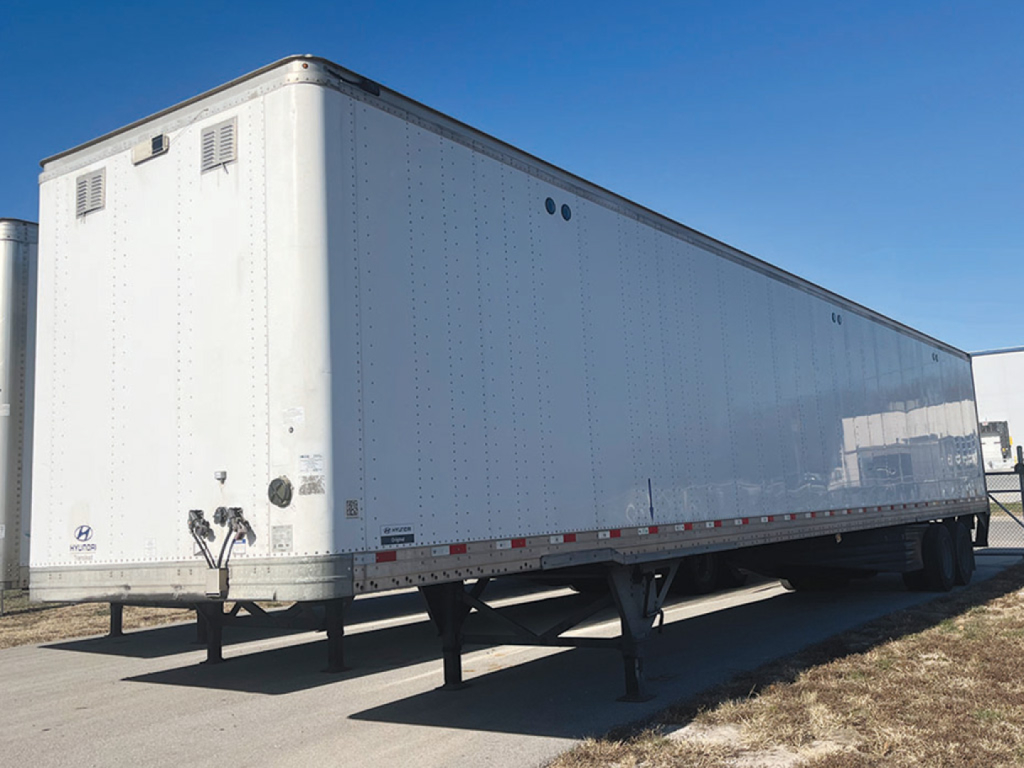
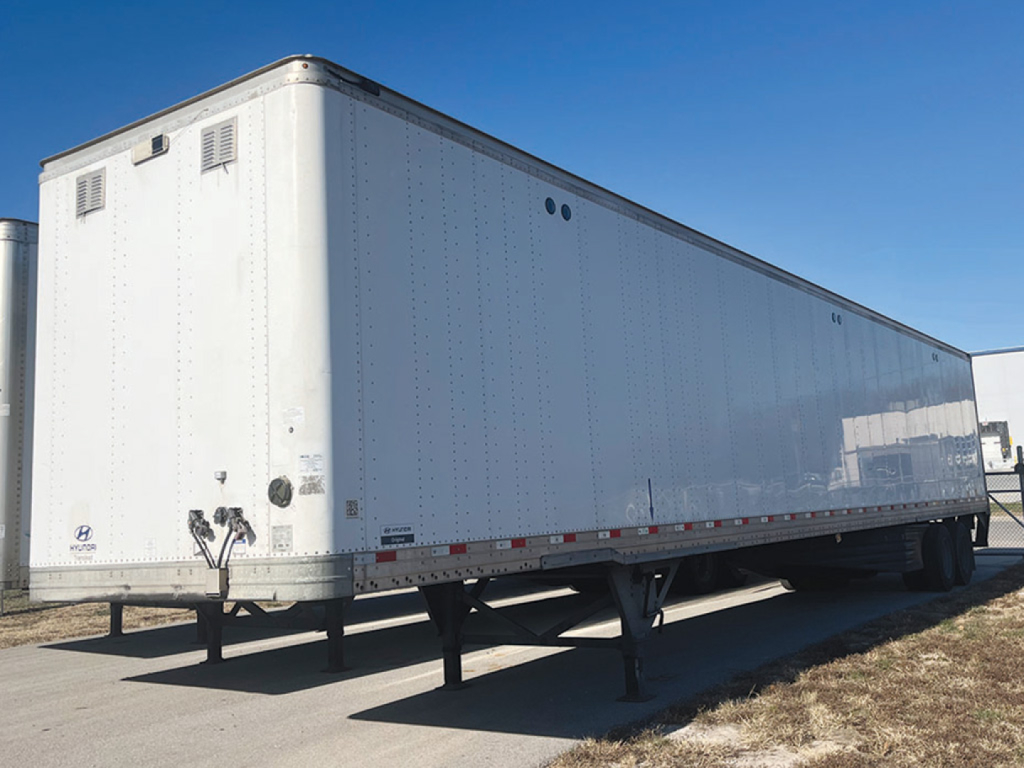
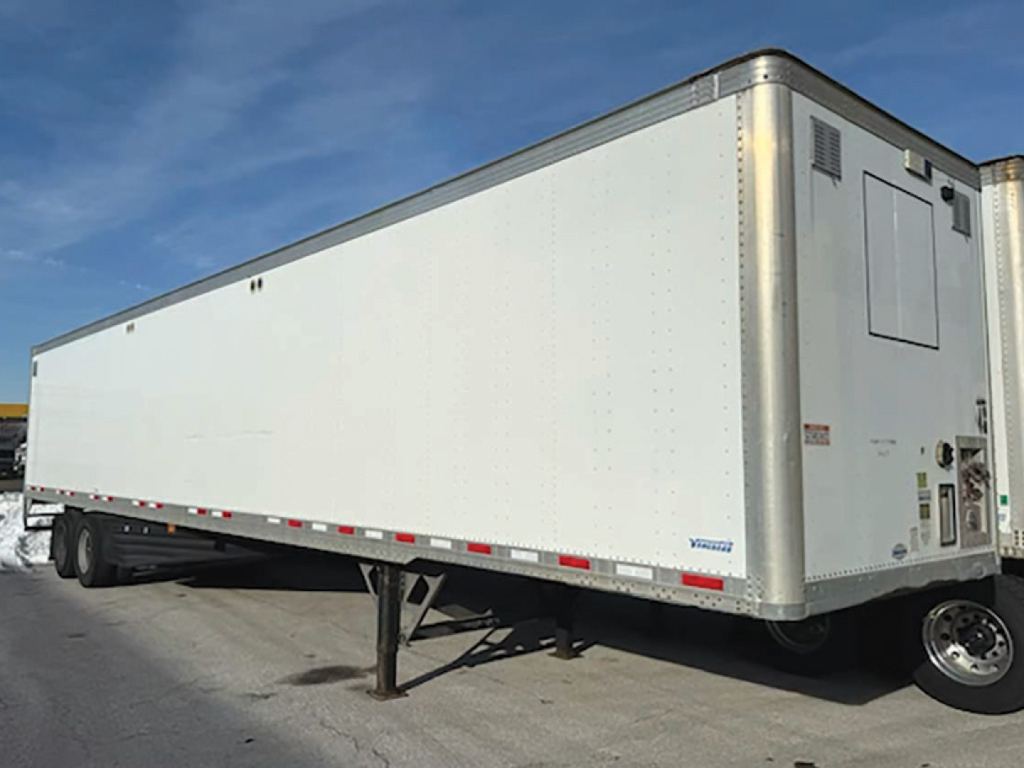
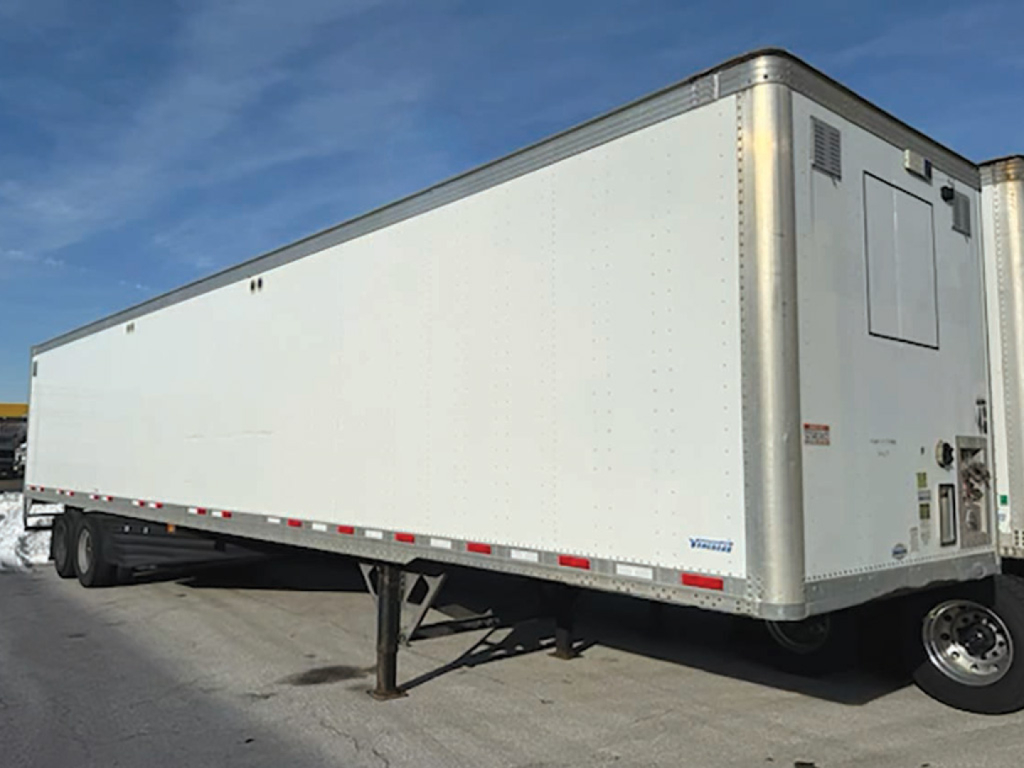
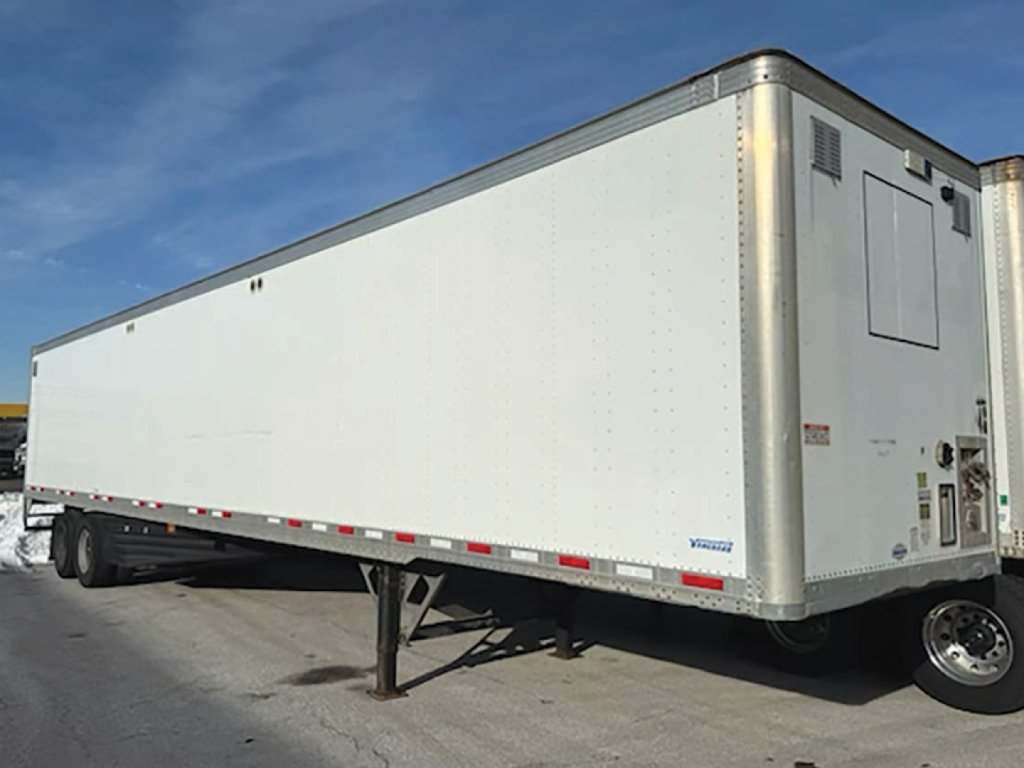
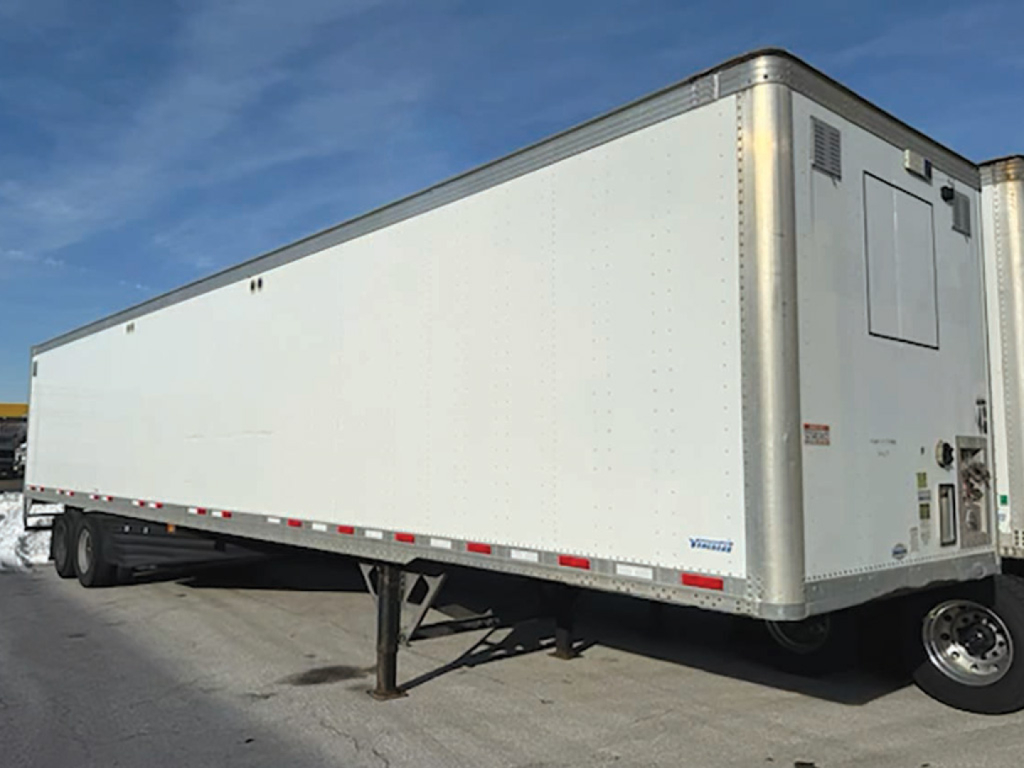
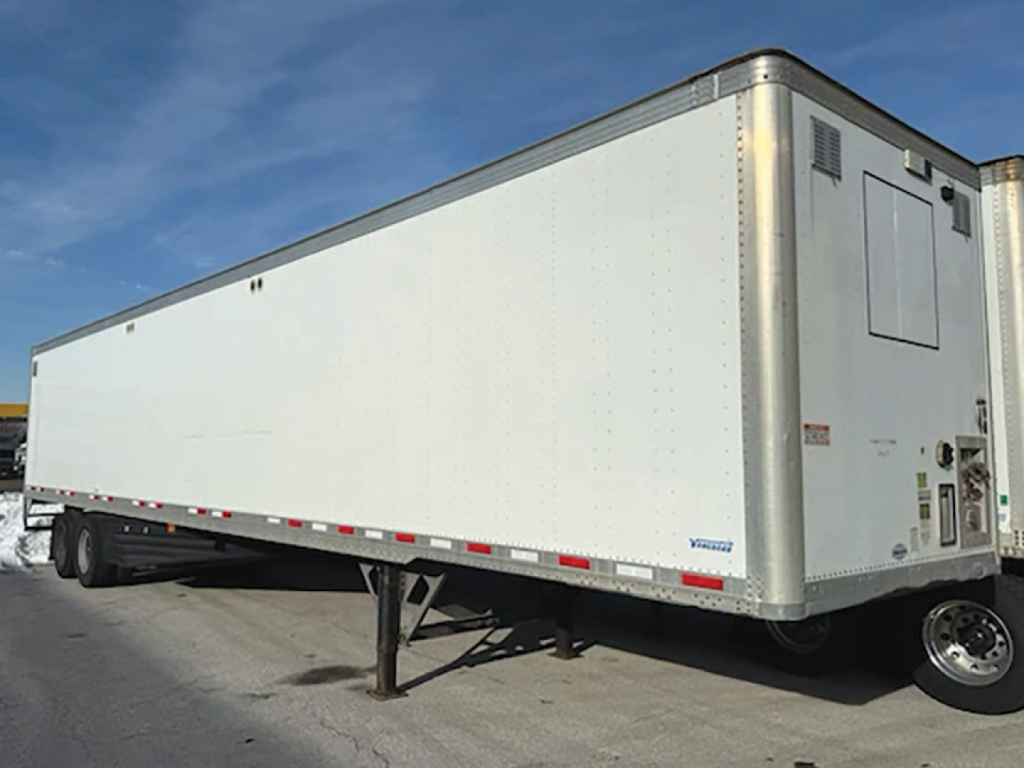
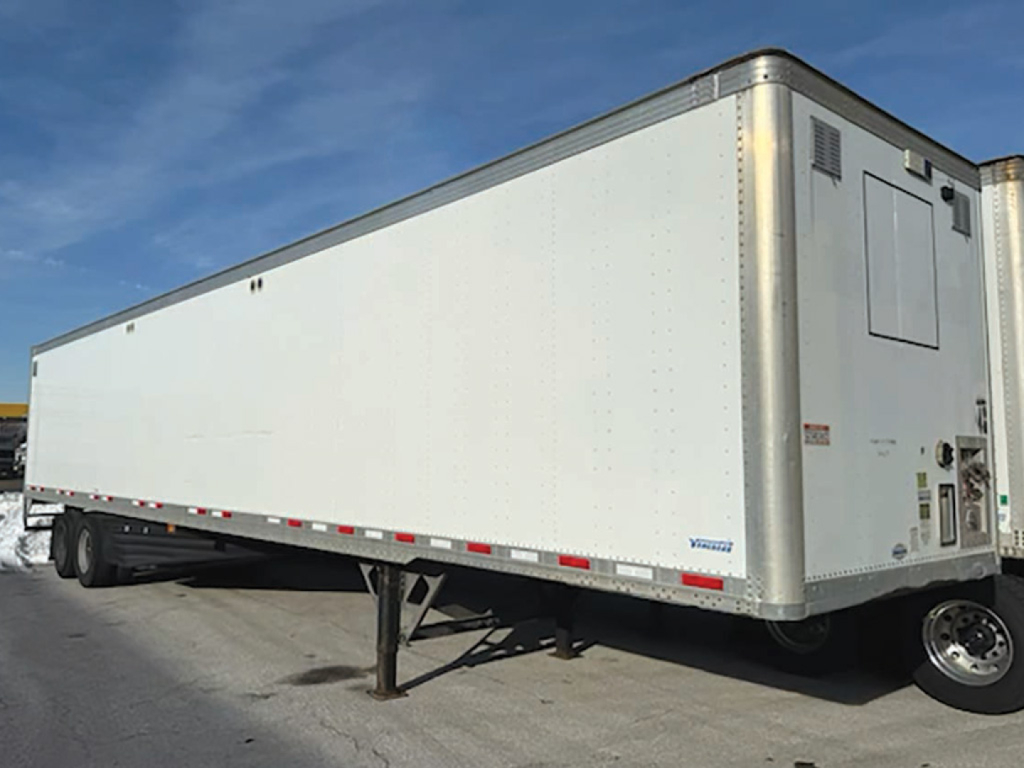
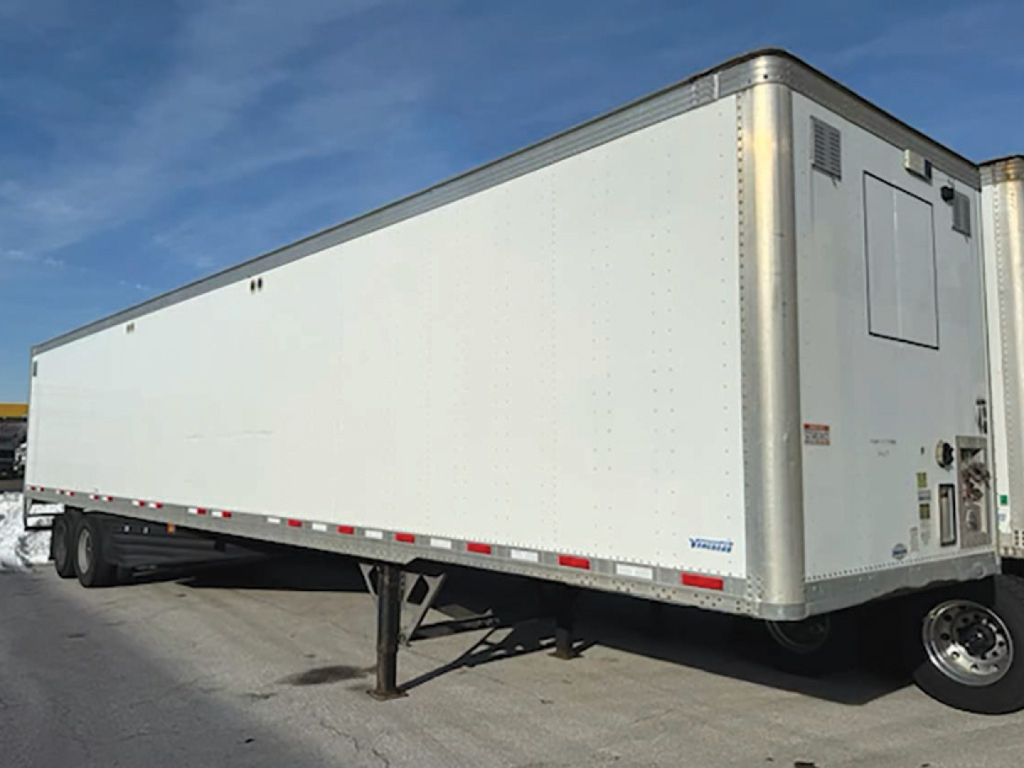
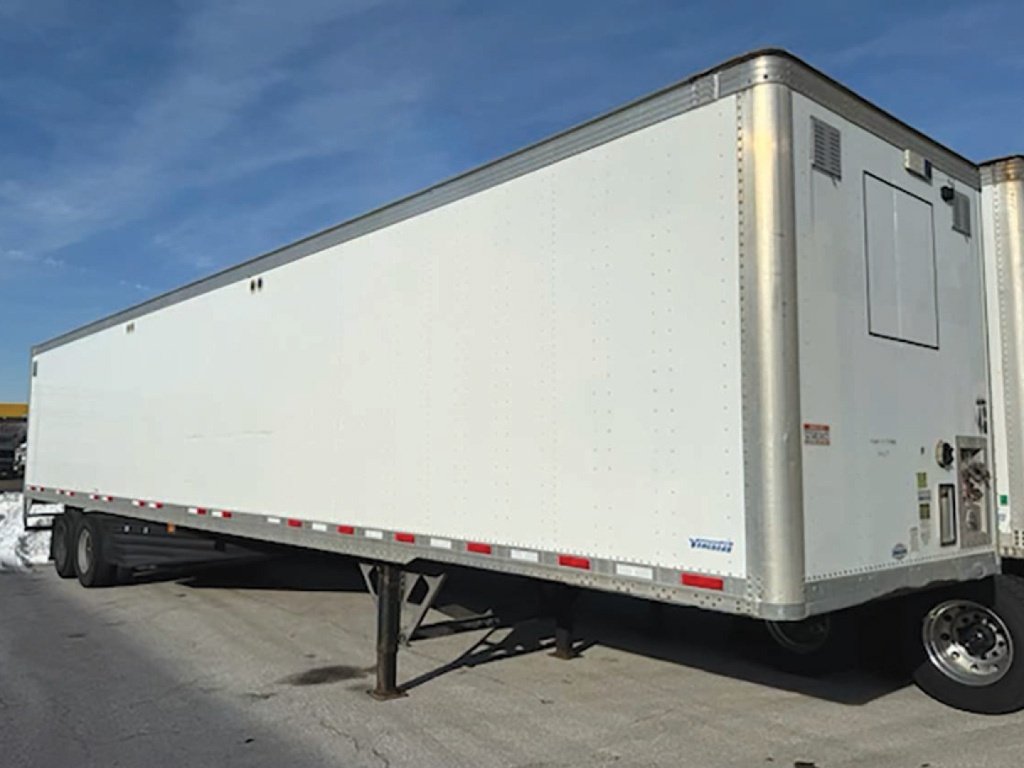
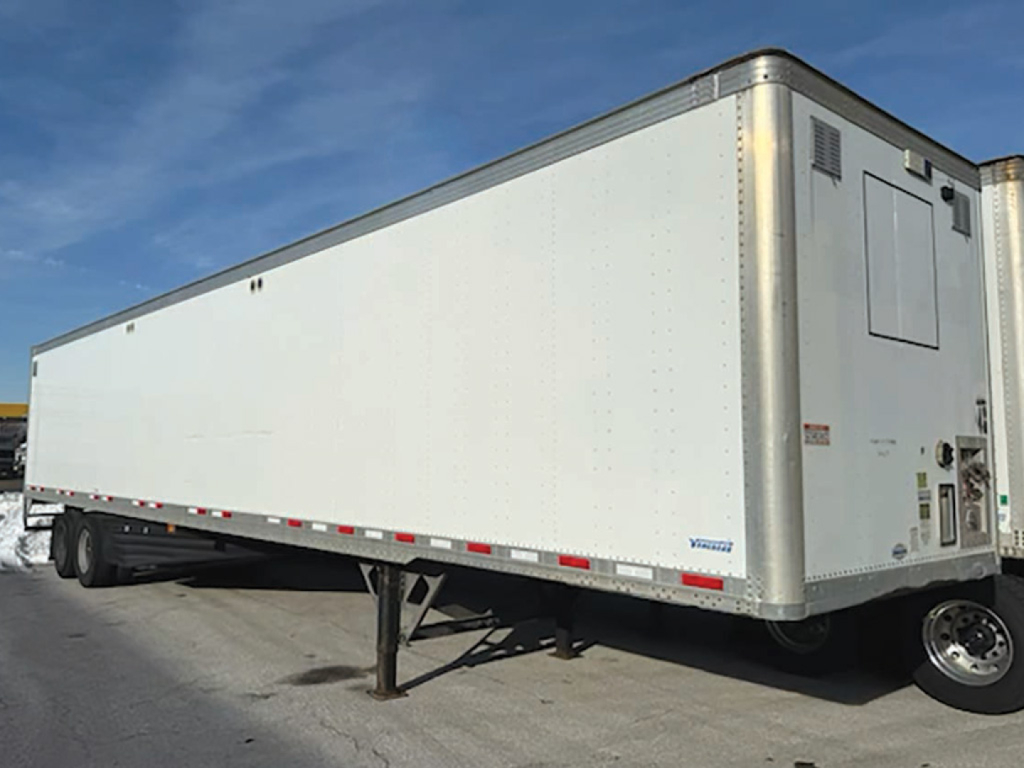
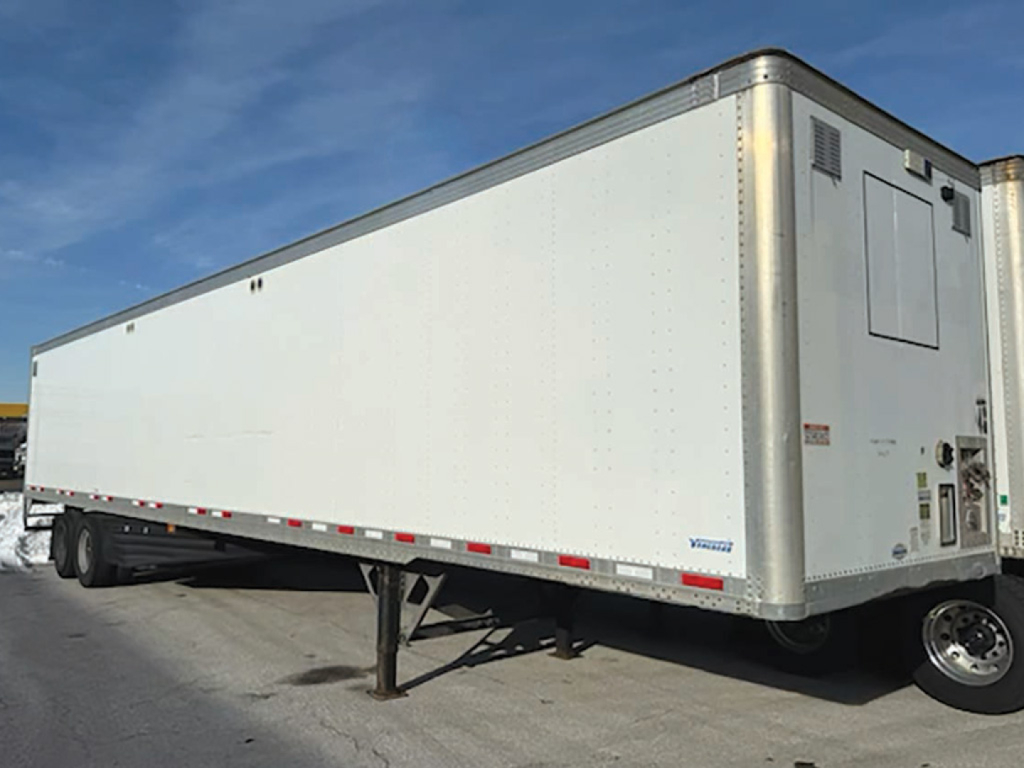
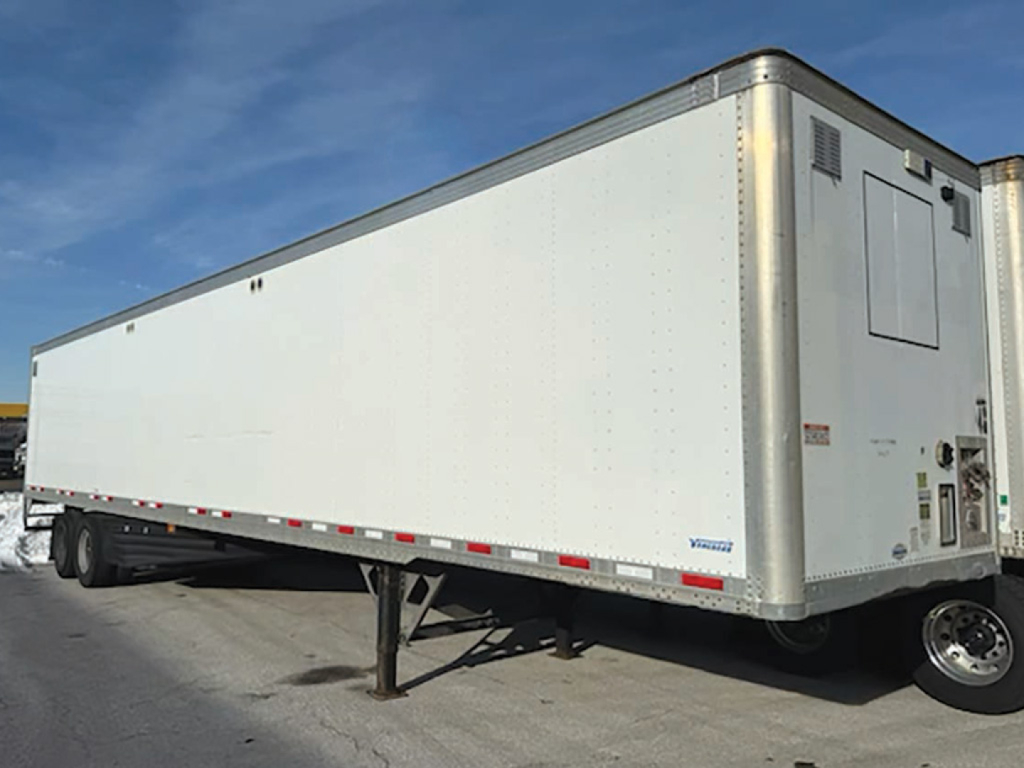
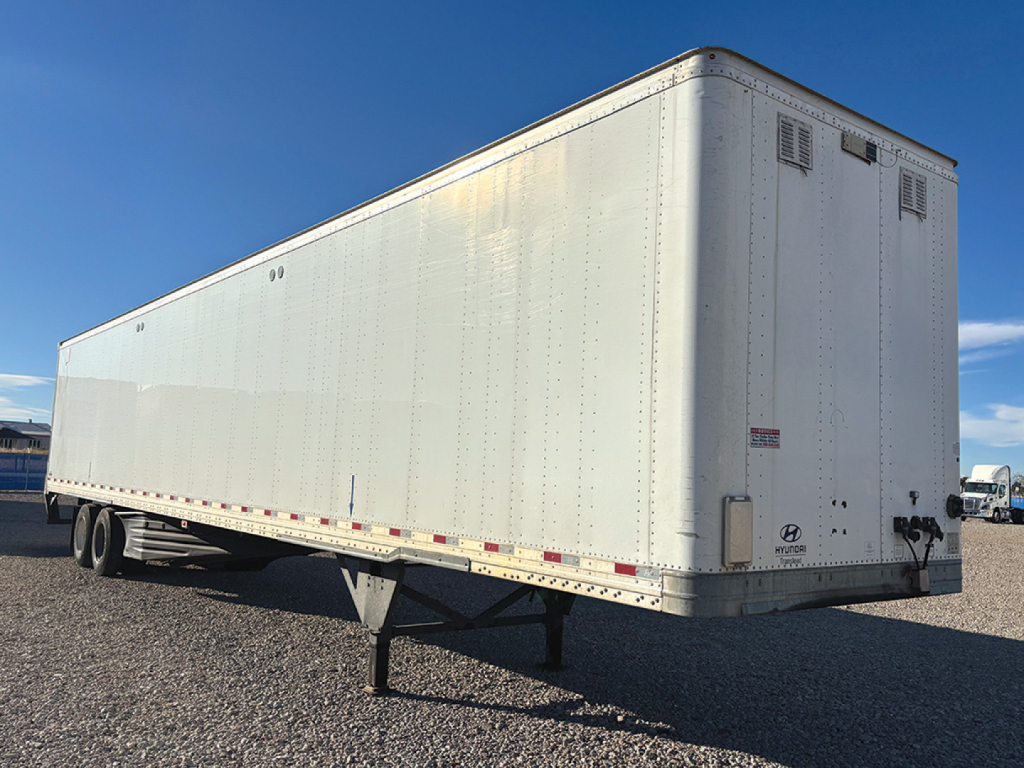
Showing 1 to 24 of 101 results
Have van trailer to sell? List it here to reach thousands of buyers.
Van Trailers in Texas
Interior setup matters as much as the shell. A wood floor is still common because it handles forklift traffic well and is easier to repair in sections. Plywood lining, scuff liners, threshold plates, and full-height logistics posts or E-track help protect the sidewalls and give the trailer more flexibility for load securement. Door style should match the freight and stop frequency. Swing doors are simple and durable, while roll-up doors are popular in tighter dock areas and multi-stop operations where door swing clearance is a concern. Front and rear vents can help reduce moisture buildup, which is especially relevant in Texas heat and humidity when hauling consumer goods, paper products, and other sensitive dry freight.
Running gear and trailer mobility are major buying points. Sliding tandems help with bridge law compliance and weight distribution, while air lift axles can be useful in operations that need flexibility between loaded and empty movements. Air ride suspension is preferred for ride quality and cargo protection, especially for higher-value freight. Many late-model van trailers also include tire inflation systems, disc wheels, low-profile 22.5 tires, side skirts, and undertray systems. Side skirts can improve fuel economy on long regional or over-the-road lanes, and undertray storage is useful for straps, load bars, and other securement gear.
For buyers in Texas, it is smart to look closely at roof condition, floor wear, crossmember integrity, door frame alignment, and evidence of repeated dock impact. Check for patched side panels, scuff damage from forklift loading, and any signs of water intrusion around the roof seams, front wall, and door seals. Trailer height is another practical detail. Many dry vans are 13 feet 6 inches overall height, though some are lower. If the trailer will stay in high-cube freight service, cube and interior clearance matter. If the goal is dense freight, tare weight and floor condition may matter more. The best van trailer is the one that matches your freight profile, loading method, route demands, and maintenance expectations.
Frequently Asked Questions about Van Trailers in Texas
What is the most common dry van trailer size in Texas?
The most common van trailer size is 53 feet long and 102 inches wide. That configuration dominates general freight, retail distribution, and contract freight because it offers strong cubic capacity, broad shipper acceptance, and compatibility with standard dock operations. Buyers should still confirm overall height, interior height, and tandem setup, since those details affect cube, bridge compliance, and route flexibility.
What is the difference between an aluminum van trailer and a plate van trailer?
An aluminum sheet-and-post van trailer is often chosen for lighter tare weight and traditional repairability, while a plate van uses laminated or composite wall construction for durability and stiffness. Plate vans are common in fleets that see frequent dock loading, heavy forklift use, and high sidewall contact. The better choice depends on payload targets, repair costs, and how rough the trailer's daily handling will be.
Should I choose swing doors or a roll-up door on a van trailer?
Swing doors are generally lighter, simpler, and easier to maintain over time. They also provide full rear opening clearance for loading. Roll-up doors are useful for urban delivery, tight docks, and applications where door swing space is limited, but they add mechanical complexity and can reduce rear opening height slightly. The right choice depends on stop frequency, dock layout, and the type of freight being loaded.
What interior features are most important on a used van trailer?
The most important interior features are floor condition, wall lining, scuff protection, and load securement options. A solid wood floor is critical if the trailer will see repeated forklift traffic. Logistics posts or E-track add flexibility for securing mixed freight. Plywood lining and scuff plates help protect the walls from pallet and forklift damage, which can extend trailer life and reduce future repair costs.
What should I inspect first on a used dry van trailer?
Start with the roof, floor, suspension, brakes, and rear door area. Water intrusion, soft or damaged floor sections, bent rear frames, and misaligned doors are common red flags. Then inspect crossmembers, sidewalls, tire wear, wheel ends, and tandem slide operation. A dry van may look clean outside and still have expensive structural or cargo-area issues, so condition below the floor and around high-impact loading points matters just as much as appearance.