
Great Dane Van Trailers For Sale in Texas
Shop Great Dane van trailers for sale in Texas. Compare 53x102 dry van specs, door types, suspension, liner options, and fleet-ready features.
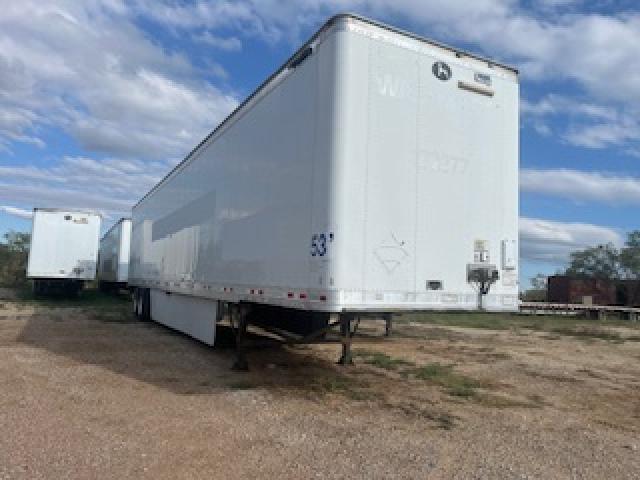

Have great dane van trailer to sell? List it here to reach thousands of buyers.
Great Dane Van Trailers in Texas
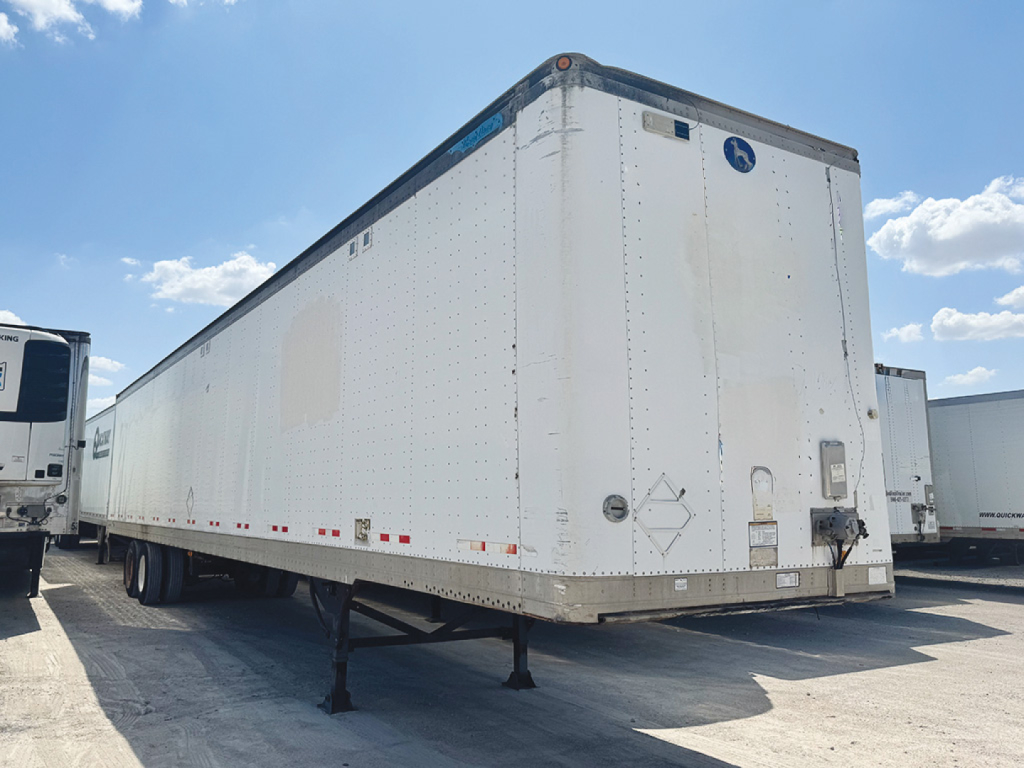
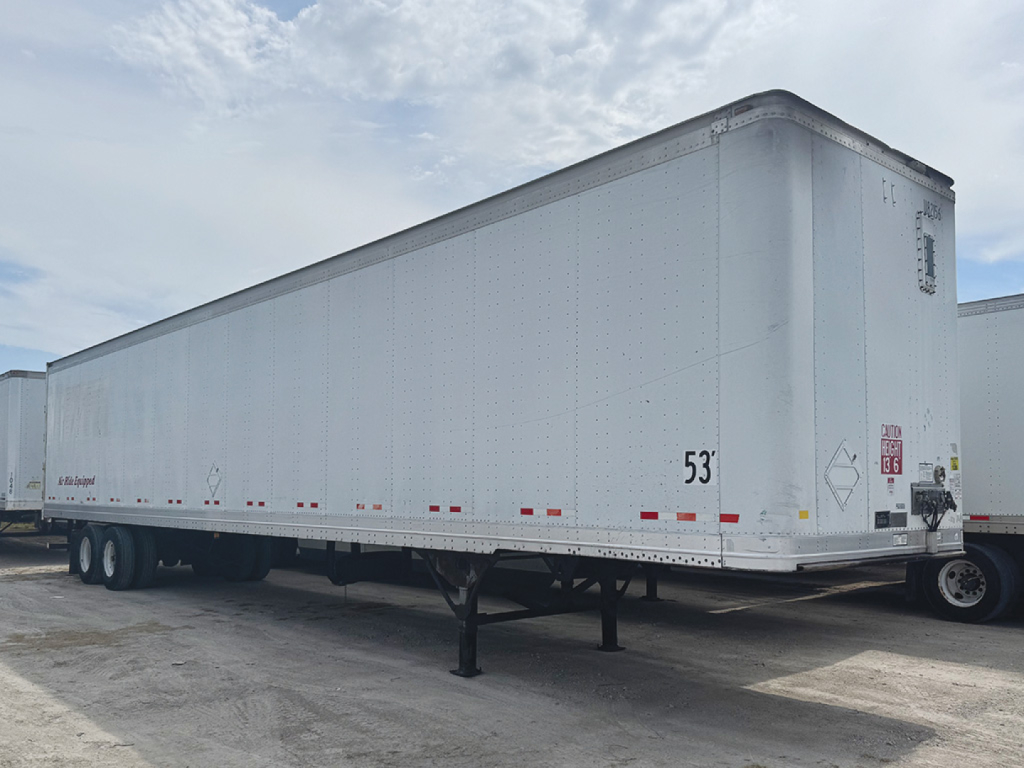
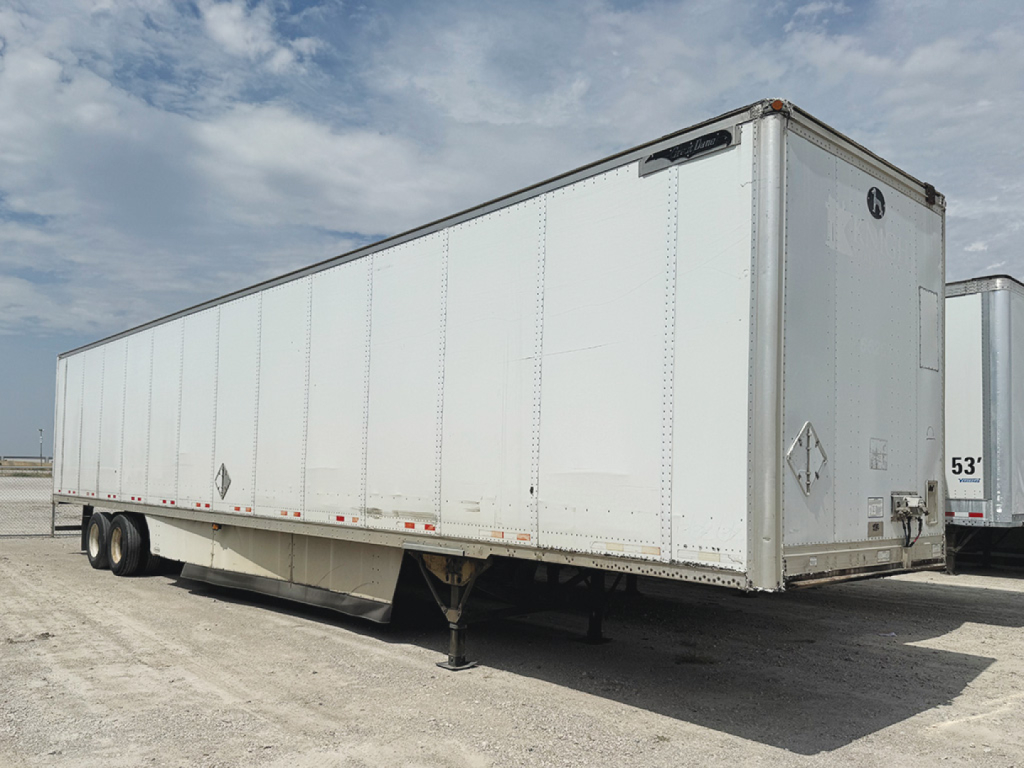
A typical Great Dane dry van in this category will be a tandem axle 53-foot trailer with a 102-inch width, swing doors or a roll-up door, and either spring ride or air ride suspension. Spring ride can be a practical fit for cost-conscious buyers and general freight service, while air ride is often preferred for more fragile cargo and dock-sensitive lanes. Useful spec details include trailer tare weight, rear frame material, crossmember spacing, floor thickness, logistics post layout, and brake configuration. Many buyers also look for LED lighting, aluminum roof construction, scuff liners, nose construction, and the condition of the rear header and door frame, since these areas take repeated abuse in dock operations.
Great Dane vans are also known for practical body design and broad serviceability. Logistics posts are important if the trailer will be used with load bars, straps, or decking systems. Door choice matters more than some buyers expect. Swing doors are usually lighter and simpler to maintain, while roll-up doors can be useful in tight docks or urban delivery settings where full door swing is a problem. In Texas heat, roof condition, seal integrity, and sidewall straightness deserve close attention because prolonged sun exposure can accelerate wear on sealants, liners, and exterior panels. Tire condition, wheel-end service history, brake life, and evidence of prior floor repair are just as important as the brand badge on the nose.
For buyers comparing Great Dane van trailers against other dry van makes, the best approach is to match the trailer to the freight and loading environment rather than shop on age alone. A well-maintained older van with a solid floor, straight rails, clean rear frame, and documented maintenance can outperform a newer trailer with hidden structural or cargo-area issues. If the trailer will stay on highway lanes, prioritize chassis condition, suspension, and brake health. If it will cycle through heavy dock freight, pay extra attention to door hardware, thresholds, logistics track, interior wall damage, and signs of forklift impact. Those details usually determine how well a dry van holds up in daily service.
Frequently Asked Questions about Great Dane Van Trailers in Texas
What should I look for when buying a used Great Dane van trailer?
Start with the cargo box and understructure before focusing on paint or age. Check the floor for soft spots, patches, excessive gouging, and loose fasteners. Inspect the roof bows, sidewalls, front wall, rear frame, and door frame for collision damage or distortion. Review suspension type, brake condition, tire wear, wheel-end maintenance, and any signs of frame corrosion or cracked crossmembers. On a Great Dane dry van, the best value usually comes from a trailer with a sound structure and a clean maintenance history, even if it has higher mileage or more years in service.
Are Great Dane 53x102 dry vans a good fit for general freight in Texas?
Yes. The 53x102 dry van is the standard configuration for a wide range of freight lanes in Texas, including retail, packaged freight, warehouse distribution, and longer interstate routes. Great Dane trailers are widely used in fleet service, which means many shops are familiar with them and replacement parts are generally easy to source. That makes them a practical option for carriers that need a conventional dry van with predictable serviceability and broad freight compatibility.
Is spring ride or air ride better on a Great Dane van trailer?
It depends on the freight and the operating profile. Spring ride is typically less expensive and simple to maintain, which appeals to buyers hauling durable general freight. Air ride usually provides better protection for fragile or high-value cargo and can improve ride quality over rough pavement. If the trailer will haul electronics, consumer goods, or palletized freight that is sensitive to shock, air ride is often worth the premium. If the work is basic dry freight and purchase price is a priority, spring ride can still be a solid choice.
What is the difference between swing doors and roll-up doors on a dry van trailer?
Swing doors are common on over-the-road dry vans because they are typically lighter, seal well, and are straightforward to repair. Roll-up doors can be useful when the trailer is backed into tight dock spaces or used in delivery environments where door swing clearance is limited. The tradeoff is that roll-up doors add moving parts and can reduce a small amount of usable interior clearance near the rear opening. The better choice depends on the loading environment, dock layout, and how often the trailer is opened each day.
How important are logistics posts and interior liner condition on a van trailer?
They matter quite a bit if the trailer will handle mixed freight or frequent load securement changes. Logistics posts support load bars, straps, and decking systems, which gives dispatch more flexibility across different shipments. Interior liner condition also affects day-to-day use because damaged liners can snag freight, expose wall structure, and point to repeated forklift or cargo impact. A clean, straight interior with usable logistics posts is a strong indicator that the trailer has been set up for practical freight handling rather than just basic storage use.