
New Van Trailers For Sale in South Dakota
Browse new van trailers for sale in South Dakota, including dry van specs, suspension, wheel options, axle settings, and fleet-ready features.
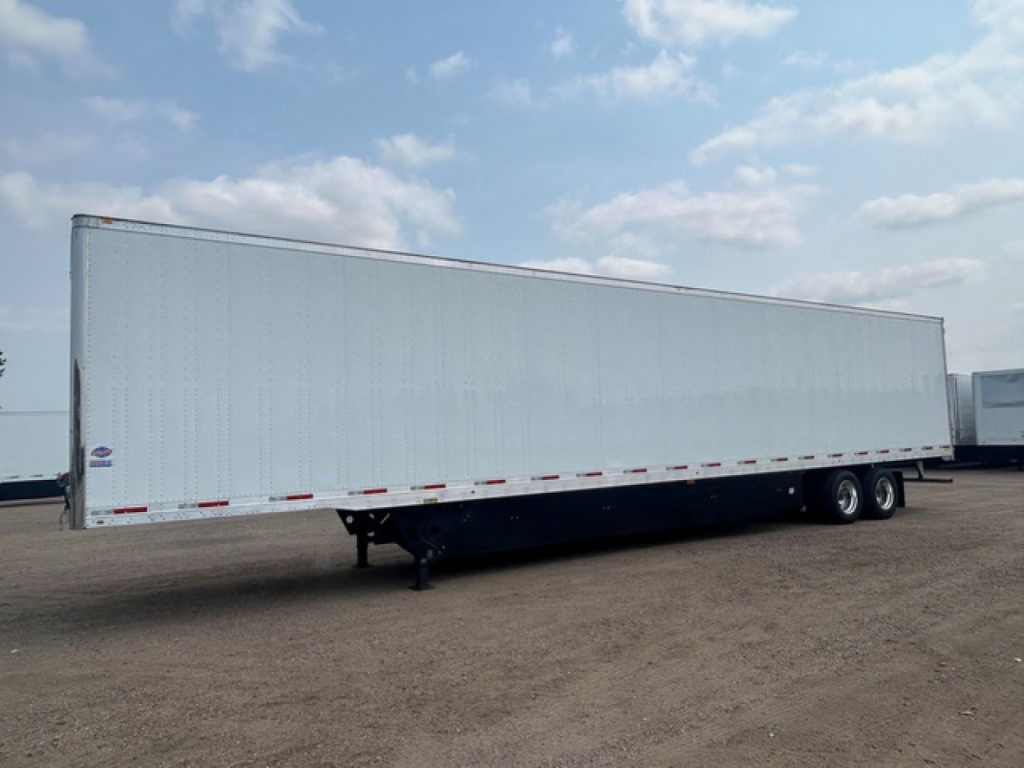

Showing 1 to 24 of 35 results
Have new van trailer to sell? List it here to reach thousands of buyers.
New Van Trailers in South Dakota
Spec choices matter more on a van trailer than they appear at first glance. Air ride suspension is common on fleet-oriented dry vans because it helps protect freight, improves ride quality, and is widely accepted in higher-service applications. Sliding tandem axle spacing gives more room to manage bridge laws and loading position, which is especially useful for multi-state freight. Buyers also compare aluminum versus steel wheels, 22.5-inch tire packages, roof type, floor rating, and rear frame design. If the trailer will see regular dock work, look closely at scuff liners, logistics posts, rear impact protection, and door hardware. Swing doors remain common for maximum opening and dock compatibility, while roll-up doors can make sense in some route-delivery operations.
In South Dakota, a dry van often needs to handle a mix of interstate linehaul, agricultural support freight, food products, consumer goods, and regional warehouse traffic. Winter conditions make trailer sealing, door fitment, lighting reliability, and corrosion resistance more important over the long term. Buyers running I-90 or cross-border Midwest lanes usually pay close attention to tare weight, brake specification, tire brand and tread program, and the serviceability of suspension and axle components. New trailers also appeal to fleets standardizing maintenance intervals, telematics integration, tire inflation systems, and warranty coverage across a larger group of units.
A good new van trailer is not just a box with doors. It is a freight tool matched to commodity type, loading method, and operating radius. The right build can improve cube utilization, reduce cargo claims, and lower total cost per mile over several years of service. Buyers comparing listings should focus on the specs that directly affect uptime and freight compatibility: dimensions, floor capacity, suspension, axle slider setup, wheel and tire package, lining and securement options, and the manufacturer’s support network for parts and warranty work.
Frequently Asked Questions about New Van Trailers in South Dakota
What is the difference between a van trailer and a dry van trailer?
In most trucking markets, van trailer and dry van trailer mean the same thing. Both terms describe an enclosed semi-trailer built to protect freight from weather, road debris, and theft. The category usually excludes refrigerated trailers, which add insulated walls and a refrigeration unit, even though they have a similar enclosed body style.
Why do many new van trailers use sliding tandem axles?
Sliding tandems give the operator flexibility to adjust axle position for bridge-law compliance, kingpin-to-rear-axle measurements, and load distribution. That matters when freight weights vary or the trailer runs across multiple states with different enforcement patterns. A sliding tandem setup can also help balance tractor drive axle weight and trailer axle weight more effectively at the scale.
Are aluminum wheels better than steel wheels on a new van trailer?
Aluminum wheels reduce weight and can improve appearance, which helps buyers focused on tare weight and fleet image. Steel wheels usually cost less up front and remain a practical choice for operations prioritizing acquisition cost over weight savings. The better option depends on how sensitive the operation is to payload, corrosion exposure, and long-term maintenance planning.
Is air ride suspension worth it on a dry van trailer?
Air ride suspension is widely considered a strong choice for general freight because it helps reduce vibration and shock transferred to the cargo. That can lower damage risk on packaged goods, consumer products, and other sensitive freight. It also tends to be preferred by fleets and shippers looking for a smoother ride and more consistent trailer behavior over varying road surfaces.
What should buyers inspect first on a new van trailer specification sheet?
Start with the dimensions, gross vehicle weight rating, floor rating, suspension type, axle setup, and wheel and tire package. Then review roof construction, sidewall lining, scuff protection, door style, and any cargo-control features such as logistics posts or track. Those items determine what the trailer can legally carry, how efficiently it loads, and how well it will hold up in day-to-day freight service.