
Van Trailers For Sale in Mississippi
Browse van trailers for sale in Mississippi, including 48 ft and 53 ft dry vans with logistics posts, air ride, swing or roll-up doors.
Learn moreBrowse Van Trailers by Make

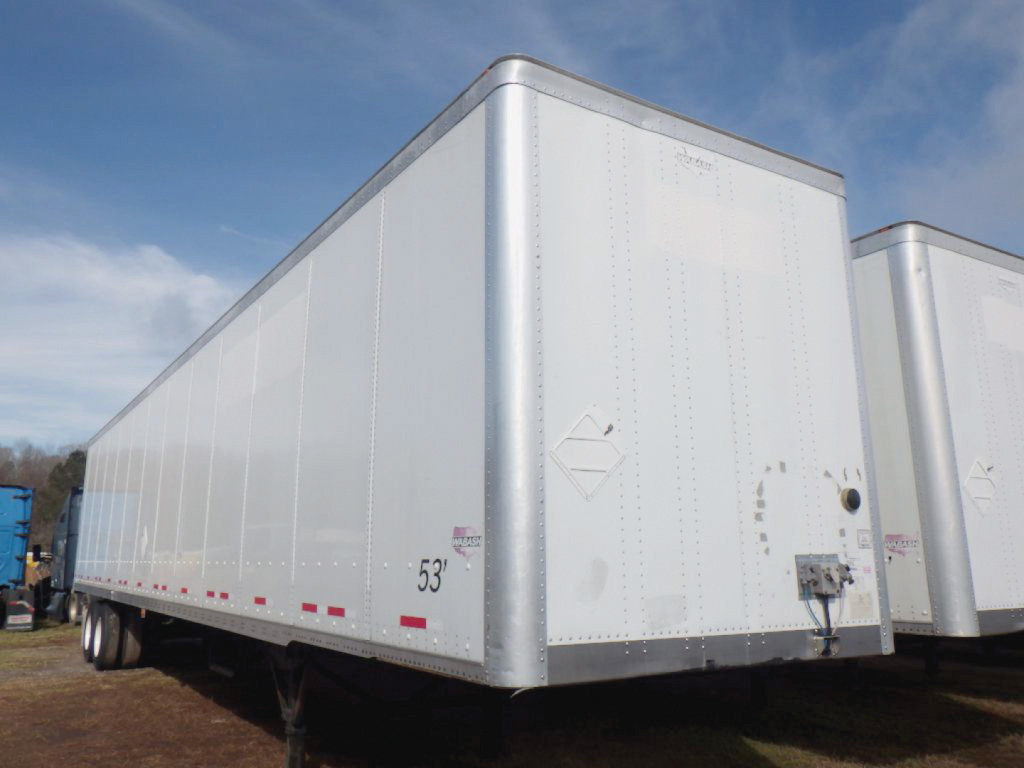
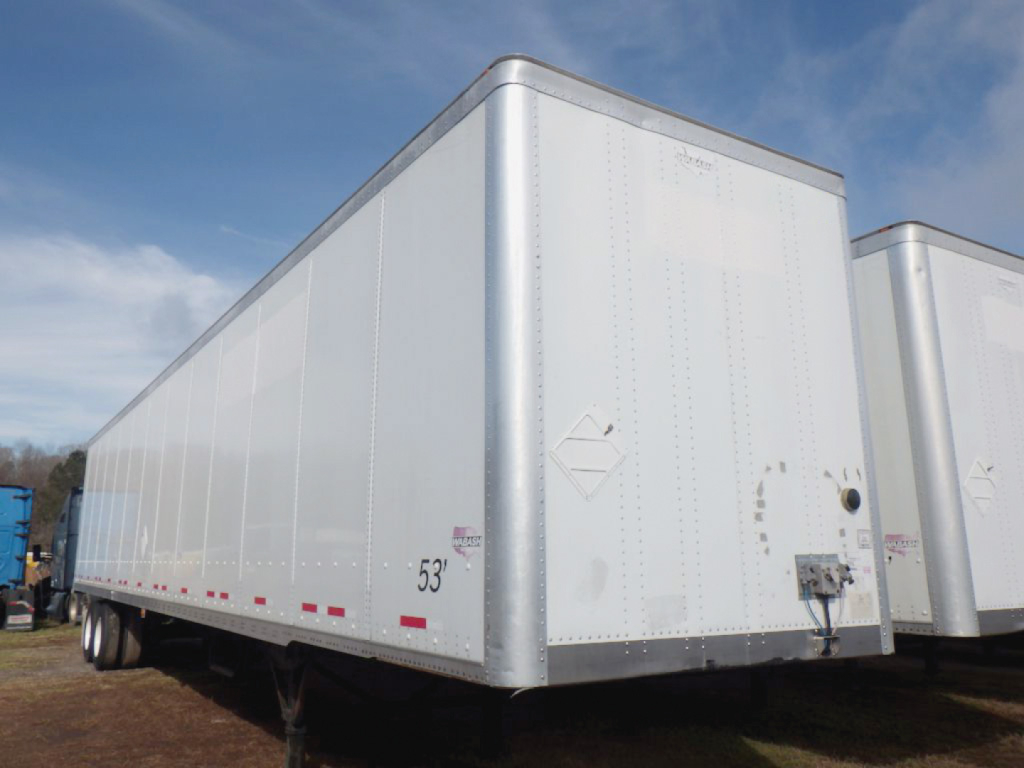
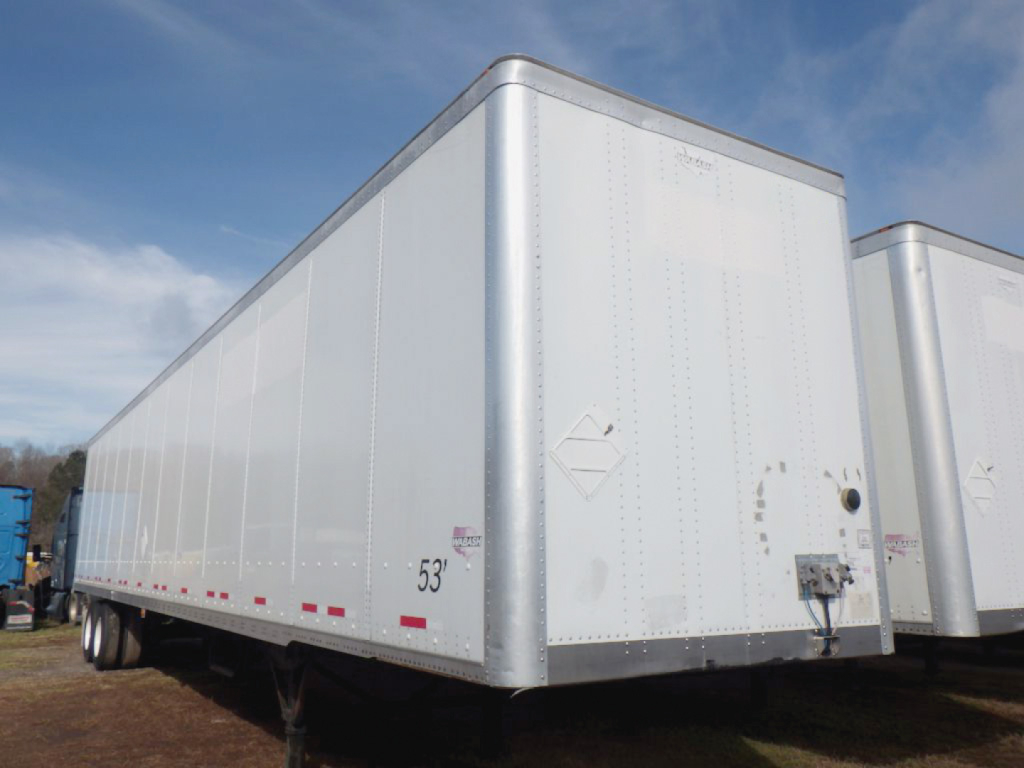
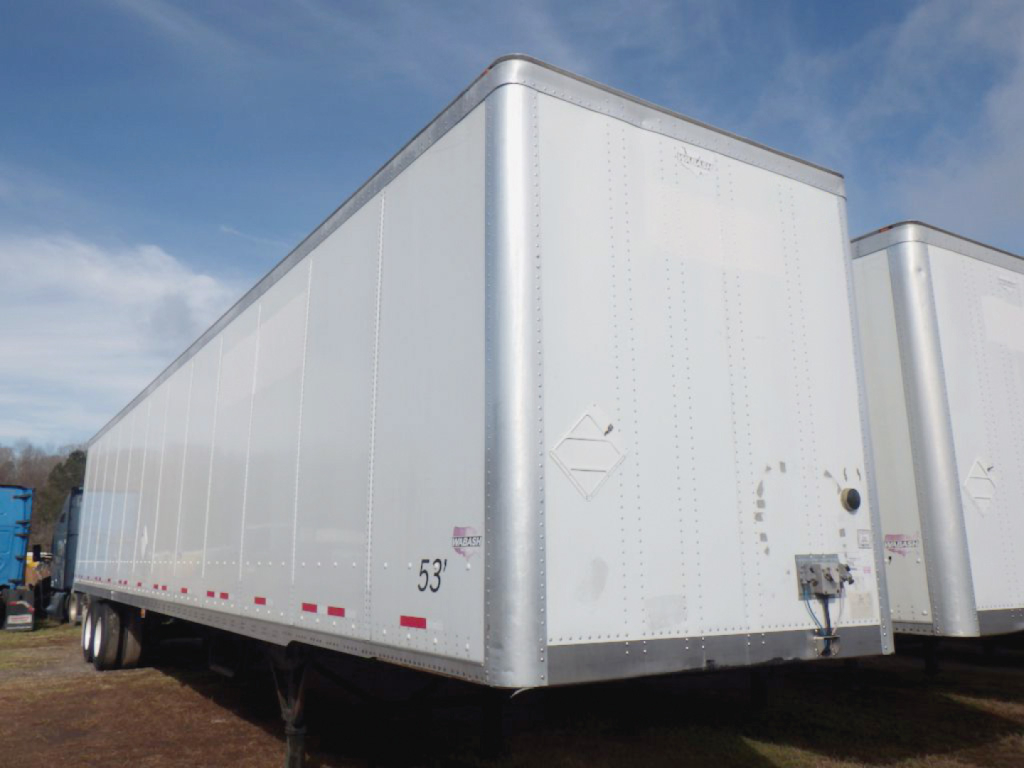
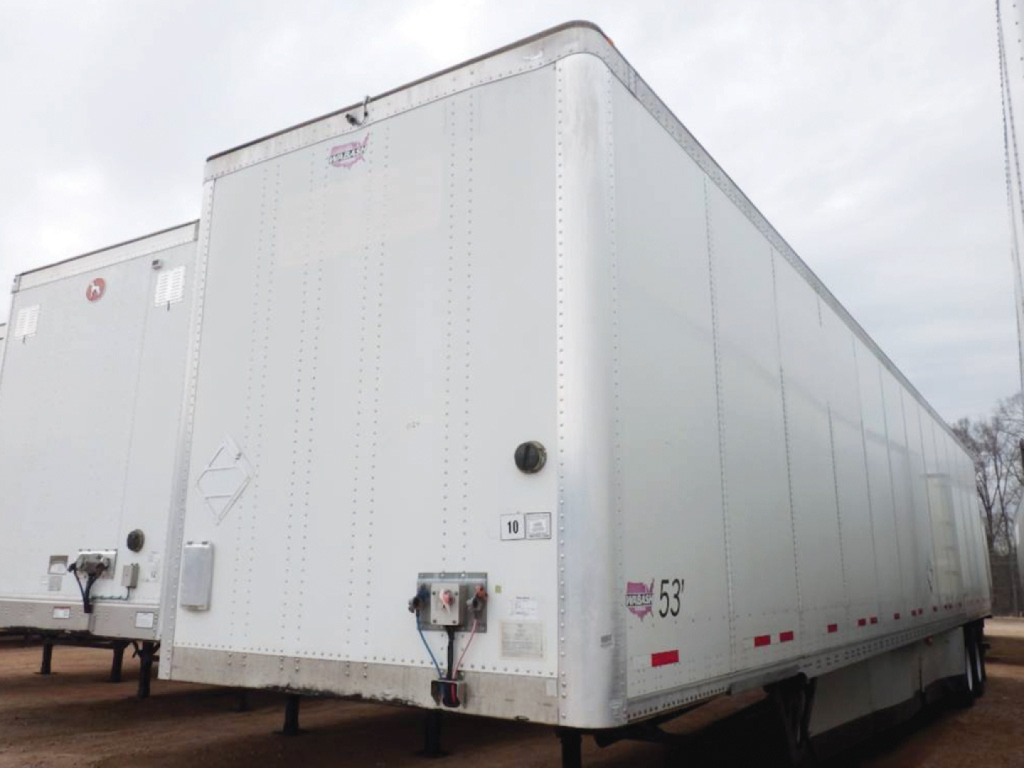
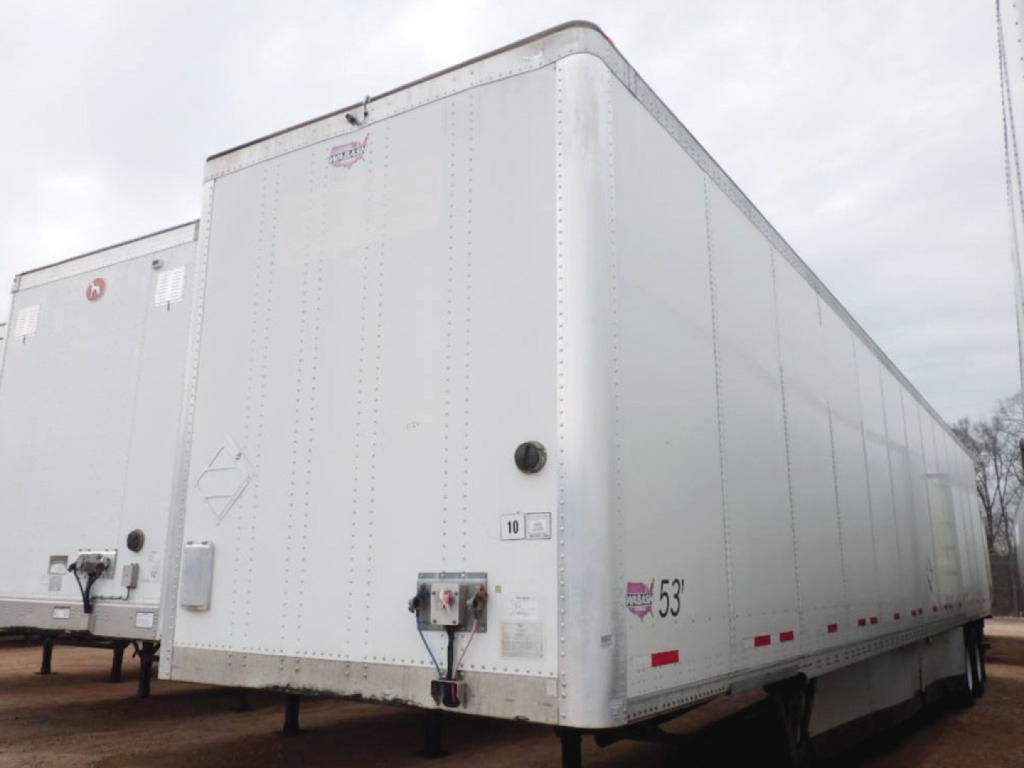
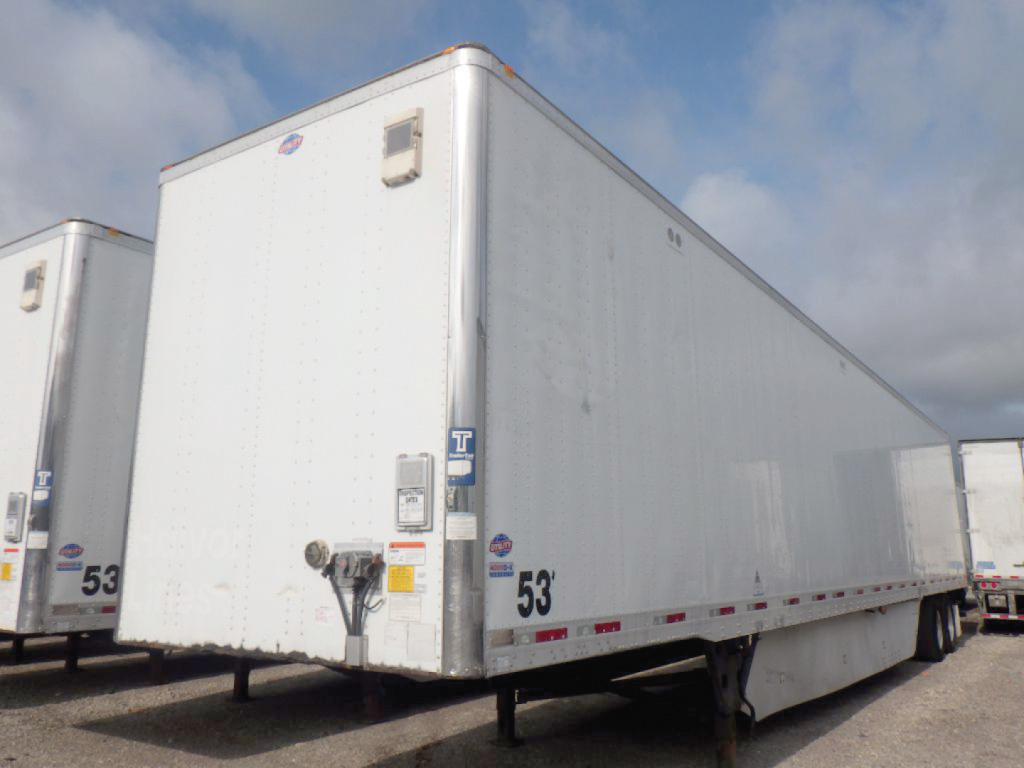
Showing 25 to 36 of 49 results
Have van trailer to sell? List it here to reach thousands of buyers.
About Van Trailers in Mississippi
The most common dry van on the road is a 53 ft x 102 in trailer, but 48 ft models still make sense for certain regional fleets, private carriers, and shippers with tighter operating profiles. Inside height matters more than many first-time buyers expect. A 100-inch inside height can be enough for standard palletized freight, while taller 13 ft 6 in outside height configurations are common when maximizing cube is important. Buyers should also compare body construction carefully. Aluminum vans help keep tare weight down, while composite and plate-style designs such as DuraPlate are popular for durability in high-cycle freight. Plywood or aluminum lining, scuff plates, threshold plates, and wood floors are all common features because they protect the trailer from forklift damage and repeated dock use.
Cargo control setup is another major decision point. Logistics posts, E-track, and full plywood lining make a dry van much more flexible for mixed freight, load bars, and partial shipments. Door configuration should match the operation. Swing doors are common in full truckload and dock freight because they are simple and durable, while roll-up doors can be useful in route delivery or urban applications where dock clearance is tighter. Suspension and axle layout also affect performance and resale. Air ride is generally preferred for ride quality and freight protection, while spring ride can still be a practical lower-cost option. Sliding tandems remain the standard for bridge law compliance and weight distribution, and spread axle configurations can improve stability but may reduce maneuverability in tight yards.
For Mississippi buyers, condition and maintenance details often matter as much as brand. Floor wear, roof integrity, sidewall damage, rear frame condition, suspension service history, tire condition, and the operation of tandem slides should all be checked before purchase. Tire inflation systems, side skirts, air lift axles, low-profile 22.5 tires, and super singles can all influence operating cost and maintenance planning. Strong van trailer brands typically include Utility, Wabash, Great Dane, Hyundai Translead, Vanguard, and similar fleet-proven names, but the right trailer is the one that matches freight type, dock environment, and expected annual miles. A dry van that is correctly spec'd for cube, payload, and loading style will usually outperform a cheaper trailer that creates daily compromises.
Frequently Asked Questions
What is the difference between a van trailer and a reefer trailer?
A van trailer is an enclosed dry freight trailer with no refrigeration unit, while a reefer trailer is insulated and equipped with a temperature-control system. Dry vans are typically lighter, less expensive to maintain, and better suited for general non-perishable freight such as packaged goods, paper products, and palletized retail freight. If the freight does not require temperature management, a van trailer is usually the more efficient specification.
Should I choose swing doors or a roll-up door on a dry van trailer?
Swing doors are the most common choice for full truckload freight and repeated dock loading because they provide a full rear opening and have fewer moving parts. Roll-up doors can be useful for city delivery, route work, or operations where rear clearance is limited, but they can reduce usable rear opening height and add maintenance over time. The right choice depends on how often the trailer backs to a dock, the type of freight handled, and the space available at delivery points.
Is air ride better than spring ride on a van trailer?
Air ride is generally preferred for dry van applications because it provides a smoother ride, better cargo protection, and broader market acceptance at resale. Spring ride can be simpler and less expensive up front, but it is usually less forgiving on sensitive freight and rough roads. For fleets hauling mixed palletized freight, consumer goods, or higher-value cargo, air ride is often the stronger long-term choice.
What should I inspect first on a used van trailer?
Start with the floor, roof, sidewalls, rear frame, doors, and tandem slider because those areas reveal how the trailer has been worked and maintained. Look for forklift damage, soft spots in the floor, water intrusion, cracked crossmembers, rear impact repairs, and excessive wear around the threshold plate and door hardware. Buyers should also inspect tires, brakes, suspension components, wheel ends, and any tire inflation system to understand immediate maintenance needs.
Are 48 ft and 53 ft van trailers used for different jobs?
Yes. A 53 ft dry van is the standard for maximizing cubic capacity in truckload freight and large distribution networks, while a 48 ft van can still be a strong fit for regional operations, private fleets, and applications where weight, yard space, or customer facility constraints matter more than maximum cube. The best length depends on freight density, route structure, dock access, and the equipment standards used by your customers and dispatch network.