
Vanguard Van Trailers For Sale in Mississippi
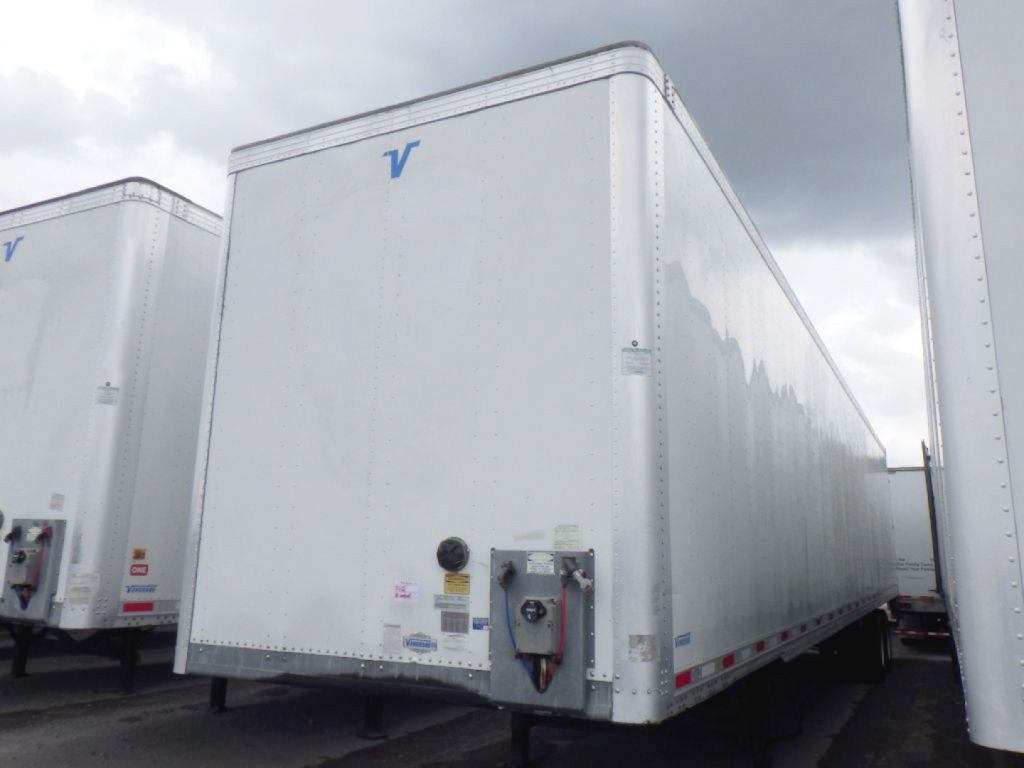
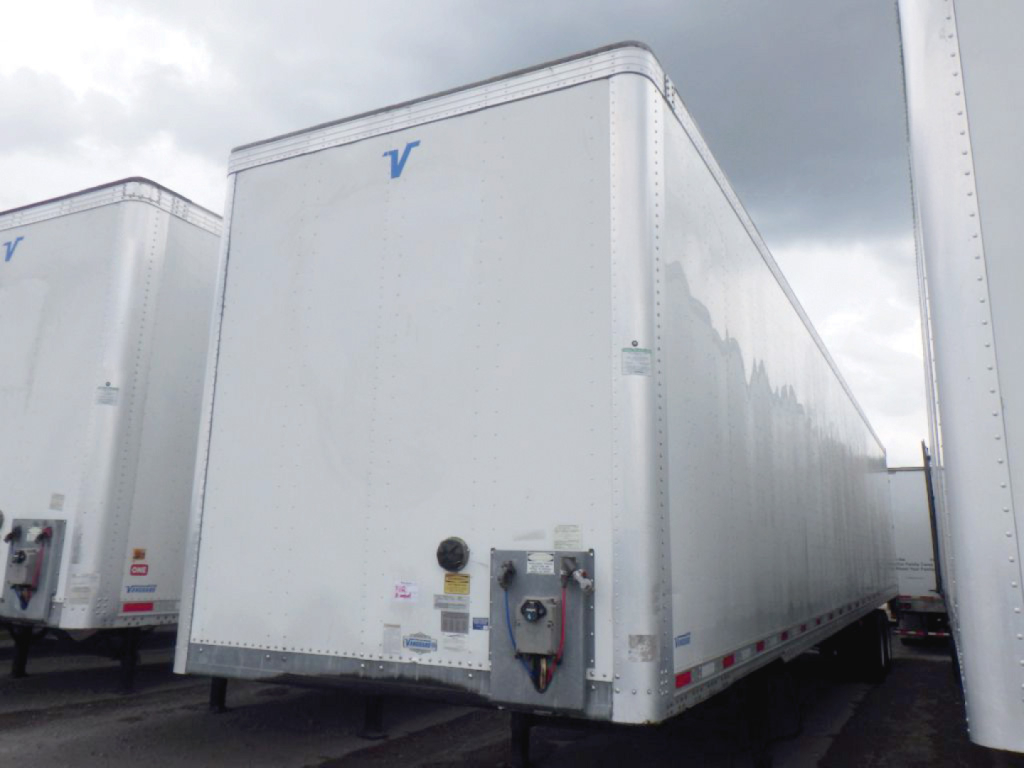
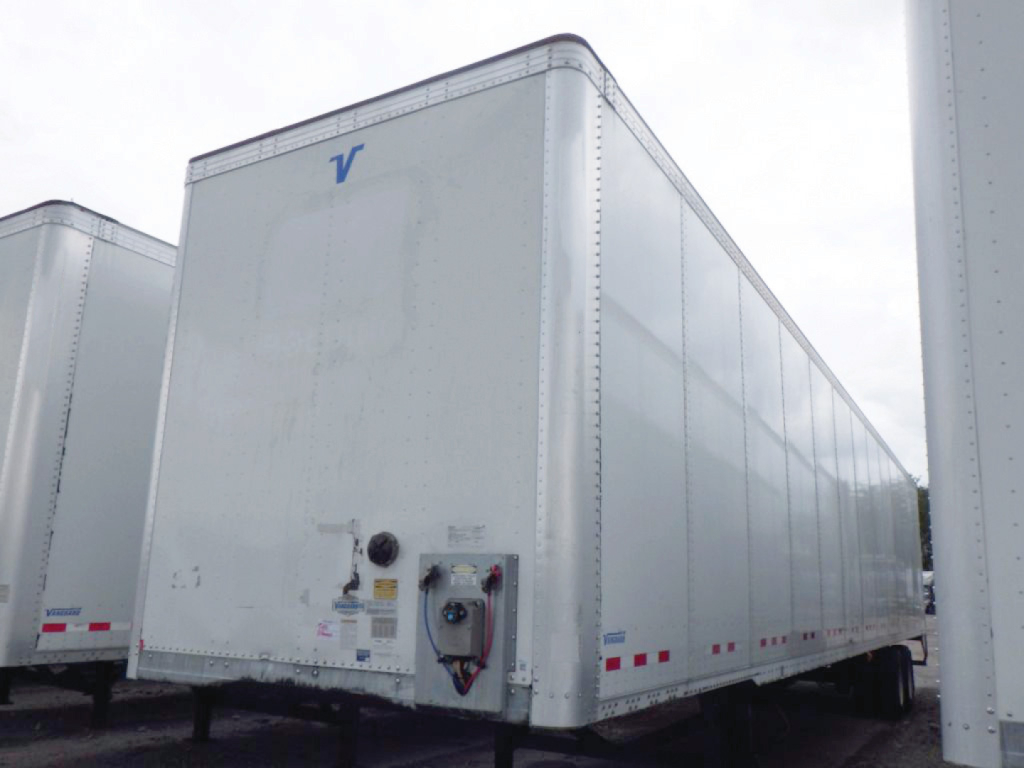
Shop Vanguard van trailers for sale in Mississippi. Compare 53-foot dry vans with air ride, sliding tandems, logistics posts, and tire systems.
Learn more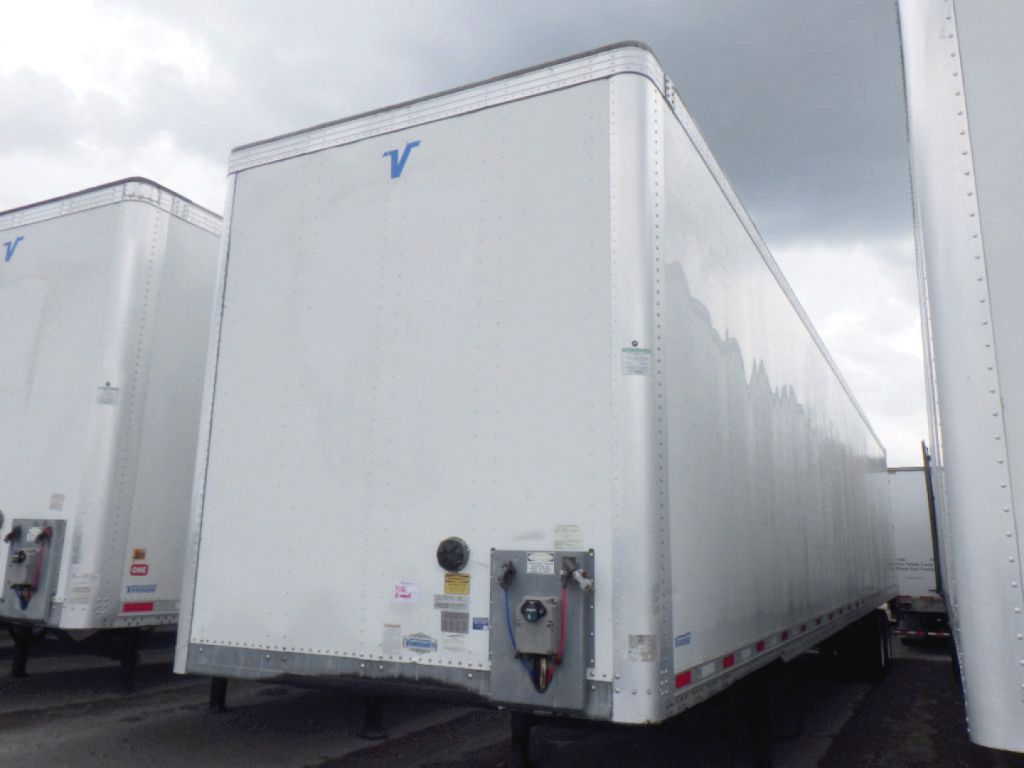

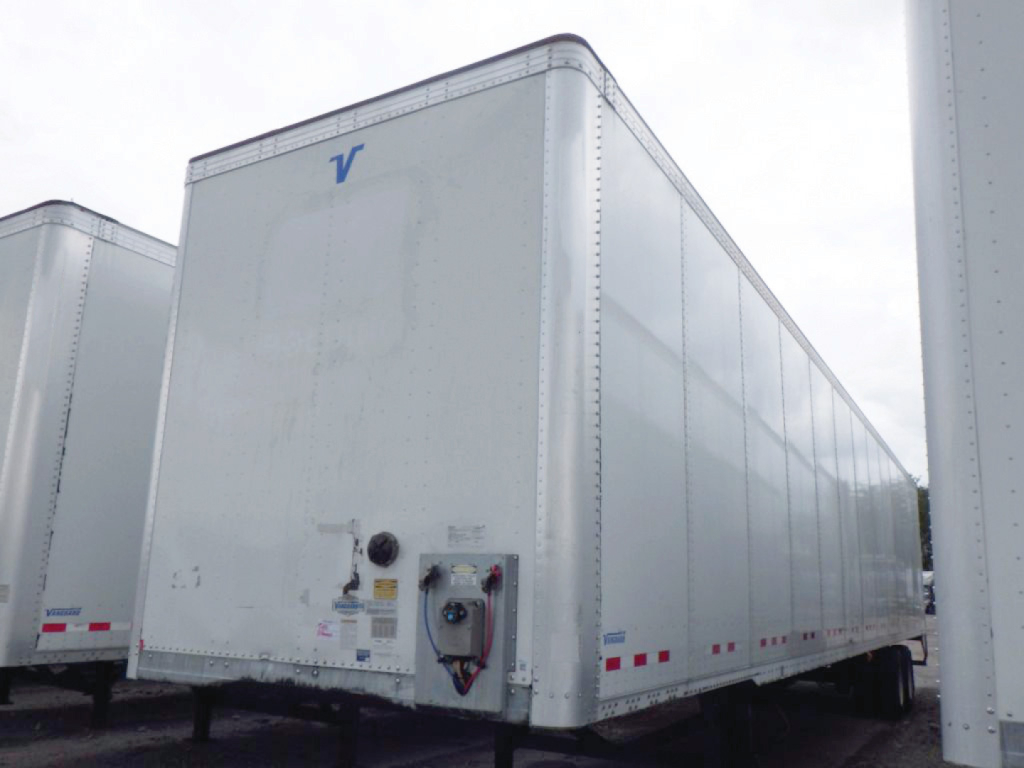
Have vanguard van trailer to sell? List it here to reach thousands of buyers.
About Vanguard Van Trailers in Mississippi
A key buying decision on a Vanguard van trailer is body construction. Aluminum van configurations help reduce empty weight and can improve payload flexibility, while plate-style designs such as the Vanguard VXP are often chosen for durability and a clean, fleet-spec package. Common features include wood floors, composite lining or scuff liners, scuff plates, threshold plates, and logistics-ready interiors with E-track or logistics posts. Those details matter if the trailer will see frequent forklift loading, mixed LTL-style freight, or higher cycle dock work where interior wall protection and cargo securement options directly affect upkeep.
Underneath, most buyers want air ride suspension, a sliding tandem, 22.5 low-profile tires, and disc or aluminum wheels. Air ride helps protect freight and can reduce shock on rougher secondary roads. A sliding tandem gives flexibility for bridge law compliance, dock positioning, and axle spread adjustments across different states and customer facilities. Tire inflation systems are also common on fleet-spec Vanguard vans because they help manage tire pressure, reduce irregular wear, and support uptime. If fuel economy is part of the operating plan, side skirts can add value on highway routes, especially on consistent regional or linehaul applications.
Swing doors remain the standard rear closure on many Vanguard van trailers because they are simple, durable, and easy to service. Buyers should also pay close attention to inside height, floor condition, roof integrity, door frame alignment, crossmember condition, and signs of heavy forklift impact around the nose, threshold, and lower sidewall areas. For operations based in Mississippi, it also makes sense to inspect for moisture intrusion, corrosion exposure, and tire condition given the combination of humidity, heat, and year-round road use. A well-spec'd Vanguard dry van can be a strong choice for carriers that need a straightforward freight trailer with familiar parts, broad shipper acceptance, and solid resale appeal.
Frequently Asked Questions
What are the most common specs on a Vanguard van trailer?
The most common Vanguard van trailer setup is a 53-foot dry van with a 102-inch width and 13-foot 6-inch overall height. Many are equipped with air ride suspension, sliding tandems, swing doors, wood flooring, scuff protection, and logistics-ready interiors. Fleet-oriented units may also include tire inflation systems, side skirts, and low-profile 22.5 tires for linehaul efficiency and maintenance control.
What is the difference between a Vanguard aluminum van and a Vanguard VXP plate van?
An aluminum van is typically selected for lighter weight and payload efficiency, which can matter when every pound of cargo capacity counts. A Vanguard VXP plate van is generally aimed at buyers who want a durable dry van with a strong trailer body and modern fleet specification. The right choice depends on freight type, loading frequency, tare weight targets, and how hard the trailer will be worked at docks over its service life.
What should I inspect first on a used Vanguard van trailer?
Start with the floor, roof, rear frame, and lower interior walls because those areas often show the clearest signs of hard service. Check the wood floor for forklift damage, soft spots, patches, or rot. Inspect the roof for leaks or repairs, confirm the swing doors close squarely, and look at the threshold plate, scuff liner, crossmembers, and nose area for impact damage. Suspension condition, tandem slide operation, tires, brakes, and any tire inflation system should also be verified before purchase.
Are Vanguard van trailers good for general dry freight in Mississippi?
Yes. Vanguard dry vans are well-suited for Mississippi freight operations that include warehouse distribution, retail replenishment, packaged commodities, and other non-temperature-controlled loads. The typical 53-foot dry van configuration fits standard shipper expectations, and features like air ride, logistics posts, and sliding tandems make the trailer adaptable to both local and interstate freight movement.
Do side skirts and tire inflation systems add real value on a dry van trailer?
They can, especially for carriers running steady highway miles. Side skirts may improve aerodynamic performance and lower fuel consumption on linehaul routes, while a tire inflation system helps maintain proper pressure and can reduce premature tire wear, roadside failures, and downtime. For a high-utilization trailer, both features can support lower operating cost over time if they are maintained properly.