
Stoughton Van Trailers For Sale in Mississippi
Browse Stoughton van trailers for sale in Mississippi. Compare 53-foot dry vans with air ride, sliding tandems, logistics posts, and swing doors.
Learn more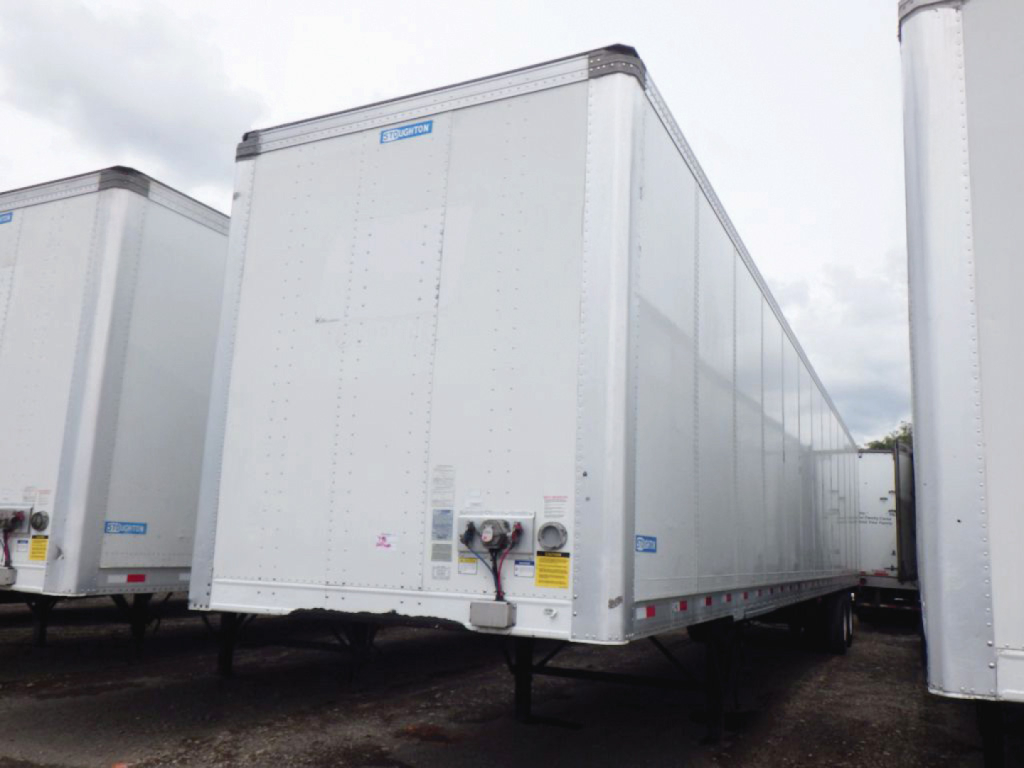
Have stoughton van trailer to sell? List it here to reach thousands of buyers.
About Stoughton Van Trailers in Mississippi
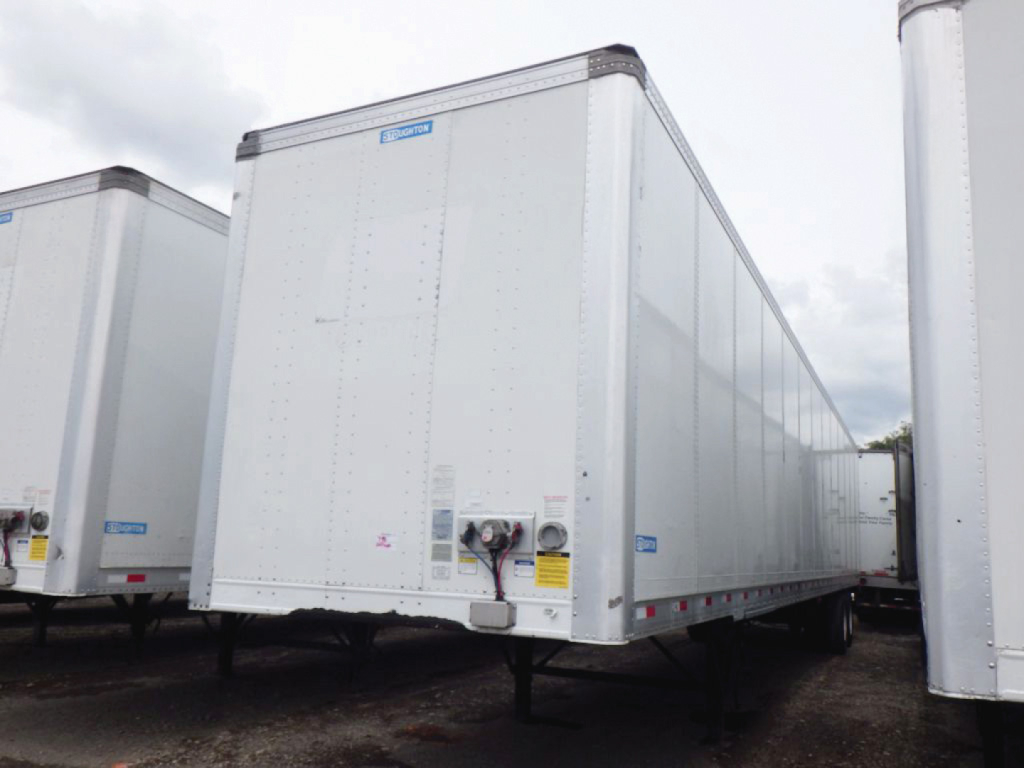
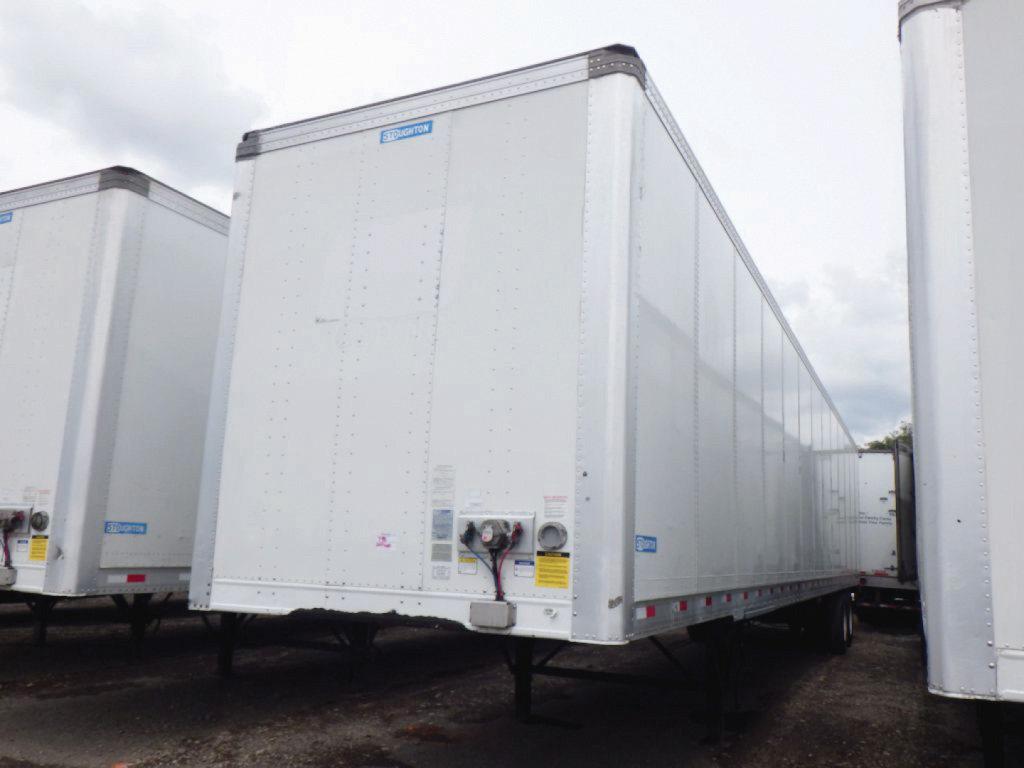
Stoughton plate vans are known for practical spec packages that support everyday van freight. Common features include swing doors, wood floors, threshold plates, scuff liners or scuff plate protection, and logistics posts or logistics track for load securement flexibility. Those details matter because van trailer operating costs often come down to floor life, sidewall protection, and how well the trailer handles repeated forklift traffic. A wood floor remains a popular choice for dry van work because it is repairable, forklift-friendly, and familiar to most maintenance shops. Buyers should inspect floor condition, rear frame area, thresholds, door hardware, and any signs of repeated impact around the sidewalls and nose.
For Mississippi operations, suspension, tires, and wheel-end specifications deserve close attention because trailers may see a mix of interstate miles, humid conditions, and heavy distribution-cycle loading. Air ride is preferred by many fleets hauling damage-sensitive freight, and sliding tandems add flexibility across different state bridge requirements and customer yards. Low-profile 22.5 tires are common on late-model vans and can help maintain legal overall height while pairing well with standard dry van dimensions. Disc or steel wheels, brake type, tire condition, and alignment history all affect lifecycle cost more than many buyers expect, especially on higher-mileage fleet trailers.
When comparing Stoughton van trailers, focus on use case before price alone. A trailer set up with logistics equipment, good interior lining protection, solid door seals, and clean rear structure may deliver better long-term value than a cheaper unit that needs floor work or door repairs. Late-model dry vans in this class are often selected for high-volume contractual freight because they are easy to integrate into mixed fleets and easy to keep moving. Also known as dry van trailers or enclosed van trailers, Stoughton vans are best suited for freight that needs weather protection, security, and fast loading through standard docks.
Frequently Asked Questions
What freight is a Stoughton van trailer best suited for?
A Stoughton van trailer is built for general dry freight that needs weather protection and secure enclosed transport. Typical loads include palletized consumer goods, paper products, boxed food products that do not require refrigeration, retail freight, and other dock-loaded shipments. It is not the right trailer for oversize freight, top-loaded freight, or temperature-controlled cargo unless the trailer is specifically built as a reefer, which is a different category.
What specs matter most when buying a used Stoughton dry van trailer?
The most important specs are usually trailer length, width, height, kingpin setting, tandem configuration, suspension type, and the condition of the floor and rear frame. On many dry vans, a 53-foot by 102-inch body with 13-foot 6-inch overall height, air ride suspension, and a sliding tandem is the standard target. Beyond published specs, buyers should closely inspect the wood floor, threshold plate, scuff protection, swing door alignment, roof condition, and signs of forklift or dock impact because those items directly affect uptime and repair cost.
Why do many Stoughton van trailers have sliding tandems?
Sliding tandems give the trailer more flexibility for axle weight distribution, bridge law compliance, and maneuvering in customer yards. A buyer running mixed routes or multiple shippers often benefits from being able to shift axle position to meet load and route requirements. Sliding tandems also help adapt one trailer to different tractor wheelbases and kingpin-to-rear-axle constraints, which makes them a practical spec for fleets and owner-operators alike.
Is a wood floor a good choice in a Stoughton van trailer?
A wood floor is still a strong choice for many dry van applications because it handles forklift traffic well, offers reliable traction, and is generally easier to repair than some alternative floor designs. For a used trailer, the issue is not simply whether the floor is wood, but how much wear it has taken from concentrated pallet loading, moisture intrusion, and repeated dock use. Buyers should look for soft spots, patchwork quality, fastener condition, and damage near the rear where forklift traffic is heaviest.
Are Stoughton van trailers a good fit for Mississippi freight operations?
Yes. Stoughton van trailers are a practical fit for Mississippi freight operations because they match the dimensions, dock setup, and freight types commonly used in regional distribution and long-haul dry van work. Mississippi fleets often need trailers that can handle warehouse traffic, interstate routing, and humid conditions without adding unnecessary complexity. A clean, late-model Stoughton dry van with sound running gear, good seals, and strong interior condition can work well in both local shuttle service and over-the-road freight lanes.