
Van Trailers For Sale in Iowa
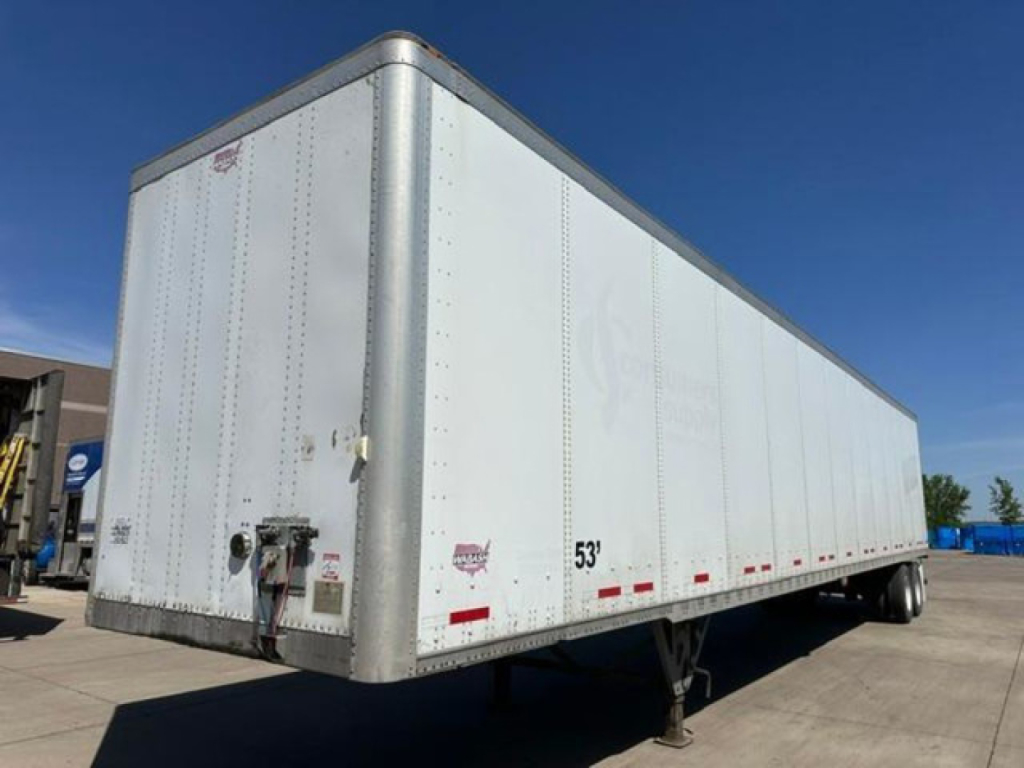
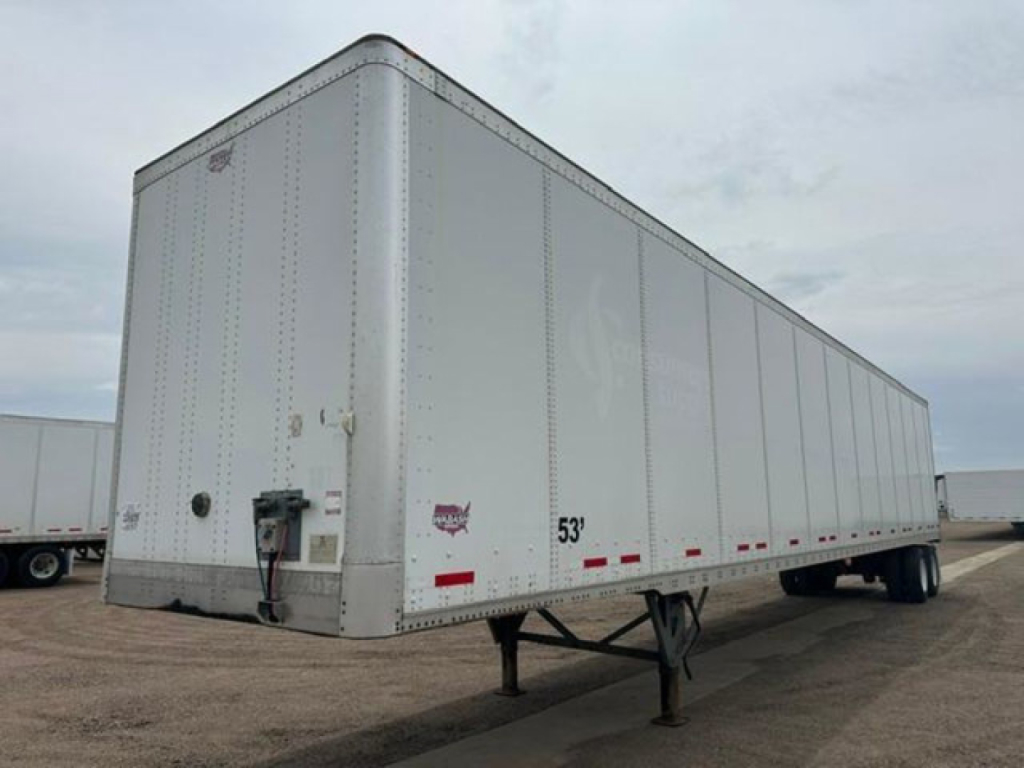
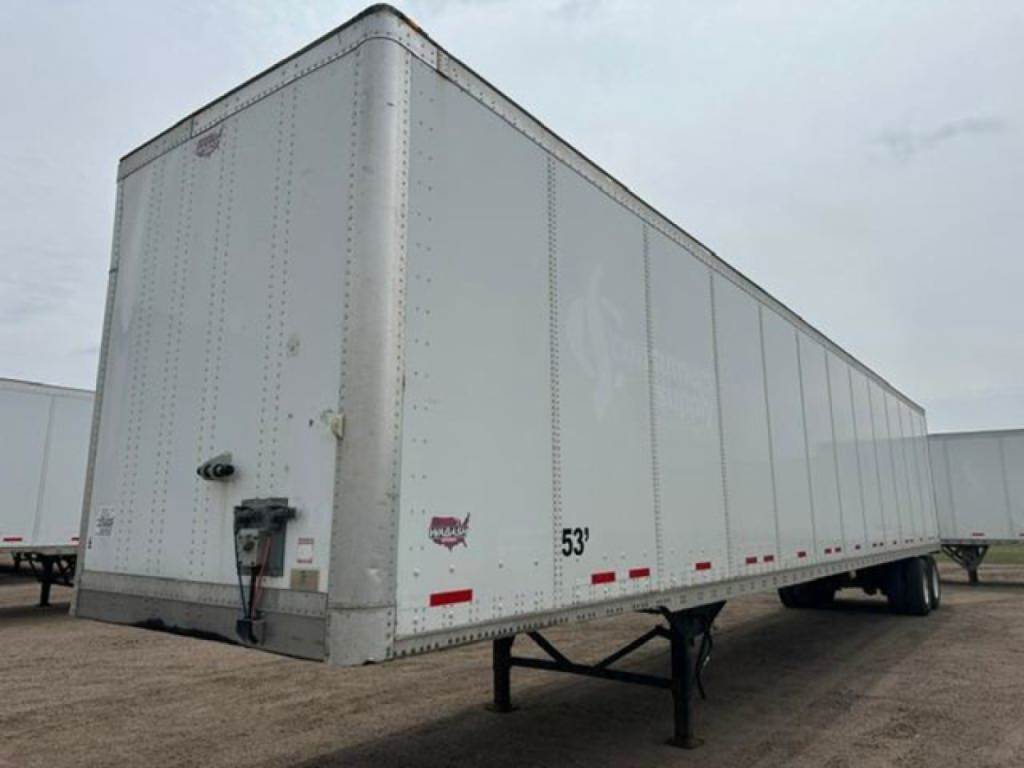
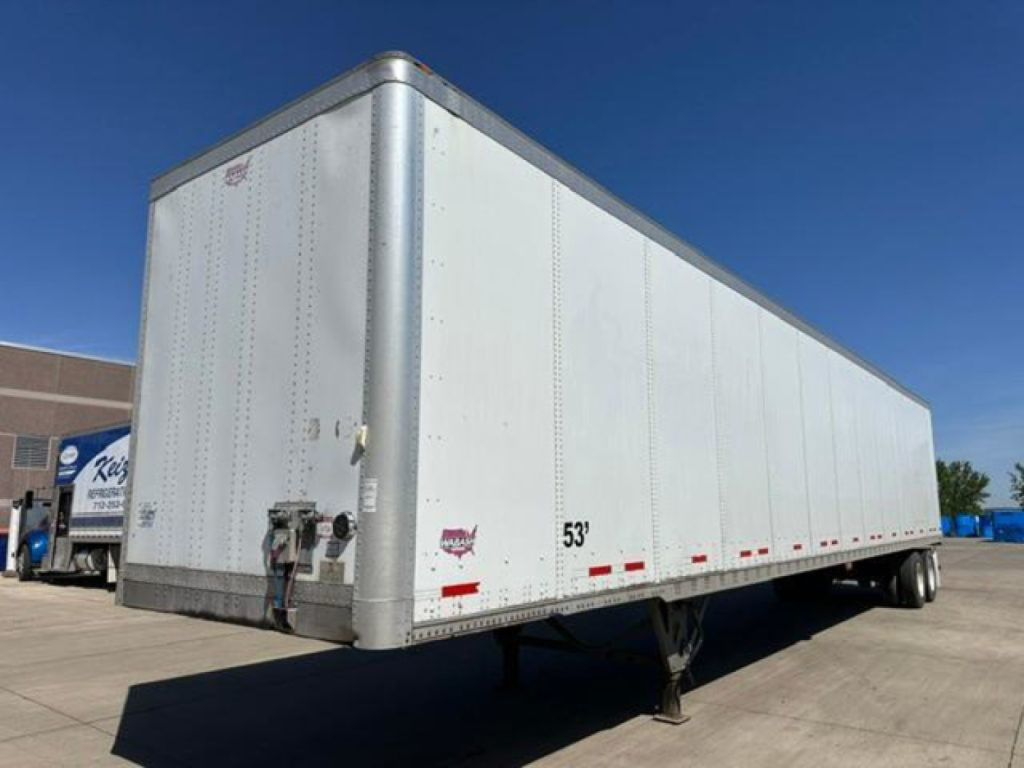
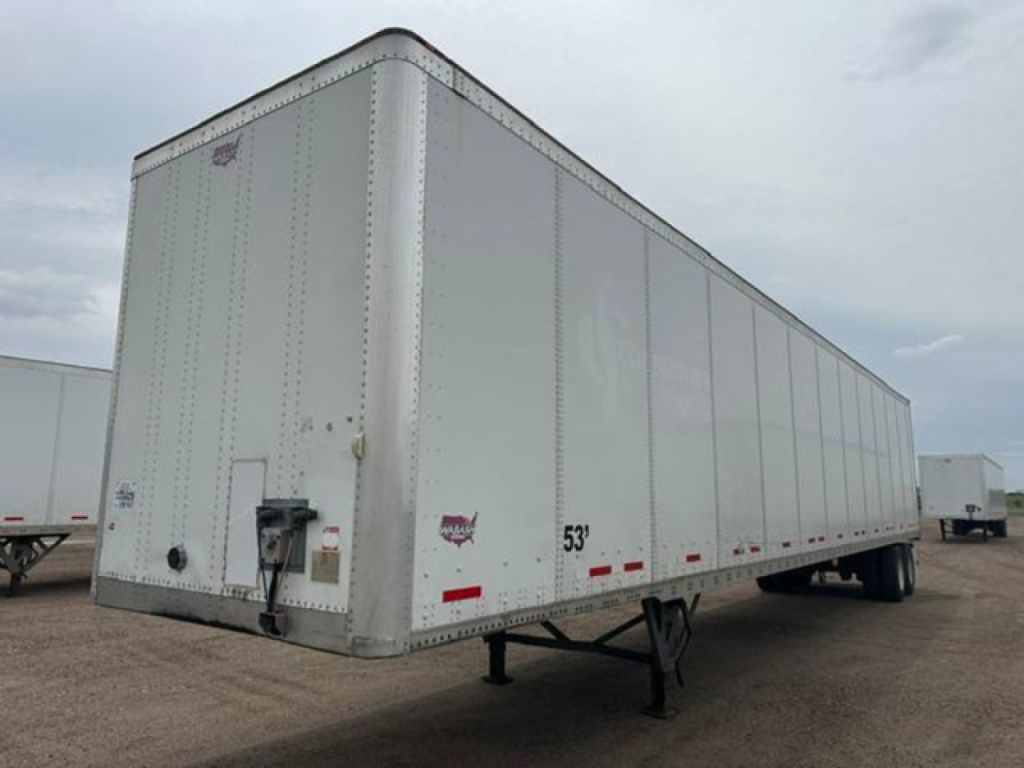
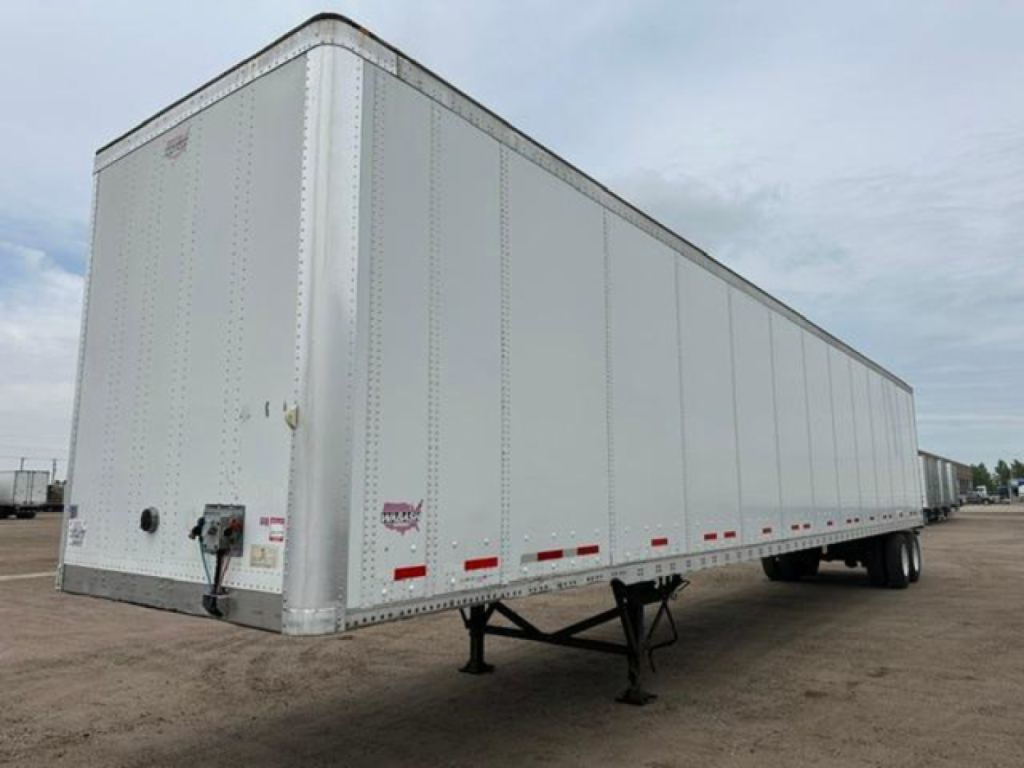
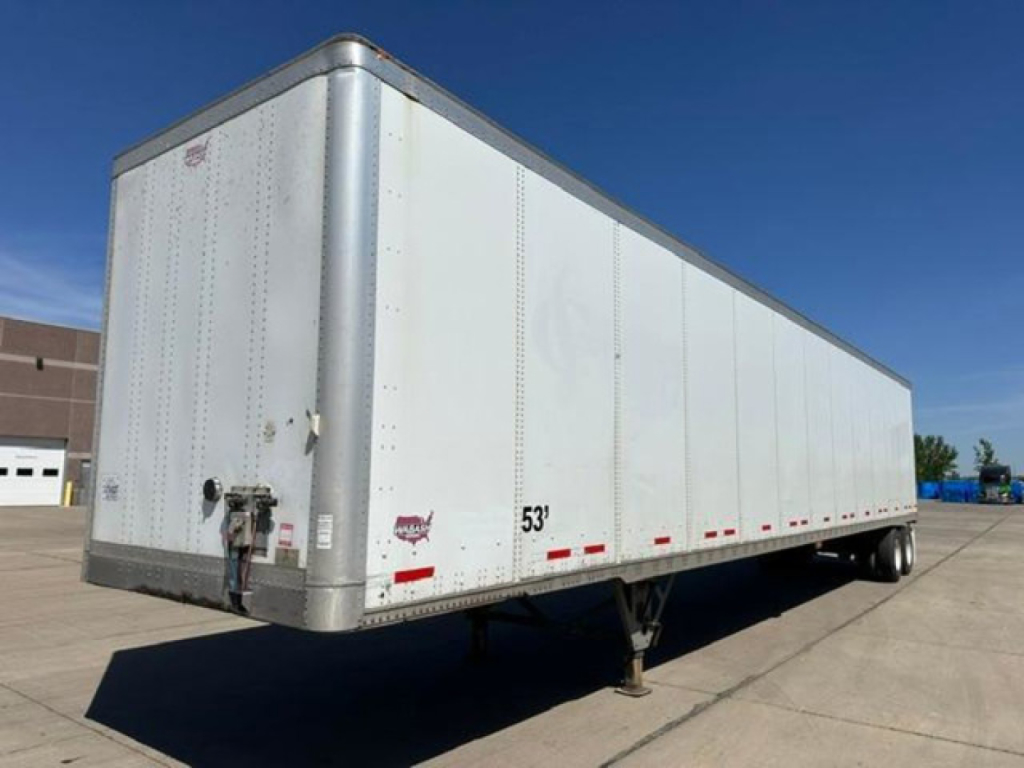
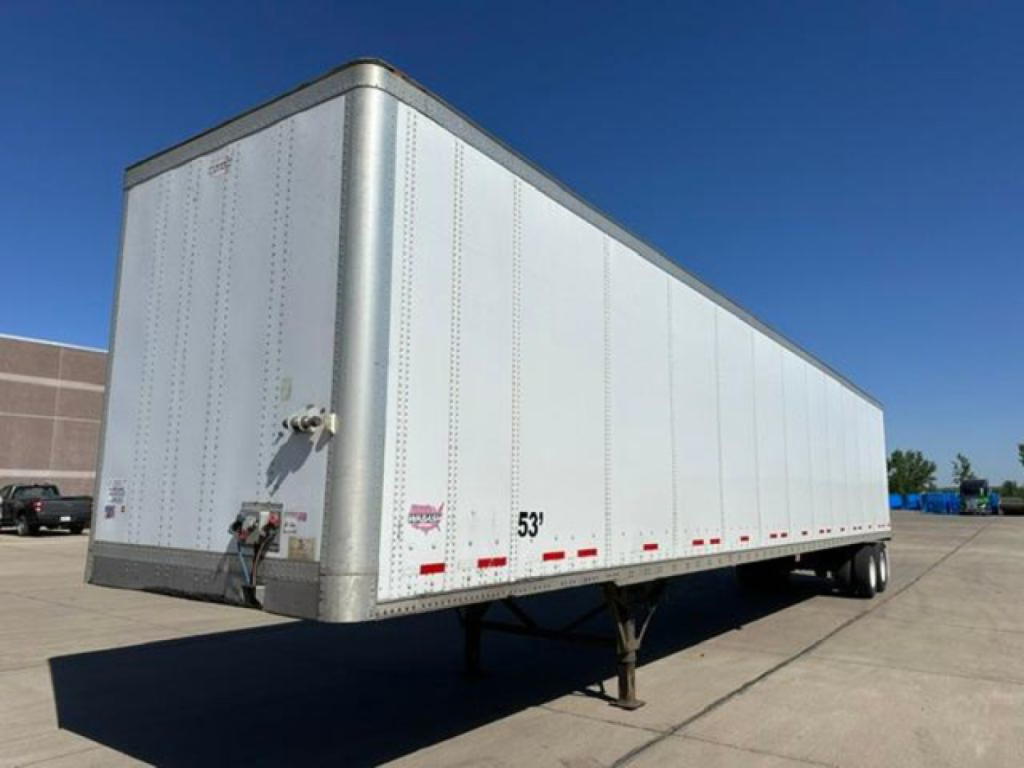
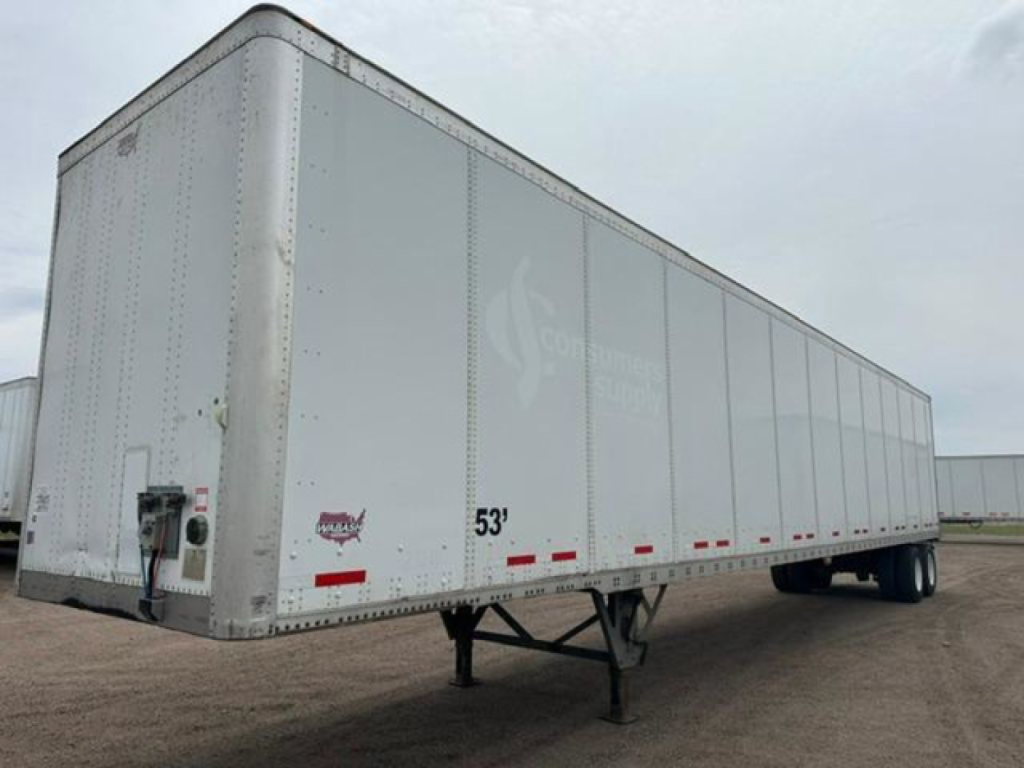
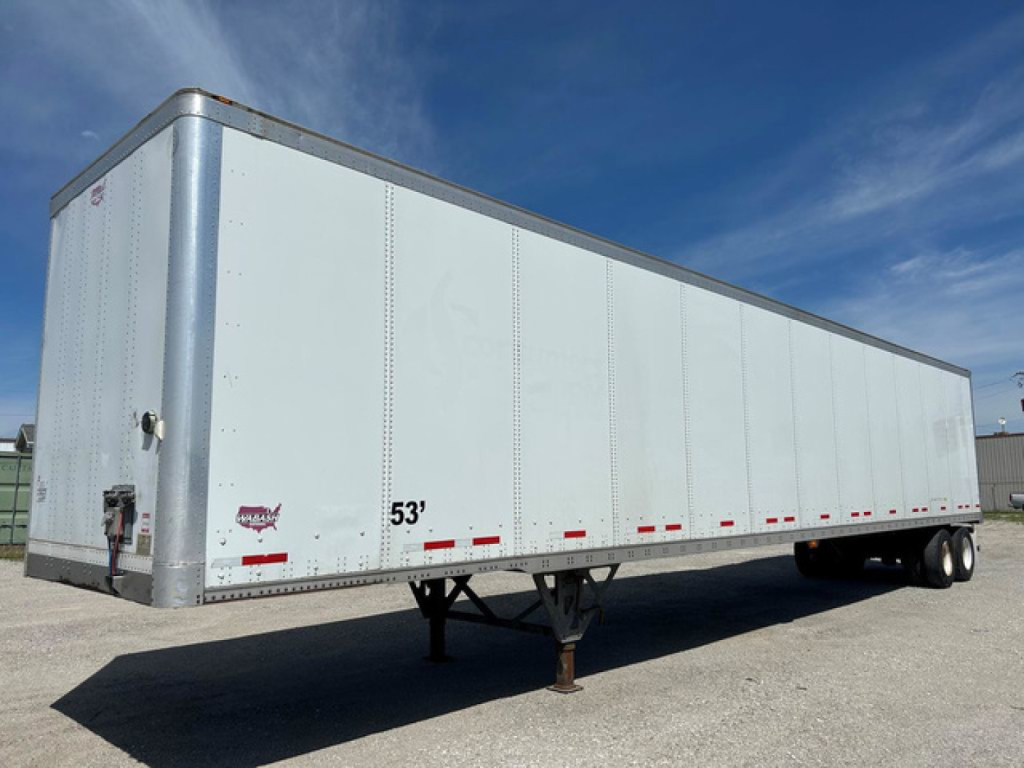
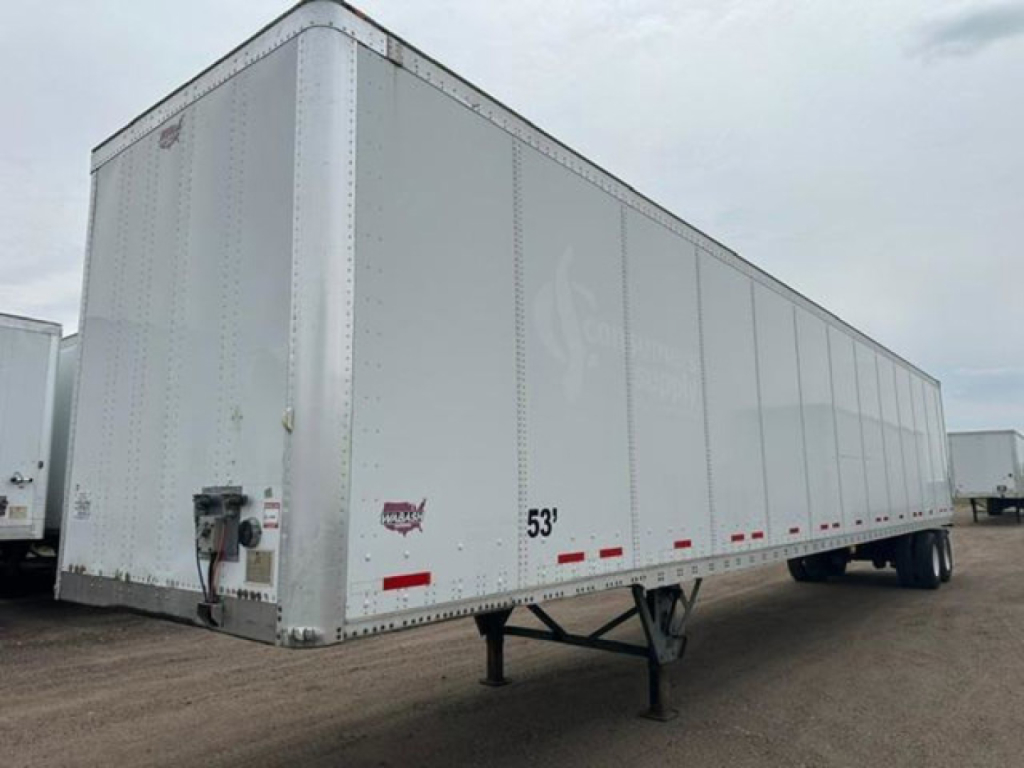
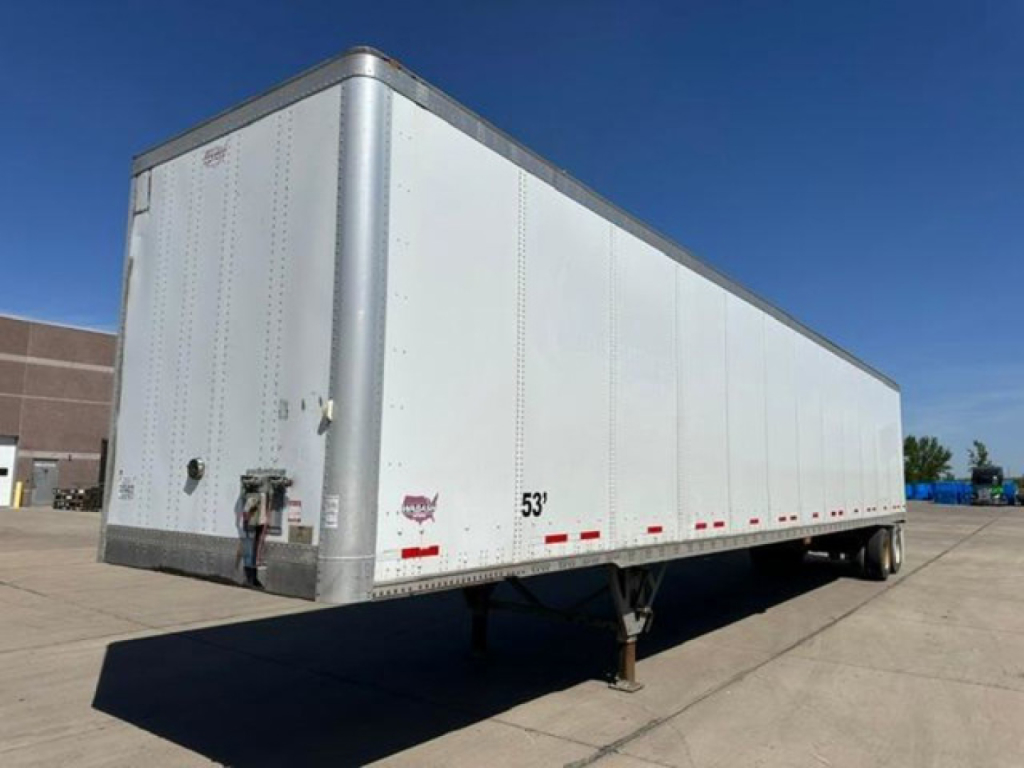
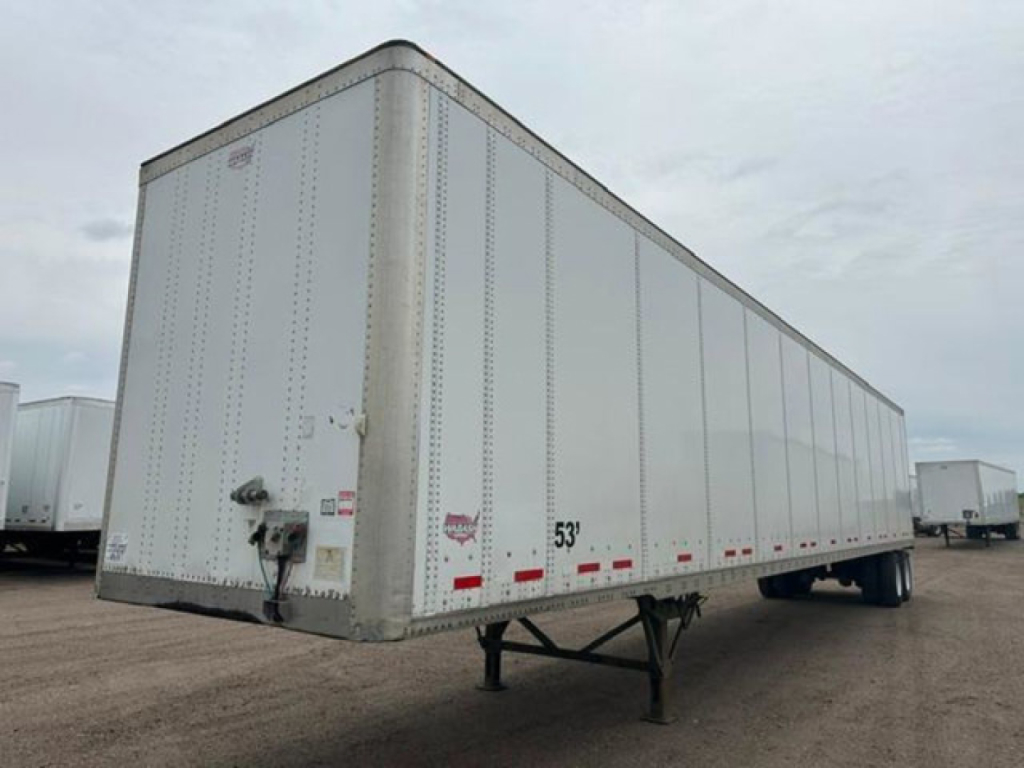
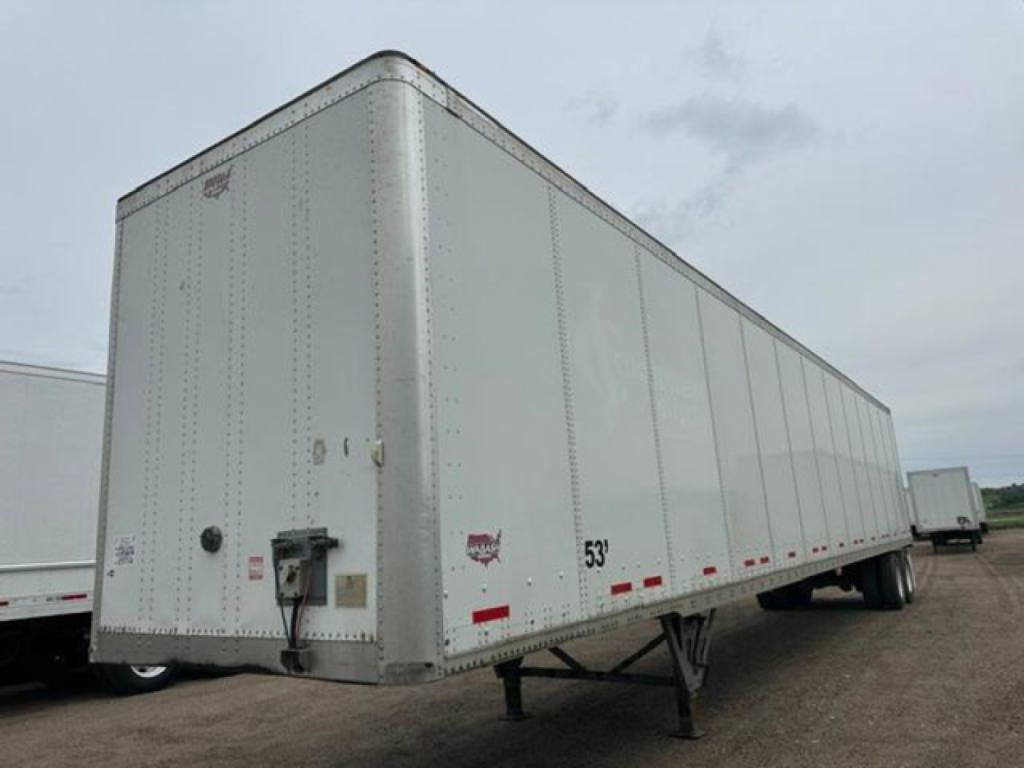
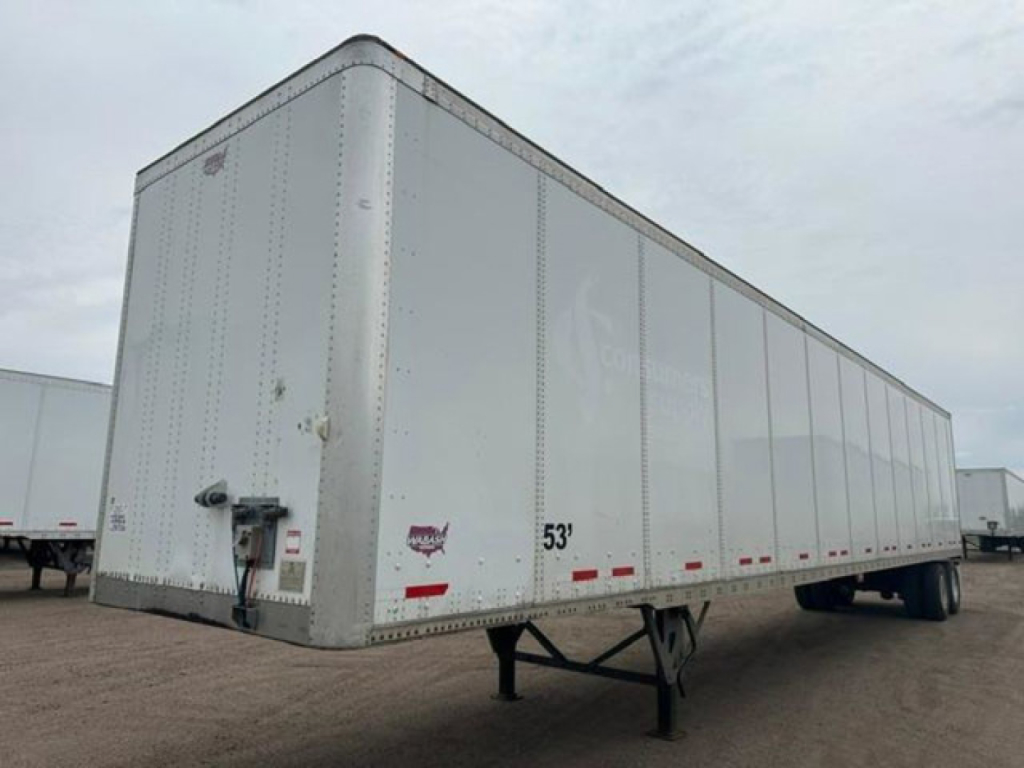
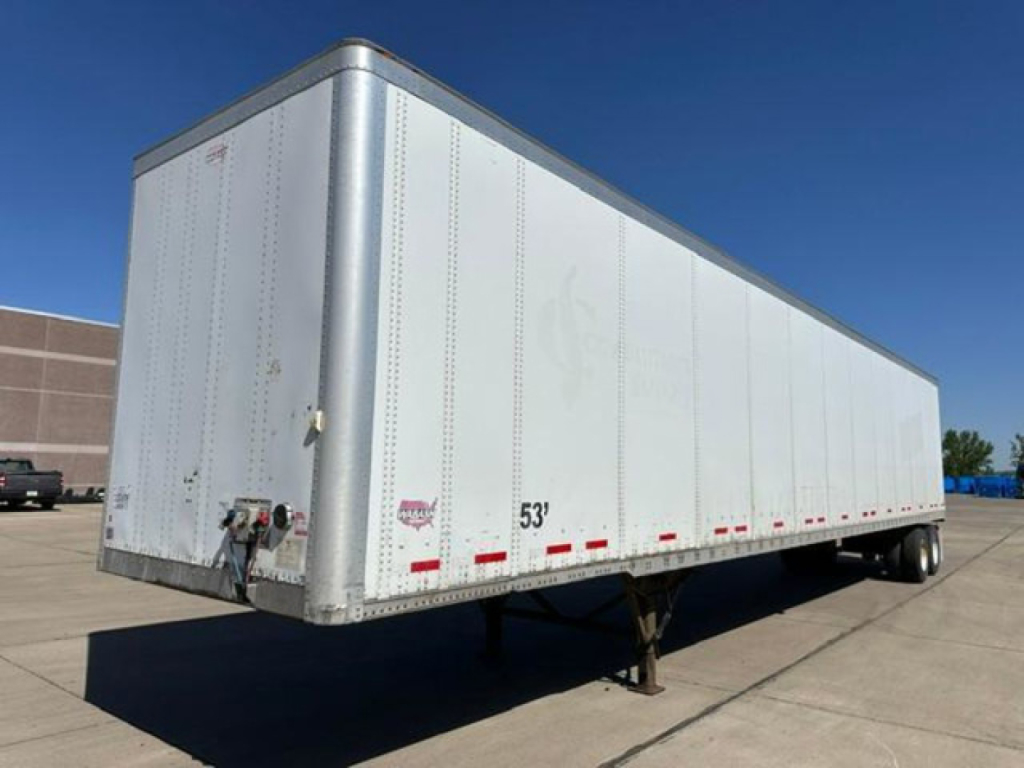
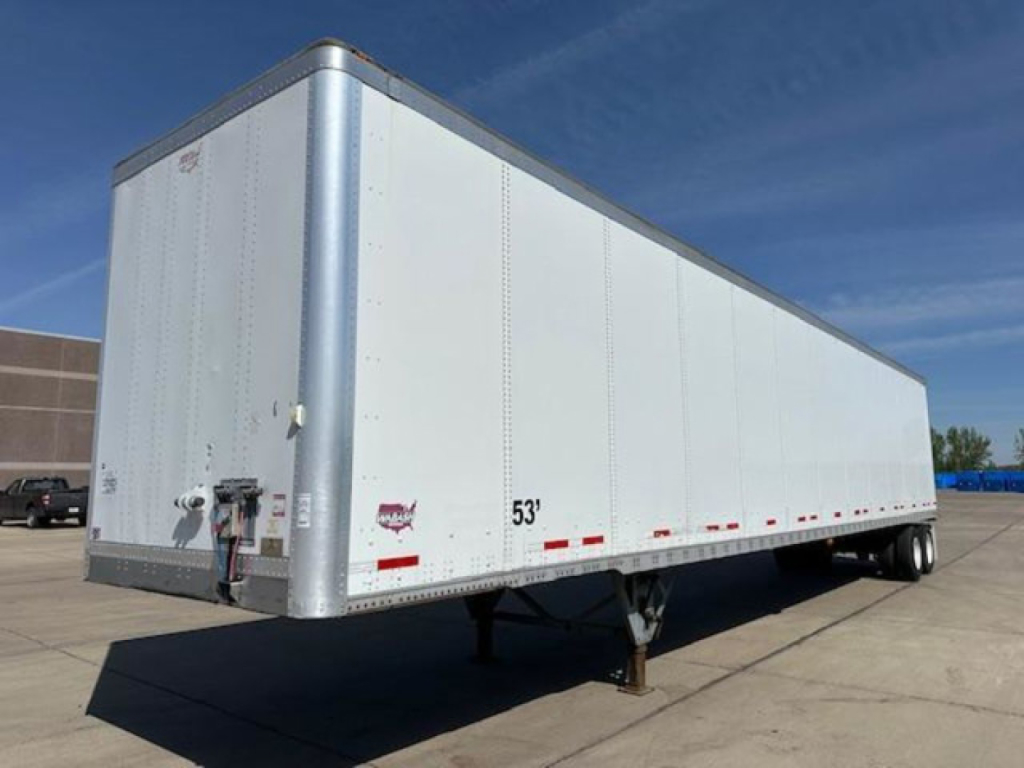
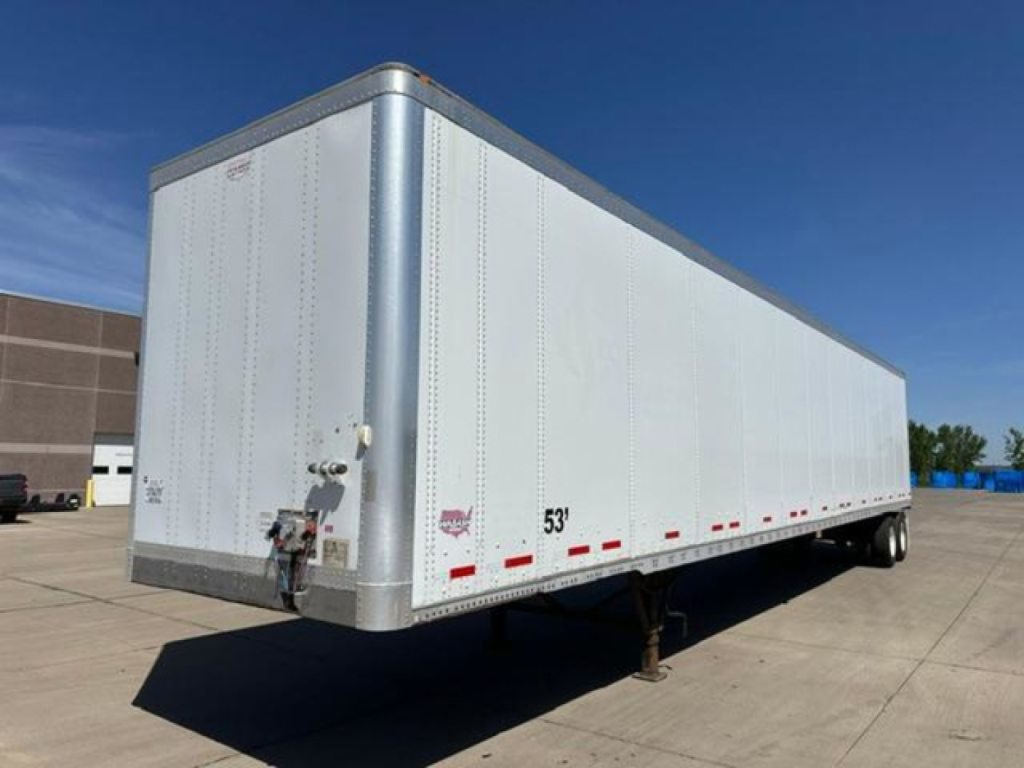
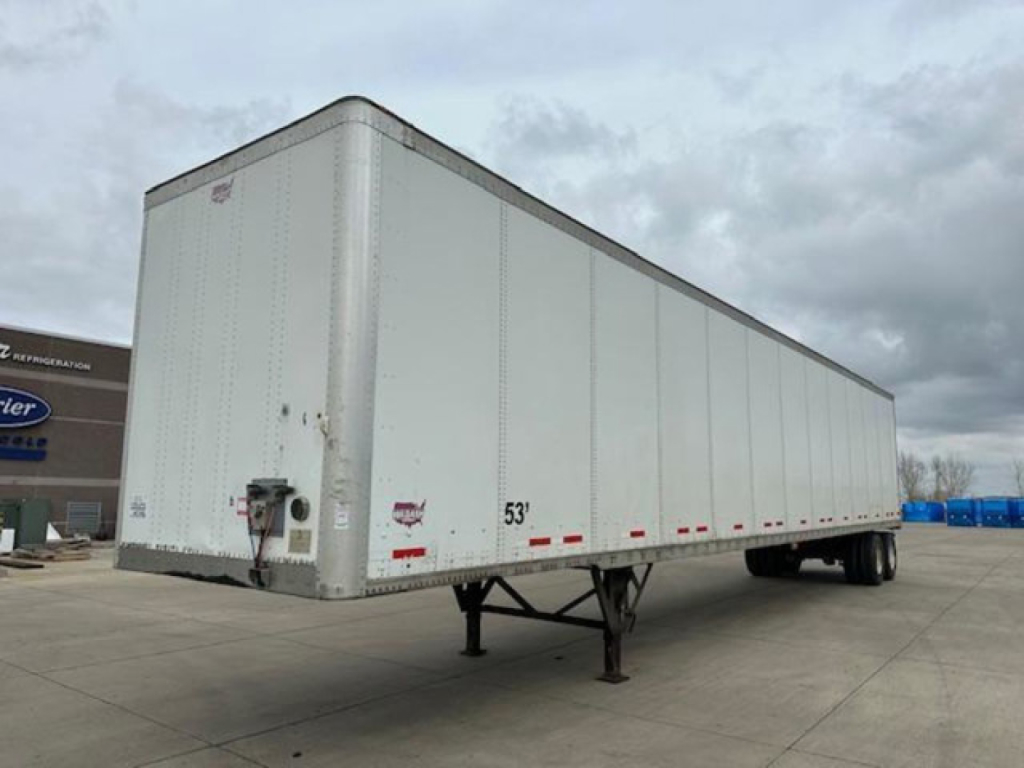
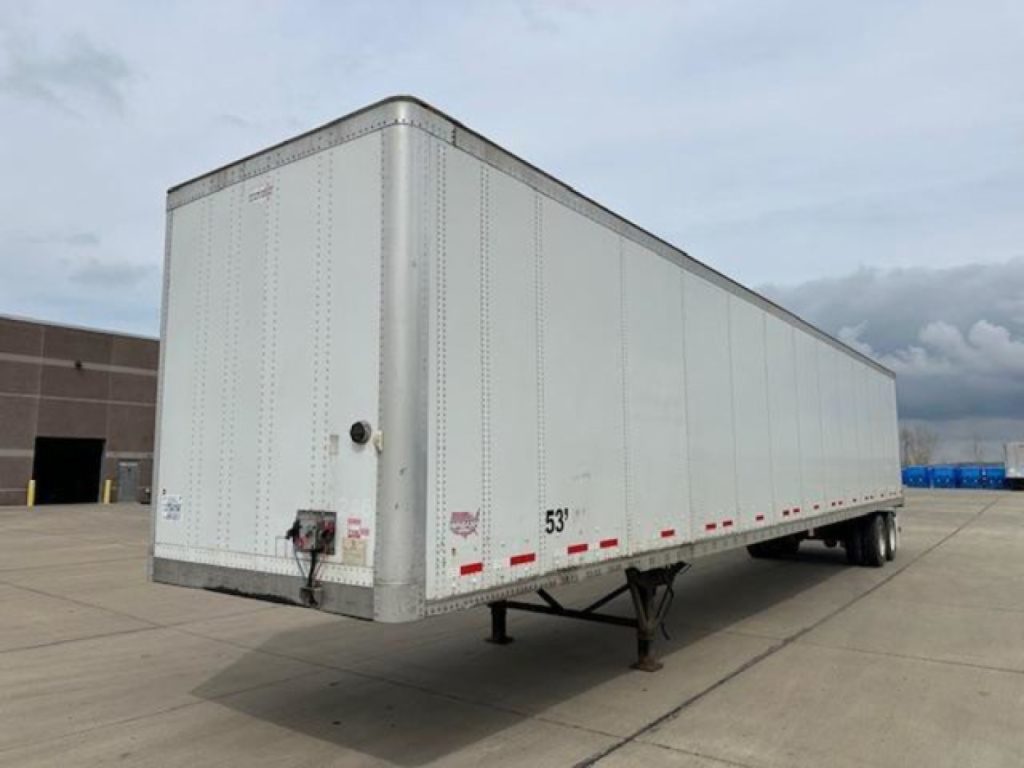
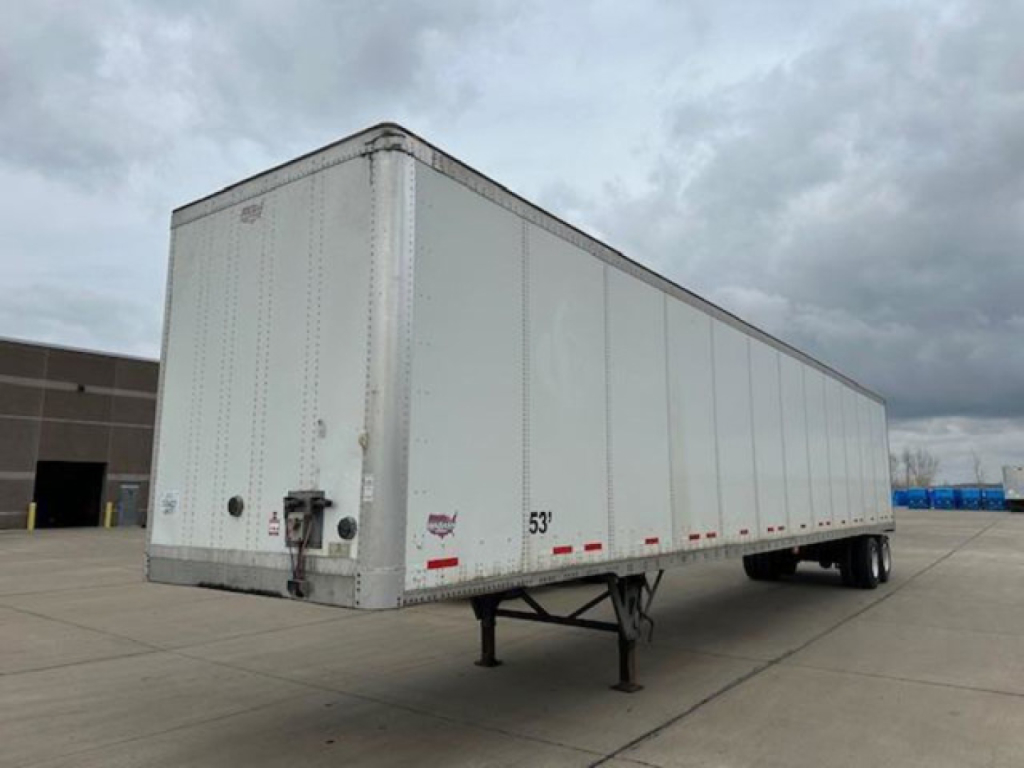
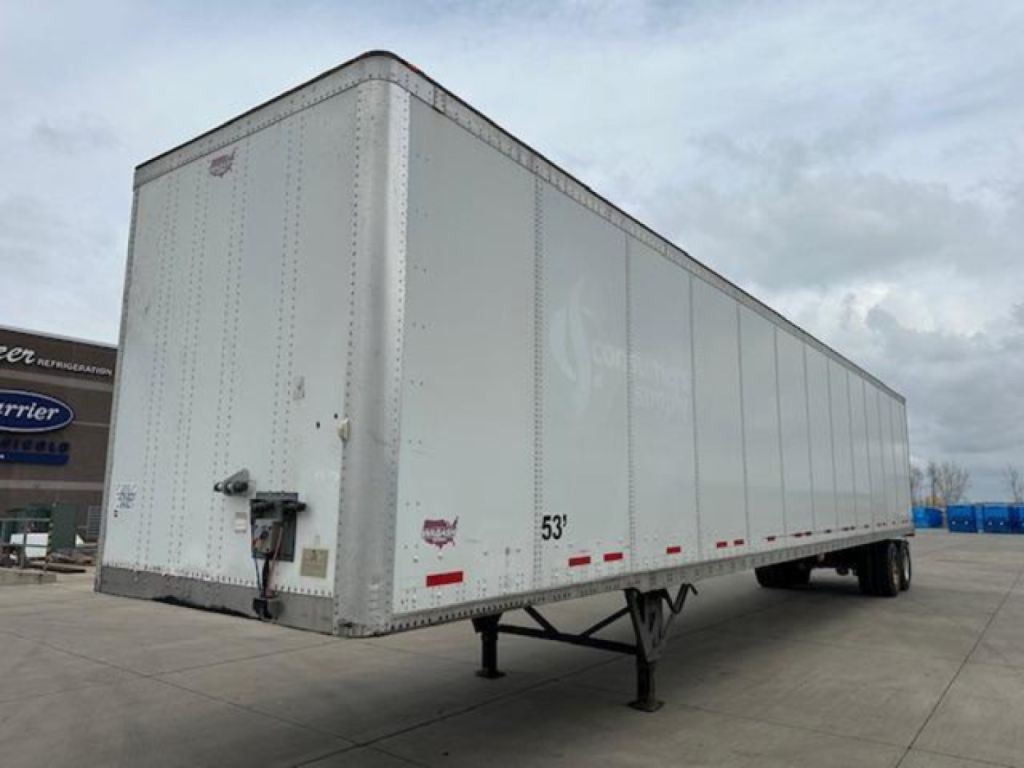
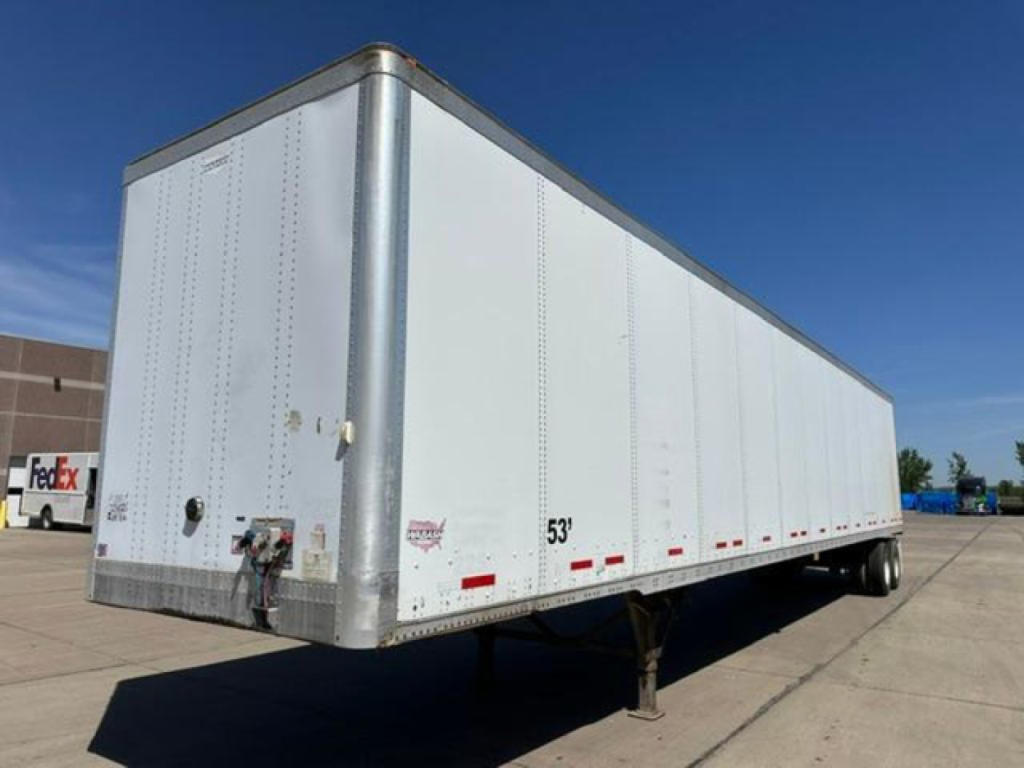
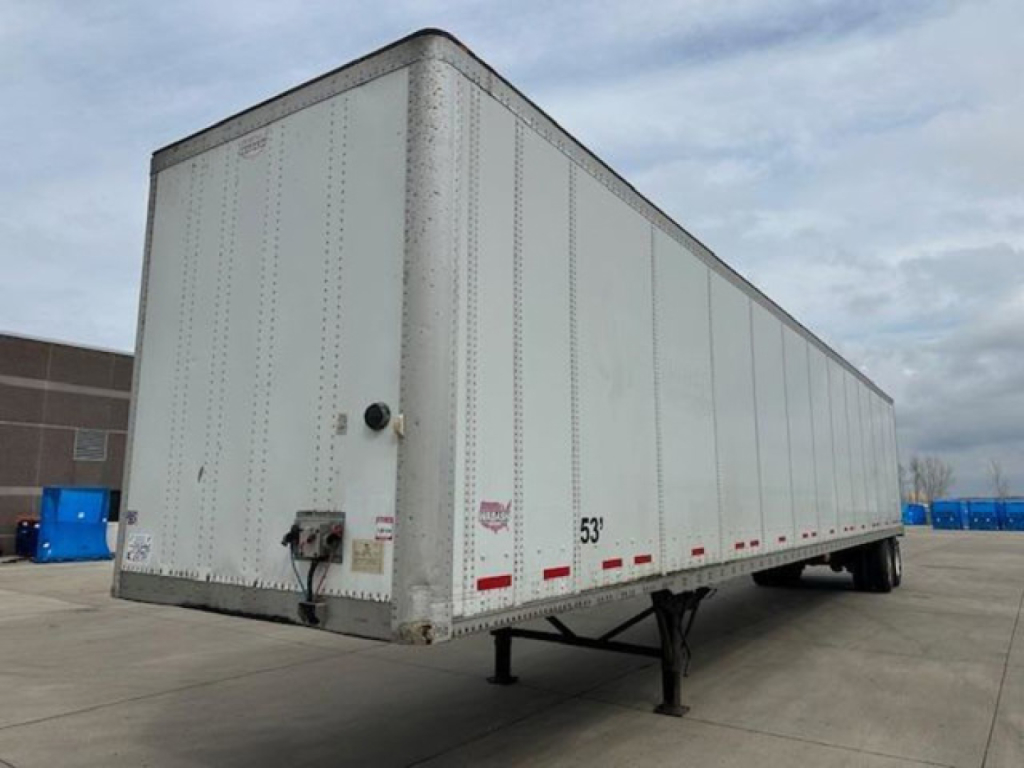
Showing 25 to 48 of 60 results
Have van trailer to sell? List it here to reach thousands of buyers.
Van Trailers in Iowa
For most buyers, the first decisions are door type, suspension, and interior condition. Roll-up doors are popular in distribution and multi-stop work because they save rear clearance at docks and reduce the chance of swing doors getting damaged in tight yards. Air ride suspension is the preferred spec for many fleets because it helps protect sensitive freight and generally improves ride quality compared with spring ride. Inside the box, plastic scuff liners or wall lining matter if the trailer has seen regular forklift traffic, since wall damage and floor condition can tell you a lot about how hard the trailer has worked.
Roof construction and light management also deserve attention. A translucent roof is common on dry vans because it improves interior visibility for loading without relying entirely on dock lights or trailer-mounted lighting. Buyers should also pay close attention to floor type, crossmember spacing, door frame condition, rear sill wear, and signs of sidewall repairs. Tire condition, brake life, suspension wear, and axle alignment affect operating cost immediately, especially on used van trailers that will be put to work right away. If the trailer will be used in a drop-and-hook fleet, inspect the kingpin area, upper coupler plate, and landing gear for wear from repeated hookups.
The right van trailer depends on freight profile and lane structure more than brand alone. A fleet running dock-to-dock retail or warehouse freight may prioritize clean interiors, roll-up doors, and consistent cube. A buyer hauling heavier palletized freight may focus more on floor rating, tare weight, and overall structural condition. Dry van trailers are built for versatility, but the best value comes from matching the trailer spec to the freight, loading method, and maintenance standards your operation actually uses.
Frequently Asked Questions about Van Trailers in Iowa
What is a van trailer used for?
A van trailer is used for hauling dry freight that needs protection from weather, road debris, and theft. Common loads include palletized consumer goods, boxed freight, food products that do not require refrigeration, paper goods, and industrial supplies. Because the trailer is fully enclosed, it is one of the most versatile trailer types in general freight service.
What should I inspect first on a used dry van trailer?
Start with the structural and wear items that affect safety and cost right away. Check the floor for soft spots, delamination, or heavy forklift damage. Inspect the roof, sidewalls, front wall, rear frame, and door seals for leaks or repairs. Look closely at the kingpin plate, landing gear, suspension components, brakes, tires, and wheel ends. Interior lining, scuff damage, and rear sill wear can also reveal how the trailer was loaded and how hard it was used.
Are roll-up doors better than swing doors on a van trailer?
Roll-up doors are often preferred for city, retail, and dock work because they do not require extra clearance behind the trailer to open. That can be a major advantage in tight yards and crowded loading areas. Swing doors can be simpler and lighter in some applications, but they are more exposed to hinge, latch, and impact damage if drivers are backing into tight spaces regularly. The better choice depends on your loading environment and service cycle.
Why is air ride suspension common on van trailers?
Air ride suspension is common because it provides a smoother ride for freight and is widely accepted in fleet operations that haul damage-sensitive cargo. It can help reduce shock transfer to the load and is often preferred by shippers handling packaged goods, electronics, paper, and other freight that benefits from better ride quality. Buyers should still inspect the suspension thoroughly, including airbags, shocks, bushings, and ride height components.
Is a 53-foot van trailer the standard size?
Yes, 53-foot dry van trailers are the standard in much of the over-the-road freight market because they maximize cargo space for legal highway operation in most lanes. That size is especially common in truckload, dedicated freight, and distribution work. Buyers should still confirm state route requirements, axle settings, and loading needs, but 53-foot vans remain the most widely used configuration for enclosed general freight.