
Fruehauf Van Trailers For Sale
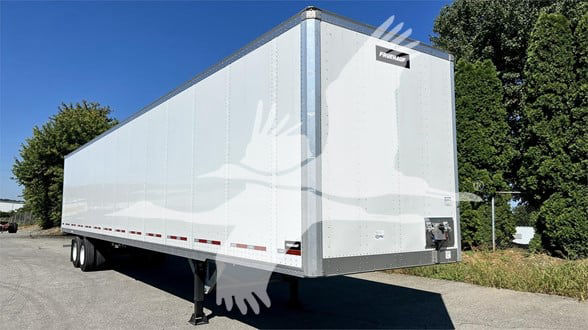
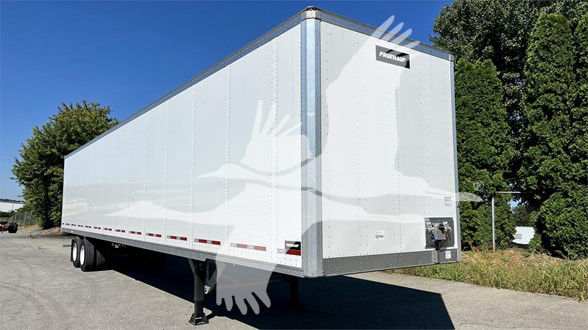
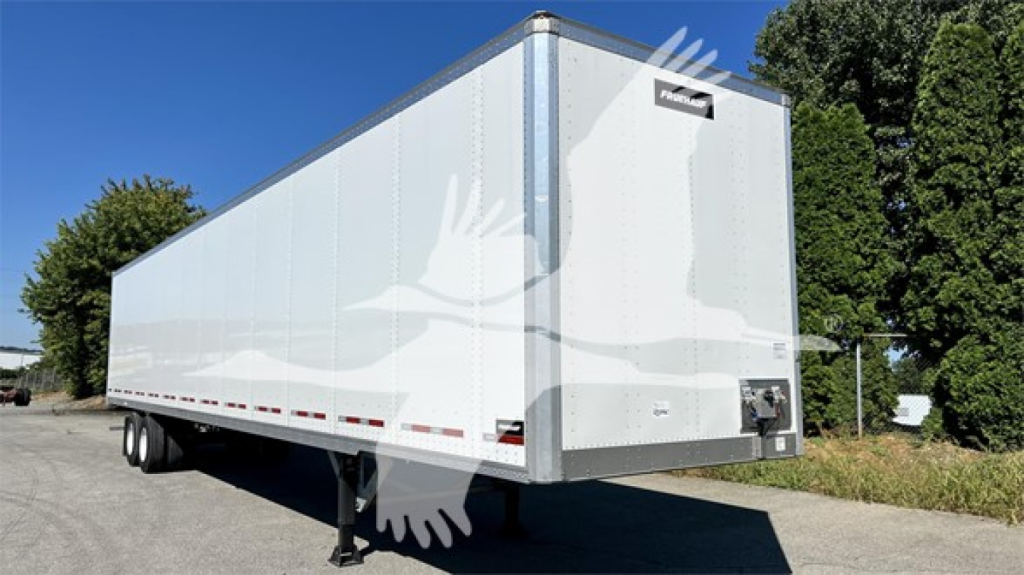
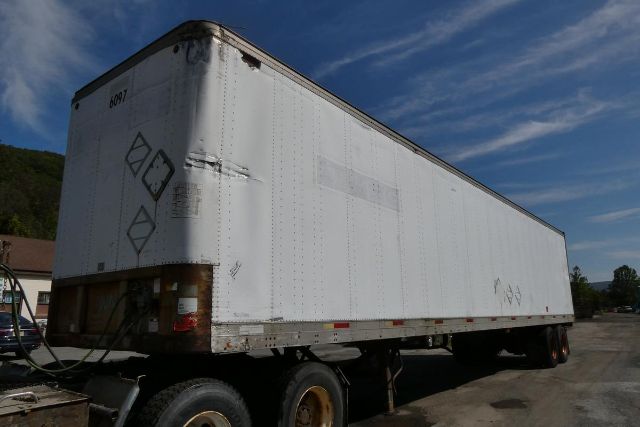
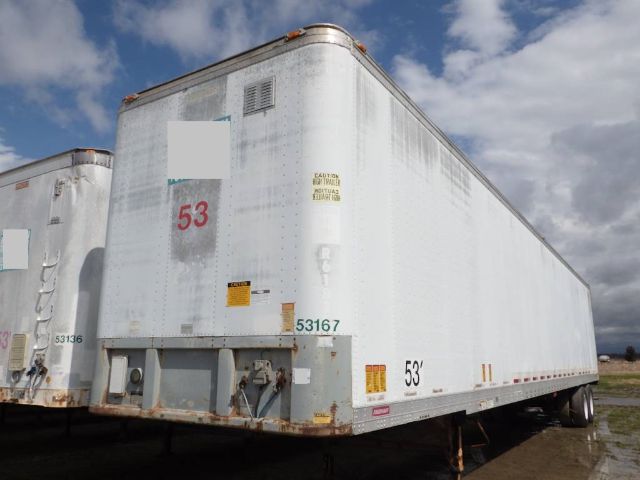
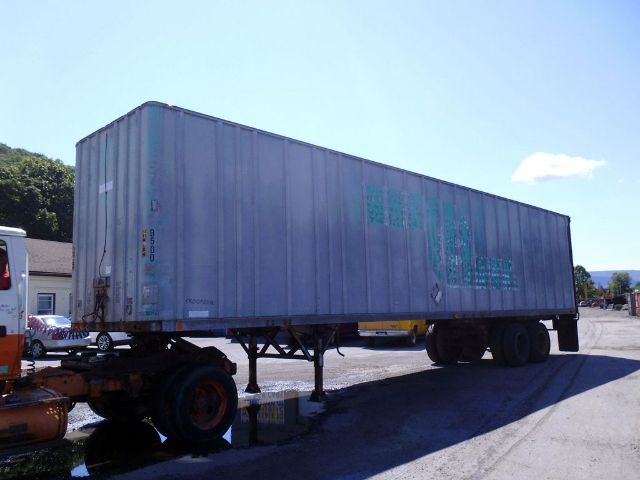
Showing 25 to 30 of 30 results
Have fruehauf van trailer to sell? List it here to reach thousands of buyers.
Fruehauf Van Trailers
The spec details matter more than the badge in this category. Common Fruehauf van trailer features include plate or composite sidewalls, logistics posts on 48-inch centers, hardwood flooring, galvanized rear frames, aluminum roofs, and sliding tandem suspensions. Air ride setups are common because they help protect palletized freight and reduce shock through the trailer. Buyers should pay close attention to kingpin setting, suspension setting, crossmember spacing, and floor thickness. A 36-inch kingpin setting and 49-inch axle setting are typical fleet specs, while 12-inch crossmember centers and a 1 3/8-inch laminated hardwood floor are strong indicators of a van built for frequent forklift traffic.
Interior protection and loading efficiency are major value points on a Fruehauf van trailer. Look for scuff liners, HDPE or steel front wall scuffs, threshold plates, anti-snag roof bows, and full-height nose lining if the trailer will see heavy warehouse use. Logistics-equipped sidewalls improve load securement flexibility for mixed freight and retail distribution. Swing rear doors remain the standard choice for many operations because they are simple, durable, and well suited to dock work. Tire inflation systems, galvanized components, and bolt-on bumpers can also reduce maintenance exposure over the life of the trailer.
For a buyer comparing listings, the real question is how the trailer was spec'd for its intended lane. A regional fleet moving packaged goods may prioritize light tare weight and dock durability, while a shipper handling denser freight may focus on floor condition, rear frame integrity, and suspension performance. Check for signs of repeated forklift damage at the threshold, lower sidewalls, and front wall. Verify roof condition, door seal integrity, tandem slide operation, and corrosion at the rear frame and crossmembers. A well-spec'd Fruehauf dry van can be a practical choice for general freight, contract carriage, warehousing support, and drop-and-hook operations.
Frequently Asked Questions about Fruehauf Van Trailers
What are the most common specs on a Fruehauf van trailer?
The most common Fruehauf van trailer configuration is a 53-foot dry van with 102-inch width, 13-foot 6-inch overall height, tandem axles, sliding suspension, swing doors, and air ride. Many are equipped with plate or composite sidewalls, hardwood floors, galvanized rear frames, and logistics posts. Buyers should also confirm kingpin setting, axle spread or tandem setting, tire size, and crossmember spacing because those details affect compatibility, payload use, and maintenance life.
What is the difference between a plate van and a sheet-and-post dry van?
A plate van uses panel-style side construction that gives the trailer a smoother inside wall and typically better resistance to dents and forklift-related damage. A traditional sheet-and-post dry van uses exterior skin over vertical posts and may be lighter depending on the build. Plate vans are often preferred in hard-use freight applications where interior durability, dock wear, and sidewall impact resistance matter more than chasing the lowest empty weight.
Is air ride important on a Fruehauf dry van?
Air ride is important for many freight operations because it helps reduce cargo shock, improves ride quality, and is widely accepted in fleet and shipper specifications. It is especially useful for palletized consumer goods, food products, paper loads, and other freight that can shift or be damaged by excessive road vibration. Buyers should still inspect the suspension brand, bushings, height control components, and sliding tandem operation rather than assuming all air ride systems perform the same.
What should I inspect first on a used Fruehauf van trailer?
Start with the floor, lower sidewalls, front wall, roof, and rear frame. The floor tells you a lot about forklift traffic and load history, especially near the threshold plate and just inside the doors. Check the swing doors for proper alignment and seal condition, inspect the tandem slider rails for wear or binding, and look underneath for corrosion, crossmember damage, and repair history. On logistics-equipped vans, confirm the posts and scuff areas are still straight and usable for securement.
Are Fruehauf van trailers a good fit for general freight operations?
Yes. Fruehauf van trailers are well suited for general freight, retail distribution, warehouse transfers, drop-and-hook work, and dedicated contract lanes. The enclosed design protects freight from weather and theft, while common fleet specs like swing doors, hardwood floors, sliding tandems, and logistics posts make them versatile across many loading environments. The best fit depends on matching the trailer's floor rating, side construction, and suspension setup to the type of freight and loading frequency in your operation.