
2021 Van Trailers For Sale in Pennsylvania
Browse 2021 van trailers for sale in Pennsylvania. Compare 53-foot dry vans, specs, air-ride suspensions, doors, floors, and trailer setup.
Learn more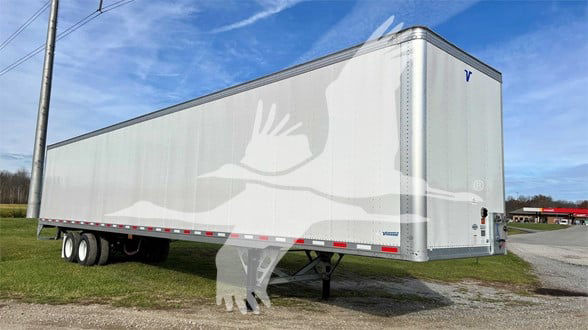
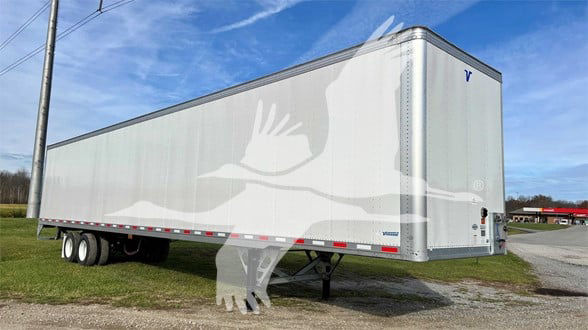
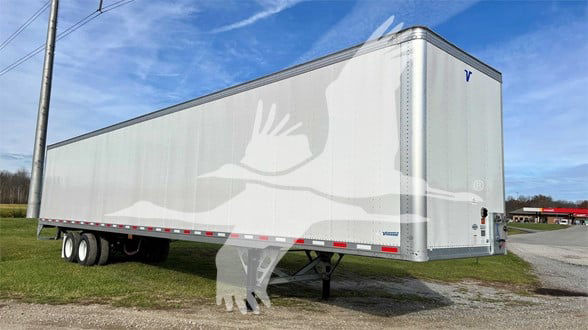
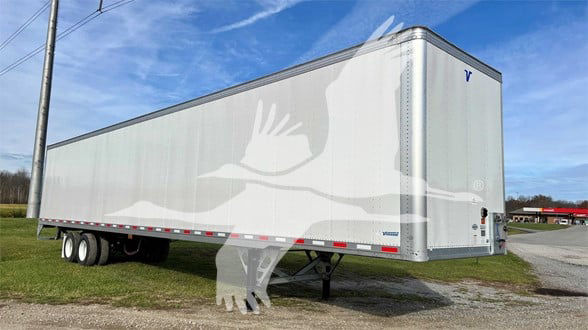
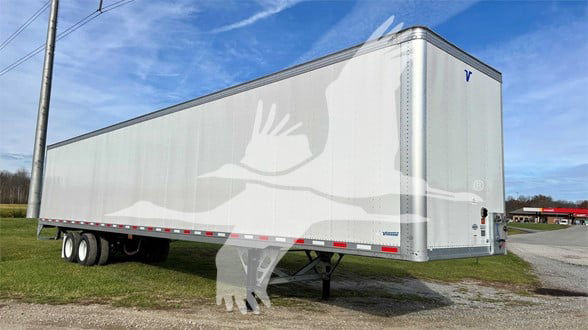
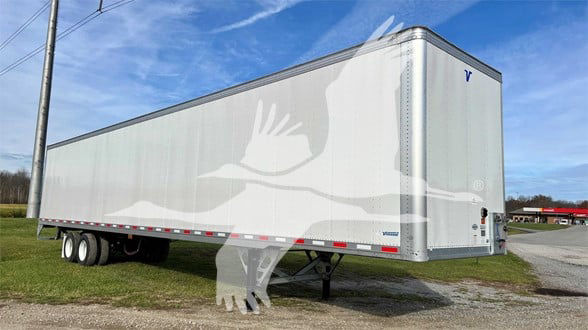
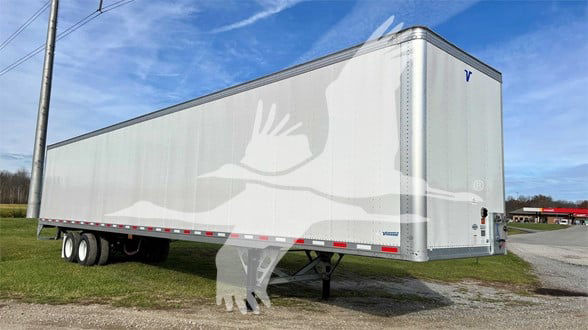
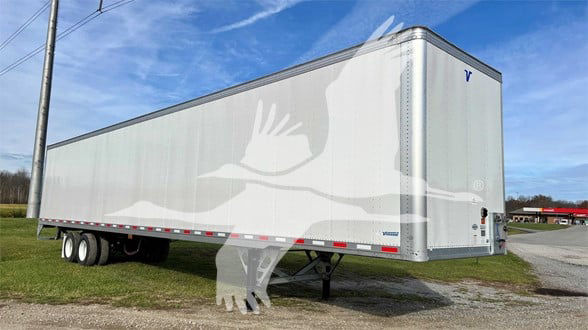
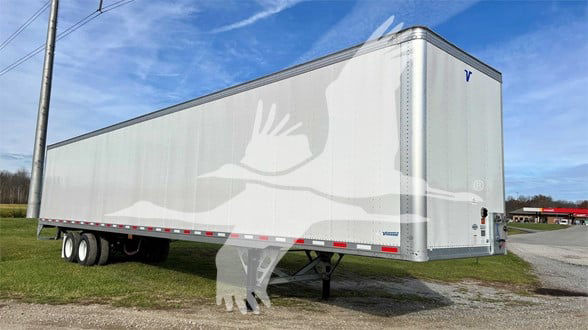
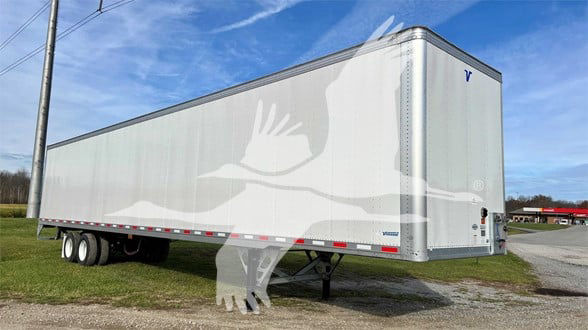
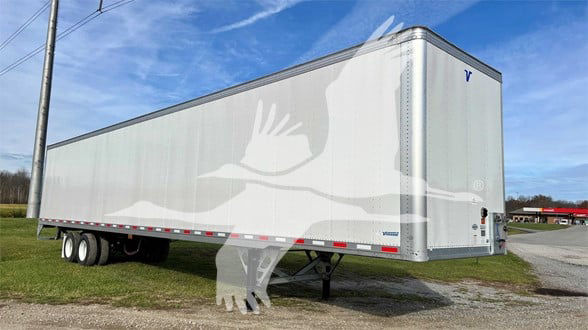
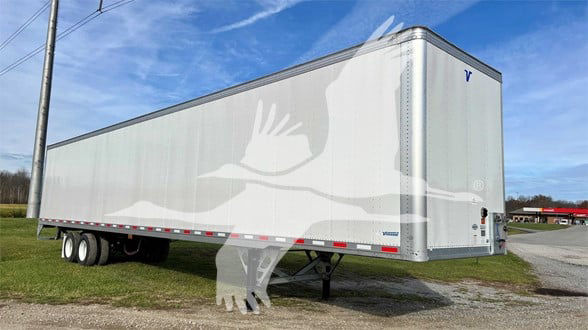
Showing 1 to 12 of 15 results
Have 2021 van trailer to sell? List it here to reach thousands of buyers.
About 2021 Van Trailers in Pennsylvania
On most 2021 van trailers, the baseline spec is a tandem axle air-ride slider with a 49-inch sliding tandem, 36-inch kingpin setting, and 295/75R22.5 tires. That setup gives carriers flexibility on bridge laws, axle scaling, and fleet standardization. Common construction details include aluminum roofs, galvanized rear frames, galvanized bumpers reinforced for dock-lock use, 1 3/8-inch oak floors, and 12-inch crossmember spacing. Buyers should also compare sidewall design closely. Plate vans and composite plate sidewalls can offer good durability for high-cycle freight, while smooth aluminum side construction may be lighter depending on build. Interior details like logistics posts, scuff liners, nose lining, and threshold plate thickness matter if the trailer will see heavy pallet traffic, load bars, or frequent forklift contact.
Door configuration is another practical decision point. Swing doors are common on dry vans and are simple to maintain, while roll doors can be useful in certain urban or multi-stop applications where rear clearance is limited. Interior cube also matters more than many buyers expect. A typical 2021 dry van in this class may offer around 110 inches of interior height and a similar rear door opening, which supports standard palletized freight and efficient cube utilization. If freight is dense, floor condition and crossmember integrity become critical. If freight is light but damage-sensitive, side lining, scuff protection, and roof condition deserve extra attention.
For Pennsylvania operations, buyers should pay attention to corrosion resistance and winter durability. Galvanized components, good rear frame condition, sound landing gear bracing, and a clean suspension history can make a real difference on trailers exposed to road salt and year-round dock work. It is also smart to verify tire age, brake condition, slider operation, floor repairs, and evidence of past sidewall or roof patching. A well-spec'd 2021 van trailer can serve private fleets, dedicated contract carriers, and over-the-road operations that need a standard dry freight box with broad shipper acceptance and straightforward resale appeal.
Frequently Asked Questions
What are the most common specs on a 2021 van trailer?
Most 2021 van trailers on the market are 53 feet long, 102 inches wide, and built as tandem axle dry vans with air-ride suspension and a sliding tandem. Common specs include a 36-inch kingpin setting, 295/75R22.5 tires, aluminum roof, oak floor, and either swing or roll rear doors. Many also include logistics posts, scuff liners, galvanized rear frames, and dock-lock compatible bumpers because those features support daily freight handling and fleet durability.
What should I inspect first on a used 2021 dry van trailer?
Start with the floor, roof, rear frame, suspension, and slider. Floor wear, soft spots, patched boards, and forklift damage can affect both safety and resale. Roof damage, sidewall repairs, and rear frame corrosion are also important because water intrusion and structural issues can become expensive quickly. Buyers should also check brake condition, tire age, landing gear function, door seals, threshold plate wear, and whether the tandem slider moves and locks correctly.
Is a plate van better than a smooth-side van trailer?
It depends on the freight and duty cycle. Plate vans and composite plate sidewalls are often chosen for higher-abuse applications because they can stand up well to repeated dock use, shifting cargo, and trailer-to-trailer fleet work. Smooth-side aluminum vans may appeal to fleets focused on weight, appearance, or certain branding needs. The better choice usually comes down to expected loading abuse, repair costs, and how important sidewall durability is in the operation.
Why does suspension type matter on a 2021 van trailer?
Suspension affects ride quality, cargo protection, maintenance, and trailer tracking. Air-ride suspension is common on dry vans because it helps reduce shock to palletized and damage-sensitive freight while offering a more consistent ride. It is also widely accepted across fleet operations and shipper networks. Buyers should still inspect bushings, airbags, shocks, axle alignment, and slider components because even a well-equipped air-ride trailer can become costly if the undercarriage has been neglected.
Are 2021 van trailers a good fit for Pennsylvania freight operations?
Yes, a 2021 van trailer is a practical fit for many Pennsylvania lanes because dry vans work well for retail freight, packaged goods, distribution center traffic, and general dry commodities. The key is finding a trailer with good corrosion resistance and solid structural condition. Pennsylvania weather, winter road salt, and frequent dock cycling can accelerate wear on frames, bumpers, landing gear, and electrical components, so condition matters just as much as age.