
2021 Van Trailers For Sale
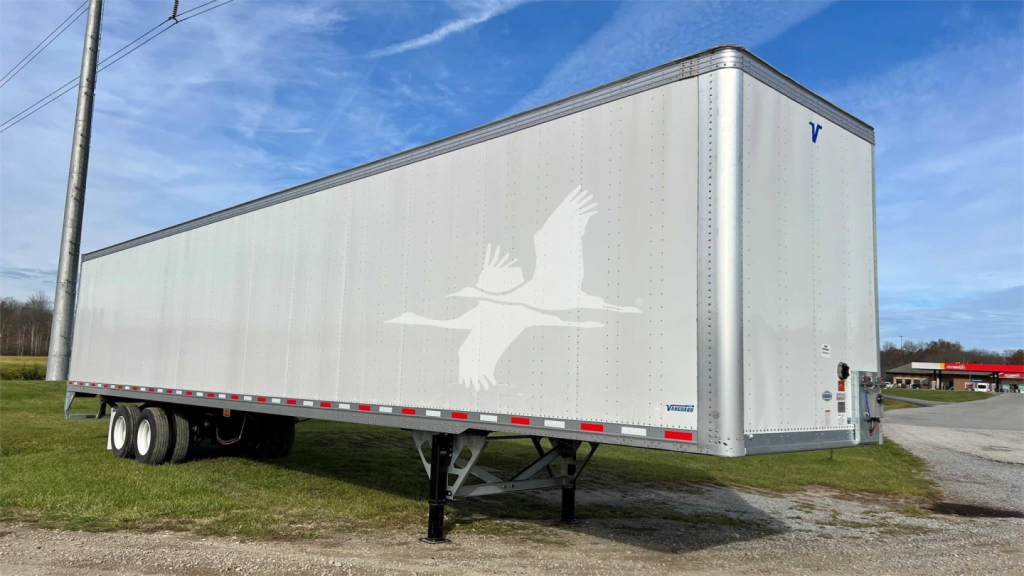
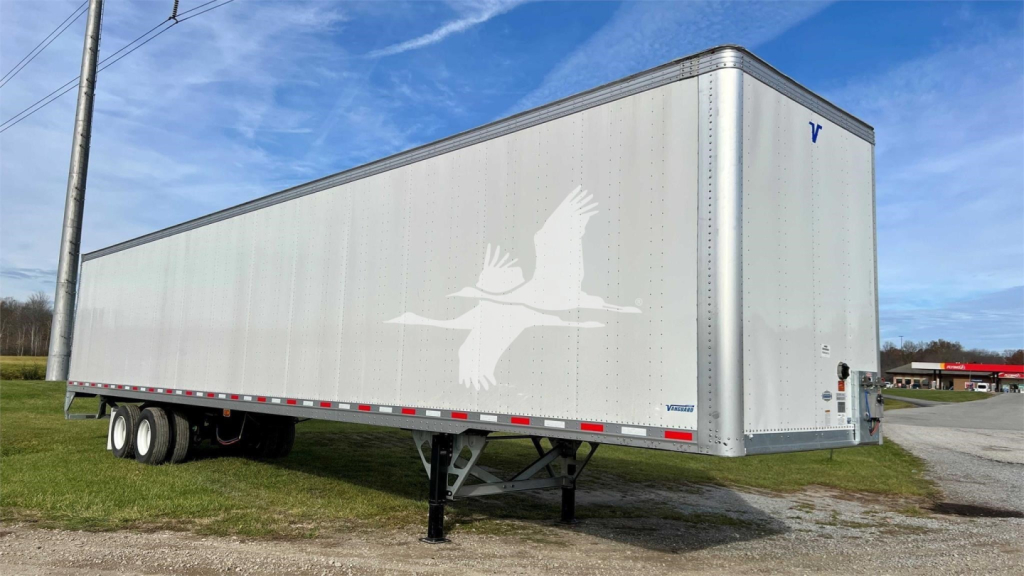
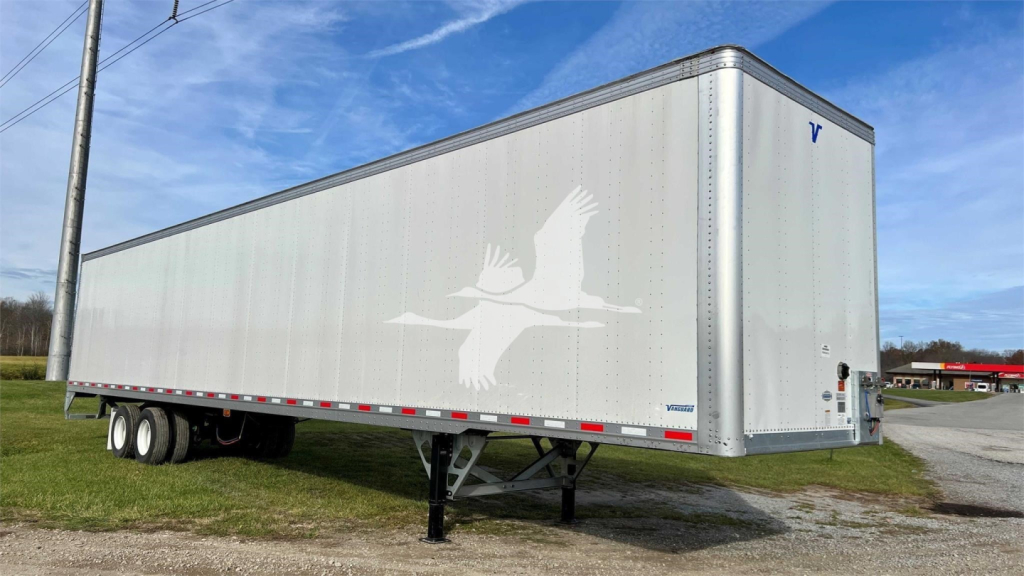
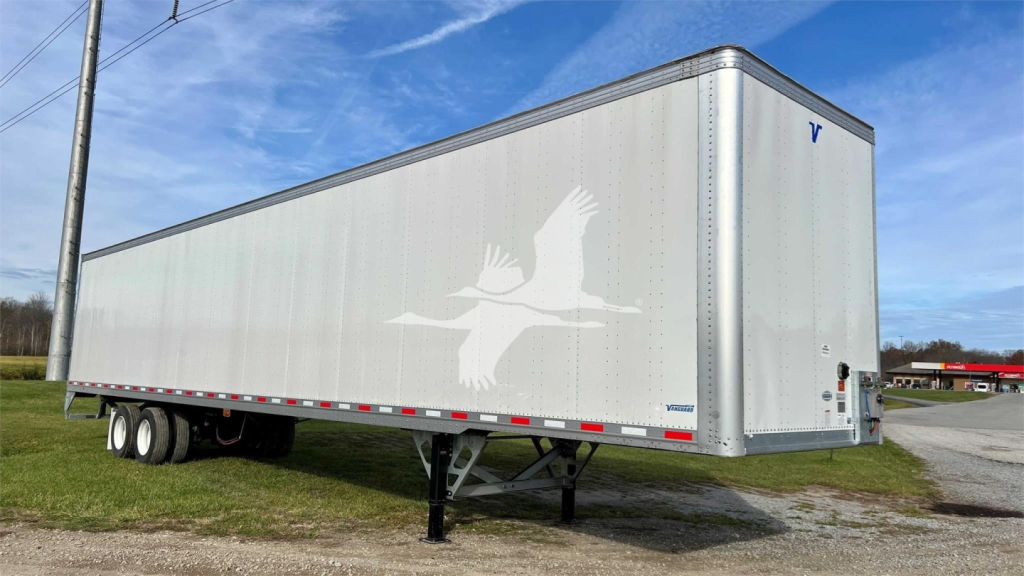
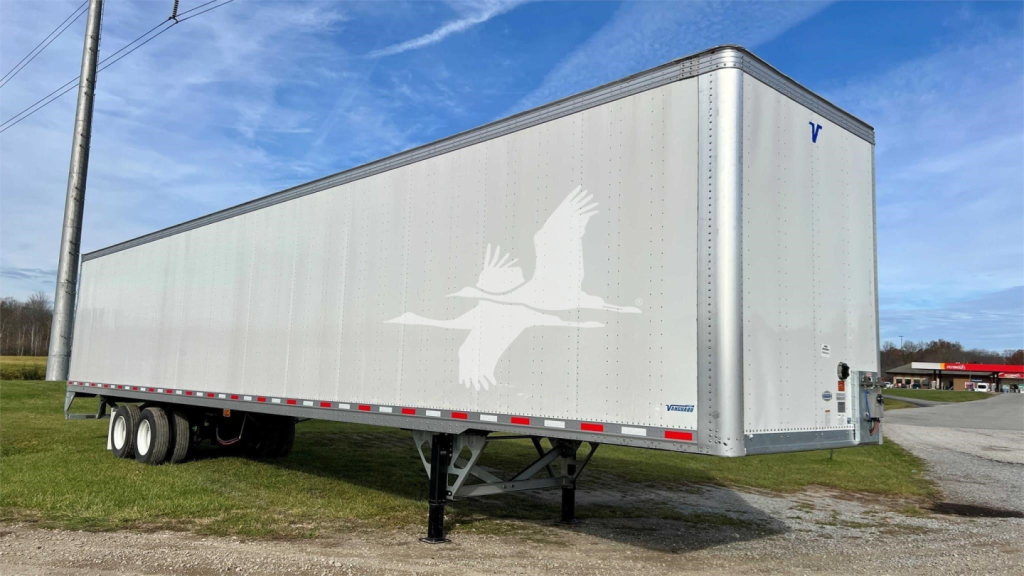
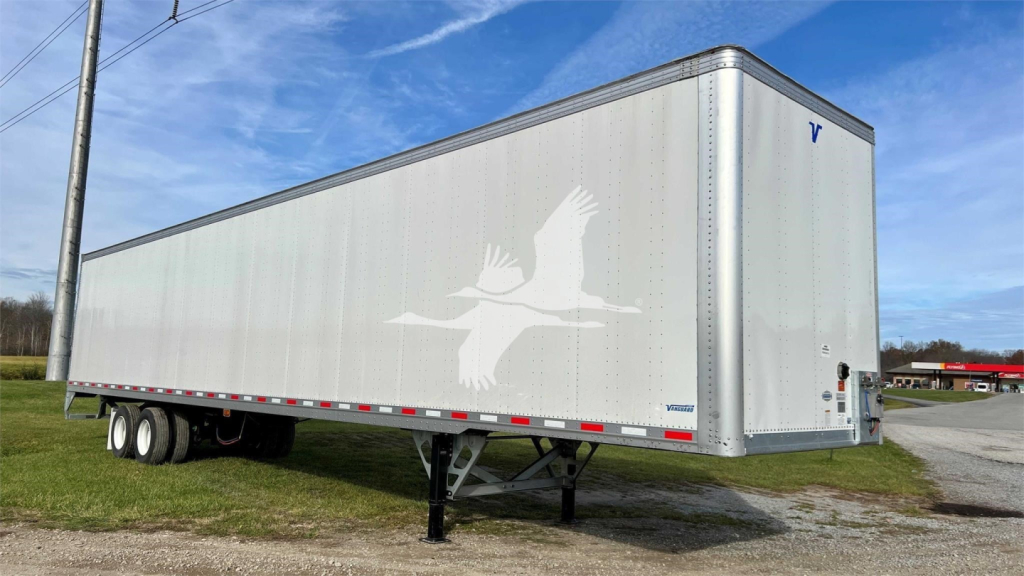
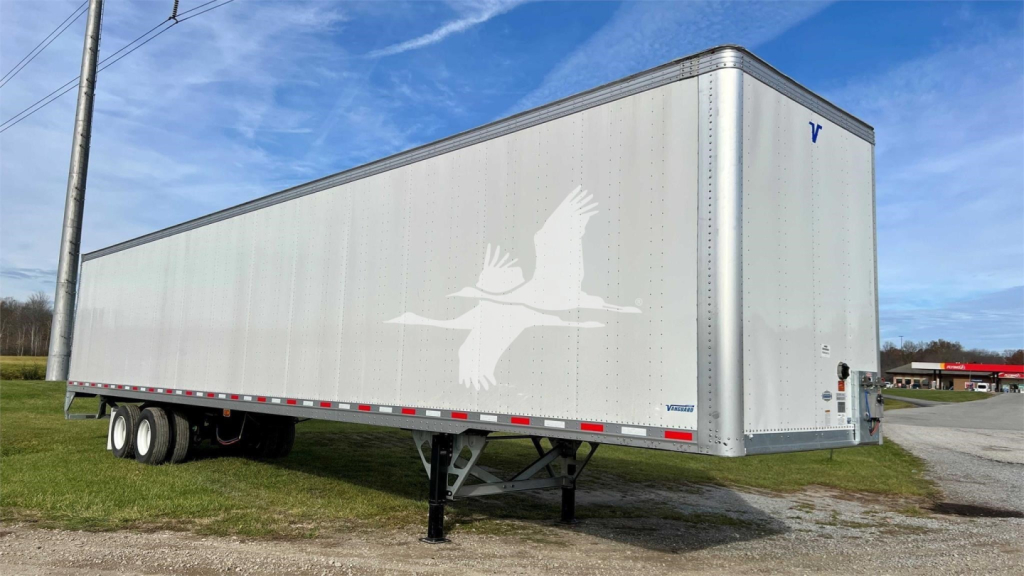
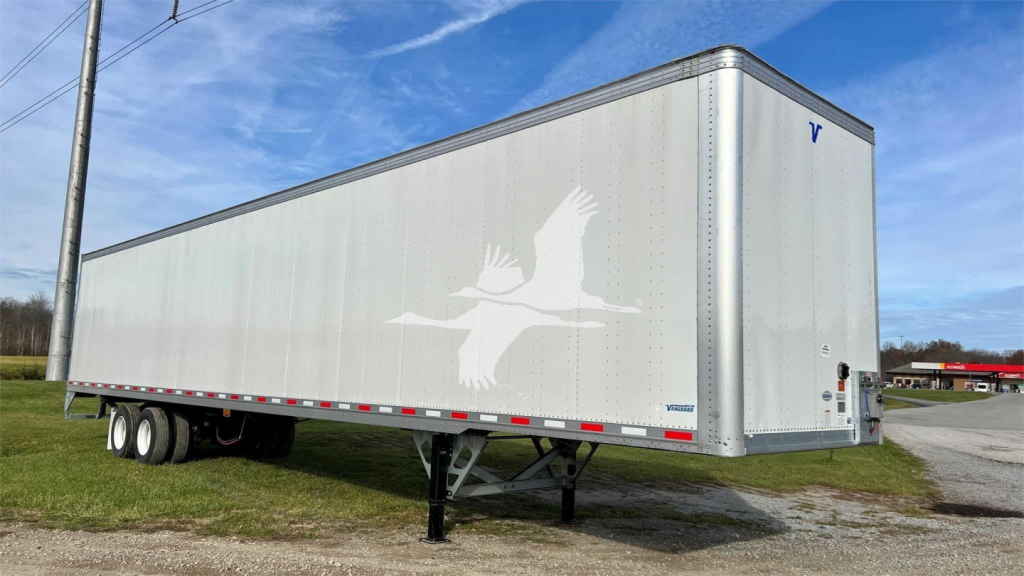
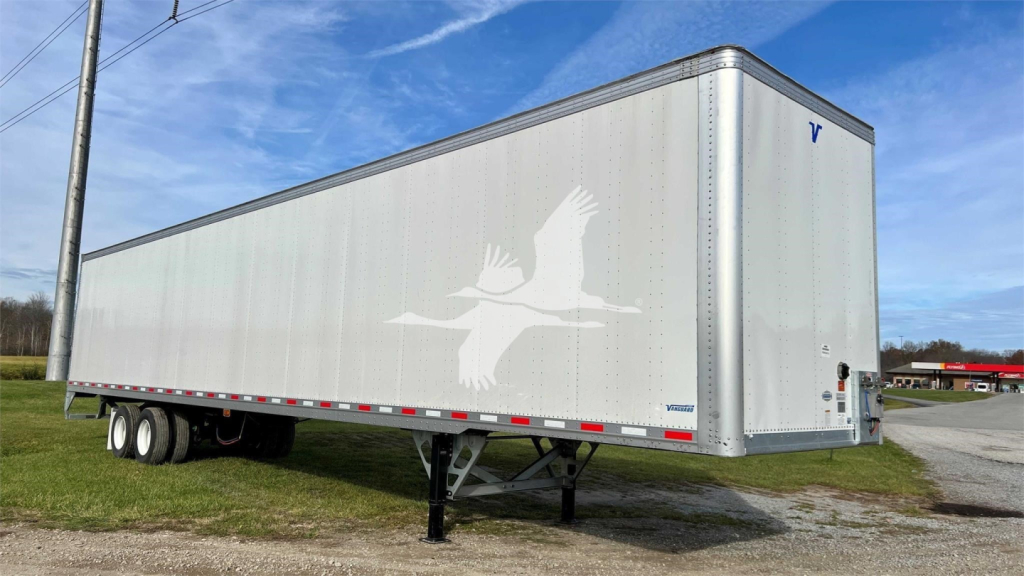
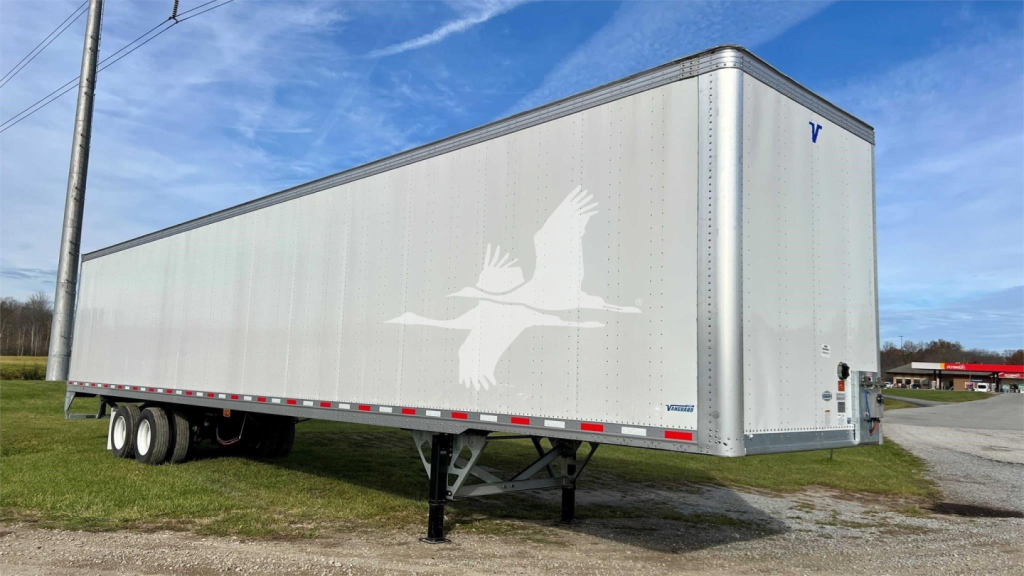
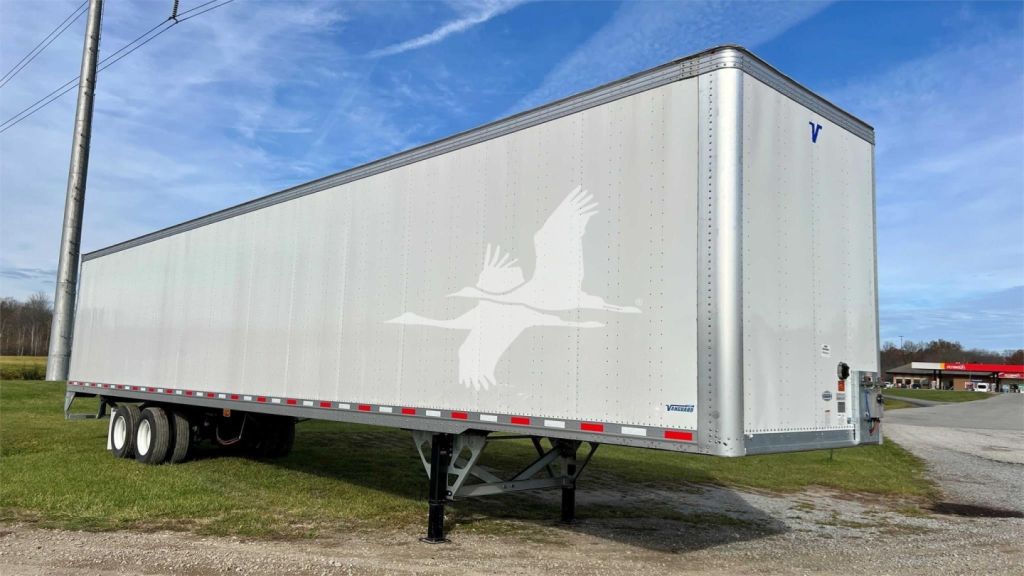
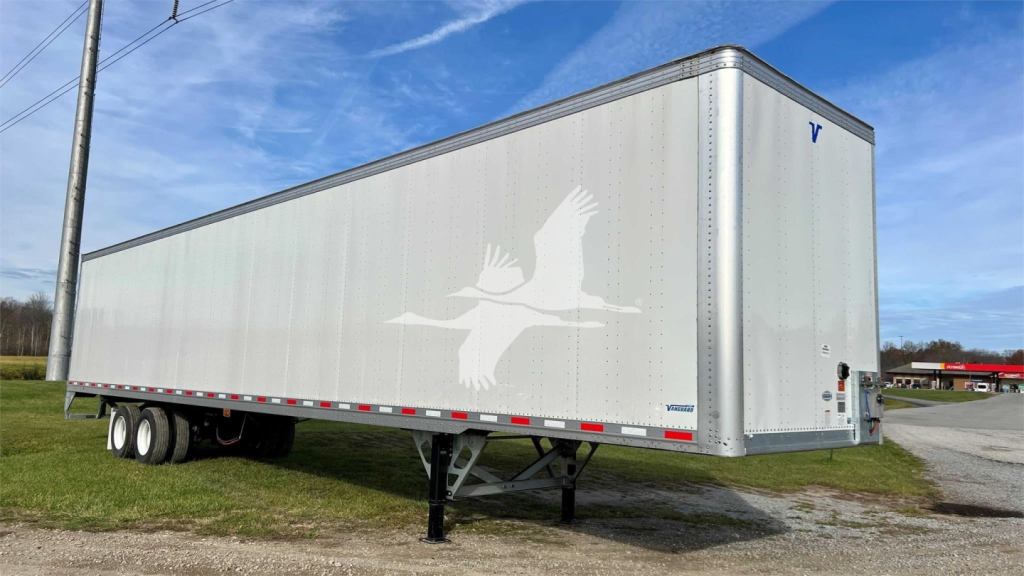
Shop 2021 van trailers for sale, including 53-foot dry vans with air ride, swing doors, sliding tandems, logistics posts, and durable floors.
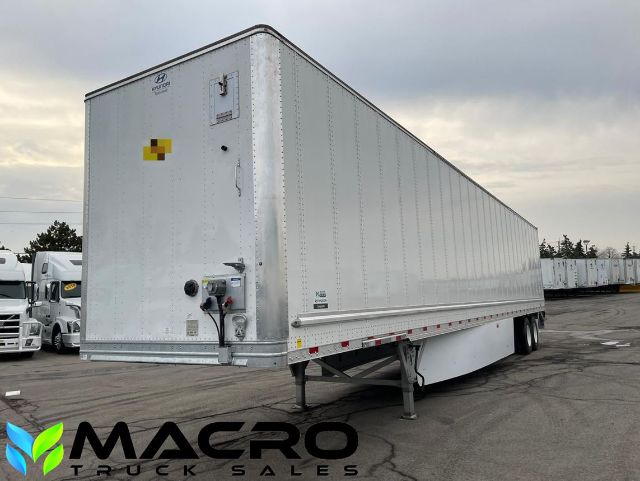
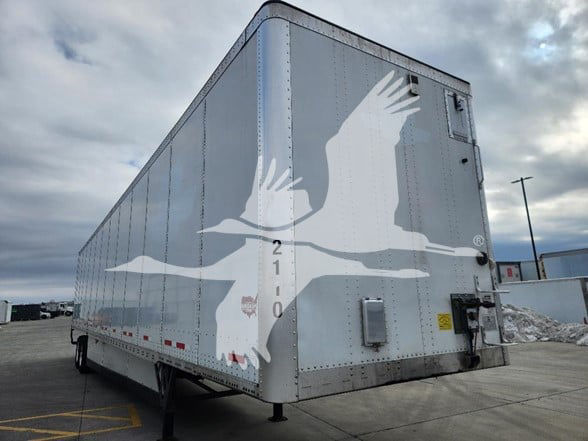
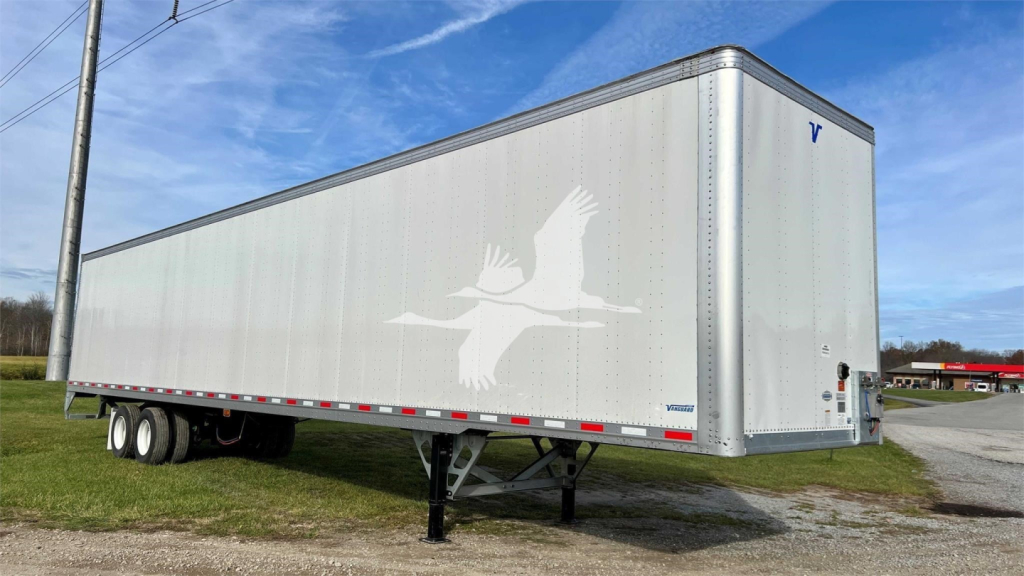
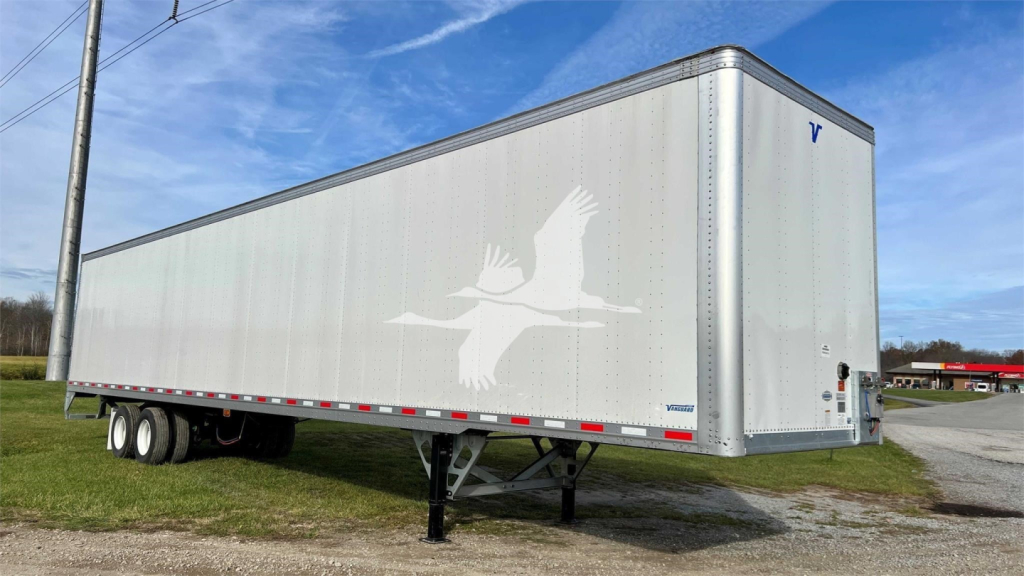

Have 2021 van trailer to sell? List it here to reach thousands of buyers.
2021 Van Trailers
Construction details separate one van trailer from another. Buyers should pay close attention to sidewall material, post spacing, roof design, floor thickness, and rear frame construction. Composite plate or lined interiors can hold up well in multi-stop freight and help reduce wall damage, while scuff liners, threshold plates, and nose lining matter if forklifts are entering the trailer every day. Floor condition is critical on any used dry van, particularly around the door area, crossmember contact points, and high-traffic forklift lanes. A 1-3/8 inch hardwood floor is still common and remains a practical benchmark for general freight. Galvanized rear frames, reinforced bumpers, and dock-lock compatible rear structures are also worth noting because they affect long-term durability in loading dock environments.
Running gear specs deserve just as much attention as the box. Many 2021 van trailers will be set up with tandem axles, 22.5 low-profile tires, steel or aluminum wheels, and air ride suspensions from major suppliers such as Hendrickson. A sliding tandem gives operators more flexibility for bridge law compliance and weight distribution, and kingpin setting can influence how well the trailer matches with your tractor fleet. Tire inflation systems are another valuable feature for buyers focused on uptime and tire cost control. If the trailer will stay in heavier regional cycles, inspect brakes, suspension wear points, landing gear, and slider operation closely. A cleaner late-model van can still become expensive if the suspension, floor, or rear door hardware has been neglected.
For most operations, a 2021 dry van trailer hits a practical middle ground between age, spec, and operating cost. It is new enough to commonly include modern corrosion protection, logistics-friendly interiors, and current suspension setups, but old enough that there is usually a wider spread of price points based on condition and mileage. Buyers comparing listings should think beyond year alone and match the trailer to the freight: logistics posts and interior lining for mixed pallet freight, durable floors for forklift-heavy lanes, and lighter-weight specs for payload-sensitive operations. Also known simply as a dry van or enclosed van trailer, this category remains the backbone of general freight because it is versatile, dock-friendly, and easy to integrate into almost any over-the-road or regional trailer pool.
Frequently Asked Questions about 2021 Van Trailers
What are the most common specs on a 2021 van trailer?
Most 2021 van trailers in the used market are 53 feet long, 102 inches wide, and 13 feet 6 inches tall. Common specs include swing doors, tandem axles, air ride suspension, a sliding tandem, 22.5-inch tires, hardwood flooring, logistics posts, and some form of interior scuff protection or composite lining. Exact specifications vary by manufacturer and original fleet order, so buyers should verify kingpin setting, floor construction, suspension brand, and rear frame details on each trailer.
Is a 2021 dry van trailer a good age for fleet use?
Yes, for many fleets a 2021 dry van trailer is a practical age because it is still relatively late-model but usually priced below a new trailer. It can offer a strong balance of resale value, service life, and updated trailer design. The real value depends on how the trailer was used and maintained. A well-kept 2021 unit with a solid floor, straight rear frame, smooth slider operation, and clean doors can be a better buy than a newer trailer with heavier wear.
What should I inspect first on a used 2021 van trailer?
Start with the floor, roof, sidewalls, rear frame, doors, and suspension. Floor damage from forklifts is one of the most expensive issues to correct, so check for soft spots, patches, and wear around high-traffic lanes. Inspect the rear sill, threshold plate, hinges, and door seals for dock damage and water entry. Then look at tire condition, brake wear, landing gear, tandem slider rails, and any tire inflation system components. Structural condition and maintenance history are usually more important than cosmetic appearance.
What is the advantage of a sliding tandem on a van trailer?
A sliding tandem gives the operator more flexibility in axle placement, which helps with bridge law compliance, state-specific weight rules, and load distribution. It can also improve how the trailer balances with different freight types and tractor wheelbase configurations. For fleets running varied lanes or mixed customer freight, a sliding tandem is often preferred over a fixed tandem because it expands where and how the trailer can legally operate.
Are lined or composite-wall van trailers better for certain freight?
Yes. Lined or composite-wall van trailers are often a better choice for operations with frequent forklift loading, palletized freight, and multi-stop delivery cycles. Interior lining and scuff protection help reduce wall damage, lower repair frequency, and keep the trailer more serviceable over time. For general dry freight, those features can improve longevity, especially in fleets where trailers see constant dock contact and repeated interior impacts.