
2017 Van Trailers For Sale in Pennsylvania
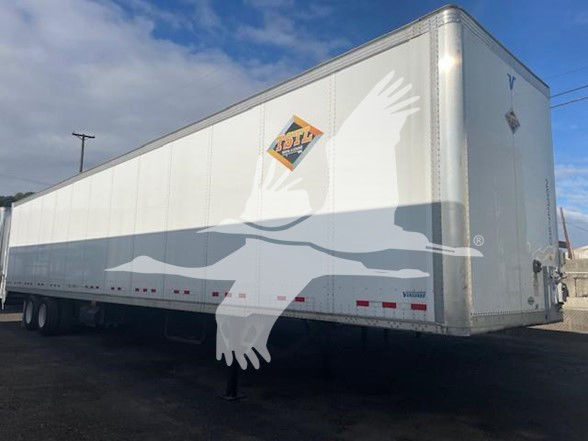
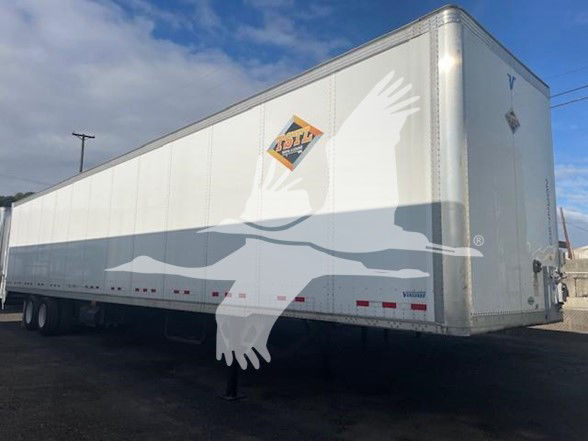
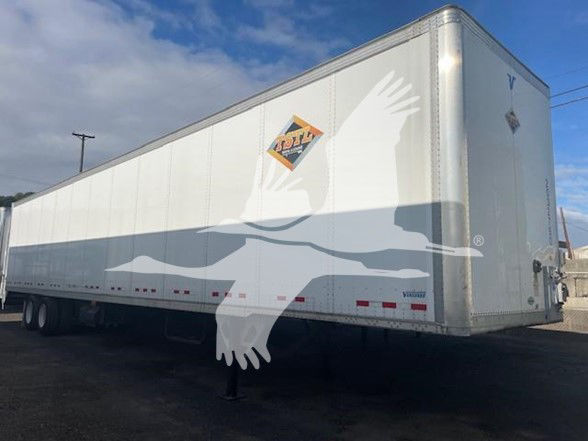
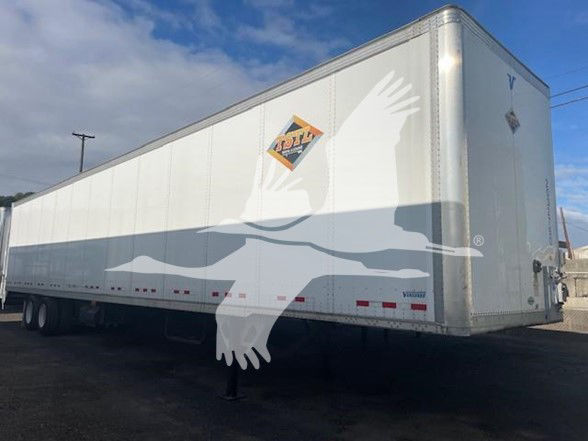
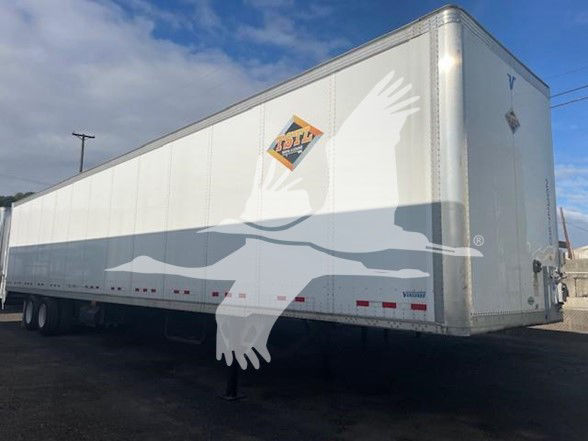
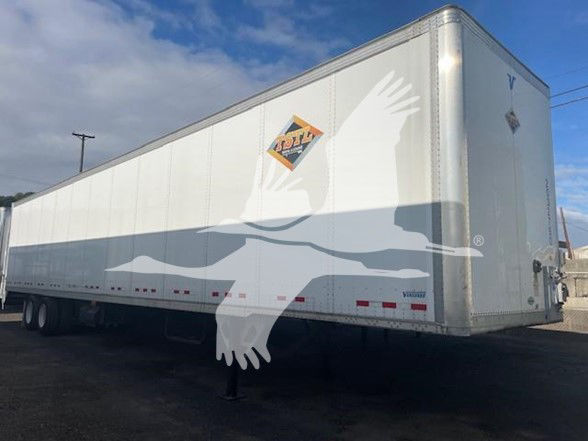
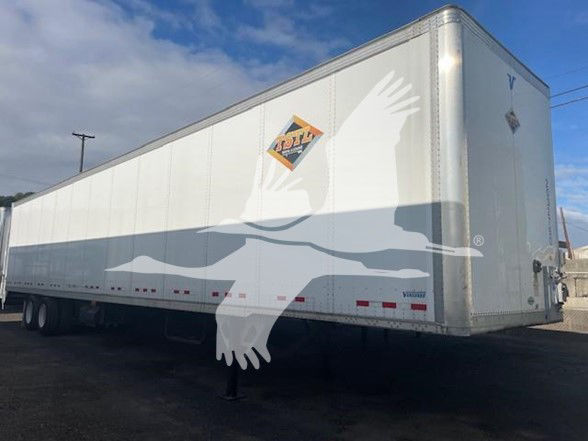
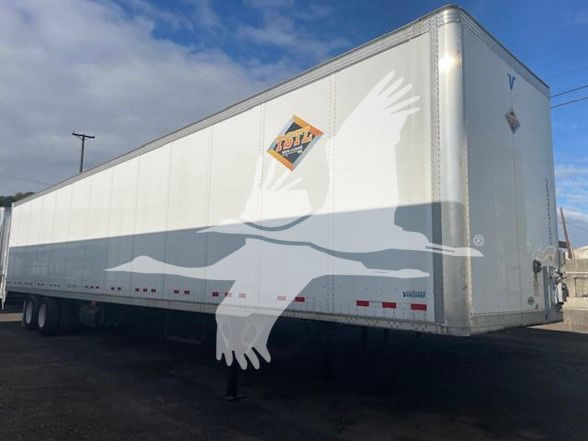
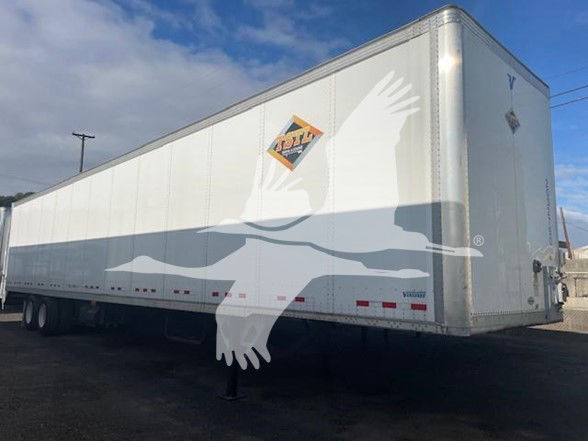
Shop 2017 van trailers in Pennsylvania. Compare 53-foot dry vans, plate and sheet-and-post bodies, air ride suspensions, and slider tandems.
Learn more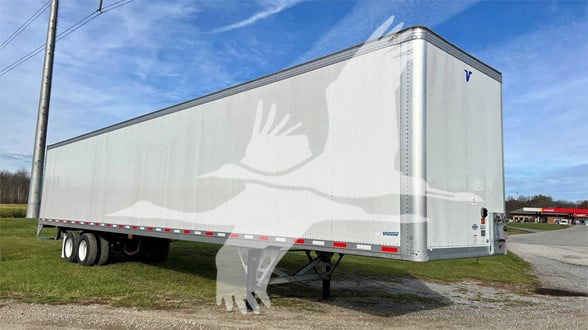
Showing 25 to 36 of 42 results
Have 2017 van trailer to sell? List it here to reach thousands of buyers.
About 2017 Van Trailers in Pennsylvania
The core spec set on a 2017 dry van usually includes a 102-inch wide body, 13-foot 6-inch overall height, swing doors, tandem axles, and either a fixed or sliding tandem configuration. Air ride suspension is especially desirable for shippers concerned about ride quality, cargo protection, and dock consistency. A slider tandem adds flexibility for bridge law compliance and axle spacing, which matters on multi-state routes and in urban freight corridors. Common supporting specs include a 36-inch kingpin setting, two-speed landing gear, 295/75R22.5 tires, aluminum roofs, hardwood floors, and rear dock protection such as reinforced bumpers or dock-lock-compatible rear frames.
Condition matters more than model year alone on a used 2017 van trailer. Buyers should pay close attention to floor wear, roof integrity, rear frame corrosion, threshold plate damage, door seal condition, and signs of sidewall impact from forklifts or shifting freight. On plate vans, inspect the interior lining and scuff protection. On sheet-and-post trailers, look closely at post straightness, skin repairs, and any buckling around logistics track areas. Suspension condition, slide rail wear, brake life, tire matching, and ABS function should also be part of the evaluation, especially if the trailer will go straight into a fleet rotation.
For many fleets, a 2017 van trailer hits a useful balance between acquisition cost and remaining service life. Buyers comparing listings should match the trailer build to the freight profile, not just the price. A heavier-duty plated body with full-height lining and robust scuff protection can make sense for high-touch freight and frequent loading cycles, while a lighter sheet-and-post configuration may suit standard pallet freight with tighter operating budgets. In Pennsylvania, where trailers may see cold winters, wet roads, and high dock activity, structural condition and maintenance history can be more important than brand name alone.
Frequently Asked Questions
What is the difference between a plate van and a sheet-and-post van?
A plate van uses composite or plated sidewalls that are generally more resistant to interior damage from freight contact and forklift activity. A sheet-and-post van uses an exterior skin supported by vertical posts, which can reduce purchase cost and tare weight depending on the build. For buyers hauling dense or high-touch freight, a plate van often offers better long-term durability. For standard dry freight, a well-maintained sheet-and-post trailer can still be a solid fit.
Is air ride important on a 2017 van trailer?
Air ride is an important feature for many dry van applications because it helps reduce cargo shock and can improve ride quality over rough roads. It is especially useful for retail freight, packaged goods, and mixed pallet loads that shift or settle during transit. Air ride also tends to be preferred by fleets that load at busy distribution centers where consistent trailer height at the dock matters. On a used trailer, the condition of the suspension components is just as important as the suspension type itself.
Why does a sliding tandem matter on a dry van trailer?
A sliding tandem gives the operator flexibility to adjust axle position for bridge law compliance, weight distribution, and turning characteristics. This is useful in multi-state operations and in regions with tight docks, urban streets, and variable load densities. Buyers in Pennsylvania often value slider tandems because trailers may move between local, regional, and over-the-road service. The slide mechanism should be checked for rail wear, locking pin operation, and signs of neglected lubrication.
What should I inspect first on a used 2017 van trailer?
Start with the floor, roof, rear frame, doors, and suspension. A worn floor can become a major repair item if forklifts have damaged boards or fasteners. Roof leaks, corroded rear frames, damaged door hardware, and compromised seals can create recurring operating problems. After that, inspect tires, brakes, wheel ends, ABS, landing gear, and any signs of sidewall repairs or structural misalignment.
Are 2017 van trailers still a good value for fleet use?
A 2017 van trailer can still be a strong value if the structure is sound and the maintenance history is consistent. This model year often offers a lower acquisition cost than newer units while still providing the standard 53-foot dry van specs most fleets need. The real value depends on remaining floor life, suspension condition, corrosion levels, and how the trailer was used. A cleaner trailer with documented upkeep is usually a better buy than a cheaper unit with hidden structural wear.