
2015 Van Trailers For Sale
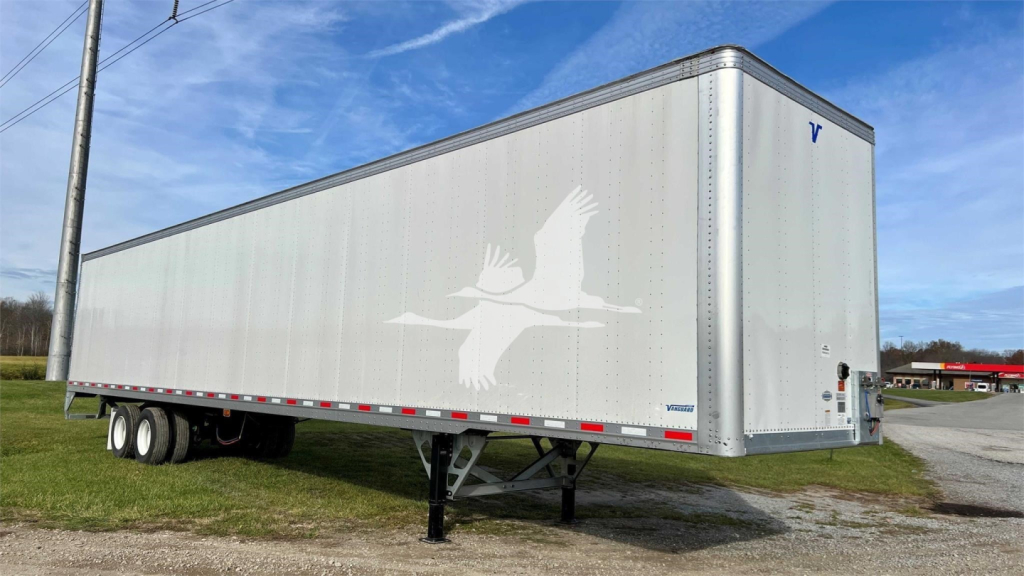
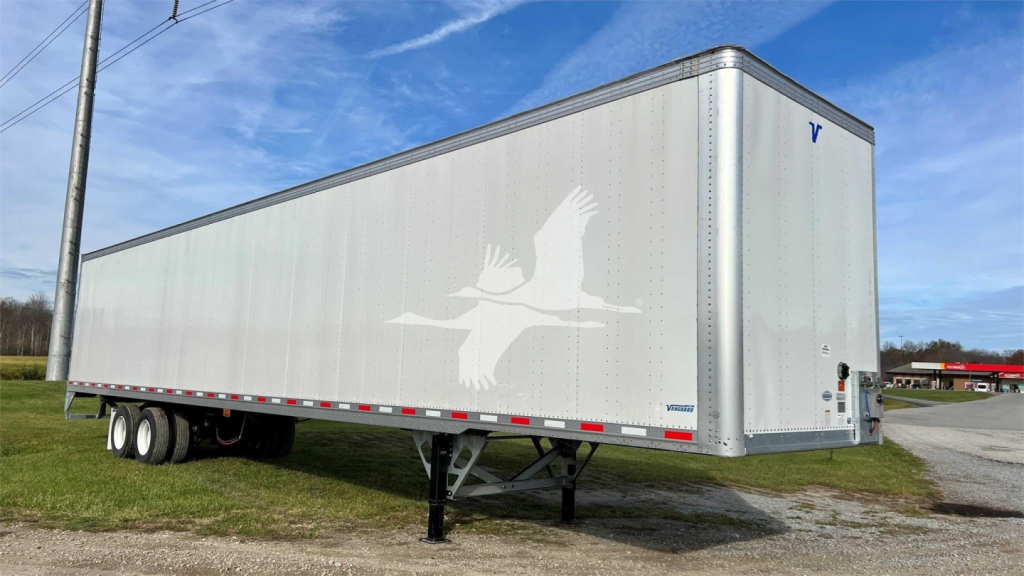
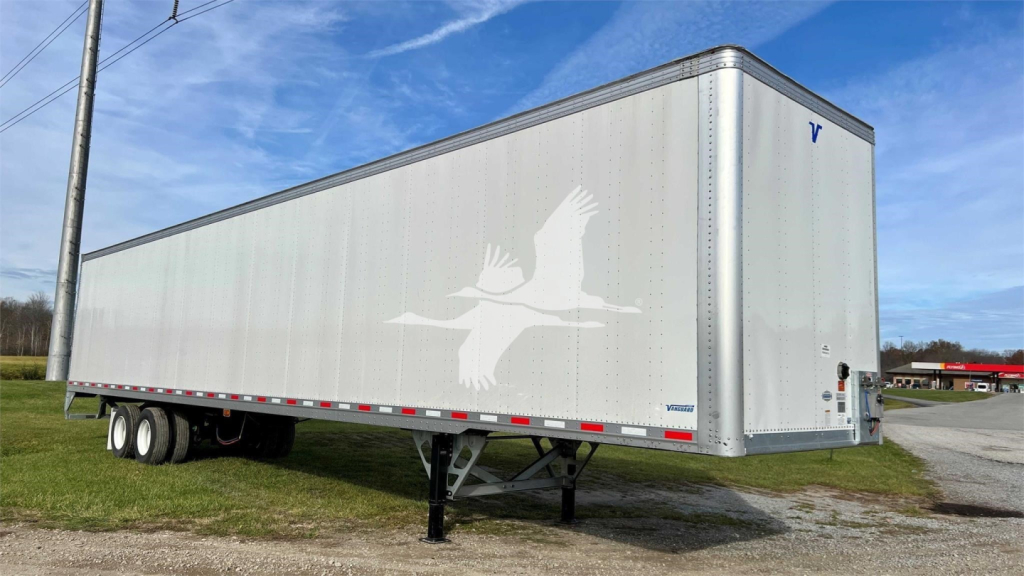
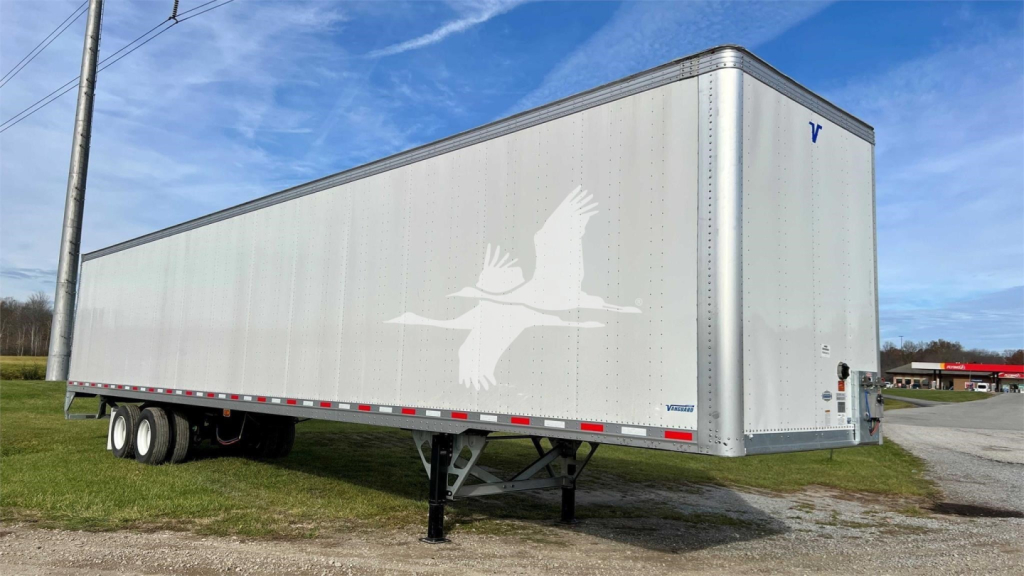
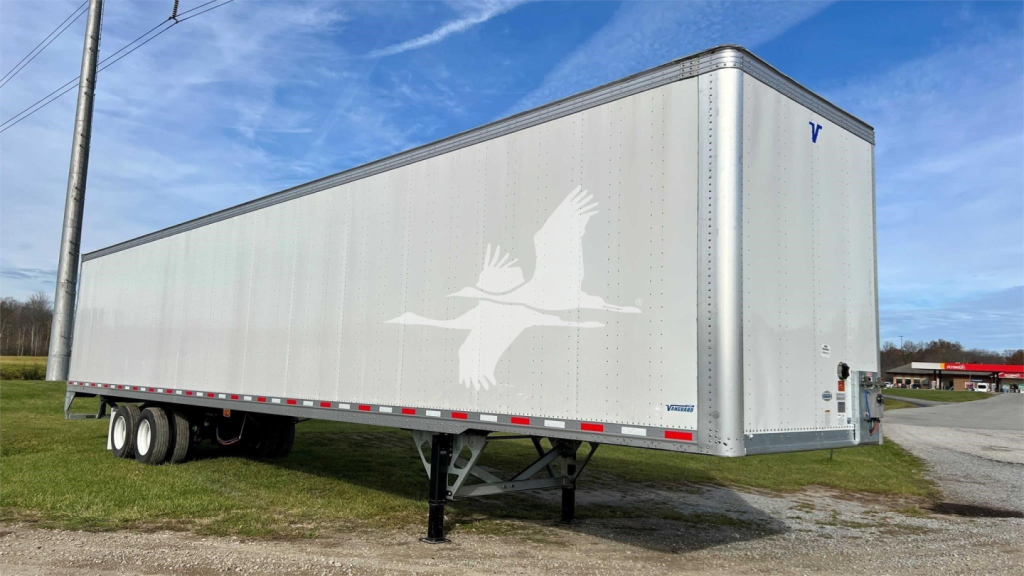
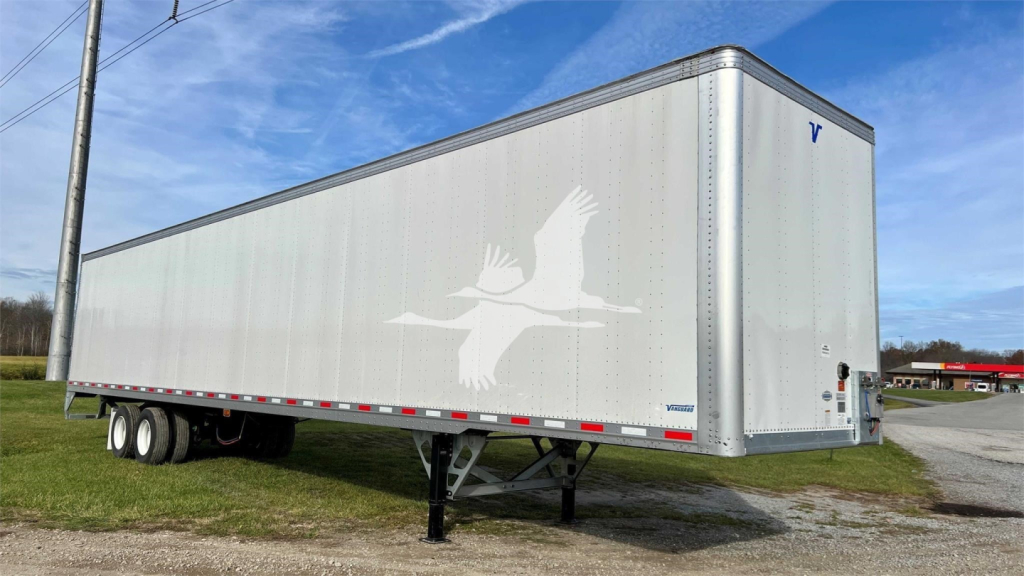
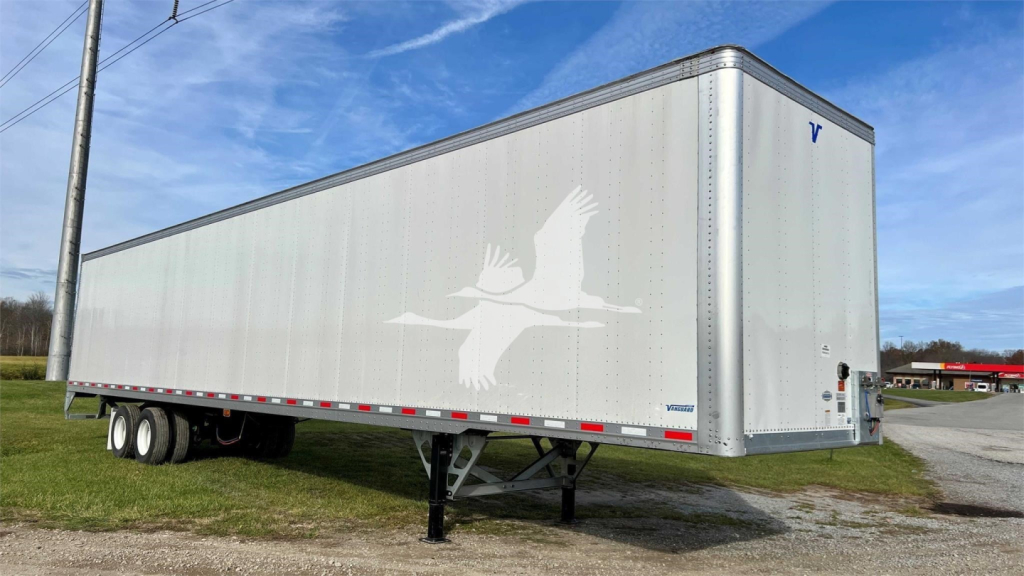
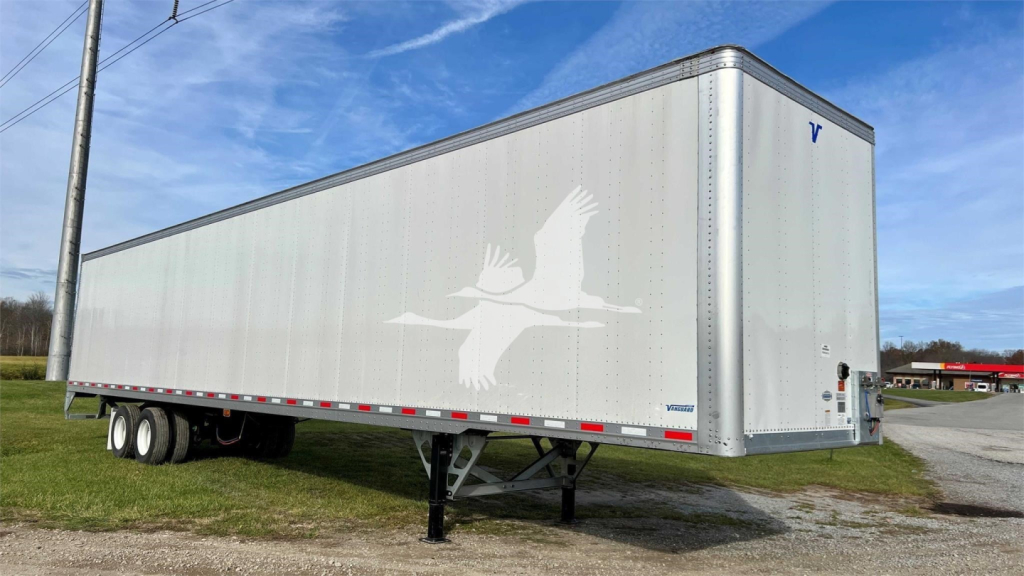
Shop 2015 van trailers with common 53-foot dry freight specs, sliding tandems, air ride setups, and cargo-friendly interior options.
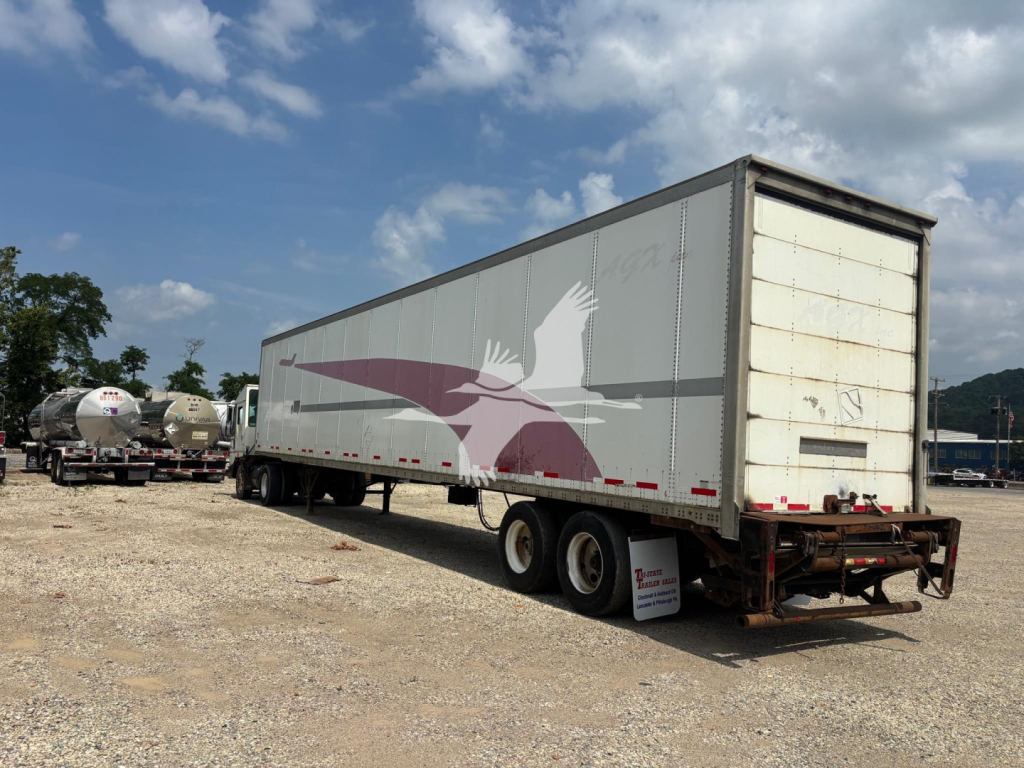
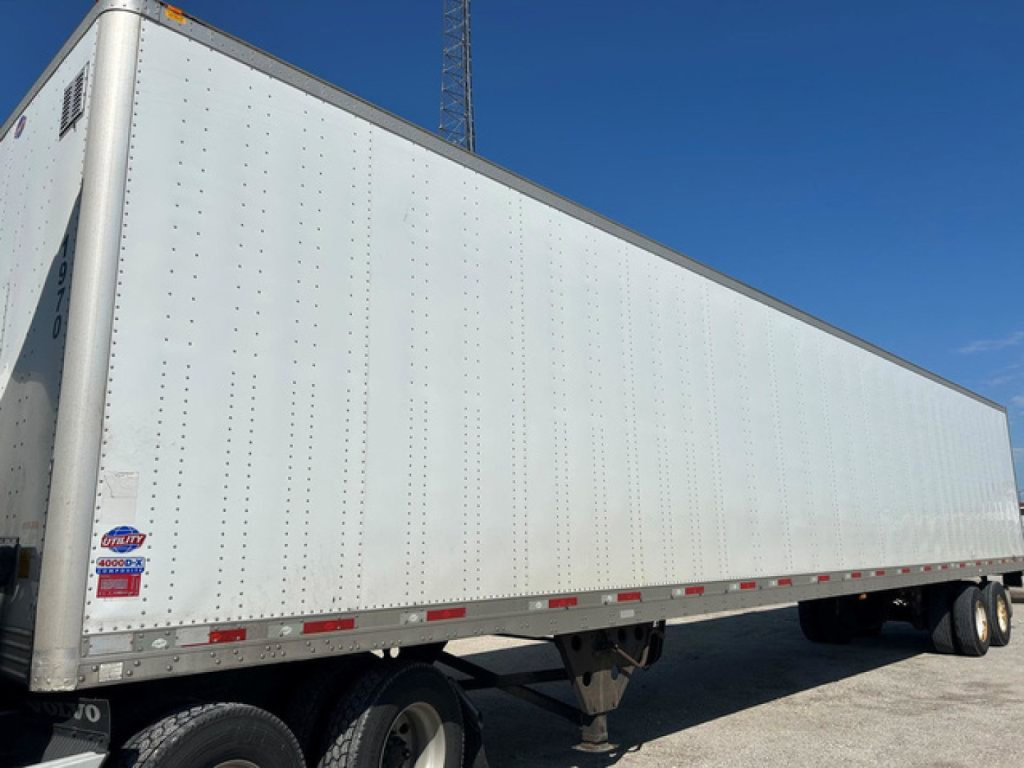
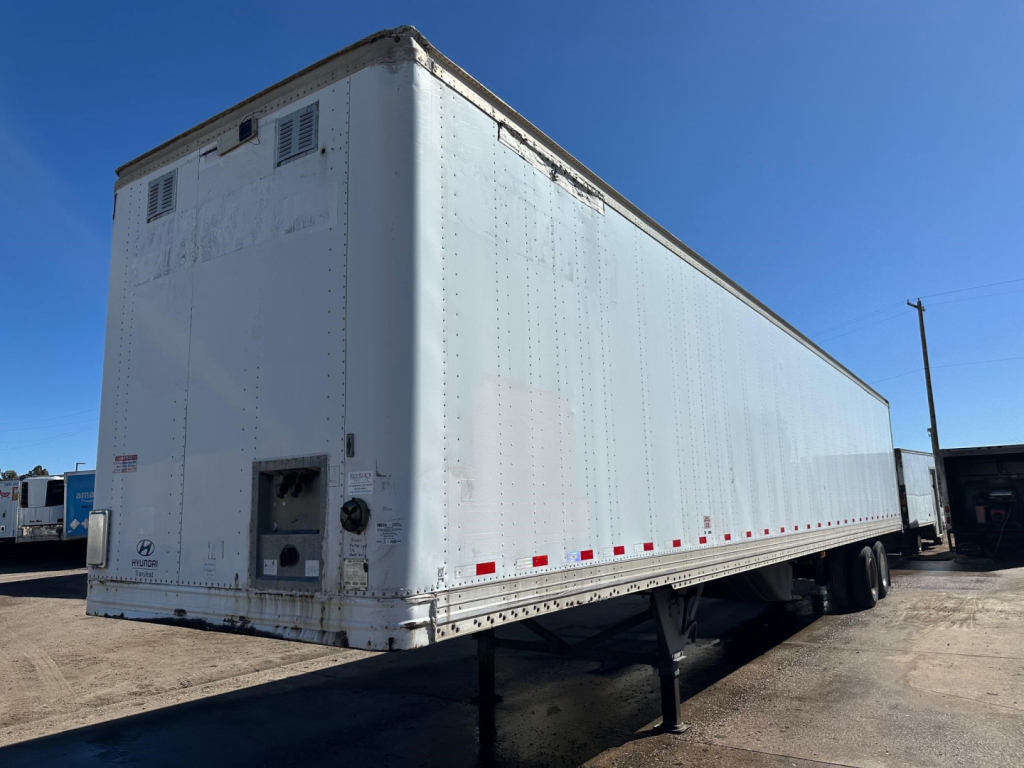
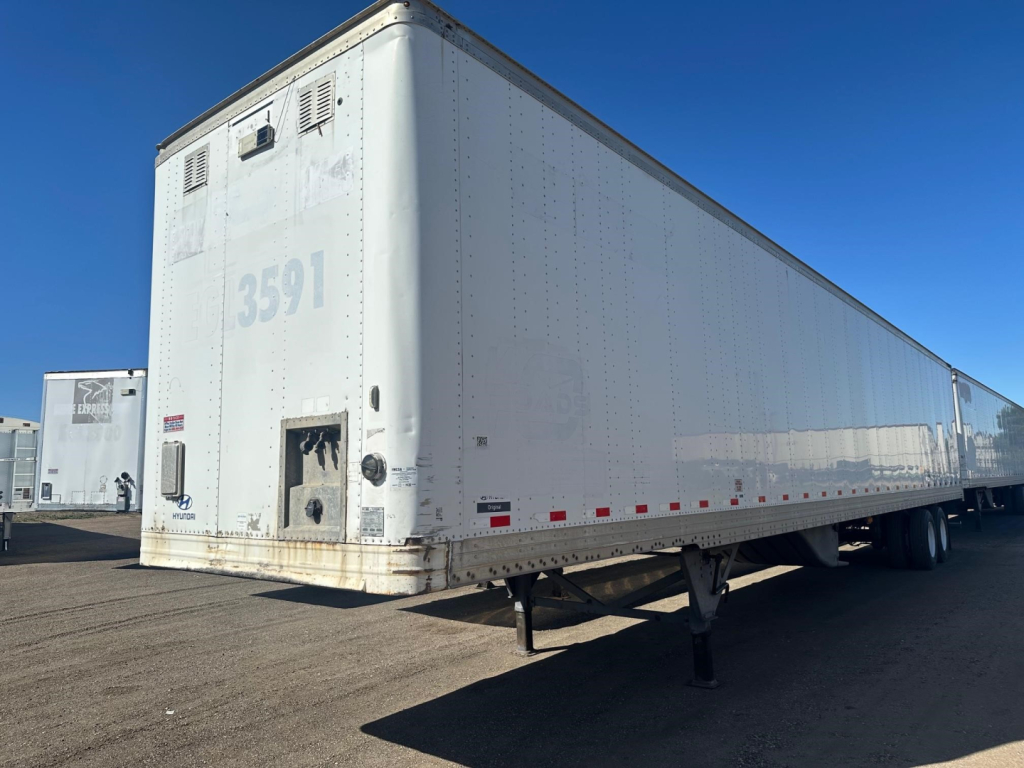
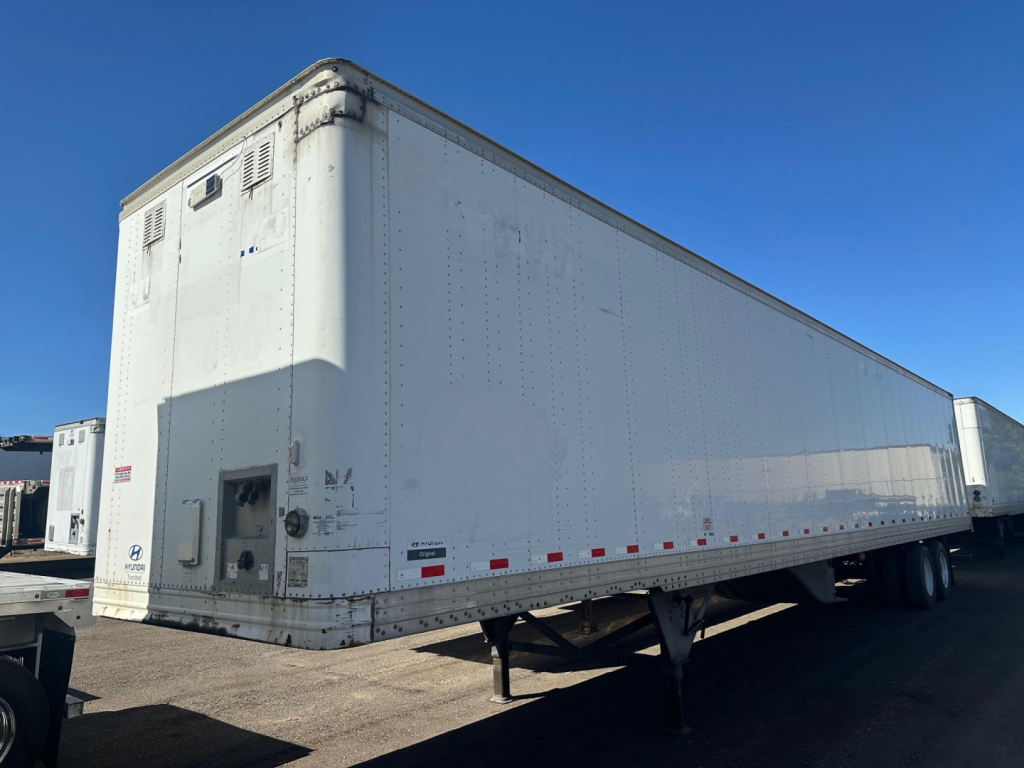
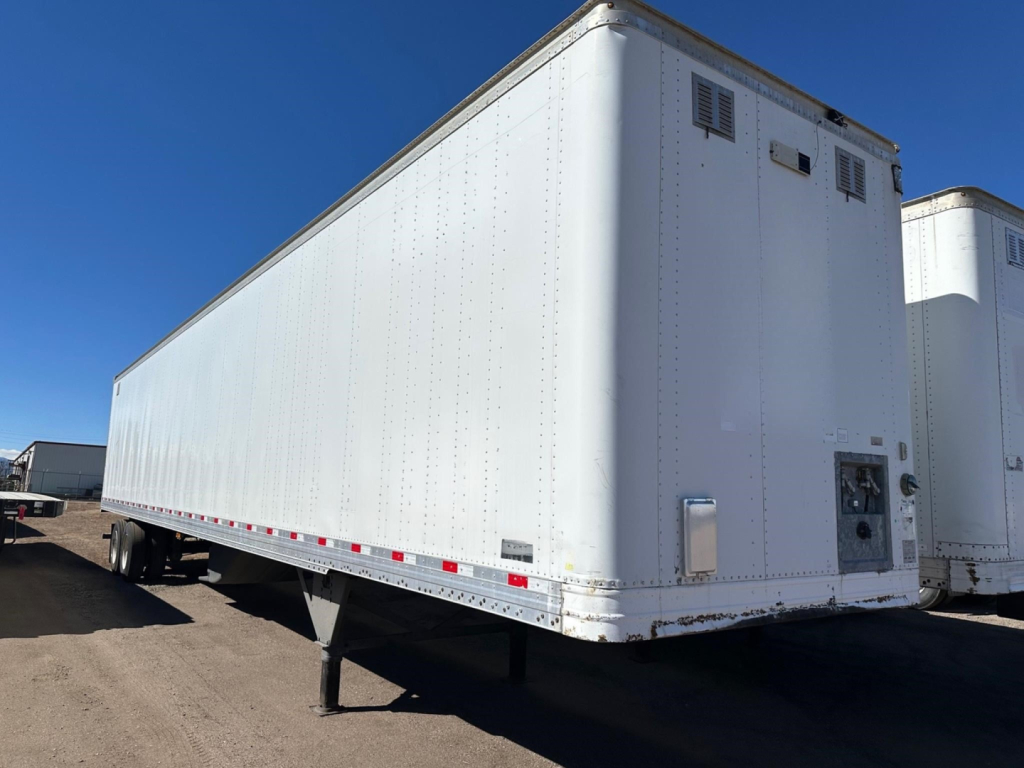
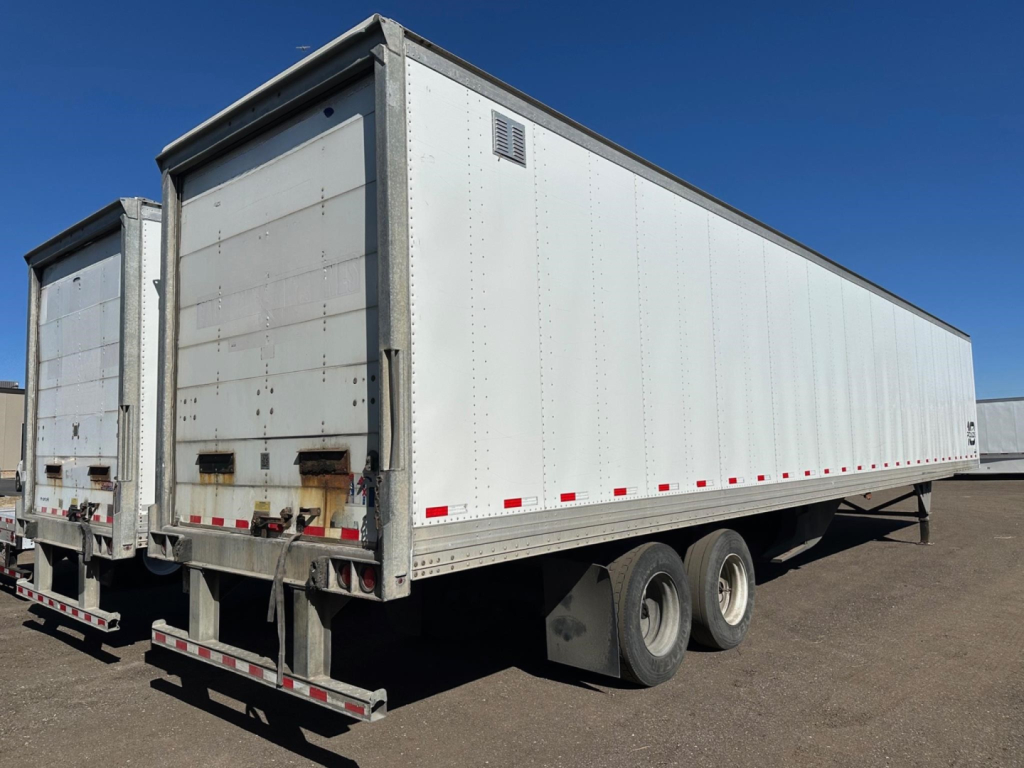
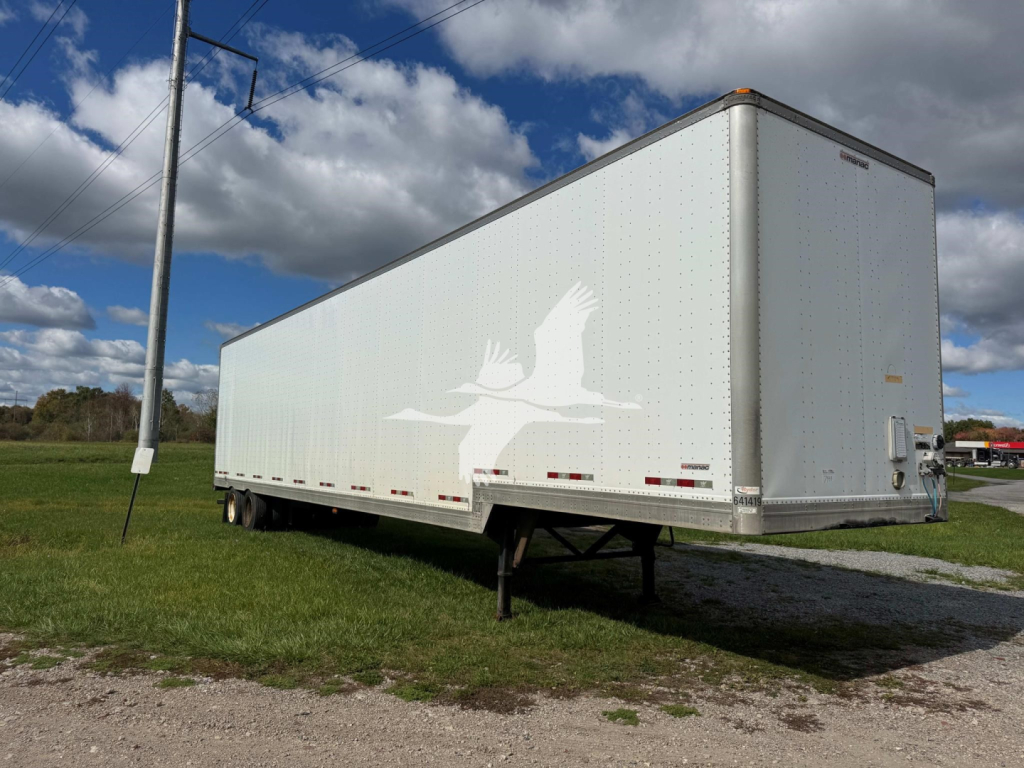
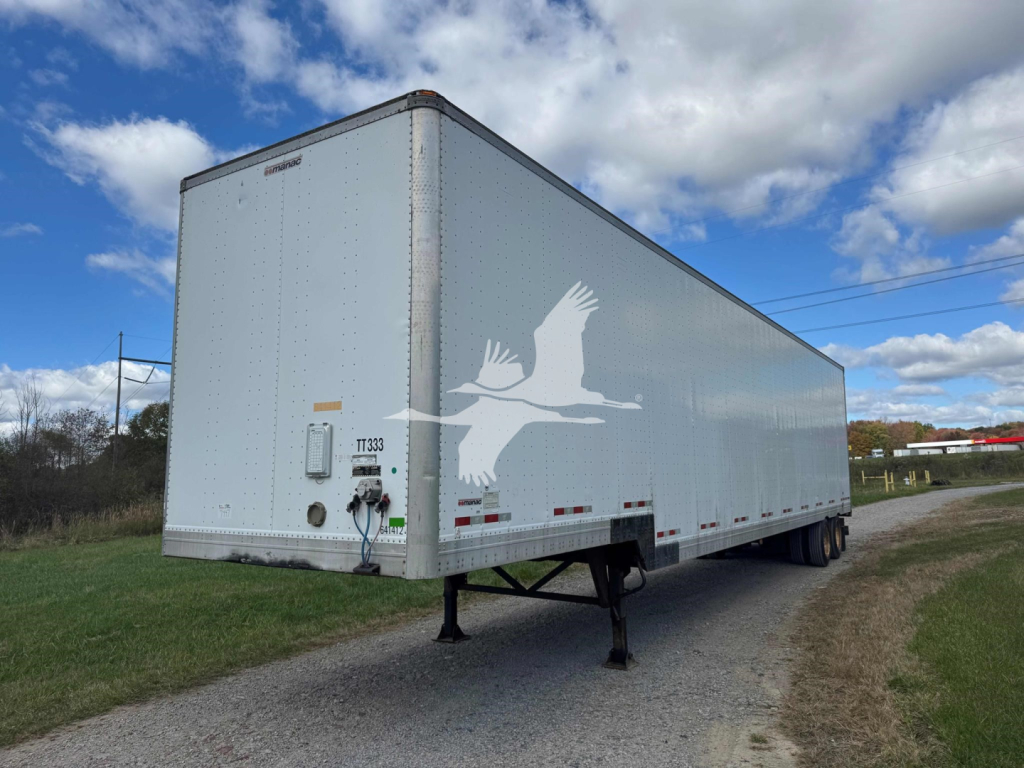
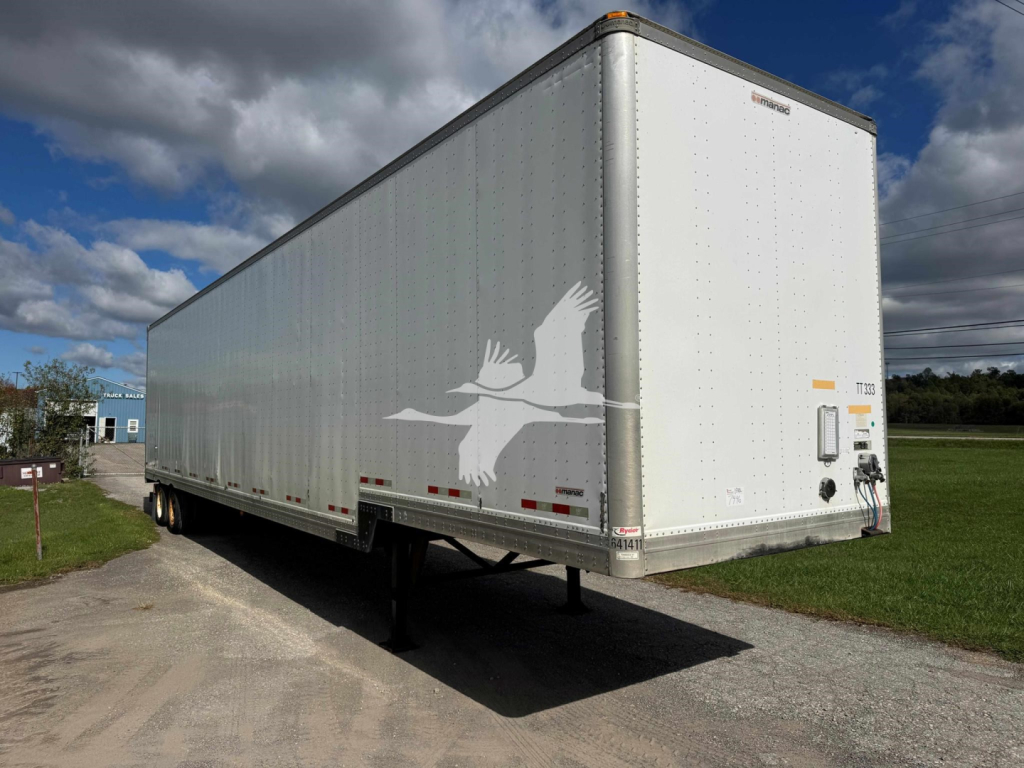
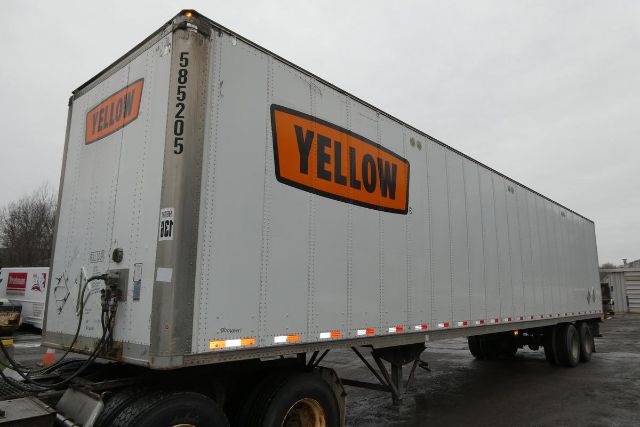
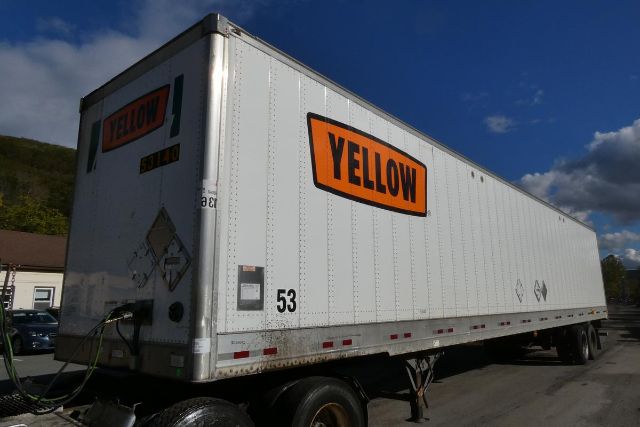
Showing 1 to 24 of 54 results
Have 2015 van trailer to sell? List it here to reach thousands of buyers.
2015 Van Trailers
On a 2015 model, pay close attention to the structure before you focus on appearance. Aluminum trailers are common and help with tare weight, but the side panels, roof bows, rear frame, crossmembers, and door frame matter more than paint. Check the floor for rot, soft spots, patched boards, or heavy forklift wear around the threshold plate and nose. Interior spec can tell you a lot about prior service. Wood floors, scuff plates, logistics posts, scuff liners, and composite lining usually indicate standard dry freight or dedicated shipper work. Swing doors remain common and are simple to maintain, while roll-up doors may be preferred in certain route operations but can add repair expense over time.
Running gear is where a 2015 van trailer can separate into either a dependable fleet asset or a maintenance project. Sliding tandems are standard on many dry vans and give flexibility for bridge law compliance and dock positioning. Air ride suspension is widely preferred for freight protection, while spring ride may still appear on older or lower-cost units. Look at axle alignment, suspension wear points, bushing condition, slider rail condition, and signs of neglected brake work. Many buyers also want later-spec features that began showing up more often in this era, including disc brakes, automatic tire inflation systems, aerodynamic side skirts, and low-profile 22.5 tires. Tire age, wheel type, and brake remaining life can change the real cost of the trailer quickly, even when two units look similar on paper.
A well-matched 2015 van trailer can still be a strong value for regional freight, dedicated contract lanes, warehouse shuttles, or backup over-the-road capacity. Buyers should confirm inside dimensions, door opening height, kingpin setting, empty weight, GVWR, and any fleet maintenance history before comparing price alone. If the trailer will be used in food, paper, packaging, or high-cube consumer freight, interior condition and water tightness are especially important. For operations that load heavy, repeated forklift traffic, the floor system, threshold reinforcement, and rear impact area deserve extra scrutiny. In this category, condition and prior application usually matter more than brand name by themselves.
Frequently Asked Questions about 2015 Van Trailers
What are the most common specs on a 2015 van trailer?
Most 2015 van trailers are 53 feet long, 102 inches wide, and 13 feet 6 inches tall. Common configurations include an aluminum body, wood floor, swing doors, air brakes, and a sliding tandem suspension setup. Many also have air ride suspension, scuff plates, logistics posts, and 22.5-inch wheels and tires. Exact interior height, door opening, kingpin setting, and tare weight can vary by manufacturer and original fleet specification.
What should I inspect first on a used 2015 dry van trailer?
Start with structural and wear items that drive repair cost. Inspect the floor for soft spots, broken boards, and forklift damage near the rear and threshold. Check the roof, side panels, nose, rear frame, and door seals for leaks or impact damage. Then move to the running gear, including slider rails, suspension components, axle alignment, brake condition, tire age, and wheel integrity. A clean trailer with poor floors or worn running gear can become expensive faster than a rough-looking trailer with solid structure.
Is air ride better than spring ride on a 2015 van trailer?
For most dry freight applications, air ride is preferred because it provides better ride quality and helps protect cargo from vibration and shock. It is especially useful for retail freight, paper goods, packaged products, and other damage-sensitive loads. Spring ride can still be serviceable for certain applications and may have a lower entry cost, but it is generally less desirable in mainstream van trailer operations. The more important issue is overall suspension condition, not just suspension type.
Are 2015 van trailers still a good value for fleet or owner-operator use?
Yes, a 2015 van trailer can still offer strong value if it has been maintained properly and matches the intended freight. This model year often sits in a practical price range for buyers who need dependable dry freight capacity without paying late-model pricing. The best value usually comes from trailers with documented maintenance, solid floors, straight structure, good brakes and tires, and no chronic leak history. Buyers using the trailer for regional lanes, warehouse moves, or backup capacity can often get excellent service life from a well-kept unit.
Do features like tire inflation systems, side skirts, and disc brakes matter on a 2015 van trailer?
They can matter quite a bit depending on operating profile. Tire inflation systems help maintain proper pressure and can reduce irregular tire wear and roadside service events. Side skirts may improve aerodynamics for highway fleets running consistent miles. Disc brakes can improve stopping performance and simplify certain maintenance tasks compared with drum setups. These features are valuable, but they should be viewed alongside core condition items such as frame integrity, floor health, suspension wear, and overall maintenance history.