
2015 Hyundai Van Trailers For Sale
Shop 2015 Hyundai van trailers with specs buyers want: 53-foot dry vans, air ride, roll or swing doors, sliding tandems, and logistics-ready interiors.
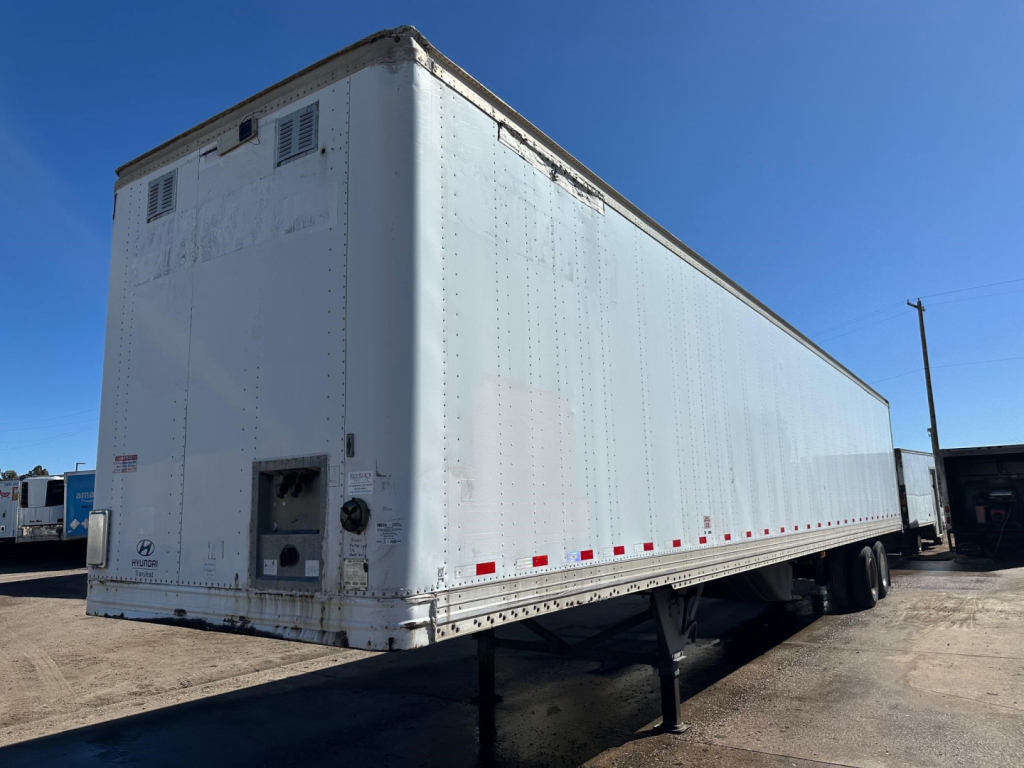
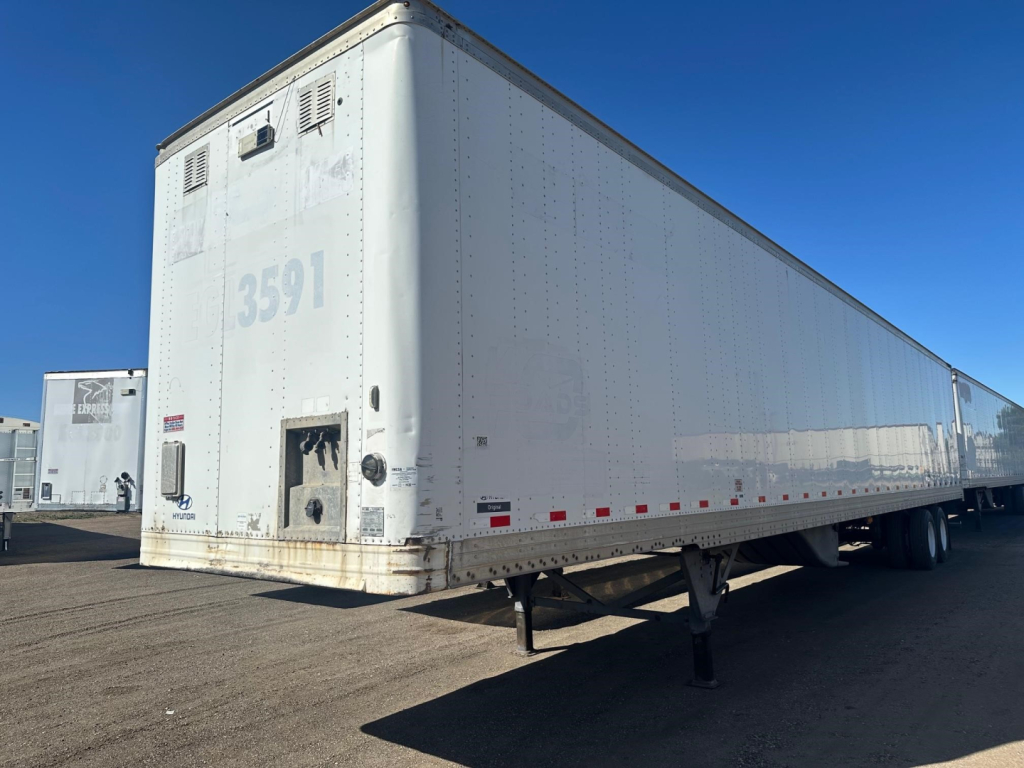
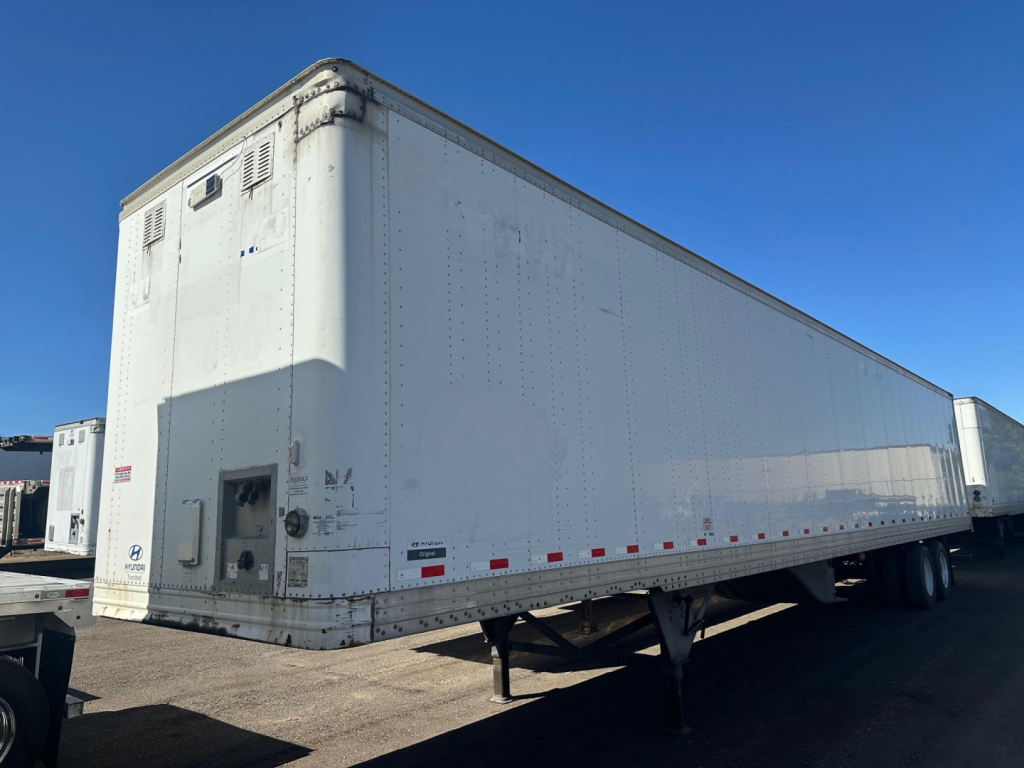
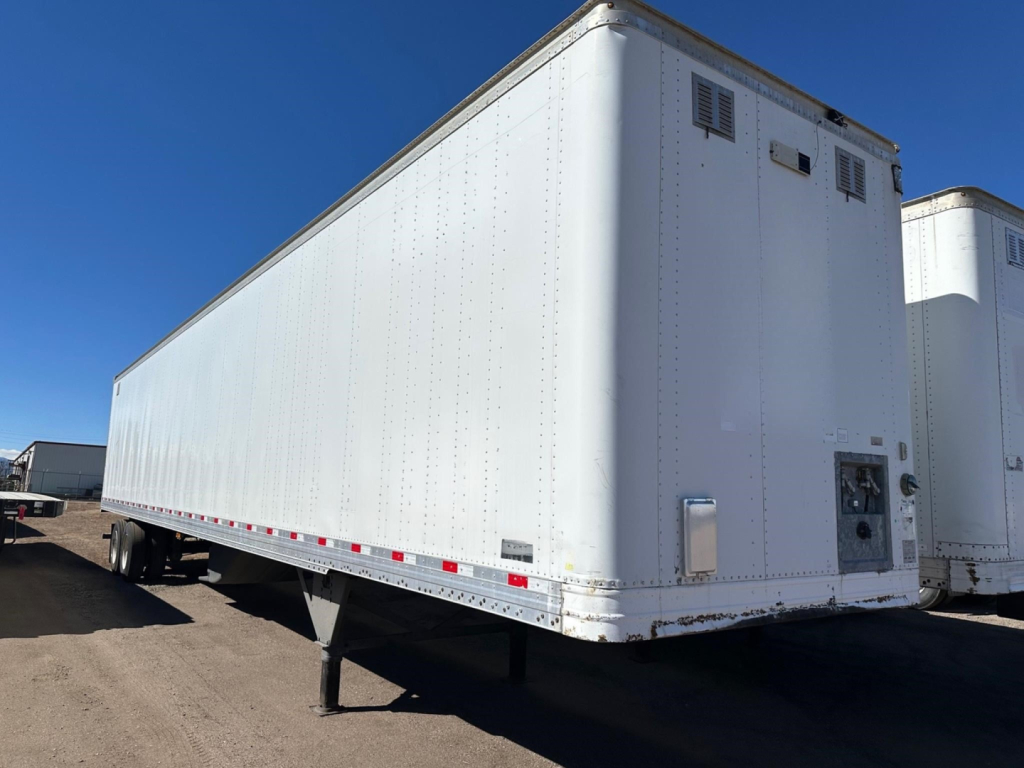
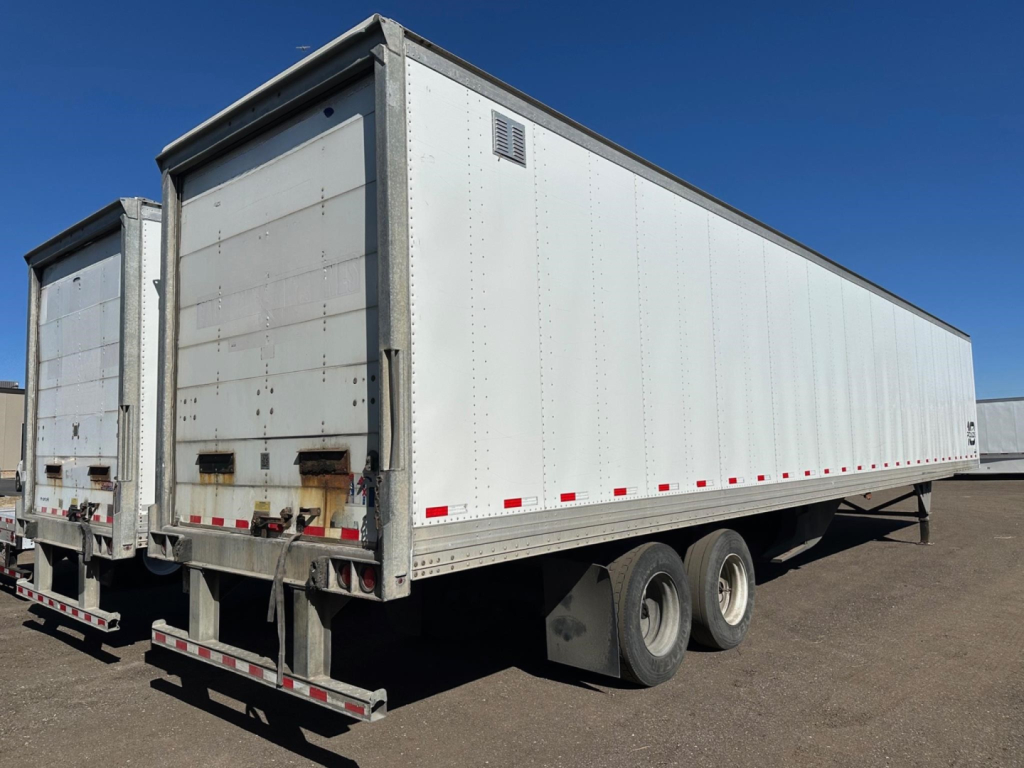

Have 2015 hyundai van trailer to sell? List it here to reach thousands of buyers.
2015 Hyundai Van Trailers
Suspension, tandem configuration, and door style should be near the top of the checklist. Many 2015 Hyundai dry vans were ordered with air ride and a sliding tandem or air pin slider, which helps with load protection, bridge law flexibility, and dock positioning. Closed tandem setups are also common. Roll doors are popular in LTL, city, and multi-stop work because they speed up dock access and reduce door swing issues in tight yards, while swing doors are simpler and can offer a slightly wider rear opening for forklift traffic. Tire inflation systems such as PSI, 22.5 low-profile tires, and steel or disc wheels are also common on fleet-spec Hyundai vans from this period.
Body construction details have a direct effect on service life and resale. Smooth aluminum side panels, aluminum roofs, galvanized rear frames, anti-dock-walk systems, wear bands, and underbody storage or undertray systems all show up on trailers in this class. Buyers should inspect the front corners, roof bows, rear frame, crossmembers, floor condition around the thresholds, and sidewall integrity around scuff areas and logistic track attachment points. On a 2015 trailer, tandem slide operation, suspension wear, door hardware, and evidence of repeated forklift impact are often more important than cosmetic appearance. A well-maintained van of this age can still fit regional distribution, warehouse shuttles, dedicated contract freight, and export container transload work.
For most operations, the decision comes down to cargo type and loading pattern. Food-grade boxed freight, retail loads, paper products, packaging, and general dry freight are all typical applications for a Hyundai dry van, also known as a box trailer or enclosed van trailer. Buyers running heavier cube freight should pay close attention to tare weight and floor rating, while shippers handling varied pallet sizes may prioritize logistics equipment, venting, and lining condition. A 2015 Hyundai van trailer can still be a cost-effective choice when the spec matches the lane and the trailer has solid structural condition, especially in fleets that value common replacement parts and straightforward maintenance.
Frequently Asked Questions about 2015 Hyundai Van Trailers
What are the most common specs on a 2015 Hyundai van trailer?
Most 2015 Hyundai van trailers are 53 feet long and 102 inches wide, with dry van construction for enclosed freight. Common specs include air ride suspension, sliding tandems or air pin sliders, 22.5 low-profile tires, wood floors, plywood or plate-lined interiors, scuff liners, threshold plates, and either roll-up or swing rear doors. Many were built to fleet standards, so logistics posts, E-track, tire inflation systems, and smooth side panels are also common.
Is a 2015 Hyundai dry van trailer still a good buy for fleet use?
A 2015 Hyundai dry van can still be a strong fleet trailer if the structure and running gear have been maintained. Age alone is less important than floor condition, crossmember integrity, tandem slide function, suspension wear, roof condition, and rear frame health. Hyundai trailers are widely used in commercial service, so buyers often value them for familiar specs, serviceable construction, and parts availability in general fleet maintenance environments.
Should I choose a roll door or swing doors on a van trailer?
The right door style depends on the freight pattern and loading environment. Roll doors are useful for urban routes, LTL, and high-frequency dock work because they open quickly and stay clear in tight spaces. Swing doors are mechanically simpler and can be preferred for linehaul or warehouse work where drivers want full rear opening access for forklifts and pallet movement. Buyers should also inspect door tracks, hinges, seals, and threshold wear because rear door repairs can become costly if damage is advanced.
What should I inspect first on a used 2015 Hyundai van trailer?
Start with the floor, crossmembers, roof, front wall, rear frame, and tandem assembly. Check for soft floor sections near the rear, cracked crossmembers, patched roof damage, loose or damaged lining, and corrosion or impact damage at the rear sill and door frame. Then inspect the suspension, brakes, tires, wheel ends, slider rails, and locking pins. Interior logistics equipment such as E-track or logistic posts should also be checked for pull-through damage from shifting freight.
What freight is a 2015 Hyundai van trailer best suited for?
This trailer class is built for general dry freight that needs weather protection and secure enclosed transport. Common loads include palletized consumer goods, retail freight, paper, boxed food products, packaging materials, and warehouse transfer freight. The exact fit depends on interior lining, floor rating, door type, and securement setup, especially if the operation handles mixed freight or frequent multi-stop deliveries.