
2015 Stoughton Van Trailers For Sale
Shop 2015 Stoughton van trailers, including dry van models known for durable construction, freight protection, and regional or linehaul use.
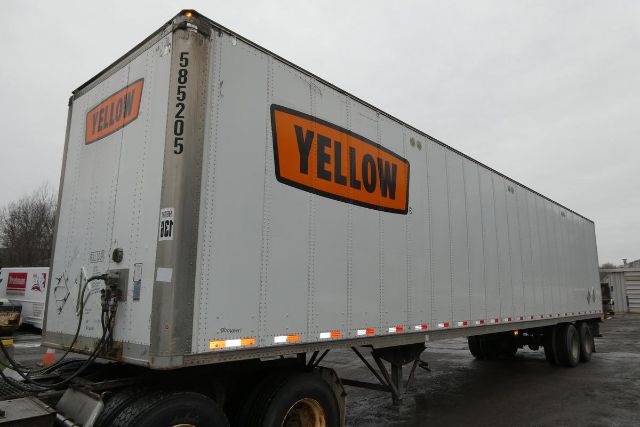
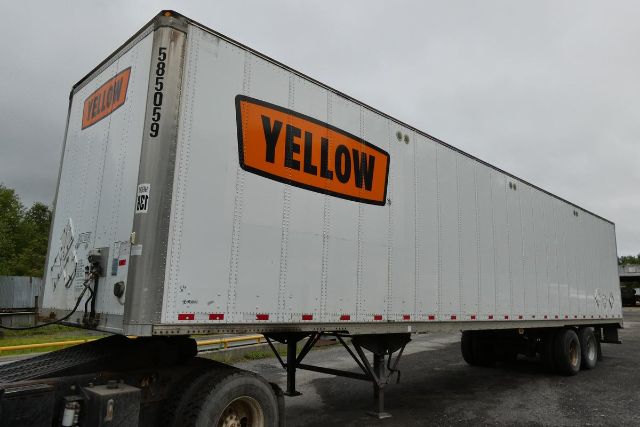

Have 2015 stoughton van trailer to sell? List it here to reach thousands of buyers.
2015 Stoughton Van Trailers
The first buying decision is usually size and lane assignment. A 28-foot Stoughton van from this period is commonly set up with a fixed single axle, air brakes, spring suspension, and a 40,000-lb GVW rating. That makes it a common choice for LTL, hub-and-spoke systems, and routes where a trailer needs to pull doubles and maneuver easily in tighter terminals. A 53-foot Stoughton dry van from the same era is more likely to be evaluated on tandem slider function, kingpin setting, door opening height, interior width between scuff liners, and overall cube. If freight is light but bulky, roof condition, interior lining, and rear frame integrity matter just as much as suspension and tires.
Construction details are important on a used 2015 van trailer, especially on Stoughton units that may have seen frequent dock contact and urban use. Many are built with steel and aluminum combinations, wood-over-steel flooring, and aluminum roofs. Buyers should inspect the floor for forklift wear, soft spots, and fastener pull-through near high-traffic zones. Rear roll-up doors need close attention because cable wear, missing rollers, bent tracks, and poor sealing are common cost items on older delivery-spec vans. Check side panels for patching, front wall integrity, crossmember condition, and signs of roof leaks around seams or translucent roof sections. Tires, hub-piloted steel wheels, brake components, suspension bushings, and air system leaks should all be part of a normal pre-purchase inspection.
For operations that value uptime over cosmetic condition, a 2015 Stoughton van trailer can still be a solid freight box if the structure is sound and the running gear has been maintained. Features such as side skirts, tire inflation systems, plastic or plywood lining, skylights or side windows, and different door configurations can affect both weight and day-to-day usability. The best unit for the job depends on freight type, dock setup, lane miles, and maintenance tolerance. A buyer comparing listings should focus less on paint and more on door function, floor life, roof sealing, suspension condition, brake wear, and how well the trailer's dimensions and axle configuration match the intended work.
Frequently Asked Questions about 2015 Stoughton Van Trailers
What is the most common use for a 2015 Stoughton van trailer?
A 2015 Stoughton van trailer is most commonly used for dry freight, palletized goods, retail distribution, packaged food, paper products, and other cargo that needs weather protection but not refrigeration. Shorter 28-foot vans are often used in LTL and doubles service, while 53-foot dry vans are more common in full truckload and high-cube freight operations.
What should I inspect first on a used 2015 Stoughton dry van?
Start with the structural items that are expensive to correct. Check the floor for rot, forklift damage, and broken boards, then inspect the roof seams, front wall, rear frame, crossmembers, and side panels for damage or repairs. After that, verify the door operates correctly, inspect suspension and brake components, and review tire condition, wheel type, and any signs of air leaks or deferred maintenance.
Are 28-foot Stoughton van trailers good for doubles and city work?
Yes. A 28-foot Stoughton van trailer is a common choice for doubles service, terminal work, and urban or regional delivery because it is easier to maneuver than a 53-foot trailer. Many are spec'd with fixed single axles, spring suspension, and air brakes, which makes them well suited for LTL fleets and routes with frequent docking and tighter turns.
What common specs show up on 2015 Stoughton van trailers?
Common specs include 102-inch overall width, 13-foot 6-inch overall height, air brakes, steel or aluminum combination construction, wood-over-steel flooring, and roll-up rear doors on delivery-oriented units. Depending on length and application, buyers may also see side skirts, tire inflation systems, plastic interior lining, skylights, and axle setups designed for either regional freight or doubles service.
How important is the rear door condition on a used van trailer?
Rear door condition is very important because it affects security, weather sealing, loading speed, and repair cost. On older van trailers, roll-up doors often develop cable issues, worn rollers, bent tracks, or poor alignment from repeated dock use. A trailer with a sound floor and frame can still turn into a higher-cost unit if the rear door assembly needs significant repair or replacement.